Examples of Companies Using Cloud Computing That Stand Out
Discover real examples of companies using cloud computing that changed entire industries. From Netflix streaming billions of hours to NASA exploring space, these cloud computing success stories show how businesses of all sizes use the cloud to scale, innovate, and compete. This article breaks down the most inspiring cloud computing examples you need to know.
Cloud computing has changed the way businesses operate across every industry. From streaming movies to exploring outer space, examples of companies using cloud computing show just how powerful this technology really is. These success stories prove that the cloud is not just for tech giants anymore.
Whether you run a small startup or a global enterprise, understanding how top brands use cloud services can spark ideas for your own growth. In this article, we will walk through some of the most impressive cloud computing examples from well-known companies. You will learn what they achieved, how they did it, and what you can apply to your own business.
The shift to cloud computing for business is one of the biggest cloud computing trends we have seen in the last decade. Companies that embraced cloud adoption early gained a serious advantage. They scaled faster, cut costs, and innovated more than their competitors. Let us dive into the stories behind these transformations.
Key Takeaways
- Cloud computing drives growth: Companies like Netflix, Airbnb, and Spotify prove that the cloud enables massive scalability and global reach.
- Startups and SMBs benefit too: Cloud adoption is not just for tech giants. Small businesses use the cloud to compete with larger players.
- NASA shows the cloud has no limits: Even space agencies rely on cloud infrastructure to process data and collaborate worldwide.
- Cloud security matters: Companies invest heavily in protecting user data within their cloud environments.
- Digital transformation is real: The cloud is at the center of modern business innovation across every sector.
- Scalability is the key advantage: Cloud resources adjust automatically to handle traffic spikes and changing demands.
- The future is cloud-first: Businesses that embrace cloud technology today position themselves for long-term success.
📑 Table of Contents
- Why Cloud Computing Matters for Modern Businesses
- Netflix: Streaming the World with Cloud Services
- Airbnb: How a Startup Scaled Globally with Cloud Computing
- Spotify: Music Streaming Powered by Cloud Infrastructure
- NASA: Out-of-This-World Cloud Computing Examples
- Small and Medium Businesses: Cloud Adoption on the Rise
- Final Thoughts on Cloud Computing Success Stories
Why Cloud Computing Matters for Modern Businesses
Before we look at specific companies, it helps to understand why cloud computing has become so important. The cloud computing benefits are clear and well-documented. Businesses of all sizes now rely on cloud-based solutions to run their daily operations.
The Power of Scalable Cloud Resources
One of the biggest advantages of cloud infrastructure is scalability. Traditional IT setups required companies to buy expensive hardware upfront. With cloud services, businesses can scale up or down based on demand. This flexibility is a game-changer for growth.
Think about it this way. If your website suddenly gets ten times more visitors, a traditional server might crash. But with scalable cloud resources, the system automatically adjusts. You pay for what you use, nothing more. This is why so many cloud computing companies have thrived.
Driving Digital Transformation Across Industries
Digital transformation is a buzzword, but it is a real force in business today. Cloud technology is at the heart of this shift. Companies use the cloud to modernize everything from customer service to data analytics. The result is faster innovation and better customer experiences.
Many organizations also use the cloud to support remote work cloud setups. Teams can access files and tools from anywhere in the world. This became especially important during recent global events. The cloud made remote work cloud collaboration seamless for millions of workers.
Netflix: Streaming the World with Cloud Services
Netflix is one of the most famous cloud computing success stories. The company started as a DVD rental business in 1997. Today, it streams content to over 200 million subscribers worldwide. The cloud played a huge role in this transformation.
How Netflix Uses the Cloud
Netflix moved its entire cloud migration to Amazon Web Services (AWS) back in 2016. Before that, it used a mix of internal servers and AWS. The full move to AWS gave Netflix the ability to handle massive traffic spikes. When a new popular show drops, millions of people stream at once. AWS handles that load without breaking a sweat.
The company uses cloud storage to store its vast library of movies and TV shows. It also relies on cloud computing technology for personalized recommendations. Every time you open Netflix, the platform uses data processing in the cloud to suggest shows you might like.
Key Results and Takeaways
Here is what Netflix achieved through its cloud adoption:
- Global reach: Netflix streams in over 190 countries thanks to cloud infrastructure.
- Cost savings: Moving to the cloud eliminated the need for massive data centers.
- Faster innovation: Netflix can deploy new features quickly using cloud platform tools.
- Reliability: The cloud ensures high uptime even during peak viewing hours.
Netflix shows that cloud computing for business is not just about saving money. It is about enabling growth that would be impossible otherwise.
Airbnb: How a Startup Scaled Globally with Cloud Computing
Airbnb is another great example of examples of companies using cloud computing that transformed an industry. The company started in 2008 with just a few air mattresses in a living room. Today, it is a global marketplace worth billions of dollars.
The Role of Cloud Computing in Airbnb’s Growth
Airbnb uses AWS as its primary cloud platform. The company relies on cloud-based solutions to manage millions of bookings, host profiles, and guest reviews. Without the cloud, handling this level of activity would be nearly impossible for a company of its size.
One of the most impressive aspects of Airbnb’s cloud migration journey is how it supported rapid scaling. During holiday seasons, booking traffic spikes dramatically. Airbnb’s cloud infrastructure absorbs these surges automatically. This kind of scalable cloud capability would have cost a fortune with traditional servers.
Cloud Security and Trust
Handling sensitive user data like credit card numbers and personal information requires top-notch cloud security. Airbnb invests heavily in security measures within its cloud environment. The company uses encryption, monitoring tools, and compliance frameworks to protect its users.
Trust is everything in the sharing economy. Airbnb’s strong commitment to cloud security helps build confidence among both hosts and guests. This is a lesson every business can learn.
Airbnb proves that cloud computing companies do not have to be tech-first businesses. Any company with big growth ambitions can benefit from the cloud.
Spotify: Music Streaming Powered by Cloud Infrastructure
Spotify is a leader in the music streaming world. With over 500 million users, it is one of the largest cloud computing companies in the entertainment space. The company’s entire business runs on cloud computing technology.
How Spotify Leverages Cloud Services
Spotify uses Google Cloud Platform as its primary cloud infrastructure. The platform processes massive amounts of data every day. From personalized playlists to song recommendations, everything runs through cloud-based algorithms.
The company also uses the cloud for digital transformation in how it delivers music. Instead of downloading files, users stream directly from the cloud. This model requires robust cloud storage and fast data delivery. Google Cloud provides exactly that.
Why This Matters for the Music Industry
Spotify’s use of cloud computing examples shows how the music industry has evolved. Physical albums and downloads are fading. Streaming is the future, and the cloud makes it possible. Artists can release music instantly to a global audience without pressing a single CD.
For businesses in other industries, Spotify’s story highlights a key point: the cloud enables new business models that were not possible before.
NASA: Out-of-This-World Cloud Computing Examples
When you think of examples of companies using cloud computing, NASA might not be the first name that comes to mind. But the space agency is one of the most fascinating cloud computing success stories out there.
NASA’s Cloud Computing Journey
NASA uses enterprise cloud solutions to process data from satellites, rovers, and space telescopes. The agency deals with enormous volumes of scientific data. Storing and analyzing this data on traditional servers would be extremely expensive and slow.
NASA partnered with AWS to build a cloud-based solution called the NASA Earth Exchange (NEX). This platform allows scientists around the world to access and analyze satellite imagery. The cloud platform makes collaboration easier and speeds up research significantly.
The Benefits of Cloud for Space Exploration
Here is what NASA gained through its cloud adoption:
- Faster data processing: Cloud computing allows NASA to analyze images from Mars in hours instead of weeks.
- Global collaboration: Scientists from different countries can access data in real time.
- Cost efficiency: The cloud reduced the need for on-site supercomputers.
- Innovation acceleration: Researchers can test new models and theories quickly using cloud tools.
NASA’s story is a powerful reminder that cloud computing for business is not limited to profit-driven companies. Even government agencies and research institutions benefit enormously from the cloud.
Small and Medium Businesses: Cloud Adoption on the Rise
While big names like Netflix and NASA grab headlines, small and medium businesses (SMBs) are also embracing cloud adoption at a rapid pace. In fact, SMBs represent a huge part of the cloud computing trends shaping the modern economy.
Why SMBs Are Moving to the Cloud
For small businesses, the cloud computing benefits are especially appealing. Cloud services eliminate the need for expensive IT hardware and dedicated IT staff. A small bakery or accounting firm can access enterprise-grade tools through cloud-based solutions at a fraction of the cost.
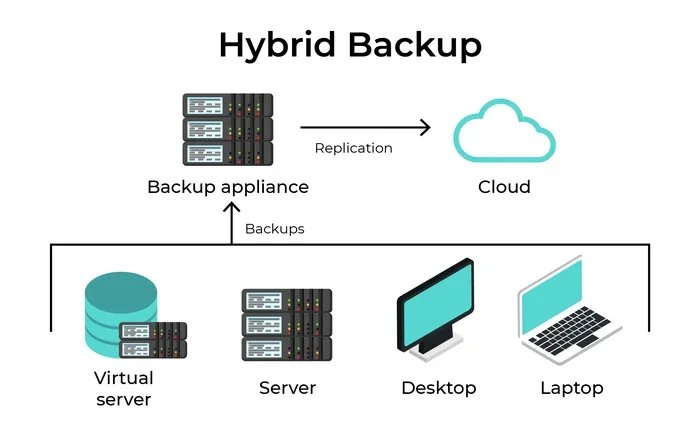
Many SMBs use hybrid cloud setups. This means they keep some data on local servers while using the cloud for other tasks. This approach gives them flexibility and control without breaking the bank.
Real-World Examples of SMB Cloud Success
Consider a small e-commerce store that uses cloud storage for product images and customer data. During holiday sales, the store scales up its cloud resources to handle increased traffic. After the season, it scales back down and saves money.
Another example is a remote-first startup that uses cloud platform tools for project management, communication, and file sharing. The entire team collaborates from different cities or countries. This kind of remote work cloud setup would have been unthinkable just a decade ago.
The cloud migration journey for SMBs does not have to be complicated. Many cloud providers offer simple onboarding tools and support. Businesses can start small and expand their use of the cloud over time.
Cloud computing companies of all sizes are discovering that the cloud levels the playing field. A small business can now access the same powerful tools that Fortune 500 companies use.
Final Thoughts on Cloud Computing Success Stories
The examples of companies using cloud computing we have explored show a clear pattern. The cloud enables growth, innovation, and efficiency for businesses in every sector. From streaming entertainment to exploring space, the impact of cloud technology is undeniable.
If you are considering your own cloud migration, these stories offer valuable lessons. Start by identifying your biggest challenges. Then explore how cloud services can help solve them. The key is to begin small, learn as you go, and scale at your own pace.
The future belongs to businesses that embrace cloud computing technology. Whether you are a global brand or a local shop, the cloud opens doors that were once closed. The time to act is now. Explore your options, find the right cloud platform, and start building your own success story today.
Frequently Asked Questions
What is cloud computing in simple terms?
Cloud computing means using remote servers hosted on the internet to store, manage, and process data instead of using your own local computers or servers. It allows businesses to access powerful technology tools without buying expensive hardware.
Which industries benefit most from cloud computing?
Almost every industry benefits from cloud computing. Entertainment companies like Netflix use it for streaming. Travel companies like Airbnb use it for bookings. Even NASA uses it for space research. The cloud computing benefits apply to healthcare, finance, education, retail, and many other fields too.
How much does cloud computing cost for businesses?
The cost varies widely depending on usage. Many cloud providers offer pay-as-you-go pricing, which means you only pay for what you use. Small businesses can often start with free tiers or low-cost plans and scale up as they grow.
Is cloud computing secure for sensitive data?
Yes, reputable cloud providers invest heavily in cloud security. They use encryption, firewalls, and compliance certifications to protect data. However, businesses should also take their own security steps, like using strong passwords and access controls.
Can small businesses afford cloud computing?
Absolutely. One of the biggest cloud computing benefits is affordability. Small businesses do not need to invest in expensive servers or IT teams. Cloud services offer flexible pricing that fits almost any budget, making cloud adoption accessible to companies of all sizes.
What is the difference between cloud computing and traditional IT?
Traditional IT requires companies to buy, maintain, and upgrade their own physical servers and hardware. Cloud computing lets businesses rent computing resources over the internet. This means less upfront cost, faster scaling, and less maintenance work for the business.
=== CONCLUSION ===
The examples of companies using cloud computing we explored today prove that the cloud is a game-changing technology for businesses of every size. From Netflix and Airbnb to Spotify, NASA, and small local shops, the cloud delivers real results. It enables scalability, reduces costs, speeds up innovation, and opens doors to new business models.
If you have not yet explored how cloud services can work for your business, now is the perfect time. Start small, learn from the success stories of these top companies, and build your own cloud strategy step by step. The cloud is not just the future. It is the present, and it is waiting for you.