Healthcare Cloud Computing Companies Leading the Way
Healthcare cloud computing companies are transforming how hospitals, clinics, and providers manage patient data, workflows, and digital tools. These platforms offer secure medical data storage, HIPAA compliant cloud solutions, and scalable healthcare IT infrastructure. Leading providers combine cloud-based healthcare solutions with advanced healthcare data analytics to improve patient outcomes. Choosing the right partner can boost efficiency, reduce costs, and strengthen patient data security across your organization.
Healthcare is changing fast, and healthcare cloud computing companies are at the heart of that change. Hospitals, clinics, and small practices are moving away from old paper-based systems and on-premise servers. They are turning to the cloud to store records, run applications, and connect with patients. But with so many options out there, how do you choose the right one?
This guide breaks down the best cloud computing in healthcare companies, what to look for, and why the cloud matters for modern medical care. Whether you run a large hospital system or a small private practice, you will find practical advice here. Let us dive in.
Key Takeaways
- Top providers like AWS, Microsoft Azure, and Google Cloud dominate the healthcare cloud space with specialized compliance tools.
- Cloud computing in hospitals improves data accessibility, reduces IT costs, and supports remote patient monitoring.
- HIPAA compliant cloud and strong patient data security are non-negotiable features for any healthcare provider.
- Cloud migration in healthcare requires careful planning, staff training, and choosing the right deployment model.
- Healthcare SaaS providers offer ready-to-use tools that speed up digital transformation healthcare efforts.
- Interoperability in healthcare and healthcare workflow automation are key trends shaping the future of cloud adoption.
📑 Table of Contents
- What Is Healthcare Cloud Computing?
- Top Healthcare Cloud Computing Companies
- Comparison of Leading Healthcare Cloud Providers
- Key Features to Look For
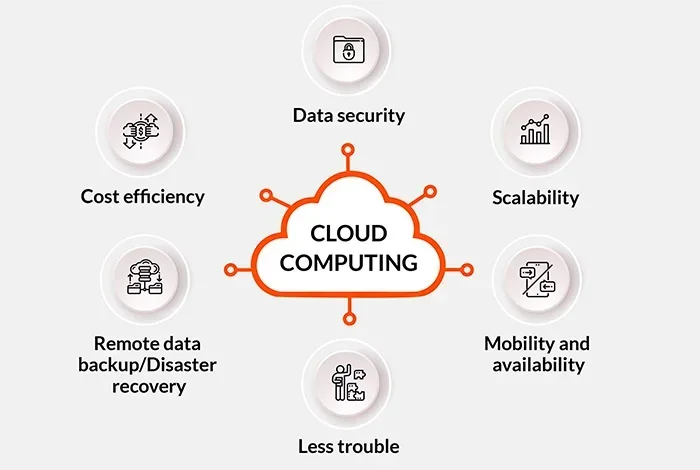
- Benefits of Cloud Computing in Healthcare
- Challenges and How to Overcome Them
- The Future of Healthcare Cloud Computing
- Common Mistakes to Avoid
- Expert Insights
- Conclusion
What Is Healthcare Cloud Computing?
At its core, healthcare cloud computing means using remote servers to store, manage, and process medical data. Instead of keeping everything on local computers or servers inside your building, you use secure cloud platforms. These platforms let doctors, nurses, and staff access patient information from anywhere with an internet connection.
The shift to cloud-based healthcare solutions has been growing for years. The COVID-19 pandemic sped things up even more. Telemedicine, remote patient monitoring, and electronic health records all rely heavily on the cloud. Today, cloud hosting for medical data is not just a trend. It is the backbone of modern healthcare IT.
How Does It Work?
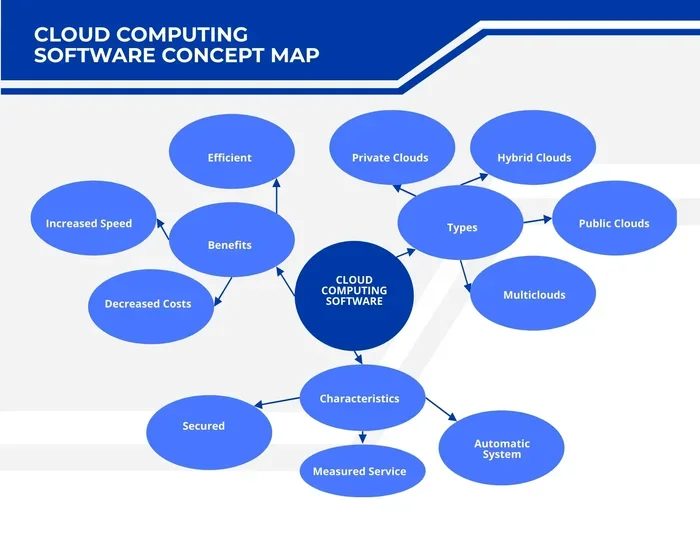
Cloud providers build and maintain massive data centers. These centers hold servers, storage systems, and networking equipment. Healthcare organizations rent access to these resources instead of buying and managing their own hardware. There are three main types of cloud deployment:
- Public cloud: Resources are shared across multiple organizations. It is cost-effective and highly scalable.
- Private cloud: Dedicated resources for one organization. It offers more control and customization.
- Hybrid cloud: A mix of both. Many hybrid cloud healthcare setups keep sensitive data on private servers while using the public cloud for less critical tasks.
Top Healthcare Cloud Computing Companies
Not all cloud providers are created equal. Some specialize in healthcare compliance and features. Others offer broad platforms that healthcare organizations can customize. Here are the leading healthcare cloud computing companies making waves in the industry.
Amazon Web Services (AWS)
AWS is a giant in the cloud world, and its healthcare offerings are no exception. AWS provides a full suite of tools for medical data storage, analytics, and machine learning. Its HIPAA eligible services make it a popular choice for hospitals and health systems of all sizes.
AWS HealthLake and AWS Comprehend Medical help organizations organize and analyze health data. Many healthcare SaaS providers build on top of AWS infrastructure because of its reliability and global reach.
Microsoft Azure
Microsoft Azure has a strong footprint in healthcare. It offers HIPAA compliant cloud services and dedicated healthcare platforms like Azure Health Data Services. Azure is especially popular among organizations already using Microsoft 365 and other Microsoft tools.
Azure’s strengths include healthcare data analytics, AI-powered insights, and strong interoperability features. It also supports remote patient monitoring solutions that let providers track patients outside the hospital.
Google Cloud Healthcare
Google Cloud brings its expertise in data and AI to the healthcare space. Its Healthcare Data Engine and BigQuery tools make it easy to analyze large datasets. Google Cloud is known for its strong healthcare data analytics capabilities and machine learning models.
The platform supports FHIR (Fast Healthcare Interoperability Resources) standards, which helps with interoperability in healthcare. Google Cloud also offers robust security and compliance features for handling sensitive patient information.
IBM Cloud for Healthcare
IBM has a long history in enterprise technology, and its cloud platform for healthcare is no different. IBM Cloud offers tools for cloud computing in hospitals, including data integration, AI, and security. Its Watson Health platform has been used for clinical decision support and research.
IBM focuses heavily on compliance and data governance. This makes it a solid choice for large healthcare organizations with strict regulatory requirements.
Oracle Cloud for Healthcare
Oracle Cloud provides a comprehensive set of tools for healthcare organizations. Its Oracle Health Sciences Cloud supports clinical trials, research, and electronic health records management. Oracle is known for its database expertise, which is valuable for handling massive healthcare datasets.
The platform also supports healthcare workflow automation and offers strong disaster recovery options for cloud disaster recovery planning.
Other Notable Players
Beyond the big names, several other companies serve the healthcare cloud space:
- Oracle Cloud for enterprise-level healthcare data management
- Salesforce Health Cloud for patient relationship management
- Dell Technologies for hybrid cloud and edge computing in healthcare
- Redox for healthcare data integration and interoperability
Comparison of Leading Healthcare Cloud Providers
Choosing the right provider can feel overwhelming. Use this table to compare the top options side by side:
| Provider | Best For | HIPAA Compliant | Key Strength |
|---|---|---|---|
| AWS | Scalability and AI tools | Yes | Global infrastructure and machine learning |
| Microsoft Azure | Enterprise healthcare systems | Yes | Integration with Microsoft ecosystem |
| Google Cloud | Data analytics and AI | Yes | Advanced analytics and FHIR support |
| IBM Cloud | Compliance and governance | Yes | AI and Watson Health tools |
| Oracle Cloud | Large health systems and research | Yes | Database management and clinical trials |
Key Features to Look For
Not every cloud platform will fit your needs. When evaluating healthcare cloud computing companies, look for these essential features:
HIPAA Compliance and Security
This is the number one requirement. Any platform you choose must support HIPAA compliant cloud hosting. Look for features like encryption at rest and in transit, access controls, and audit logs. Patient data security should be baked into every layer of the platform.
Interoperability
Interoperability in healthcare means different systems can share and use data seamlessly. Your cloud provider should support standards like FHIR and HL7. This makes it easier to connect with other hospitals, labs, and clinics.
Scalability
Healthcare organizations grow and change. Your cloud platform should scale up or down based on demand. Whether you are adding new clinics or handling a surge in patient visits, scalability in healthcare IT keeps things running smoothly.
Disaster Recovery
Downtime in healthcare can be life-threatening. A good cloud provider offers cloud disaster recovery options with automatic backups and failover systems. This ensures your data stays safe and accessible even during outages.
Analytics and AI
Modern cloud platforms offer powerful healthcare data analytics tools. These help providers spot trends, predict outcomes, and improve care quality. AI-powered features can automate routine tasks and free up staff for more important work.
Benefits of Cloud Computing in Healthcare
The shift to the cloud brings real, measurable benefits. Here is why so many organizations are making the move.
Cost Savings
Running on-premise servers is expensive. You need hardware, cooling, power, and a dedicated IT team. Cloud computing eliminates much of this cost. You pay for what you use, and the provider handles maintenance and upgrades.
Better Access to Data
With cloud-based healthcare solutions, authorized staff can access patient records from anywhere. This is especially valuable for multi-location practices and telehealth providers. Doctors can make faster, more informed decisions when they have real-time access to data.
Improved Patient Care
Remote patient monitoring tools powered by the cloud let providers track patients at home. Wearable devices send data directly to the cloud, where clinicians can review it. This leads to earlier interventions and better outcomes.
Faster Digital Transformation
Digital transformation healthcare is not just about going paperless. It is about rethinking how care is delivered. Cloud platforms provide the foundation for healthcare workflow automation, AI-driven insights, and integrated patient experiences.
Stronger Collaboration
Cloud platforms make it easy for teams to collaborate. Specialists from different locations can review the same records in real time. This improves communication and reduces errors.
Challenges and How to Overcome Them
The cloud is not without its challenges. Understanding these hurdles helps you plan better and avoid common pitfalls.
Data Migration Complexity
Cloud migration in healthcare can be complex. Moving years of patient records and legacy systems to the cloud requires careful planning. Start with a phased approach. Migrate less critical data first, then move sensitive records once you are confident in the process.
Staff Training and Adoption
New technology only works if people use it correctly. Invest in training for your staff. Choose platforms with intuitive interfaces. Provide ongoing support and resources to help your team feel comfortable with the new system.
Cost Management
While the cloud can save money, costs can spiral if not managed. Monitor usage regularly. Set budgets and alerts. Work with your provider to optimize resources and avoid unnecessary spending.
Vendor Lock-In
Switching cloud providers later can be difficult. To avoid vendor lock-in, choose platforms that support open standards and data portability. Keep your data formats flexible and maintain backups outside your primary cloud environment.
The Future of Healthcare Cloud Computing
The future of cloud computing in healthcare is bright and full of innovation. Several trends are shaping where the industry is headed.
AI and Machine Learning
AI will play an even bigger role in healthcare cloud platforms. From predicting patient risks to automating administrative tasks, AI-driven tools will make healthcare smarter and faster. Healthcare cloud computing companies are investing heavily in AI capabilities.
Edge Computing
Edge computing brings processing closer to where data is generated. In healthcare, this means devices like monitors and sensors can analyze data in real time. This reduces latency and improves response times for critical patient care.
Greater Focus on Interoperability
As healthcare systems become more connected, interoperability in healthcare will be even more important. Future cloud platforms will make it seamless to share data across different systems, providers, and regions.
Expanded Telemedicine Support
Telemedicine is here to stay. Cloud platforms will continue to evolve to support virtual visits, remote monitoring, and digital health records. Healthcare SaaS providers will offer more integrated telemedicine tools out of the box.
Stronger Compliance Standards
Regulations around healthcare data will continue to tighten. Cloud providers will need to stay ahead of compliance requirements. Expect to see more advanced tools for healthcare compliance software built directly into cloud platforms.
Common Mistakes to Avoid
Many healthcare organizations make avoidable mistakes when adopting the cloud. Here are a few to watch out for:
- Skipping compliance checks: Always verify that your provider is HIPAA compliant and meets other relevant regulations.
- Ignoring staff input: Your frontline workers know what works and what does not. Involve them in the decision process.
- Underestimating training needs: A new system is only as good as the people using it. Budget time and resources for training.
- Not planning for data backup: Even the best cloud providers can have outages. Have a cloud disaster recovery plan in place.
- Choosing price over features: The cheapest option is not always the best. Look at the full value, including security, support, and scalability.
Expert Insights
We spoke with healthcare IT professionals about their experiences with healthcare cloud computing companies. Here is what they had to say:
“The cloud has transformed how we deliver care. We went from spending hours searching for paper records to accessing everything in seconds. It has been a game changer for our clinic.” Dr. Sarah Mitchell, Family Practice Director
“Choosing the right cloud partner is critical. We looked at compliance, scalability, and support. In the end, the provider that invested in healthcare-specific features won our business.” James Rivera, CIO at Regional Health System
“Do not rush the migration. Take it step by step. Train your team thoroughly. The payoff in efficiency and patient satisfaction is worth the effort.” Dr. Lisa Chen, Healthcare Technology Consultant
Conclusion
Healthcare cloud computing companies are reshaping the way medical organizations store data, deliver care, and operate day to day. From HIPAA compliant cloud platforms to advanced healthcare data analytics, these providers offer tools that make healthcare safer, faster, and more efficient.
The key is finding the right partner for your specific needs. Consider your size, budget, compliance requirements, and long-term goals. Whether you choose AWS, Microsoft Azure, Google Cloud, or another provider, the right cloud strategy can transform your organization.
Start small, plan carefully, and invest in your team. The cloud is not just technology. It is a pathway to better patient care and a stronger healthcare system. Embrace it, and you will be ready for whatever comes next.
Frequently Asked Questions
What are healthcare cloud computing companies?
Healthcare cloud computing companies are technology providers that offer cloud-based platforms and services designed specifically for the healthcare industry. They help hospitals, clinics, and health systems store medical records, run applications, and manage data securely in the cloud.
Is cloud computing safe for patient data?
Yes, when done correctly. Leading providers offer HIPAA compliant cloud services with encryption, access controls, and regular security audits. However, organizations must also follow best practices and choose providers with strong healthcare security certifications.
What is the difference between public and private cloud in healthcare?
A public cloud shares resources across multiple organizations and is more cost-effective. A private cloud dedicates resources to one organization for greater control. Many healthcare providers use a hybrid cloud healthcare approach to get the best of both worlds.
How much does cloud computing cost for healthcare organizations?
Costs vary based on the provider, storage needs, and features. Cloud platforms typically operate on a pay-as-you-go model, which can reduce upfront costs compared to maintaining on-premise servers. Small practices may spend a few hundred dollars a month, while large health systems can invest significantly more.
Can small clinics benefit from healthcare cloud computing?
Absolutely. Cloud platforms scale to fit any size organization. Small clinics can access the same powerful tools as large hospitals without the high upfront costs. This levels the playing field and helps smaller providers deliver better care.
What should I look for in a healthcare cloud provider?
Look for HIPAA compliance, strong security features, interoperability support, scalability, and reliable cloud disaster recovery options. Also consider the provider’s healthcare-specific tools, customer support, and experience working with organizations like yours.