How Artificial Intelligence in Cloud Computing Works
Artificial intelligence in cloud computing combines smart algorithms with remote servers to deliver powerful tools for businesses of all sizes. You will learn how cloud-based AI works, the top platforms, real-world use cases, and practical tips for getting started. This guide breaks down complex topics into simple, actionable insights anyone can use.
Artificial intelligence in cloud computing is changing the way businesses operate. You have probably heard the buzzwords. But what does it actually mean? And more importantly, how does it work? This guide answers those questions in plain, simple language. You do not need to be a tech expert to understand the basics.
The idea behind artificial intelligence in cloud computing is straightforward. Instead of running AI programs on your own computer, you access them through the internet. These programs run on powerful remote servers managed by big companies. You get the benefits of smart technology without the heavy lifting. Think of it like renting a super-smart brain instead of building one from scratch.
Cloud AI is not just for giant corporations anymore. Small businesses, startups, and even individual creators can use it. The barriers to entry have dropped dramatically. Whether you want to analyze customer data, build smart apps, or automate repetitive tasks, cloud AI has you covered. Let us dive into how it all works.
Key Takeaways
- AI in the cloud makes advanced technology accessible: You do not need expensive hardware to use powerful machine learning tools.
- Major cloud providers offer ready-to-use AI services: Platforms like AWS, Google Cloud, and Azure give you instant access to intelligent features.
- Cloud AI drives real business results: From customer service chatbots to predictive analytics, the applications are vast and practical.
- Security and cost are key considerations: Understanding your needs helps you choose the right AI cloud setup.
- The future is bright: AI-driven cloud trends like edge computing and generative AI are reshaping industries fast.
📑 Table of Contents
- What Is Artificial Intelligence in Cloud Computing?
- How Does AI in Cloud Computing Actually Work?
- Top Cloud AI Platforms You Should Know
- Benefits of Using AI in the Cloud
- Real-World Use Cases for Cloud AI
- Common Mistakes to Avoid with Cloud AI
- Quick Tips for Getting Started with Cloud AI
- The Future of AI in Cloud Computing
- Conclusion
What Is Artificial Intelligence in Cloud Computing?
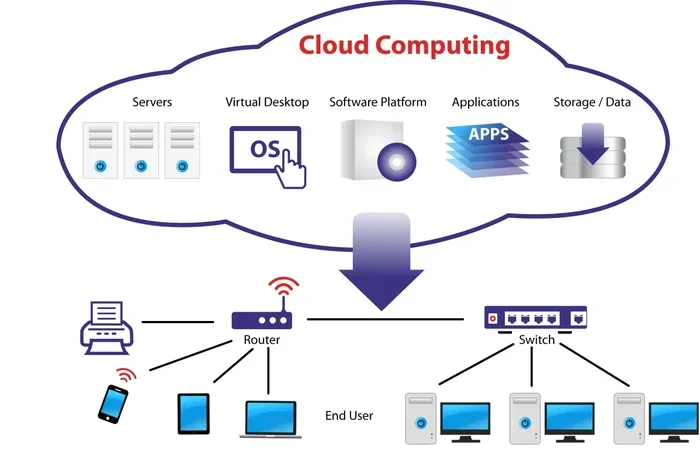
At its core, cloud computing AI means using artificial intelligence tools that live on remote servers. You access these tools through your web browser or an app. The heavy computing happens somewhere else, not on your device. This setup gives you incredible power without needing expensive equipment.
Think of it this way. Your laptop or phone is like a thin client. It sends requests to the cloud. The cloud processes those requests using advanced AI algorithms. Then it sends the results back to you. The whole process happens in seconds.
How Cloud AI Differs from Traditional AI
Traditional AI requires local hardware. You need powerful computers, special GPUs, and lots of storage. This setup is expensive and hard to maintain. Cloud-based AI removes all of that. You tap into massive data centers run by companies like Amazon, Google, and Microsoft.
Here is a quick comparison:
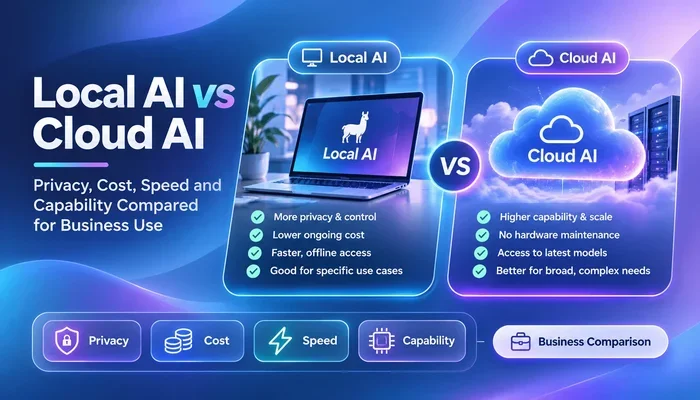
- Traditional AI: You own and manage the hardware. It is expensive and requires technical skill.
- Cloud AI: You rent AI power on demand. You pay only for what you use.
- Traditional AI: Scaling up means buying more equipment.
- Cloud AI: Scaling up happens with a few clicks.
- Traditional AI: Updates and maintenance are your responsibility.
- Cloud AI: The provider handles updates automatically.
The difference is clear. Cloud AI gives you flexibility, scalability, and affordability. You get access to cutting-edge machine learning in the cloud without the headaches.
How Does AI in Cloud Computing Actually Work?
Understanding the mechanics of AI in cloud computing helps you make better decisions. The process involves several layers working together. Let us break them down one by one.
The Data Layer
Everything starts with data. AI systems need massive amounts of information to learn and improve. Cloud providers store this data in secure data centers around the world. When you use cloud AI services, your data flows into these centers. It gets cleaned, organized, and prepared for analysis.
Good data practices matter here. The quality of your input directly affects the quality of your results. This is a rule that applies to every AI cloud deployment. Garbage in, garbage out. Always make sure your data is accurate and well-structured.
The Processing Layer
Once the data is ready, the cloud uses powerful processors to run AI models. These models are essentially complex mathematical programs. They look for patterns in the data. They learn from those patterns. Then they make predictions or decisions based on what they have learned.
The processing layer uses specialized hardware. Graphics processing units, or GPUs, are especially important for neural networks in cloud applications. These chips are designed to handle the intense calculations that AI requires. Cloud providers invest billions in this hardware so you do not have to.
The Service Layer
This is where you interact with the AI. The service layer delivers results through APIs, dashboards, or applications. For example, you might use a cloud machine learning tool to analyze sales data. The tool returns insights and predictions that you can act on immediately.
Major providers offer different types of services at this layer:
- Pre-built AI services: Ready-to-use tools for things like image recognition or language translation.
- Custom AI models: You build and train your own models using cloud tools.
- AutoML platforms: These automate the model-building process for non-experts.
Top Cloud AI Platforms You Should Know
Several companies dominate the AI cloud solutions market. Each platform has its strengths. Here is a look at the major players.
Amazon Web Services (AWS)
AWS offers a wide range of artificial intelligence platforms. Amazon SageMaker is their flagship tool for building machine learning models. They also provide pre-built services for speech recognition, computer vision, and natural language processing. AWS is known for its vast global infrastructure and enterprise support.
Google Cloud
Google is a leader in AI-driven cloud technology. Their Vertex AI platform lets you build, train, and deploy models easily. Google also offers TensorFlow, one of the most popular open-source AI frameworks. If you are working with data-heavy projects, Google Cloud is a strong choice.
Microsoft Azure
Azure combines cloud computing AI with enterprise tools. Their Azure AI services include cognitive services, bot frameworks, and custom vision tools. Microsoft integrates AI deeply into its existing products like Office 365 and Dynamics 365. This makes it a natural fit for businesses already using Microsoft ecosystems.
IBM Cloud
IBM has been in the AI game for decades. Their Watson platform is well-known for natural language processing and data analysis. IBM Cloud focuses heavily on enterprise use cases, especially in healthcare, finance, and research.
Benefits of Using AI in the Cloud
There are many reasons businesses are rushing to adopt artificial intelligence in cloud computing. Let us explore the biggest benefits.
Cost Savings
Building your own AI infrastructure is expensive. You need servers, cooling systems, and specialized staff. Cloud AI lets you avoid all of that. You pay a subscription fee or usage-based charges. This model is much more affordable for most organizations.
Scalability
Cloud platforms can handle sudden spikes in demand. If your AI analytics workload doubles overnight, the cloud scales up automatically. You do not need to buy new hardware. This flexibility is a game-changer for growing businesses.
Speed and Agility
With pre-built cloud AI services, you can launch projects in days instead of months. You do not need to build everything from the ground up. This speed gives you a competitive edge. You can test ideas quickly and iterate faster.
Access to Cutting-Edge Technology
Cloud providers constantly update their AI tools. You get access to the latest breakthroughs without doing any research yourself. This means your business always stays on the cutting edge of intelligent cloud technology.
Real-World Use Cases for Cloud AI
The practical applications of cloud computing AI are everywhere. Let us look at some real-world examples.
Customer Service and Chatbots
Many companies now use AI chatbots powered by the cloud. These bots handle customer questions 24/7. They understand natural language and provide helpful responses. This reduces the workload on human agents and improves response times.
Healthcare and Diagnostics
Hospitals use cloud machine learning to analyze medical images and patient data. AI models can detect diseases earlier than traditional methods. This leads to better patient outcomes and faster treatment decisions.
Retail and Personalization
Online retailers use AI-powered cloud tools to recommend products. They analyze your browsing history and purchase patterns. Then they suggest items you are likely to buy. This boosts sales and improves the shopping experience.
Fraud Detection
Banks and financial institutions rely on cloud AI to spot suspicious activity. The systems analyze millions of transactions in real time. They flag potential fraud before it causes damage. This protects both the business and its customers.
Autonomous Vehicles
Self-driving cars generate massive amounts of data. Cloud AI processes this data to improve navigation and safety. The cars learn from every trip they take. This continuous learning loop makes autonomous driving safer over time.
Common Mistakes to Avoid with Cloud AI
Even with the best tools, mistakes can happen. Here are some pitfalls to watch out for.
Ignoring Data Quality
Bad data leads to bad results. Always invest time in cleaning and organizing your data before feeding it into any AI cloud solution. This single step can save you countless headaches later.
Overlooking Security
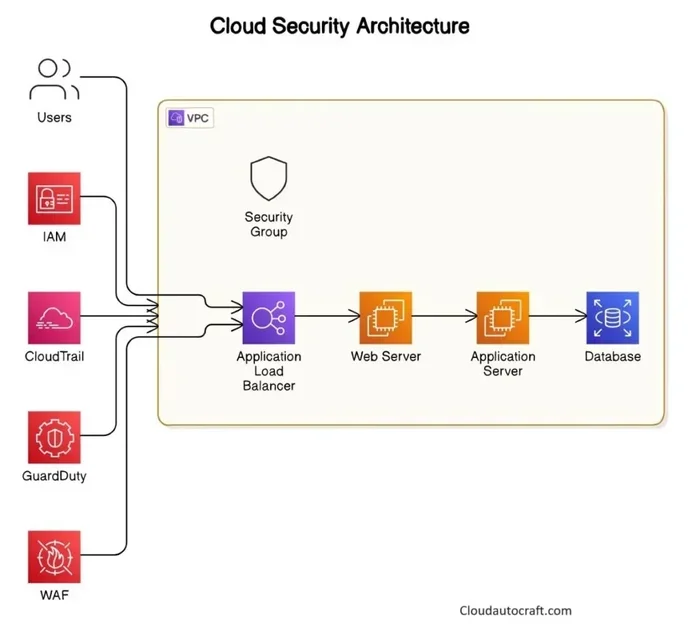
When your data lives in the cloud, security matters more than ever. Choose providers with strong AI cloud security measures. Look for encryption, compliance certifications, and regular audits. Never assume the provider handles everything automatically.
Choosing the Wrong Pricing Model
Cloud providers offer different pricing structures. Some charge per hour, others per request. If you do not understand the pricing model, your bills can spiral out of control. Always review the fine print before committing.
Underestimating Training Needs
Cloud AI tools are powerful, but they require knowledge to use effectively. Invest in training for your team. Even no-code platforms have learning curves. The better your team understands the tools, the better your results will be.
Quick Tips for Getting Started with Cloud AI
Ready to explore artificial intelligence in cloud computing? Here are some practical tips to help you start.
- Start small. Pick one project and test it in the cloud. Do not try to overhaul everything at once.
- Use free tiers. Most cloud providers offer free trial periods. Use them to experiment without risk.
- Focus on a clear problem. Identify a specific business challenge you want to solve. This keeps your efforts focused and measurable.
- Choose the right platform. Compare AWS, Google Cloud, and Azure based on your needs. Each has different strengths.
- Learn the basics of data science. You do not need a degree, but basic knowledge helps you get better results.
- Monitor your costs. Set up billing alerts so you know exactly what you are spending.
- Join communities. Online forums and groups can help you solve problems and learn faster.
Following these tips will set you on the right path. Cloud AI is a journey, not a destination. Take it one step at a time.
The Future of AI in Cloud Computing
The cloud computing trends in AI are moving fast. Several exciting developments are on the horizon. Edge computing is one of them. This approach brings AI processing closer to the data source. It reduces latency and improves performance for real-time applications.
Generative AI is another major trend. Tools like large language models are already making waves. Cloud providers are racing to integrate these models into their platforms. Soon, every business will have access to powerful generative AI tools through the cloud.
Hybrid cloud AI is also gaining traction. This model combines public and private cloud resources. It gives businesses more control over sensitive data while still leveraging powerful cloud AI. Expect to see more organizations adopt this approach in the coming years.
The enterprise AI market is projected to grow significantly. As tools become easier to use, more businesses will jump on board. The companies that adopt cloud AI early will have a clear advantage. They will move faster, innovate more, and serve their customers better.
Conclusion
Artificial intelligence in cloud computing is no longer a futuristic concept. It is here, and it is transforming industries right now. From small startups to global enterprises, businesses are leveraging cloud AI to solve real problems. The technology is powerful, accessible, and constantly improving.
You now understand the basics of how it works. You know the top platforms, the key benefits, and the common pitfalls. More importantly, you have practical tips to get started today. The cloud AI landscape is vast, but you do not need to master it all at once. Pick a use case, choose a platform, and start experimenting.
The future belongs to those who embrace AI-powered cloud technology. The time to act is now. Take what you have learned from this guide and apply it to your own projects. You will be amazed at what you can achieve.
Frequently Asked Questions
What is artificial intelligence in cloud computing?
Artificial intelligence in cloud computing refers to using AI tools and models that run on remote servers accessed through the internet. Instead of building your own AI infrastructure, you rent powerful computing resources from cloud providers like AWS, Google Cloud, or Azure.
Do I need coding skills to use cloud AI?
Not necessarily. Many cloud providers offer no-code and low-code platforms. These tools let you build and deploy AI models without writing complex code. However, basic data literacy and an understanding of AI concepts will help you get better results.
Is cloud AI secure?
Leading cloud providers invest heavily in security. They use encryption, access controls, and compliance certifications to protect your data. That said, you should still follow best practices like using strong passwords and limiting access to sensitive information.
How much does cloud AI cost?
Costs vary widely depending on the provider and the services you use. Many platforms offer free tiers for experimentation. For production use, you typically pay per hour, per request, or per gigabyte of data processed. Always monitor your usage to avoid unexpected bills.
Can small businesses benefit from cloud AI?
Absolutely. Cloud AI levels the playing field. Small businesses can access the same powerful tools that large corporations use. The pay-as-you-go model means you only spend what you need, making it affordable for businesses of all sizes.
What is the difference between cloud AI and edge AI?
Cloud AI processes data on remote servers in data centers. Edge AI processes data closer to where it is generated, such as on a device or local server. Edge AI offers lower latency, while cloud AI offers more raw computing power. Many organizations use both together for the best results.
=== CONCLUSION ===
Artificial intelligence in cloud computing is a game-changing technology that makes smart tools available to everyone. You have learned how it works, explored the top platforms, discovered real-world use cases, and picked up practical tips. The key is to start small, stay curious, and keep learning. The world of cloud AI is evolving fast, and those who embrace it today will lead tomorrow.