Compliance in Cloud Computing Everything You Need to Know
Compliance in cloud computing is essential for any business that stores data online. This guide covers key frameworks, practical strategies, and common mistakes to help you stay secure and legally compliant. Whether you are a small startup or a large enterprise, understanding cloud compliance protects your data and builds customer trust.
Compliance in cloud computing is one of the most important topics for any business that stores data online. If you use cloud services, you need to know the rules that protect your data and your customers. This guide breaks down everything you need to know about compliance in cloud computing in simple, clear language. You will learn about key frameworks, common mistakes, and practical steps you can take today.
Whether you are a small business owner or an IT manager at a large company, staying compliant is not optional. Laws and regulations are getting stricter every year. A single data breach or compliance failure can cost millions in fines and damage your reputation. That is why understanding compliance in cloud computing matters so much. Keep reading to find out how to protect your business and stay on the right side of the law.
Key Takeaways
- Understand the basics: Compliance in cloud computing means following rules that protect data and privacy in the cloud.
- Know the frameworks: SOC 2, ISO 27001, GDPR, and HIPAA are the top standards you need to know.
- Shared responsibility matters: Both the cloud provider and the customer share the burden of keeping data secure.
- Build a strategy: A clear compliance checklist and regular cloud audits keep you on track.
- Avoid common mistakes: Ignoring data residency rules and overlooking access controls are frequent errors.
- Use the right tools: Cloud compliance tools make monitoring and reporting much easier.
📑 Table of Contents
What Is Compliance in Cloud Computing?
At its core, compliance in cloud computing means following rules and standards that govern how data is stored, processed, and shared in the cloud. These rules come from governments, industry groups, and international bodies. They exist to protect sensitive information and ensure that businesses handle data responsibly.
When you move your files, databases, or applications to the cloud, you are trusting a third party with your data. That is why data protection is at the heart of every cloud compliance effort. You need to know who can access your data, where it is stored, and how it is secured.
Why Do Cloud Compliance Rules Exist?
Every industry has its own set of regulatory requirements. Healthcare has HIPAA. Finance has PCI DSS. European companies must follow GDPR. These industry regulations were created because real harm came from poor data handling. Compliance rules give businesses a clear path to follow. They help prevent data leaks, fraud, and misuse of personal information.
The good news is that most cloud providers make it easier to meet these rules. They build security features right into their platforms. But you still have a role to play. Understanding compliance in cloud computing means knowing what your provider does and what you need to do on your end.
Why Compliance in Cloud Computing Matters
You might wonder why compliance in cloud computing deserves so much attention. The answer is simple: the stakes are high. Non-compliance can lead to heavy fines, legal trouble, and loss of customer trust. In today’s world, people care deeply about their personal data. They want to know it is safe.
Here are some real reasons why security compliance matters for every business:
- Legal protection: Following data privacy laws keeps you out of court and away from regulatory fines.
- Customer trust: Clients feel safer doing business with companies that prove they protect data.
- Competitive edge: Many businesses will only work with vendors who can show valid certifications.
- Operational continuity: Compliance helps you avoid disruptions caused by data breaches or audits.
- Global reach: Meeting international standards lets you expand into new markets with confidence.
Ignoring cloud compliance is not a risk worth taking. Even a small fine can hurt a small business badly. And the reputational damage from a breach can last for years. That is why building a strong compliance foundation should be a top priority.
The Cost of Non-Compliance
Fines for breaking data rules can be enormous. Under GDPR, companies can be fined up to four percent of their global annual revenue. HIPAA violations in the US can cost over a million dollars per incident. These numbers should grab your attention. Compliance in cloud computing is not just a technical exercise. It is a financial safeguard for your business.
Key Compliance Frameworks and Standards
There are many frameworks that define cloud security standards. Each one serves a different purpose and applies to different industries. Here is a closer look at the most important ones.
SOC 2 Certification
SOC 2 is one of the most recognized compliance frameworks for cloud service providers. It focuses on five trust principles: security, availability, processing integrity, confidentiality, and privacy. When a cloud provider has SOC 2 certification, it means an independent auditor has verified that they follow strict controls.
If you are choosing a cloud vendor, looking for SOC 2 compliance should be on your compliance checklist. It gives you peace of mind that the provider takes data protection seriously.
ISO 27001
ISO 27001 is an international standard for information security management. It provides a systematic approach to managing sensitive company information. The standard covers people, processes, and technology. Many global businesses require ISO 27001 certification from their cloud partners.
This framework is especially valuable for companies that operate across borders. It shows that your cloud service agreement partner meets globally accepted security benchmarks.
GDPR Compliance
The General Data Protection Regulation, or GDPR, is a European law that affects any business handling EU citizens’ data. GDPR compliance requires strict rules around data collection, storage, and sharing. Customers must give clear consent, and they have the right to delete their data at any time.
For cloud users, this means you need to know where your data lives. Data residency is a key concern under GDPR. You must ensure that personal data is stored in locations that meet the regulation’s requirements.
HIPAA Compliance
The Health Insurance Portability and Accountability Act, or HIPAA, sets the standard for protecting health information in the US. HIPAA compliance is mandatory for any cloud service that handles protected health information, or PHI. This includes medical records, insurance data, and other health-related details.
Cloud providers that serve healthcare must sign a Business Associate Agreement, or BAA. This document outlines how both parties will protect PHI. If you are in the healthcare industry, HIPAA compliance should be a non-negotiable part of your cloud strategy.
Comparison of Major Compliance Frameworks
| Framework | Focus Area | Who It Applies To | Key Requirement |
|---|---|---|---|
| SOC 2 | Security and trust | Cloud service providers | Independent audit of controls |
| ISO 27001 | Information security | Global businesses | Systematic risk management |
| GDPR | Data privacy | EU data subjects | Consent and data rights |
| HIPAA | Health data protection | Healthcare and partners | BAA and PHI safeguards |
| PCI DSS | Payment card security | E-commerce and payments | Secure cardholder data handling |
Each framework addresses a different aspect of compliance in cloud computing. Your business may need to follow more than one. The key is to understand which frameworks apply to your industry and data type.
The Shared Responsibility Model in Cloud Compliance
One of the most important concepts in compliance in cloud computing is the shared responsibility model. This model clearly divides security duties between the cloud provider and the customer. Understanding this division is critical for avoiding gaps in your security compliance posture.
What the Cloud Provider Handles
Your cloud provider is responsible for the security of the cloud itself. This includes physical data centers, network infrastructure, and the core platform. Major providers like AWS, Microsoft Azure, and Google Cloud invest billions in cloud security standards. They handle hardware maintenance, facility security, and basic network protections.
In simple terms, the provider ensures that the foundation is solid. They keep the servers running, the network secure, and the physical location safe. This is the part of compliance in cloud computing that happens behind the scenes.
What You Are Responsible For
On your side, you are responsible for securing the data and applications you put in the cloud. This includes managing user access, encrypting sensitive data, and configuring security settings correctly. Your cloud compliance duties depend on the services you use.
For example, if you use a cloud database, you must set the right access controls. If you store files in cloud storage, you need to enable encryption. Many compliance failures happen because customers assume the provider handles everything. That assumption is dangerous.
Why the Shared Model Matters for Compliance
The shared responsibility model means you cannot just hand over compliance to your vendor. You must actively manage your part of the equation. Regular cloud audits help you identify gaps in your configuration. Using cloud compliance tools can automate much of this monitoring work.
Think of it like renting an apartment. The landlord handles the building structure and common areas. But you are responsible for locking your door and securing your belongings. The same logic applies to compliance in cloud computing.
How to Build a Cloud Compliance Strategy
Building a strong compliance strategy does not have to be overwhelming. You can take practical steps that make a big difference. Here is a roadmap to guide you.
Step 1: Identify Applicable Regulations
Start by figuring out which laws and standards apply to your business. Do you handle health data? Then HIPAA matters. Do you serve EU customers? GDPR is a must. Make a list of all regulatory requirements that affect your operations.
Step 2: Choose the Right Cloud Provider
Not all cloud providers are created equal when it comes to cloud security standards. Look for providers with strong certifications like SOC 2 and ISO 27001. Read their cloud service agreement carefully. Make sure it clearly outlines their compliance responsibilities.
Ask potential vendors about their data residency options. If your business operates in specific regions, you need to know where your data will be stored. This is especially important for GDPR compliance and other data privacy laws.
Step 3: Create a Compliance Checklist
A compliance checklist keeps you organized and ensures nothing falls through the cracks. Your checklist should cover:
- Data encryption at rest and in transit
- Access controls and identity management
- Regular security audits and assessments
- Incident response and breach notification plans
- Employee training on data handling policies
- Documentation of all compliance activities
Review and update your checklist at least every quarter. The threat landscape changes fast, and your compliance in cloud computing practices should evolve with it.
Step 4: Implement Strong Access Controls
One of the most effective ways to boost your security compliance is to control who has access to what. Use multi-factor authentication for all cloud accounts. Assign roles based on the principle of least privilege. This means each user gets only the access they need to do their job.
Access controls are a simple but powerful tool in your compliance toolkit. They reduce the risk of insider threats and accidental data exposure.
Step 5: Monitor and Audit Continuously
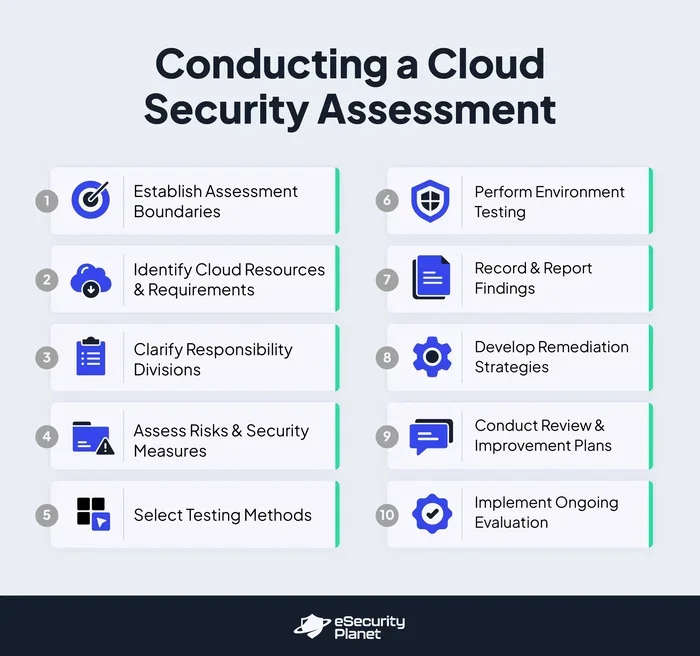
Compliance is not a one-time effort. You need to monitor your cloud environment continuously. Use cloud compliance tools to track configurations, detect anomalies, and generate audit reports. Regular cloud audits help you catch issues before they become serious problems.
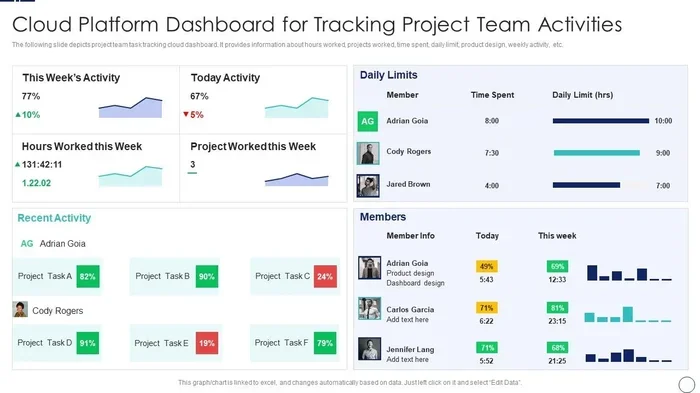
Many modern tools offer real-time dashboards and automated alerts. This makes ongoing monitoring much easier and less time-consuming. Investing in the right tools pays off quickly.
Expert Insights
“The biggest shift we have seen is that compliance is no longer just an IT concern. It is a business-wide responsibility. Leaders who treat compliance in cloud computing as a strategic priority, not a checkbox exercise, are the ones who build lasting trust with their customers.” – Industry Compliance Expert
Experts agree that the most successful compliance programs combine technology, process, and people. Automation handles the repetitive monitoring tasks. Clear processes guide day-to-day decisions. And trained employees serve as the human layer of defense. Together, these three elements create a resilient compliance framework that adapts to new challenges.
Quick Tips for Cloud Compliance Success
- Always encrypt sensitive data before uploading it to the cloud.
- Keep detailed records of your compliance activities.
- Train your team regularly on data handling best practices.
- Review your cloud service agreement at least once a year.
- Use cloud compliance tools to automate monitoring tasks.
- Stay updated on changes to data privacy laws in your region.
Common Mistakes in Cloud Compliance
Even well-intentioned businesses make mistakes when it comes to compliance in cloud computing. Being aware of these pitfalls can save you time, money, and headaches.
Assuming the Provider Handles Everything
This is the biggest mistake of all. Many businesses assume that because they use a reputable cloud provider, they are automatically compliant. That is not true. The shared responsibility model means you must actively manage your own compliance duties. Never treat cloud compliance as someone else’s problem.
Ignoring Data Residency Requirements
Where your data physically resides matters a lot. Some laws require data to stay within specific countries or regions. Storing EU citizen data in a US data center, for example, can violate GDPR. Always check the data residency options of your cloud provider and configure them correctly.
Neglecting Third-Party Risk Management
Your cloud environment likely includes third-party tools and integrations. Each of these introduces additional risk. You need to assess the security compliance of every third-party service you use. A weak link anywhere in your chain can compromise your entire compliance in cloud computing posture.
Failing to Document Everything
Documentation is the backbone of any compliance framework. If you cannot prove that you follow the rules, you are not compliant. Keep records of your risk assessments, audit logs, access reviews, and policy updates. Good documentation saves you during audits and investigations.
Skipping Regular Training
Technology alone cannot ensure compliance. Your employees are the first line of defense. Without proper training, they may fall for phishing attacks or mishandle sensitive data. Regular training sessions on data protection and security best practices are essential.
Conclusion
Compliance in cloud computing is not just a technical requirement. It is a business imperative. From understanding data privacy laws to choosing the right compliance framework, every step you take strengthens your security posture and builds trust with your customers.
The shared responsibility model reminds us that both you and your cloud provider play a role. Use the frameworks and strategies outlined in this guide to create a solid compliance in cloud computing plan. Build your checklist, run regular audits, and stay informed about changing regulatory requirements.
Remember, cloud compliance is an ongoing journey, not a destination. The landscape of industry regulations and cloud security standards will continue to evolve. Stay proactive, stay informed, and your business will be well-positioned to thrive in the cloud.
Frequently Asked Questions
What is compliance in cloud computing and why does it matter?
Compliance in cloud computing means following rules and standards that protect data stored and processed in the cloud. It matters because non-compliance can lead to heavy fines, legal action, and loss of customer trust. Every business that uses cloud services must understand its obligations under data privacy laws and industry regulations.
Which compliance frameworks are most important for cloud users?
The most important frameworks include SOC 2, ISO 27001, GDPR, and HIPAA. Each one addresses different aspects of security compliance and applies to different industries. SOC 2 focuses on trust principles for cloud providers, while GDPR governs data privacy for EU citizens. Choose frameworks based on your industry and the type of data you handle.
What is the shared responsibility model in cloud compliance?
The shared responsibility model divides security duties between the cloud provider and the customer. The provider secures the cloud infrastructure, while the customer is responsible for protecting their data and configurations. Understanding this division is critical for maintaining strong compliance in cloud computing and avoiding security gaps.
How can I build a cloud compliance strategy for my business?
Start by identifying which regulations apply to your business. Choose a cloud provider with strong certifications like SOC 2 and ISO 27001. Create a detailed compliance checklist that covers encryption, access controls, and audit procedures. Use cloud compliance tools to automate monitoring and conduct regular cloud audits to stay on track.
What are the most common cloud compliance mistakes?
The most common mistakes include assuming the provider handles everything, ignoring data residency rules, and failing to document compliance activities. Other errors include neglecting third-party risk management and skipping employee training. These mistakes can lead to serious compliance failures and costly penalties.
How often should I review my cloud compliance posture?
You should review your cloud compliance posture at least every quarter. Regulations change, new threats emerge, and your cloud environment evolves. Regular reviews, combined with continuous monitoring using cloud compliance tools, help you stay compliant and catch issues early. Treat compliance in cloud computing as an ongoing process, not a one-time task.