Cloud Computing Infrastructure Components You Need to Know
Cloud computing infrastructure components are the building blocks that power every cloud service you use daily. This guide breaks down compute, storage, networking, and security elements into simple, easy-to-understand pieces. Whether you are a beginner or a tech enthusiast, you will walk away with clear knowledge of how cloud infrastructure really works.
If you have ever streamed a movie, checked your email, or used an app on your phone, you have already relied on cloud computing infrastructure components. These are the hidden pieces of technology that make it all possible. Yet most people never think about what happens behind the screen.
Cloud computing infrastructure components refer to the hardware, software, and networking elements that work together to deliver services over the internet. Think of them as the engine, wheels, and frame of a car — all working in harmony to get you where you need to go.
In this guide, we will walk through every major piece of cloud infrastructure in plain language. You will learn what each component does, why it matters, and how it all fits together. No tech degree required — just curiosity and a willingness to learn.
Key Takeaways
- Compute resources like virtual machines and containers form the processing backbone of any cloud computing infrastructure.
- Storage systems come in many forms, including object storage, block storage, and file storage, each serving different needs.
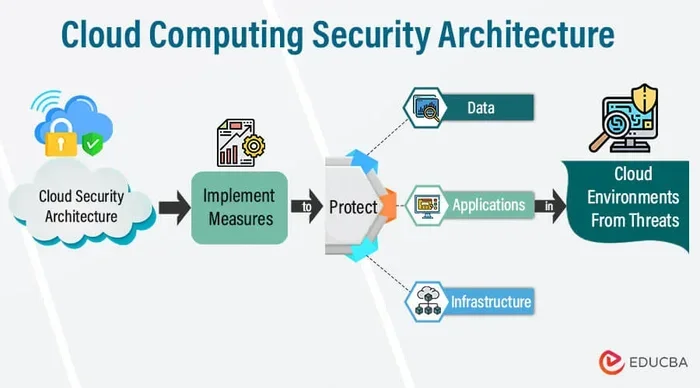
- Networking components such as load balancers, firewalls, and virtual networks keep data moving safely and fast.
- Cloud deployment models — public, private, and hybrid — give businesses flexibility to choose what fits best.
- Security and identity management are critical layers that protect data and control access across cloud platforms.
- Scalability and automation tools like containerization and orchestration make cloud infrastructure truly powerful.
- Future trends like edge computing and AI-driven infrastructure will reshape how we think about cloud architecture.
📑 Table of Contents
What Are Cloud Computing Infrastructure Components?
At its core, cloud computing infrastructure components are the physical and virtual resources that support cloud computing. These include servers, storage devices, networking equipment, and software layers that run on top of them. Together, they create the environment where applications live and run.
Understanding these components helps you make smarter decisions. Whether you are a business owner choosing a cloud provider or a developer building an app, knowing the basics gives you a real advantage. You will be able to talk about cloud architecture with confidence and avoid costly mistakes.
Why This Knowledge Matters
Many people assume cloud technology is too complex to understand. That is simply not true. The building blocks of cloud infrastructure are logical and easy to grasp once someone breaks them down for you. When you understand how cloud computing infrastructure components work, you can better evaluate services, troubleshoot problems, and plan for growth.
For example, knowing the difference between cloud storage and cloud computing can save your business thousands of dollars. You will stop paying for features you do not need and start using the right tools for the right jobs.
Core Components of Cloud Infrastructure
The foundation of any cloud computing infrastructure rests on a few key pillars. Each pillar handles a specific job. Let us explore them one by one.
Compute Resources
Compute resources are the brains of cloud infrastructure. They process data, run applications, and perform calculations. The two most common types are virtual machines and containers.
Virtual machines (VMs) are software versions of physical computers. They run operating systems and applications just like a real computer would. You can spin up a VM in seconds and shut it down just as fast. This scalability is one of the biggest advantages of cloud computing infrastructure components.
Containers take a different approach. They package an application and everything it needs into one lightweight unit. Containers start faster than VMs and use fewer resources. Tools like Docker and Kubernetes make container management easier than ever. If you are building modern applications, containers are a must-know part of cloud infrastructure.
Storage Systems
Cloud storage holds your data safely and makes it accessible from anywhere. There are three main types you should know about.
- Object storage — Great for large files like images, videos, and backups. Think of Amazon S3 or Google Cloud Storage. Data is stored as objects with unique IDs.
- Block storage — Works like a hard drive attached to a server. It offers fast read and write speeds. Databases and applications that need low latency rely on block storage.
- File storage — Organizes data in folders and files, just like your computer’s hard drive. It is perfect for shared file systems where multiple users need access.
Choosing the right storage type depends on your needs. Speed, cost, and access patterns all play a role. Getting this choice right is a big part of understanding cloud computing infrastructure components.
Networking Elements
Cloud networking connects everything together. Without it, your servers, storage, and applications would be isolated islands. Networking components include virtual networks, load balancers, firewalls, and routers.
Load balancers distribute traffic across multiple servers. They ensure no single server gets overwhelmed. This keeps your applications fast and reliable. Firewalls protect your cloud infrastructure from unauthorized access. They filter incoming and outgoing traffic based on security rules.
Virtual private clouds (VPCs) let you create isolated network spaces within a public cloud. This gives you control over your network architecture without managing physical hardware. Cloud networking is what makes cloud deployment flexible and secure.
Types of Cloud Infrastructure Deployment
Not all cloud infrastructure looks the same. How you deploy it depends on your needs, budget, and security requirements. There are three main models.
Public Cloud
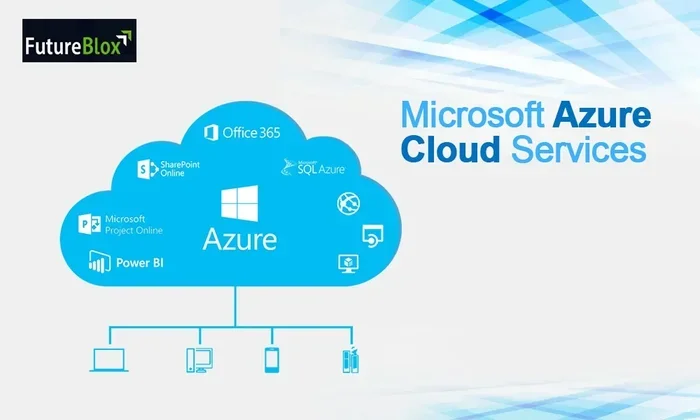
Public cloud services are owned and operated by third-party providers. Companies like Amazon Web Services, Microsoft Azure, and Google Cloud Platform offer these services. You share the underlying hardware with other users, which keeps costs low.
Public cloud is ideal for startups, small businesses, and projects that need rapid scalability. You pay only for what you use. This pay-as-you-go model is one of the main reasons cloud computing infrastructure components have become so popular.
Private Cloud
A private cloud is dedicated to a single organization. It can be hosted on-premises or by a third party. Private clouds offer more control and stronger security. They are common in industries like healthcare, finance, and government.
The downside is cost. You bear the expense of hardware, maintenance, and staffing. But for organizations that need strict data privacy and compliance, a private cloud makes perfect sense.
Hybrid Cloud
Hybrid cloud combines public and private clouds. You keep sensitive data in your private cloud while using the public cloud for less critical workloads. This model gives you the best of both worlds.
Many enterprises now use hybrid cloud strategies. It allows them to scale during peak times without overinvesting in private infrastructure. Hybrid cloud is one of the fastest-growing trends in cloud infrastructure today.
How Cloud Infrastructure Components Work Together
Individual cloud computing infrastructure components are powerful on their own. But their real magic happens when they work together. Think of it like an orchestra — each instrument plays a unique role, but the symphony comes from them playing in harmony.
Here is a simple example of how these components interact:
- A user opens a web application. The request travels through the cloud networking layer.
- A load balancer directs the request to the least busy server.
- The server, powered by compute resources, processes the request.
- The application retrieves data from cloud storage.
- Security tools like firewalls and identity management protect every step.
- The response travels back to the user through the network.
All of this happens in milliseconds. The infrastructure management layer orchestrates everything behind the scenes. Tools like Terraform and Ansible automate the setup and configuration of cloud infrastructure. This automation is what makes modern cloud platforms so efficient and reliable.
Understanding this flow is essential. It shows you why each cloud computing infrastructure component matters and how they depend on one another. When one piece fails, the whole system can be affected. That is why redundancy and disaster recovery planning are so important in cloud architecture.
The Role of Automation and Orchestration
Automation is the secret sauce of modern cloud infrastructure. Instead of manually setting up servers and networks, automation tools handle the work. Infrastructure as Code (IaC) lets you define your entire cloud environment in code files. This makes deployments faster, more consistent, and less error-prone.
Orchestration tools like Kubernetes manage containers at scale. They handle scheduling, scaling, and health checks automatically. Together, automation and orchestration turn cloud computing infrastructure components into a self-managing system that can adapt to changing demands.
Choosing the Right Cloud Infrastructure for Your Needs
With so many options available, choosing the right cloud infrastructure can feel overwhelming. But it does not have to be. A few key questions can guide your decision.
Ask Yourself These Questions
- What is your budget? — Public cloud offers low upfront costs. Private cloud requires more investment but gives you full control.
- How much control do you need? — If you need strict control over hardware and software, consider private cloud or on-premises infrastructure.
- What are your security requirements? — Industries with strict compliance rules may benefit from private cloud or hybrid cloud setups.
- How fast do you need to scale? — Public cloud excels at rapid scalability. You can add resources in minutes.
- Do you have in-house expertise? — Managing cloud infrastructure requires technical skills. If your team lacks experience, managed services from cloud providers can help.
There is no one-size-fits-all answer. The best cloud computing infrastructure components setup is the one that matches your specific goals and constraints. Start small, test different approaches, and grow as you learn.
Quick Tips for Getting Started
- Start with a public cloud provider like AWS, Azure, or Google Cloud to learn the basics.
- Use free tier offers to experiment without spending money.
- Focus on infrastructure management tools early — they save time and reduce errors.
- Document your cloud architecture decisions so your team stays aligned.
- Monitor costs regularly to avoid unexpected bills.
Future Trends in Cloud Computing Infrastructure
The world of cloud infrastructure is always evolving. New technologies are reshaping how we build and manage cloud computing infrastructure components. Here are some trends to watch.
Edge Computing
Edge computing brings processing closer to where data is generated. Instead of sending everything to a central data center, edge devices handle tasks locally. This reduces latency and improves performance. It is especially useful for IoT devices, autonomous vehicles, and real-time applications.
AI-Driven Infrastructure
Artificial intelligence is starting to play a bigger role in cloud infrastructure management. AI tools can predict traffic patterns, optimize resource usage, and detect security threats automatically. This makes cloud platforms smarter and more efficient over time.
Containerization and Serverless Computing
Containerization continues to grow as the preferred way to deploy applications. Serverless computing takes it even further by removing the need to manage any servers at all. You just write code, and the cloud provider handles everything else. These trends are making cloud architecture more flexible and cost-effective.
Sustainability in Cloud Infrastructure
Green cloud computing is becoming a priority. Major providers are investing in renewable energy and efficient data centers. As a user of cloud services, choosing providers committed to sustainability can reduce your environmental impact.
The future of cloud computing infrastructure components is exciting and full of possibility. Staying informed about these trends will help you make better decisions today and tomorrow.
Conclusion
Cloud computing infrastructure components are the foundation of everything we do online. From compute resources and storage systems to networking elements and security tools, each piece plays a vital role. Understanding these components empowers you to make smarter choices, whether you are running a business or building the next great app.
The beauty of cloud infrastructure is its flexibility. You can start small and grow as your needs change. You can choose between public cloud, private cloud, or hybrid cloud depending on your situation. And with automation and AI making cloud platforms more powerful every day, the possibilities are endless.
Take what you have learned here and start exploring. Try a free tier account, experiment with different cloud services, and see how cloud computing infrastructure components come alive in practice. The more you learn, the more confident you will become in navigating the cloud computing world.
Frequently Asked Questions
What are the main cloud computing infrastructure components?
The main components include compute resources, storage systems, networking elements, and security tools. Together, these form the foundation of any cloud infrastructure. Each component handles a specific job, and they all work together to deliver reliable cloud services.
How do I choose the right cloud deployment model?
Consider your budget, security needs, and scalability requirements. Public cloud is cost-effective and highly scalable. Private cloud offers more control and stronger security. Hybrid cloud combines the benefits of both. Evaluate your priorities and choose the model that fits best.
What is the difference between virtualization and containerization?
Virtualization creates full virtual machines with their own operating systems. Containerization packages applications in lightweight, shared environments. Containers start faster and use fewer resources. Both are key cloud computing infrastructure components used in modern cloud platforms.
Why is networking important in cloud infrastructure?
Cloud networking connects servers, storage, and applications. It ensures data flows smoothly and securely. Components like load balancers and firewalls keep your cloud infrastructure fast and protected. Without strong networking, your cloud architecture cannot perform well.
Can small businesses benefit from cloud infrastructure?
Absolutely. Cloud computing infrastructure components allow small businesses to access powerful technology without large upfront costs. Scalability means you grow only as fast as you need. Many cloud providers offer free tiers and affordable plans designed for small teams.
What role does automation play in cloud infrastructure?
Automation handles repetitive tasks like server setup and configuration. Tools like Terraform and Kubernetes manage cloud infrastructure through code. This reduces human error, saves time, and makes cloud deployment faster and more reliable.