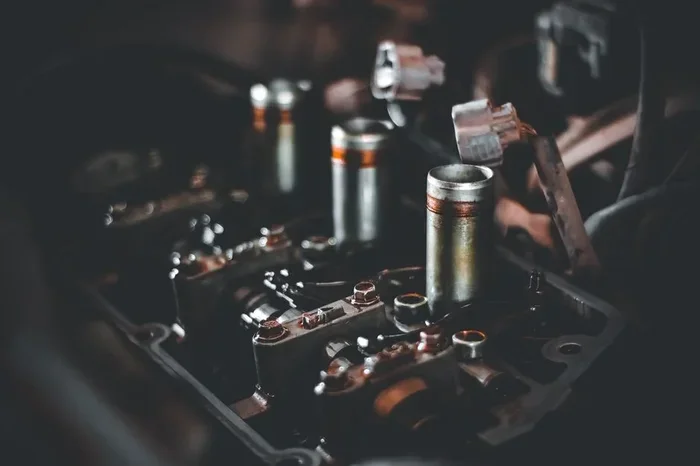
Will A Bad PCV Valve Cause Smoke On Engine Startup
Yes, a bad PCV valve can absolutely cause smoke on startup. When the PCV valve malfunctions, it disrupts crankcase ventilation and pushes oil vapor into the combustion chamber. This leads to blue or white smoke on engine startup, along with rough idling, oil leaks, and reduced engine performance. Catching the problem early can save you from costly repairs and keep your vehicle running smoothly.
You turn the key, and your car coughs out a cloud of smoke. It clears after a few seconds, but the sight is unsettling. You wonder, what went wrong? One of the most overlooked culprits is a bad PCV valve. Yes, a simple valve can cause smoke on startup and a host of other engine problems. Let us break down exactly how this happens and what you can do about it.
The PCV valve, or Positive Crankcase Ventilation valve, is a small but mighty part of your engine. It manages crankcase pressure and redirects harmful gases back into the combustion chamber. When it fails, those gases have nowhere to go but up and out. The result? Smoke on engine startup, oil consumption, and a frustrated car owner. This guide will walk you through everything you need to know.
Key Takeaways
- A faulty PCV valve is a common cause of smoke on startup: It allows oil vapor to enter the combustion chamber and burn off when you turn the key.
- Blue smoke usually signals oil burning: This happens when the PCV valve fails to regulate crankcase pressure properly.
- Other symptoms include rough idle, oil leaks, and check engine lights: These signs help you catch the problem early.
- Testing the PCV valve is simple and free: You can do it at home with basic tools and a few minutes of your time.
- Replacing a bad PCV valve is affordable: Most repairs cost between $50 and $150, including parts and labor.
- Regular maintenance prevents PCV valve failure: Simple inspection intervals can extend the life of your engine.
📑 Table of Contents
- What Does a PCV Valve Do?
- How a Bad PCV Valve Causes Smoke on Startup
- Types of Smoke and What They Mean
- Other Symptoms of a Failing PCV Valve
- How to Test Your PCV Valve
- Fixing or Replacing a Bad PCV Valve
- Preventing PCV Valve Problems
- Common Mistakes People Make with PCV Valve Issues
- Expert Insight: The Connection Between PCV Valve and Engine Health
- Key Takeaways
- Conclusion
What Does a PCV Valve Do?
Your engine produces blowby gases every time it runs. These gases are byproducts of combustion that leak past the piston rings into the crankcase. Without a PCV valve, those gases would build up and cause serious pressure problems. The valve acts as a one-way passage that vents these gases back into the intake manifold.
Think of it as a recycling system. Instead of releasing harmful fumes into the atmosphere, the PCV valve sends them back for re-burn. This process also helps maintain proper crankcase pressure. When the valve works correctly, your engine runs cleaner and more efficiently. When it fails, things go downhill fast.
How the PCV Valve Works
Here is a simple breakdown of the process. First, your engine creates a vacuum in the intake manifold. That vacuum pulls air through the crankcase. As the air moves, it carries blowby gases with it. The PCV valve regulates this flow to prevent too much or too little air from entering.
If the valve gets stuck open, too much air enters the system. This creates a vacuum leak that can cause rough idle and poor fuel economy. If it gets stuck closed, pressure builds up in the crankcase. That pressure pushes oil past seals and gaskets, leading to leaks and exhaust smoke.
How a Bad PCV Valve Causes Smoke on Startup
Now let us get to the heart of the matter. Will a bad PCV valve cause smoke on startup? The short answer is yes. Here is exactly what happens inside your engine when the valve goes bad.
When the PCV valve fails, it can no longer regulate crankcase ventilation properly. Oil vapor accumulates in the crankcase with nowhere to go. Over time, this vapor pushes past the valve cover gasket and other seals. On startup, that oil vapor enters the combustion chamber and burns immediately. The result is a puff of blue or gray smoke that usually clears within a few seconds.
In worse cases, a stuck-open PCV valve pulls too much oil into the intake manifold. This creates a rich fuel mixture that produces black smoke on startup. A stuck-closed valve, on the other hand, causes pressure buildup that forces oil into the combustion chamber. Either way, you end up with visible smoke when you first start the engine.
Why the Smoke Appears Mostly on Startup
You might notice that the smoke is worst when you first turn the key. This happens because the engine sits idle overnight. During this time, oil vapor collects in the crankcase and around the valve seals. When you start the engine, the sudden vacuum pulls all that accumulated vapor into the cylinders. It burns off quickly, which is why the smoke usually disappears after a minute or two.
If the PCV valve is functioning properly, it would continuously remove this vapor. But a faulty valve lets it sit and accumulate. That is why the smoke is most noticeable during the first few moments after startup.
Types of Smoke and What They Mean
Not all smoke is the same. The color and texture of the exhaust can tell you a lot about what is going on inside your engine. Here is a quick guide to help you decode what your car is trying to tell you.
Blue or blue-gray smoke on startup is the most common sign of a bad PCV valve. This indicates that oil is burning in the combustion chamber. The oil comes from blowby gases that the valve should have redirected. If you see blue smoke that clears quickly, a PCV valve issue is a likely suspect.
White smoke can be trickier. Light white vapor on a cold morning is often just condensation and is completely normal. However, thick white smoke that persists could mean coolant is entering the combustion chamber. This points to a blown head gasket rather than a PCV valve problem. It is important to tell the difference.
Black smoke usually signals a rich fuel mixture. A stuck-open PCV valve can cause this by pulling excess oil into the intake. The engine then burns more fuel than it needs, producing dark, smoky exhaust. If you notice black smoke on startup, check your PCV valve first before assuming it is a fuel injection problem.
| Smoke Color | Likely Cause | Severity |
|---|---|---|
| Blue or gray | Oil burning from PCV valve failure | Moderate |
| White (persistent) | Coolant leak, possibly blown head gasket | High |
| Black | Rich fuel mixture from stuck-open PCV valve | Moderate |
| Clear vapor | Condensation (normal in cold weather) | Low |
Other Symptoms of a Failing PCV Valve
Smoke on startup is not the only warning sign. A failing PCV valve shows up in several other ways. Catching these symptoms early can prevent more serious engine damage.
- Rough idle or stalling: A stuck-open valve creates a vacuum leak that disrupts the air-fuel mixture. Your engine may shake or stall at idle.
- Oil leaks around the engine: Excess crankcase pressure pushes oil past gaskets and seals. You might notice oil pooling under the car or around the valve cover gasket.
- Increased oil consumption: If you are topping off oil more often than usual, the PCV valve might be pulling oil into the intake system.
- Check engine light: A faulty PCV valve can trigger error codes related to fuel mixture or emission control systems.
- Sludge buildup inside the engine: Without proper ventilation, moisture and contaminants accumulate in the crankcase. This leads to harmful sludge that can clog oil passages.
- Reduced fuel economy: A disrupted air-fuel mixture causes the engine to work harder and burn more fuel.
Can a Bad PCV Valve Cause Engine Misfire?
Yes, it can. When the PCV valve fails, it can create an imbalanced air-fuel mixture. This imbalance can cause one or more cylinders to misfire. You might feel a jerking sensation during acceleration or notice a lack of power. If left unchecked, prolonged misfires can damage the catalytic converter and other expensive components.
How to Test Your PCV Valve
Good news. Testing a PCV valve is simple, fast, and costs nothing. You do not need a mechanic or fancy tools. Here is how you can check it yourself at home.
- Locate the PCV valve: It is usually found on top of the engine, connected to the valve cover and intake manifold. Check your owner’s manual if you are unsure.
- Remove the valve: Carefully pull it out of its grommet. Be gentle to avoid damaging the surrounding components.
- Shake the valve: A working PCV valve should rattle when you shake it. If it does not rattle, the valve is stuck and needs replacement.
- Check for vacuum: With the engine running, pull the valve out and hold your finger over the end. You should feel a strong vacuum pull. No vacuum means the valve is not functioning.
- Inspect for oil contamination: Look at the valve for signs of oil sludge or residue. Heavy buildup indicates that the valve has been failing for some time.
Quick Tips for Testing
- Always test the valve with the engine running for accurate vacuum readings.
- If your car has a rubber grommet, inspect it for cracks or damage while you are at it.
- Do not use excessive force when removing the valve. It can break and make the repair more complicated.
Fixing or Replacing a Bad PCV Valve
If your tests confirm that the PCV valve is faulty, do not delay the repair. Replacing it is one of the most affordable and straightforward maintenance jobs you can do. Whether you handle it yourself or visit a mechanic, the process is quick and painless.
DIY Replacement Steps
- Purchase the correct PCV valve for your vehicle model. Check your owner’s manual or ask at the auto parts store.
- Disconnect the rubber hose attached to the valve.
- Remove the old valve from the grommet by pulling it straight out.
- Inspect the grommet for cracks or wear. Replace it if needed.
- Insert the new valve and reconnect the hose.
- Start the engine and listen for smooth operation.
Cost breakdown: A new PCV valve typically costs between $10 and $40 for the part. If you take it to a shop, labor adds about $30 to $80. Most repairs fall in the $50 to $150 range total. Compare that to the cost of replacing a catalytic converter or fixing engine damage caused by prolonged neglect.
When to See a Mechanic
While replacing a PCV valve is straightforward, some situations warrant professional help. If you notice excessive oil consumption after replacement, there may be a deeper issue with your piston rings or valve seals. Similarly, if the check engine light stays on after the fix, a diagnostic scan can reveal underlying problems that need expert attention.
Preventing PCV Valve Problems
Prevention is always better than repair. A few simple habits can keep your PCV valve working properly and extend the life of your engine.
- Follow your maintenance schedule: Regular oil changes prevent sludge buildup that can clog the PCV valve and related passages.
- Use quality oil: High-quality engine oil resists sludge formation and keeps the crankcase ventilation system clean.
- Inspect the valve during routine services: Ask your mechanic to check the PCV valve during every oil change or major service interval.
- Address oil leaks promptly: Oil leaks can introduce contaminants into the crankcase ventilation system and accelerate valve failure.
- Do not ignore early symptoms: Rough idle, slight smoke on startup, or increased oil consumption are early warnings. Address them before they escalate.
How Often Should You Replace the PCV Valve?
There is no set mileage for PCV valve replacement. However, most vehicles benefit from inspection every 30,000 miles. Some valves last the lifetime of the vehicle, while others fail at 50,000 or 60,000 miles. Driving conditions matter too. Cars driven in stop-and-go traffic or dusty environments may experience faster wear on the PCV valve and related emission control components.
Common Mistakes People Make with PCV Valve Issues
Many car owners make mistakes when dealing with PCV valve problems. Avoiding these pitfalls can save you time and money.
Mistake 1: Ignoring the smoke. Some drivers assume smoke on startup is normal and do nothing. Over time, a bad PCV valve can cause oil contamination in the spark plugs, fouled ignition coils, and even engine damage.
Mistake 2: Replacing parts without testing. Blue smoke on startup can also come from worn valve seals or damaged piston rings. Replacing the PCV valve without proper diagnosis wastes money and does not fix the real problem.
Mistake 3: Using cheap replacement parts. A low-quality PCV valve may fail within months. Invest in a reputable brand or OEM part to ensure longevity and proper function.
Mistake 4: Forgetting to check the hoses. The rubber hoses connected to the PCV valve can crack or collapse over time. Replacing the valve but leaving a damaged hose means the problem will return.
Mistake 5: Assuming it is always the PCV valve. Other issues like a clogged breather element or a failing turbocharger seal can produce similar symptoms. Always perform a full diagnosis before committing to a repair.
Expert Insight: The Connection Between PCV Valve and Engine Health
According to automotive experts, the PCV valve is one of the most neglected maintenance items on modern vehicles. Yet it plays a critical role in emission control and engine longevity. A well-functioning valve keeps the crankcase clean, prevents pressure buildup, and reduces harmful exhaust emissions.
Mechanics often see vehicles with severe engine problems that trace back to a simple PCV valve failure. What starts as mild smoke on startup can turn into sludge buildup, oil contamination, and eventual engine wear. The fix is always simple when caught early. The cost skyrockets when ignored.
One experienced technician shared this insight: “I have seen cars with 150,000 miles run perfectly just because the owner replaced a $15 PCV valve. And I have seen engines rebuilt because nobody paid attention to a little blue smoke on startup.”
Key Takeaways
- A faulty PCV valve is a common cause of smoke on startup: It allows oil vapor to enter the combustion chamber and burn off when you turn the key.
- Blue smoke usually signals oil burning: This happens when the PCV valve fails to regulate crankcase pressure properly.
- Other symptoms include rough idle, oil leaks, and check engine lights: These signs help you catch the problem early.
- Testing the PCV valve is simple and free: You can do it at home with basic tools and a few minutes of your time.
- Replacing a bad PCV valve is affordable: Most repairs cost between $50 and $150, including parts and labor.
- Regular maintenance prevents PCV valve failure: Simple inspection intervals can extend the life of your engine.
Conclusion
So, will a bad PCV valve cause smoke on startup? The answer is a clear and definitive yes. A malfunctioning PCV valve disrupts crankcase ventilation, allows oil vapor into the combustion chamber, and produces visible exhaust smoke the moment you turn the key. Whether the smoke is blue, black, or white, it is your engine telling you something needs attention.
The good news is that this is one of the easiest and most affordable problems to fix. A simple PCV valve replacement can resolve the smoke, restore proper engine performance, and prevent more serious damage down the road. Do not ignore the signs. Test your valve, replace it if needed, and keep your engine breathing clean.
Take action today. Your car will thank you with smoother starts, better fuel economy, and fewer trips to the repair shop. A small fix now saves big headaches later.
Frequently Asked Questions
Can a bad PCV valve cause smoke on startup even if the engine is not old?
Absolutely. Age is not the only factor. A PCV valve can fail due to oil contamination, sludge buildup, or simply wear and tear regardless of the vehicle’s age. Even newer cars can develop smoke on startup from a faulty valve.
Is it safe to drive with a bad PCV valve?
Short trips are usually okay, but prolonged driving with a bad PCV valve can cause oil consumption, rough idle, and potential engine damage. It is best to address the issue as soon as possible to avoid more costly repairs.
How much does it cost to replace a PCV valve?
Most replacements cost between $50 and $150 total. The part itself ranges from $10 to $40, and labor at a shop adds $30 to $80. DIY replacement can save you the labor cost entirely.
Can a clogged PCV valve cause the same symptoms as a bad one?
Yes. A clogged or stuck valve produces nearly identical symptoms, including smoke on startup, rough idle, and oil leaks. The key difference is that a clogged valve may still partially function, while a completely bad valve does not work at all.
Will replacing the PCV valve fix all blue smoke on startup?
In most cases, yes. If the blue smoke is caused by a faulty PCV valve, replacement will resolve the issue. However, if the smoke persists, the problem may involve valve seals, piston rings, or other internal engine components that need further diagnosis.
How often should I inspect my PCV valve?
Inspect the PCV valve every 30,000 miles or during your regular oil change. This simple check can catch problems early and keep your crankcase ventilation system working at peak efficiency.