Introduction to Cloud Computing Online Course Made Easy
The introduction to cloud computing online course is the perfect starting point for anyone wanting to learn about cloud technology from scratch. This guide covers what cloud computing is, why online learning works so well, and what topics you will master along the way. You will also explore top platforms like AWS, Microsoft Azure, and Google Cloud Platform to find the best fit for your goals.
Have you ever wondered how companies like Netflix, Spotify, and Airbnb store and manage their massive amounts of data? The answer is cloud computing. And if you have been curious about this exciting field, the introduction to cloud computing online course is the best place to begin your journey. In this guide, we will walk you through everything you need to know, from the basics to choosing the right course for your goals.
Cloud technology has transformed the way businesses operate. It powers everything from email services to complex data analytics. Whether you want to switch careers, boost your current job skills, or simply understand how the digital world works, learning about cloud computing fundamentals opens up a world of possibilities. The best part? You do not need a tech background to get started.
Key Takeaways
- Cloud computing basics are easy to learn: Anyone can start with the right beginner-friendly course and clear guidance.
- Online courses offer flexibility: You can study at your own pace from anywhere in the world.
- Three major cloud platforms dominate the market: AWS, Azure, and Google Cloud each have unique strengths.
- Career opportunities are growing fast: Cloud skills are in high demand across every industry.
- Choosing the right course matters: Look for hands-on labs, certifications, and beginner-friendly content.
- Avoid common mistakes: Skip the overwhelm by focusing on one platform first and building a strong foundation.
📑 Table of Contents
- What Is Cloud Computing?
- Why an Introduction to Cloud Computing Online Course Matters
- What You Will Learn in a Cloud Computing Course
- Comparing Popular Cloud Platforms
- How to Pick the Best Course for Beginners
- Cloud Computing Career Paths and Opportunities
- Common Mistakes to Avoid When Starting Your Cloud Journey
- Conclusion
What Is Cloud Computing?
Understanding Cloud Computing in Simple Terms
At its core, cloud computing means using remote servers on the internet to store, manage, and process data instead of your own computer or local server. Think of it like renting storage space online rather than buying your own hard drives. When you save photos on Google Drive or stream movies on Netflix, you are already using the cloud every day.
The cloud computing definition might sound technical, but the idea is simple. Instead of running programs or storing files on your personal device, you access them through the internet. Companies like Amazon, Microsoft, and Google own huge data centers around the world, and they rent out computing power to businesses and individuals.
How Cloud Technology Works Behind the Scenes
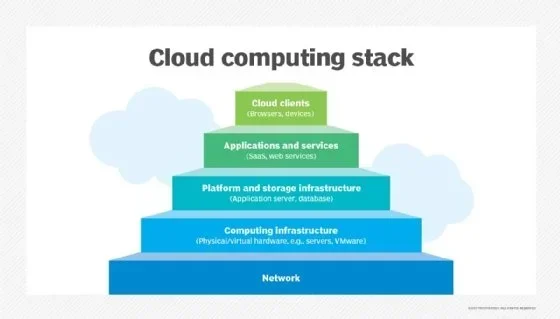
Virtualization is the magic behind cloud computing. It creates a virtual version of a computer, server, or storage device. This lets one physical machine run multiple virtual systems at the same time. That is why cloud services can scale so quickly and efficiently.
Here is a simple way to think about it. Imagine a big apartment building. Each apartment is like a virtual machine. Many people share the same building (the physical server), but each person has their own private space. Cloud deployment works similarly, with resources shared and allocated based on demand.
Quick Tips
- Cloud services come in three main types: SaaS (Software as a Service), PaaS (Platform as a Service), and IaaS (Infrastructure as a Service).
- Cloud storage lets you save files online and access them from any device with internet.
- Scalability means you can increase or decrease resources based on your needs.
Why an Introduction to Cloud Computing Online Course Matters
The Benefits of Learning Cloud Skills Online
Taking an introduction to cloud computing online course gives you the freedom to learn from anywhere. You do not need to commute to a classroom or rearrange your schedule. All you need is a laptop and a reliable internet connection. This makes online learning one of the most accessible ways to build new digital skills.
Online courses also let you learn at your own pace. If you need extra time to understand a concept, you can pause and rewatch the material. If you already know something, you can skip ahead. This personalized approach makes cloud computing for beginners much less intimidating.
Who Should Take a Beginner Cloud Course?
Cloud computing for beginners is designed for anyone curious about technology. This includes:
- Career changers looking to enter the tech industry
- IT professionals who want to upgrade their skills
- Students exploring IT skills for future jobs
- Entrepreneurs who want to understand how to scale their businesses
- Tech enthusiasts who simply love learning about new technology
No matter your background, an introduction to cloud computing online course meets you where you are. The content is structured to take you from zero knowledge to a solid understanding of cloud technology and its real-world applications.
Expert Insight
“The cloud is not just a trend. It is the backbone of modern computing. Every industry needs cloud professionals, and the demand will only grow in the coming years.” — Industry Expert
What You Will Learn in a Cloud Computing Course
Core Topics Covered in a Solid Course
A well-designed introduction to cloud computing online course covers a wide range of topics. Here is what you can typically expect to learn:
- Cloud computing fundamentals: Understand the basic concepts, history, and models of cloud computing.
- Types of cloud services: Learn the differences between SaaS, PaaS, and IaaS with real-world examples.
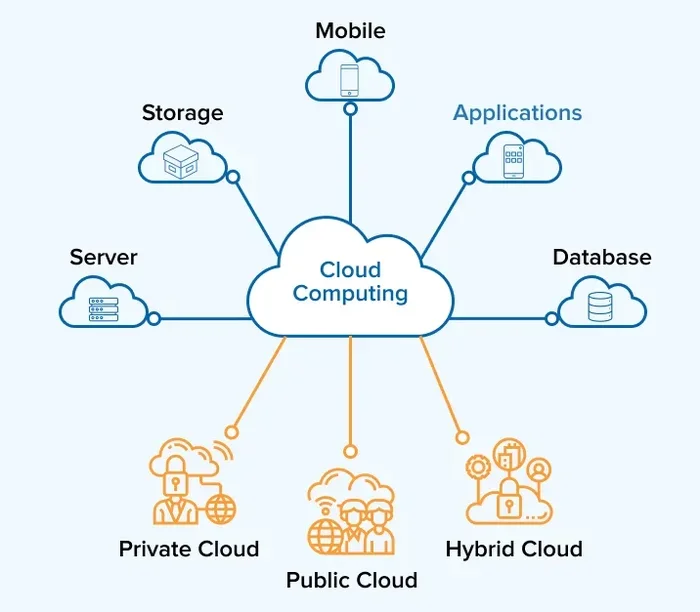
- Cloud deployment models: Explore public, private, and hybrid cloud setups.
- Cloud storage and databases: Discover how data is stored and managed in the cloud.
- Cloud security basics: Understand how your data stays safe in cloud environments.
- Introduction to major platforms: Get hands-on experience with AWS, Azure, and Google Cloud.
Hands-On Labs and Practical Projects
The best courses include hands-on labs where you get to practice what you learn. These labs let you create virtual machines, set up storage buckets, and deploy simple applications. This practical experience is invaluable because it bridges the gap between theory and real-world use.
Common mistakes beginners make include skipping the hands-on labs and only watching videos. To truly understand cloud architecture, you need to get your hands dirty. Set aside time each week to practice in a lab environment. It makes a huge difference.
Comparing Popular Cloud Platforms
When you start your introduction to cloud computing online course, you will likely encounter the three major cloud providers. Each platform has its own strengths, and understanding them helps you choose the right one to focus on first.
| Feature | AWS | Microsoft Azure | Google Cloud Platform |
|---|---|---|---|
| Market Share | Largest globally | Strong in enterprise | Growing rapidly |
| Best For | Variety of services | Microsoft ecosystem users | Data analytics and AI |
| Free Tier | 12 months free | 12 months free | Always free tier |
| Certifications | AWS Certified | Azure Certified | Google Cloud Certified |
| Ease for Beginners | Moderate | Good for Windows users | Very beginner-friendly |
AWS certification is one of the most recognized credentials in the industry. Microsoft Azure is a great choice if you already work with Windows-based systems. Google Cloud Platform shines in data analytics and machine learning. Many professionals learn all three over time, but starting with one is the smartest approach.
Quick Tips
- Start with one platform: Pick AWS, Azure, or Google Cloud and go deep before branching out.
- Use the free tier: All three platforms offer free credits or always-free services for practice.
- Practice regularly: Even 30 minutes a day of hands-on work builds confidence fast.
How to Pick the Best Course for Beginners
Key Factors to Consider
Not all introduction to cloud computing online course options are created equal. Here are the factors that matter most when making your choice:
- Course content quality: Look for courses that cover cloud computing fundamentals clearly and comprehensively.
- Hands-on practice: The best courses include labs, projects, and real-world simulations.
- Certification preparation: If you want a credential, choose a course that aligns with AWS certification or similar exams.
- Instructor experience: Pick courses taught by industry professionals with real cloud experience.
- Community support: Look for courses with active forums, discussion groups, or mentorship options.
- Price and value: Compare what you get for the price. Some excellent courses are even free.
Popular Platforms Offering Cloud Courses
Several platforms offer high-quality cloud computing for beginners courses. Coursera, Udemy, LinkedIn Learning, and the cloud providers themselves all have strong options. Many courses also offer remote learning with flexible schedules, making it easy to fit studying into your daily routine.
When evaluating courses, read reviews from other learners. Pay attention to comments about course difficulty, instructor clarity, and whether the hands-on labs actually work well. These details tell you a lot about the quality of the online learning experience.
Cloud Computing Career Paths and Opportunities
Jobs You Can Pursue with Cloud Skills
One of the most exciting reasons to take an introduction to cloud computing online course is the career potential. Cloud computing careers are booming, and the demand shows no signs of slowing down. Here are some roles you can pursue:
- Cloud Architect: Designs and manages cloud infrastructure for organizations.
- Cloud Engineer: Builds, maintains, and optimizes cloud systems.
- DevOps Engineer: Bridges the gap between development and operations using cloud tools.
- Cloud Security Specialist: Focuses on protecting cloud environments and data.
- Solutions Architect: Helps businesses choose and implement the right cloud solutions.
- Cloud Consultant: Advises organizations on their cloud strategy and migration.
Salary Expectations and Growth
Cloud computing salaries are among the highest in the tech industry. Entry-level cloud roles often start above average tech salaries, and senior positions can reach six figures or more. As businesses continue to migrate to the cloud, the need for skilled professionals only grows.
Building IT skills through a solid introduction to cloud computing online course gives you a competitive edge. Even if you are not aiming for a full career change, cloud knowledge makes you more valuable in your current role. Many professionals add cloud skills to their resume and see immediate benefits in their job prospects.
Expert Insight
“Employers look for candidates who can demonstrate hands-on cloud experience. A good course with labs and projects will set you apart from others who only have theoretical knowledge.” — Cloud Industry Recruiter
Building a Strong Foundation for Long-Term Success
Learning about cloud technology is not a one-time event. It is an ongoing journey. After completing your beginner course, consider pursuing cloud certification paths like AWS Certified Cloud Practitioner or Microsoft Azure Fundamentals. These credentials validate your skills and make your resume stand out.
Stay curious and keep building. The cloud landscape evolves constantly, with new services and features launching all the time. Professionals who stay updated and keep learning will always have an advantage in this field.
Common Mistakes to Avoid When Starting Your Cloud Journey
Starting something new can feel overwhelming, and cloud computing is no exception. Here are some pitfalls to watch out for:
- Trying to learn everything at once: Focus on one platform and one topic at a time. Master the basics before moving to advanced concepts.
- Ignoring hands-on practice: Watching videos alone will not build real skills. Always practice what you learn in a lab environment.
- Skipping the fundamentals: Jumping into advanced topics without understanding cloud computing basics will hold you back.
- Not using the free tier: All major platforms offer free resources. Use them to practice without spending money.
- Choosing the wrong course: Not all courses are equal. Invest time in reading reviews and checking the course curriculum before committing.
Avoiding these common mistakes will save you time, money, and frustration. The key is to stay patient, practice consistently, and enjoy the learning process.
Conclusion
The introduction to cloud computing online course is your gateway to one of the most in-demand skill sets in the tech world today. From understanding cloud computing fundamentals to exploring major platforms like AWS, Azure, and Google Cloud, you now have a clear roadmap to get started. The beauty of online learning is that you can begin right now, at your own pace, from anywhere in the world.
Remember, every expert was once a beginner. The cloud computing for beginners path is designed to be approachable and rewarding. Focus on building a strong foundation, practice regularly, and do not be afraid to make mistakes. They are part of the learning process.
So what are you waiting for? Choose a course, set up your learning schedule, and take that first step into the world of cloud technology. Your future self will thank you. The cloud is waiting, and your journey starts today.
Frequently Asked Questions
What is an introduction to cloud computing online course?
An introduction to cloud computing online course is a beginner-friendly program that teaches the basics of cloud technology, including how cloud services work, the major platforms available, and practical skills you can use right away. These courses are designed for people with little or no prior experience.
How long does it take to complete a cloud computing beginner course?
Most cloud computing for beginners courses take between 4 to 8 weeks if you study a few hours per week. However, many courses are self-paced, so you can finish faster or take more time depending on your schedule and learning style.
Do I need a technical background to start learning cloud computing?
No, you do not need a technical background. The best introduction to cloud computing online course options start from the very basics and explain everything in simple terms. Basic computer skills and internet familiarity are all you need to get started.
Which cloud platform should I learn first?
AWS is the most popular choice for beginners because of its market share and wide range of learning resources. However, if you already use Microsoft products, Azure might be a better fit. Google Cloud Platform is also excellent for those interested in data and analytics.
Can I get a job in cloud computing after a beginner course?
A beginner course gives you a solid foundation, but most cloud computing careers require additional practice and often a cloud certification. Use your beginner course as a stepping stone, then pursue certifications and hands-on projects to boost your employability.
Are free cloud courses worth taking?
Yes, many free cloud computing courses offer excellent content, especially for learning the basics. Platforms like AWS Free Tier, Google Cloud Skills Boost, and Microsoft Learn provide free resources that are perfect for getting started with cloud technology without any financial investment.