Why Your Timing Belt Squeals on Startup and How to Fix It
A timing belt squeal on startup is a common issue that many car owners face. The sound usually comes from a worn belt, a loose tensioner, or misaligned pulleys. Ignoring this noise can lead to serious engine damage over time. In this guide, we walk you through the top causes, easy fixes, and when to call a mechanic. Understanding your timing belt helps you keep your engine running smooth and quiet.
That high-pitched squeal you hear when you turn the key can be really annoying. It grabs your attention every single morning. Most drivers assume it is just a normal engine sound. But a timing belt squeal on startup is your car trying to tell you something important.
The timing belt plays a huge role in how your engine runs. It connects the crankshaft to the camshaft. This sync keeps your pistons and valves moving in perfect time. When the belt starts to wear out, it squeals. The noise is especially loud during a cold start. Many people ignore it. That is a mistake.
In this article, we break down every reason your timing belt might be squealing. We also cover practical fixes you can try at home. You will learn when a simple adjustment works and when you need a full timing belt replacement. By the end, you will know exactly what to do. Let us dive in.
Key Takeaways
- Worn or cracked belts are the number one cause of squealing on startup.
- Belt tensioner problems can create slack that leads to noise and slippage.
- Cold starts make the squeal worse because rubber stiffens in low temperatures.
- Replacing a timing belt early saves you from costly engine repairs down the road.
- Pulley alignment matters a lot for belt longevity and quiet operation.
- DIY fixes work for minor issues like lubrication or tension adjustment.
- Regular engine maintenance keeps your timing belt healthy for years.
📑 Table of Contents
- What Is a Timing Belt and Why Does It Squeal?
- Top Causes of Timing Belt Squeal on Startup
- How to Diagnose the Squeal Yourself
- How to Fix a Squealing Timing Belt
- Common Mistakes People Make with Timing Belt Squeal
- When to See a Professional Mechanic
- How to Prevent Timing Belt Squeal in the Future
- Timing Belt vs Serpentine Belt: What Is the Difference?
- Understanding the Cost of Timing Belt Repairs
- Key Takeaways
- Conclusion
What Is a Timing Belt and Why Does It Squeal?
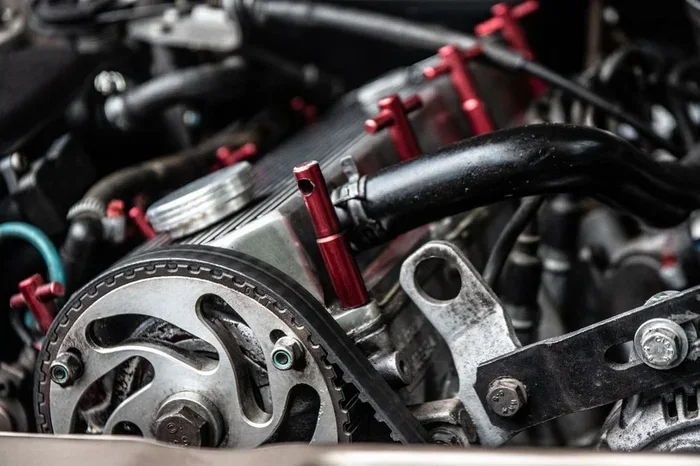
The timing belt is a strong rubber band inside your engine. It has teeth that grip the gears on the crankshaft and camshaft. These teeth make sure the valves open and close at the right time. Without the belt, your engine simply would not run.
How the Timing Belt Works
When you start your car, the crankshaft spins first. The timing belt transfers that motion to the camshaft. The camshaft then opens the valves. Air and fuel flow into the cylinders. The pistons move up and down. All of this happens in milliseconds. The belt must be tight and in good shape for this to work smoothly.
A loose or worn belt slips on the pulleys. That slipping creates the squealing sound. The noise is especially noticeable on a cold start. Cold rubber is stiffer and less flexible. It loses grip more easily when it is cold. This is why you hear the squeal most when you first turn the key in the morning.
Top Causes of Timing Belt Squeal on Startup
Several things can make your timing belt squeal. Some causes are simple and cheap to fix. Others need more attention. Let us look at the most common reasons.
1. Worn or Cracked Belt
Over time, the rubber on your timing belt breaks down. Heat and friction wear away the surface. Small cracks start to form. The belt loses its grip on the pulleys. This is the most common reason for a squealing noise during startup.
Most timing belts last between 60,000 and 100,000 miles. After that, the rubber becomes brittle. Even if the belt looks okay on the outside, the inner fibers may be weak. A visual inspection can reveal a lot. Look for cracks, glazing, or frayed edges. If you see any of these, it is time for a replacement.
2. Loose or Failing Belt Tensioner
The belt tensioner keeps the right amount of tightness on the belt. It uses a spring or hydraulic system to apply pressure. When the tensioner wears out, the belt gets too loose. A loose belt slips and squeals.
Some tensioners have a ratchet mechanism that can stick over time. Others lose spring tension naturally. Either way, the result is the same. The belt does not stay snug against the pulleys. You hear that annoying squeal every time you start the engine.
3. Misaligned Pulleys
The timing belt runs over several pulleys. These pulleys must line up perfectly. If even one pulley is off by a small amount, the belt wobbles. Wobbling creates friction and noise. It also wears the belt unevenly.
Pulley misalignment can happen from normal wear. It can also result from a bad installation. If someone replaced the belt and did not line up the pulleys correctly, you will hear noise. A mechanic can check alignment with a simple straightedge or laser tool.
4. Belt Contamination
Oil, coolant, or power steering fluid on the belt causes problems. These liquids break down the rubber over time. The belt surface becomes slick and loses traction. Even a small oil leak from the engine can damage the belt quickly.
If you notice your belt looks shiny or greasy, contamination is likely the cause. You will need to find and fix the leak first. Then replace the belt. Driving with a contaminated belt is risky. It can snap without warning.
5. Cold Weather Effects
Cold temperatures make rubber stiff and less pliable. This is why a timing belt squeal on startup is often worse in winter. The belt does not grip the pulleys well when it is cold. As the engine warms up, the rubber softens. The squeal usually goes away after a minute or two.
People in colder climates notice this problem more often. If your car sits outside overnight in freezing temperatures, expect some noise at startup. But if the squeal lasts more than a few seconds, something else is going on.
6. Worn Pulley Bearings
The pulleys that the belt rides on have small bearings inside. These bearings can wear out over time. Worn bearings create a grinding or whining sound. Sometimes it sounds like a squeal. The noise comes from friction in the bearing, not the belt itself.
You can check pulley bearings by spinning them by hand. If they feel rough or gritty, they need replacement. Ignoring bad bearings can cause the belt to wear out faster. It can also lead to belt breakage.
How to Diagnose the Squeal Yourself
You do not need to be a mechanic to figure out what is causing the noise. A few simple checks can point you in the right direction. Here is a step-by-step guide.
Step 1: Listen Carefully
Start the engine and listen to where the noise comes from. Is it at the front of the engine? Does it get louder when you rev the engine? A timing belt squeal on startup usually comes from the front of the engine block. The sound often fades after the engine warms up.
Step 2: Inspect the Belt
Open the hood and locate the timing belt cover. Remove any shields or covers that block your view. Look at the belt closely. Check for cracks, glazing, or missing teeth. Shine a flashlight along the belt surface. If you see shiny spots, the belt has been slipping.
Step 3: Check the Tension
Press down gently on the belt with your finger. You should feel some resistance. If the belt feels loose and floppy, the tensioner may be failing. Some cars have a tension gauge you can use for a more precise reading.
Step 4: Look for Fluid Leaks
Check the area around the belt for any oil or coolant spots. Fluid on the belt is a major problem. Find the source of the leak and repair it before replacing the belt. Otherwise, the new belt will fail quickly too.
How to Fix a Squealing Timing Belt
Once you know the cause, you can choose the right fix. Some repairs are simple. Others need a professional touch.
Fix 1: Adjust Belt Tension
If the belt is just a little loose, adjusting the tension might solve the problem. Locate the tensioner bolt. Use a wrench to turn the tensioner and tighten the belt. Do not over-tighten. Too much tension can damage the belt and the bearings on the pulleys.
This fix works best when the belt is still in good condition. If the belt is old and cracked, no amount of tension will stop the noise. You need a new belt.
Fix 2: Replace the Belt Tensioner
A failing tensioner needs to be replaced. The part is not very expensive. Labor costs vary depending on your car model. On some engines, the tensioner is easy to reach. On others, you need to remove several components first.
When you replace the tensioner, it is smart to also check the idler pulleys. These pulleys guide the belt around the engine. If they are worn, replace them at the same time. This saves you time and money later.
Fix 3: Full Timing Belt Replacement
If the belt is cracked, glazed, or has missing teeth, full replacement is the way to go. A timing belt replacement is a major job on most cars. The cost typically ranges from 300 to 800 dollars. The price depends on your vehicle and local labor rates.
Many mechanics recommend replacing the water pump at the same time. The water pump is often driven by the timing belt. If you are already paying for labor, doing both jobs together saves money in the long run. Plus, a failed water pump while driving can cause serious engine overheating.
Fix 4: Fix Pulley Alignment
If the pulleys are misaligned, you need to realign them. This requires loosening the mounting bolts on the affected pulley. Use a straightedge to check alignment. Tighten the bolts once everything lines up correctly.
Pulley alignment is a job that benefits from a second pair of hands. Have someone turn the engine slowly while you check the alignment. This ensures the belt tracks properly on all pulleys.
Quick Tips to Reduce Timing Belt Noise
- Apply belt dressing spray to quiet a minor squeal temporarily.
- Check the belt tension every few months as part of routine engine maintenance.
- Keep the engine bay clean to prevent fluid contamination on the belt.
- Replace the belt on schedule even if it looks okay. Prevention beats repair.
- Use quality replacement parts from trusted brands. Cheap belts wear out faster.
Common Mistakes People Make with Timing Belt Squeal
Many car owners make mistakes when dealing with a squealing belt. Avoid these pitfalls to protect your engine.
Mistake 1: Ignoring the noise. Some drivers hear the squeal every morning and do nothing. They assume it will go away. It will not. A worn belt can snap suddenly. If the timing belt breaks while driving, the engine can suffer catastrophic damage. In interference engines, broken belts bend valves. Repair costs jump from a few hundred dollars to several thousand.
Mistake 2: Spraying water on the belt. Some people splash water on the belt to stop the squeal temporarily. This works for a serpentine belt but not for a timing belt. Water does not fix the root cause. It only masks the symptom for a short time.
Mistake 3: Using the wrong belt. Not all timing belts fit every engine. Using the wrong size or type causes noise and poor performance. Always match the replacement belt to your vehicle model and year. Check your owner manual or ask a parts specialist.
Mistake 4: Skipping the tensioner. When replacing the belt, some people forget to inspect or replace the tensioner. A weak tensioner will ruin the new belt quickly. Always check the tensioner and idler pulleys during any belt job.
When to See a Professional Mechanic
Some fixes are easy to do at home. But certain situations call for a professional. Know when to call for help.
If the squeal persists after adjusting the tension, see a mechanic. If you notice a grinding noise along with the squeal, the pulley bearings may be failing. Grinding means metal-on-metal contact. This can destroy the belt and damage the engine internals.
Also see a professional if you are not comfortable working under the hood. The timing belt area can be tight and hard to reach. A mechanic has the tools and experience to do the job safely. Trying a complex repair without the right skills can make things worse.
Another sign you need help is visible belt damage. If the belt looks cracked, frayed, or has pieces missing, do not keep driving. Have the car towed to a shop if needed. Driving on a damaged belt risks a sudden break and major engine harm.
How to Prevent Timing Belt Squeal in the Future
Prevention is always better than repair. Follow these steps to keep your timing belt quiet and reliable.
- Follow the replacement schedule in your owner manual. Most belts need changing every 60,000 to 100,000 miles.
- Inspect the belt regularly during oil changes or other routine service.
- Check for fluid leaks near the belt area. Fix leaks promptly to protect the rubber.
- Keep the engine bay clean. Dirt and debris can wear the belt surface over time.
- Use OEM or high-quality parts for any belt or tensioner replacement.
- Warm up your engine gently in cold weather. Let it idle for 30 seconds before driving off.
These simple habits add years to your timing belt life. They also keep your engine running quietly and efficiently. A well-maintained belt means fewer surprises and lower repair bills.
Timing Belt vs Serpentine Belt: What Is the Difference?
Many people confuse the timing belt with the serpentine belt. They are two different parts with different jobs. Understanding the difference helps you diagnose noise correctly.
The timing belt is inside the engine. It syncs the crankshaft and camshaft. The serpentine belt is on the outside of the engine. It powers accessories like the alternator, power steering pump, and air conditioning compressor.
A squeal from the serpentine belt often happens when you turn the steering wheel or turn on the AC. A timing belt squeal on startup happens right when you turn the key. The sound and timing of the noise help you figure out which belt is the problem.
Both belts need regular attention. Both can squeal when worn or loose. But the timing belt is more critical to engine operation. A failed serpentine belt will stop your accessories. A failed timing belt can destroy your engine.
Understanding the Cost of Timing Belt Repairs
Cost is always a factor when dealing with car repairs. Here is a rough breakdown of what you can expect.
- Belt tensioner replacement: 100 to 300 dollars (parts and labor).
- Timing belt replacement: 300 to 800 dollars depending on the vehicle.
- Timing belt and water pump together: 500 to 1,200 dollars.
- Pulley bearing replacement: 50 to 150 dollars per bearing.
These numbers vary by region and car model. Luxury vehicles with hard-to-reach engines cost more. Simple engines with easy access cost less. Always get a written estimate before approving any repair work.
Remember that the cost of a new belt is small compared to the cost of engine damage from a broken belt. Investing in timely repairs pays for itself many times over. A few hundred dollars now can save you thousands later.
Key Takeaways
- A timing belt squeal on startup is a warning sign you should never ignore.
- Worn belts, loose tensioners, and misaligned pulleys are the top causes of squealing.
- Cold weather makes the noise worse because rubber stiffens in low temperatures.
- Simple fixes like tension adjustment work for minor issues. Major damage needs full replacement.
- Regular engine maintenance and scheduled belt changes prevent most problems.
- Ignoring the squeal risks engine failure and very expensive repairs.
- When in doubt, see a professional to avoid causing more damage.
Conclusion
A timing belt squeal on startup is your car asking for attention. Do not brush it off. The squeal tells you that something is off with your engine timing system. It could be a simple fix like adjusting tension. Or it could mean the belt needs full replacement. Either way, taking action early protects your engine and your wallet.
Use the diagnostic steps in this guide to narrow down the cause. Try the easy fixes first if you feel comfortable. For anything beyond a basic tension check, bring in a trusted mechanic. Keep up with your engine maintenance schedule. Replace the belt before it fails. These habits keep your car running strong for years.
Your timing belt is a small part with a big job. Treat it well, and it will treat you well in return. Start by listening to that squeal. Then take action. Your engine will thank you every morning when you turn the key and hear nothing but a smooth, quiet start.
Frequently Asked Questions
Why does my timing belt squeal when I start the car in the morning?
Cold temperatures make the rubber stiff and less flexible. A stiff belt loses grip on the pulleys and slips slightly, creating the squeal. The noise usually fades as the engine warms up and the rubber softens. If the squeal lasts a long time or happens every time, inspect the belt for wear.
Can I keep driving if my timing belt is squealing?
You can drive short distances if the squeal is mild. But a squealing belt signals wear or looseness. Continuing to ignore it risks the belt snapping. A broken timing belt can cause severe engine damage, especially in interference engines. Have it checked as soon as possible.
How much does it cost to replace a timing belt?
The cost typically ranges from 300 to 800 dollars for the belt and labor. If you also replace the water pump and tensioner, the cost may rise to 500 to 1,200 dollars. The exact price depends on your vehicle model and local labor rates.
Is a timing belt squeal the same as a serpentine belt squeal?
No, they are different. The timing belt is inside the engine and syncs the crankshaft and camshaft. The serpentine belt is outside the engine and powers accessories. A timing belt squeal happens at startup. A serpentine belt squeal often happens when turning the steering wheel or using the AC.
How often should I replace my timing belt?
Most manufacturers recommend replacing the timing belt every 60,000 to 100,000 miles. Check your owner manual for the exact schedule. Replacing the belt on time prevents unexpected failures and costly engine repairs.
What happens if a timing belt breaks while driving?
If the belt breaks, the engine stops immediately. In interference engines, the pistons and valves collide because they are no longer timed correctly. This causes bent valves, damaged pistons, and potentially a full engine rebuild. The repair cost is much higher than a routine belt replacement.
=== SEO Title ===
Why Your Timing Belt Squeals on Startup and How to Fix It
=== META TITLE ===
Timing Belt Squeal on Startup: Causes and Fixes
=== URL SLUG ===
timing-belt-squeal-on-startup