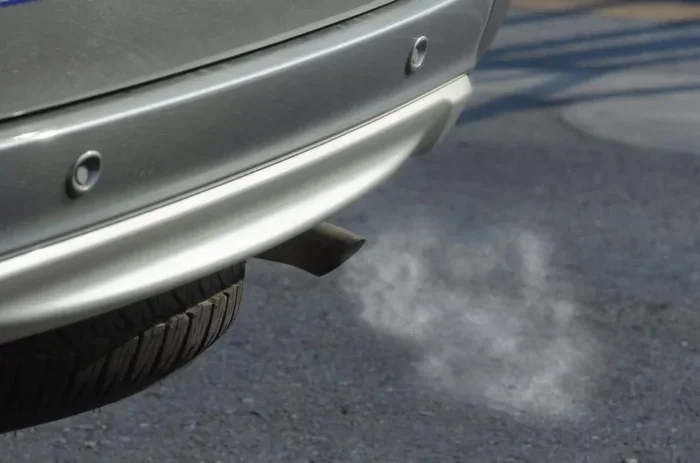
Black Smoke From Exhaust on Startup What You Should Know
Black smoke from exhaust on startup usually means your engine is burning too much fuel. This common problem can stem from a rich air-fuel mixture, faulty fuel injectors, or a clogged air filter. Understanding the root cause helps you fix it fast and avoid costly exhaust system repair bills later.
You turn the key or push the start button. The engine roars to life. But then you see it — a thick cloud of black smoke from exhaust on startup. It hangs in the air for a few seconds before fading away. It might seem harmless. But that dark smoke is your car trying to tell you something important.
Black smoke from exhaust on startup is one of the most common engine problems drivers face. It happens when your engine burns more fuel than it should. The result? A sooty, dark plume that signals an imbalance in the air-fuel mixture. The good news? Most causes are fixable. And the sooner you address the issue, the less damage it will do.
In this guide, we will walk you through everything you need to know. You will learn what causes this problem, how to diagnose it, and the best ways to fix it. Whether you drive a gasoline car or a diesel truck, this article covers you. Let us get started.
Key Takeaways
- Fuel Mixture Issue: Black smoke often means your engine is running rich with too much fuel and not enough air.
- Common Culprits: Dirty fuel injectors, a clogged air filter, and a failing fuel pressure regulator are the top causes.
- Diesel vs. Gasoline: Both engine types can produce black smoke on startup, but the reasons may differ slightly.
- Easy Fixes Exist: Some causes are simple to address at home, like replacing an air filter or cleaning injectors.
- Don’t Ignore It: Driving with black smoke can damage your catalytic converter and hurt engine performance over time.
- Professional Help: If basic fixes don’t work, a mechanic can run diagnostic tests to pinpoint the exact issue.
- Prevention Matters: Regular maintenance keeps your exhaust emissions clean and your engine running smoothly.
📑 Table of Contents
- What Causes Black Smoke From Exhaust on Startup
- How to Diagnose the Problem
- Common Fixes and Solutions
- Prevention Tips for a Healthier Engine
- When to See a Mechanic
- Expert Insights on Exhaust Smoke
- How Black Smoke Affects Engine Performance
- Understanding the Air-Fuel Ratio
- Common Mistakes People Make
- Final Thoughts
What Causes Black Smoke From Exhaust on Startup
Black smoke means your engine is running rich. That means there is too much fuel and not enough air in the combustion chamber. Several things can throw off this balance. Let us look at the most common culprits.
1. Faulty Fuel Injectors
Fuel injectors spray fuel into the engine in a fine mist. They need to deliver the right amount at the right time. When an injector gets clogged or leaks, it dumps too much fuel into the cylinders. This creates a rich air-fuel mixture. The excess fuel burns incompletely. That is when you see black smoke.
This problem is especially common in older vehicles or cars with high mileage. Dirt and carbon buildup can gum up the injectors over time. A simple cleaning might fix it. But in bad cases, you may need a full replacement.
2. Clogged Air Filter
Your engine needs air to burn fuel efficiently. A clogged air filter restricts airflow. Less air means more fuel relative to the air supply. The engine compensates by burning extra fuel. The result is black exhaust smoke.
Air filters are cheap and easy to replace. Yet many drivers forget about them. If it has been a while since you changed yours, this could be the cause. A quick check can save you a lot of trouble.
3. Failing Fuel Pressure Regulator
The fuel pressure regulator controls how much fuel goes to the engine. If it fails, it can push too much fuel through the system. This directly leads to a rich mixture and black smoke on startup.
A failing regulator often comes with other symptoms. You might notice poor fuel economy. The engine might feel sluggish. Sometimes the check engine light will turn on too. If you spot these signs together with black smoke, the regulator is a likely suspect.
4. Sensor Malfunctions
Modern cars rely on many sensors to run properly. The oxygen sensor measures how much oxygen is in the exhaust. The mass airflow sensor tells the computer how much air is entering the engine. If either of these fails, the engine control unit (ECU) may add too much fuel.
Sensor problems are tricky because they often show no obvious signs besides the smoke. A mechanic can hook up a diagnostic scanner to read error codes. This is the fastest way to confirm a sensor issue.
5. Diesel-Specific Issues
Diesel engines are more prone to black smoke than gasoline engines. The reason is simple. Diesel fuel burns differently. A diesel engine relies on precise fuel timing and pressure. If the fuel pump or turbo is not working right, the combustion process suffers.
Worn piston rings or valve seals can also cause diesel smoke. These parts let oil leak into the combustion chamber. The oil burns along with the fuel. This produces dark, thick smoke that is hard to miss.
How to Diagnose the Problem
You do not need to be a mechanic to figure out what is going on. A few simple checks can point you in the right direction. Here is how to start.
Check the Smoke Color and Duration
Not all smoke is the same. Black smoke means too much fuel. White smoke often means coolant leaking. Blue smoke means oil is burning. The color tells you a lot. Also, notice how long the smoke lasts. A few seconds on startup is one thing. Smoke that continues while driving is a bigger problem.
Use an OBD2 Scanner
An OBD2 scanner plugs into your car’s diagnostic port. It reads error codes stored in the ECU. Many auto parts stores will do this for free. The codes can point directly to the failing part. Common codes related to black smoke include:
- P0172 — System Too Rich (Bank 1)
- P0175 — System Too Rich (Bank 2)
- P0087 — Fuel Rail Pressure Too Low
- P0101 — Mass Airflow Circuit Range
Inspect the Air Filter
Pop the hood and locate your air filter. Take it out and hold it up to the light. If you cannot see through it, it is time for a replacement. This is the easiest check you can do at home. It costs under twenty dollars for most cars.
Listen for Unusual Sounds
A fuel injector that is leaking may make a ticking or dripping sound. A failing fuel pump might cause a whining noise. Pay attention to what your car is telling you through sounds. These clues help narrow down the cause.
Common Fixes and Solutions
Once you know what is causing the black smoke, you can take action. Here are the most effective fixes for each cause.
| Problem | Fix | Cost Range | Difficulty |
|---|---|---|---|
| Clogged Air Filter | Replace with new filter | $15 – $50 | Easy |
| Dirty Fuel Injectors | Clean or replace injectors | $50 – $300 | Moderate |
| Bad Fuel Pressure Regulator | Replace regulator | $100 – $350 | Moderate |
| Faulty Oxygen Sensor | Replace oxygen sensor | $100 – $250 | Moderate |
| Diesel Turbo Issues | Repair or replace turbo | $500 – $2000 | Hard |
| Worn Piston Rings | Engine overhaul | $1500+ | Very Hard |
Quick Tip: Try a Fuel System Cleaner First
Before spending big money, try a fuel system cleaner from your auto parts store. Add it to your gas tank and drive normally for a week. This can dissolve carbon buildup in the fuel injectors. It is a cheap first step that works surprisingly well for mild cases.
When DIY Is Not Enough
Some problems require professional tools and expertise. Replacing a fuel pressure regulator or a turbo is not a beginner job. If you are not comfortable working under the hood, take your car to a trusted mechanic. It is always better to pay for a proper fix than to make things worse.
Prevention Tips for a Healthier Engine
The best way to deal with black smoke is to prevent it from happening in the first place. Regular maintenance goes a long way.
- Change your air filter every 12,000 to 15,000 miles. A clean filter ensures proper airflow.
- Use quality fuel. Cheap gas has more impurities. These can clog injectors and damage the engine over time.
- Add fuel injector cleaner every few tank fills. This keeps the injectors flowing smoothly.
- Follow the manufacturer’s service schedule. Regular oil changes and tune-ups keep everything running right.
- Pay attention to the check engine light. Do not ignore it. Early detection prevents bigger problems.
- Monitor fuel economy. A sudden drop in miles per gallon can signal a rich mixture or leaking injector.
Quick Tips for Diesel Owners
If you drive a diesel, extra care is important. Diesel engines are more sensitive to fuel quality and timing. Use diesel-specific additives to keep the system clean. Check your turbo seals regularly. And never ignore black smoke, even if it only lasts a few seconds on startup.
When to See a Mechanic
Some cases of black smoke from exhaust on startup are easy to fix at home. But others need a professional touch. Here are signs you should see a mechanic right away:
- The smoke does not go away after the engine warms up.
- You notice a strong fuel smell inside or outside the car.
- The check engine light stays on or flashes.
- You experience a loss of power or rough idling.
- The problem gets worse over time instead of better.
- You hear unusual noises coming from the engine bay.
Driving with black smoke for too long can cause serious damage. The excess fuel can harm your catalytic converter. It can also foul your spark plugs and contaminate your engine oil. The longer you wait, the more expensive the repair becomes.
Expert Insights on Exhaust Smoke
Exhaust smoke color is one of the most underrated diagnostic tools available to drivers. Experienced mechanics often start their inspection by simply looking at the smoke. Here is what the experts say about engine emissions and what they mean.
“Black smoke is almost always a fuel-related issue,” says veteran mechanic Tom Reynolds. “Nine times out of ten, it comes down to too much fuel, not enough air, or a sensor sending wrong data. Start with the simple stuff — air filter, fuel filter, and a scan for codes. That solves most cases.”
The key takeaway from experts is this: do not panic. Black smoke is a warning sign, not a death sentence for your engine. In most cases, it points to something fixable. The trick is catching it early and not letting it linger.
How Black Smoke Affects Engine Performance
Black smoke is not just an eyesore. It directly impacts your engine performance and fuel economy. When your engine runs rich, it wastes fuel. You will notice fewer miles per gallon. The excess fuel can also leave carbon deposits on your valves and pistons. Over time, this reduces efficiency and power.
In severe cases, unburned fuel can wash oil off the cylinder walls. This leads to increased engine wear. It can also damage the oxygen sensor and clog the catalytic converter. Both of these parts are expensive to replace. So that brief puff of black smoke on startup is not something to brush off.
Understanding the Air-Fuel Ratio
Your engine works best when the air-fuel mixture is perfectly balanced. The ideal ratio is about 14.7 parts air to 1 part fuel. This is called the stoichiometric ratio. When the ratio shifts toward too much fuel, the engine runs rich. When there is too much air, it runs lean.
Black smoke specifically signals a rich condition. The engine is dumping more fuel than it can burn completely. The unburned fuel exits through the exhaust as dark sooty smoke. Understanding this simple concept helps you see why even small issues — like a dirty air filter — can create big problems.
Quick Tip: Check Your Fuel Cap
It sounds silly, but a loose or damaged fuel cap can sometimes trigger sensor errors. A loose cap lets fuel vapors escape, which can confuse the oxygen sensor and EVAP system. Before you assume the worst, make sure your gas cap is tight and in good condition.
Common Mistakes People Make
When drivers see black smoke, they often make mistakes that make things worse. Here are the most common ones to avoid:
- Ignoring it and hoping it goes away. Black smoke rarely fixes itself. It usually gets worse over time.
- Pouring expensive additives without knowing the cause. Not every problem needs a fancy solution. Start with the basics.
- Replacing parts without diagnosis. Swapping out sensors or injectors blindly wastes money. Use a scanner first.
- Delaying repairs. A small problem today becomes a big repair bill tomorrow.
- Assuming it is normal for diesel engines. While diesel smoke is more common, it is never truly normal.
Final Thoughts
Black smoke from exhaust on startup is a signal you should not ignore. It tells you your engine is burning too much fuel, and that is never good. The causes range from simple — like a dirty air filter — to more complex issues like a failing fuel pressure regulator or sensor malfunction. The key is to act quickly and diagnose the problem correctly.
Start with the easy checks. Look at your air filter. Listen for unusual sounds. Use an OBD2 scanner if you have one. Many times, the fix is quick and inexpensive. But if the problem persists, do not hesitate to visit a mechanic. Your engine will thank you for it.
Taking care of black smoke from exhaust on startup early saves you money, protects your engine performance, and keeps your exhaust emissions cleaner. A little attention today can prevent a major repair down the road. So the next time you see that dark cloud, do not look away. Investigate it. Fix it. And drive with confidence knowing your engine is in good shape.
Frequently Asked Questions
What does black smoke from exhaust on startup mean?
Black smoke from exhaust on startup means your engine is burning too much fuel relative to air. This is called a rich air-fuel mixture. It can be caused by dirty fuel injectors, a clogged air filter, a bad fuel pressure regulator, or faulty sensors. In most cases, it is fixable with a simple maintenance task or a part replacement.
Is black smoke from exhaust on startup dangerous?
It is not immediately dangerous to drive, but it should not be ignored. The excess fuel can damage your catalytic converter, foul spark plugs, and reduce fuel economy. Over time, it can lead to more serious engine problems. It is best to address the issue as soon as you notice it.
Can a clogged air filter cause black smoke?
Yes, absolutely. A clogged air filter restricts airflow into the engine. When there is not enough air, the engine compensates by adding more fuel. This creates a rich mixture that produces black smoke. Replacing the air filter is one of the cheapest and easiest fixes you can try.
Why does my diesel engine produce black smoke on startup?
Diesel engines are more prone to black smoke because they rely on precise fuel timing and pressure. A worn fuel pump, failing turbo, or clogged injector can all cause black smoke. Diesel engines also burn fuel differently than gasoline engines, making them more sensitive to imbalances in the combustion process.
How much does it cost to fix black smoke from exhaust on startup?
The cost depends entirely on the cause. A simple air filter replacement costs around $15 to $50. Cleaning or replacing fuel injectors runs $50 to $300. More complex repairs like a turbo or piston ring replacement can cost $500 to $2000 or more. Always get a proper diagnosis before committing to repairs.
Can I drive my car if it produces black smoke on startup?
You can drive short distances, but it is not recommended for extended periods. Black smoke indicates your engine is running inefficiently. Continuing to drive this way can cause long-term damage to your exhaust system, catalytic converter, and overall engine performance. Get it checked out as soon as possible.
=== CONCLUSION ===
Black smoke from exhaust on startup is a warning sign that your engine needs attention. Whether it is a simple fix like swapping out your air filter or a more involved repair like cleaning your fuel injectors, the key is to act quickly. Ignoring the problem will only make it worse and more expensive to fix.
Use the tips and diagnostic steps in this article to get to the bottom of the issue. Start with the easy checks, use an OBD2 scanner, and do not be afraid to call a professional when needed. Your car will run cleaner, perform better, and last longer with the right care. Take charge of your engine health today and say goodbye to that stubborn black smoke for good.