What Is DevOps in Cloud Computing and Why It Matters
What is devops in cloud computing? It is the blend of people, processes, and tools that let teams build, test, and deliver software faster in the cloud. DevOps in cloud computing removes the old walls between development and operations teams. It uses automation, CI/CD pipelines, and cloud infrastructure to ship better software with fewer errors. This approach helps companies scale quickly, save money, and stay competitive in a fast-moving tech world.
If you have ever wondered how tech companies release new features so fast, the answer is simple. They use DevOps in cloud computing. This powerful approach changes how teams build, test, and launch software. It breaks down old barriers and replaces slow, manual work with smart automation. Let us dive deep into what this means and why it has become so important.
The term “DevOps” combines development and operations. In the past, these two groups worked in total silos. Developers wrote code. Operations teams deployed it. When things broke, fingers pointed in every direction. Cloud computing changed the game entirely. It gave teams the tools to work together, automate tasks, and deliver software at lightning speed. Today, DevOps in cloud computing is not just a trend. It is the backbone of modern software delivery.
Key Takeaways
- DevOps in cloud computing unites development and operations into one smooth workflow.
- Automation and CI/CD pipelines cut release times from weeks to hours.
- Cloud-native tools like containers and serverless computing make scaling effortless.
- DevOps culture focuses on shared responsibility, better communication, and fast feedback.
- Companies using cloud DevOps see faster software delivery, fewer bugs, and lower costs.
- Infrastructure as code lets teams manage servers and networks like software code.
- You don’t need a huge team or big budget to start adopting DevOps practices today.
📑 Table of Contents
- What Is DevOps in Cloud Computing?
- Why DevOps in Cloud Computing Matters
- Key DevOps Tools for Cloud Computing
- DevOps Culture vs. DevOps Tools
- Common DevOps Mistakes to Avoid
- Quick Tips for Getting Started with DevOps in Cloud
- Comparison: Traditional IT vs. DevOps in Cloud
- Expert Insights on DevOps in Cloud Computing
- Key Takeaways
- FAQ: What Is DevOps in Cloud Computing?
- Conclusion
What Is DevOps in Cloud Computing?
At its core, what is devops in cloud computing really asking? DevOps is a set of practices that brings together software development (Dev) and IT operations (Ops). The goal is simple: deliver software faster, more reliably, and with fewer errors. When you add cloud computing into the mix, you get a powerful combo. The cloud provides the infrastructure, the tools, and the flexibility that DevOps needs to thrive.
Think of it this way. DevOps is the philosophy and the process. Cloud computing is the playground where that process runs best. Together, they let teams deploy code in minutes instead of days. They let teams scale applications up or down based on demand. And they let teams monitor performance in real time. This is why so many companies now treat DevOps in cloud computing as a must-have, not a nice-to-have.
The DevOps Lifecycle in the Cloud
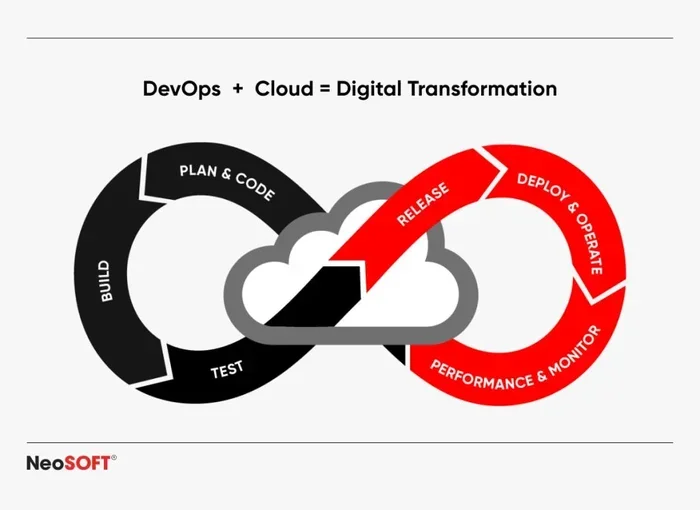
The DevOps lifecycle has several stages. Each one benefits hugely from cloud tools. Here is how it works:
- Plan: Teams use cloud-based tools to plan features, track bugs, and manage tasks.
- Code: Developers write code using version control systems hosted in the cloud.
- Build: Cloud servers compile and package the application automatically.
- Test: Automated testing runs in the cloud to catch bugs early.
- Release: The CI/CD pipeline pushes code to production with minimal human effort.
- Deploy: Cloud platforms host the application and make it available to users.
- Operate: Teams monitor the app using cloud-based monitoring and logging tools.
- Monitor: Continuous feedback loops help teams improve the software over time.
Every stage in this cycle connects to the next. That connection is what makes DevOps practices so powerful. There is no waiting around. No bottlenecks. No wasted time.
Why DevOps in Cloud Computing Matters
You might be thinking, “Does this really matter for my business?” The short answer is yes. Let us look at why DevOps in cloud computing has become essential for organizations of all sizes.
Speed and Agility
Speed is everything in software today. Customers expect apps to update constantly. They want new features, bug fixes, and improvements delivered fast. Traditional methods took weeks or even months. DevOps in cloud computing shrinks that timeline dramatically. With automation and continuous deployment, teams can release updates multiple times a day. This agility gives companies a real edge over competitors who still use old-school methods.
Scalability on Demand
One of the biggest perks of the cloud is scalability. Your app might get 100 users on Monday and 100,000 on Friday. Cloud platforms handle that jump with ease. When you pair this with DevOps practices, you get infrastructure as code. This means you can write scripts that automatically add or remove servers based on traffic. No manual intervention. No guesswork. Just smooth, automatic scaling.
Cost Efficiency
Running a data center is expensive. You need servers, cooling, power, and a full IT team to manage it all. Cloud computing flips that model. You pay only for what you use. DevOps in cloud computing takes this a step further. Automation reduces the need for manual labor. Containerization and serverless computing cut waste. Together, they help teams do more with less money.
Better Collaboration
DevOps culture is all about breaking down walls. When developers and operations teams share tools, goals, and responsibilities, amazing things happen. Cloud platforms make this collaboration even easier. Everyone can see the same dashboards, the same logs, and the same performance data. This shared visibility leads to faster problem-solving and better decision-making.
Key DevOps Tools for Cloud Computing
Tools make DevOps in cloud computing possible. You do not need to know every single tool, but you should understand the main categories. Each one plays a specific role in the software delivery process.
Version Control
Version control is where every software project starts. It tracks every change to your code. Tools like Git and GitHub let multiple developers work on the same codebase without conflicts. In a cloud DevOps setup, version control lives in the cloud. This means teams can access code from anywhere, at any time.
Continuous Integration and Continuous Deployment (CI/CD)
CI/CD is the engine of DevOps in cloud computing. Continuous Integration means developers merge their code changes into a central repository frequently. Automated builds and tests run every time. Continuous Deployment takes it further by pushing approved code to production automatically.
Popular CI/CD tools include:
- Jenkins
- GitHub Actions
- GitLab CI
- CircleCI
- AWS CodePipeline
These tools save hours of manual work. They also reduce human error, which means fewer broken deployments and happier users.
Containerization and Orchestration
Containerization packages your application and all its dependencies into a single unit called a container. This makes your app run the same way everywhere. Kubernetes is the most popular container orchestration tool. It manages containers at scale, handling tasks like load balancing, scaling, and self-healing. If you are serious about cloud-native DevOps, you need to understand containers and Kubernetes.
Infrastructure as Code (IaC)
Infrastructure as code is a game-changer. Instead of manually setting up servers and networks, you write code to define your infrastructure. Tools like Terraform and AWS CloudFormation let you do this. This approach means you can recreate entire environments with a single command. It also means your setup is repeatable, version-controlled, and free from human mistakes.
Monitoring and Logging
Once your app is running, you need to keep an eye on it. Monitoring and logging tools watch for performance issues, errors, and security threats. Popular options include Prometheus, Grafana, and the ELK Stack (Elasticsearch, Logstash, Kibana). Cloud providers also offer built-in monitoring tools like Amazon CloudWatch and Azure Monitor. These tools give teams real-time insights so they can fix problems before users even notice them.
DevOps Culture vs. DevOps Tools
Many people think DevOps is all about tools. That is a common mistake. DevOps in cloud computing is equally about culture and mindset. Tools are important, but they mean nothing without the right culture behind them.
Building a DevOps Culture
A strong DevOps culture is built on trust, transparency, and shared ownership. Everyone from developers to operations engineers feels responsible for the end product. Here are the key traits of a healthy DevOps culture:
- Shared responsibility: No one group owns the problem. Everyone owns the solution.
- Fast feedback loops: Teams get data quickly and use it to improve.
- Continuous learning: Failures are treated as learning opportunities, not blame sessions.
- Open communication: Silos are broken down. Everyone talks to everyone.
- Customer focus: Every decision starts with the end user in mind.
Tools can speed up your workflow. But culture determines whether your DevOps practices actually stick and deliver results.
Common DevOps Mistakes to Avoid
Even with the best tools, teams can stumble. Here are some common mistakes people make when adopting DevOps in cloud computing.
Skipping the Culture Shift
Buying fancy tools does not make you DevOps. If your teams still work in silos and blame each other, no tool will fix that. Start with culture. Then add tools to support it.
Ignoring Security
Speed is great, but not at the cost of security. Many teams rush to automate deployments without thinking about security checks. This is a big mistake. The best approach is DevSecOps, which builds security into every stage of the pipeline. Automated security scans, vulnerability testing, and compliance checks should be part of your CI/CD pipeline from day one.
Overcomplicating Your Setup
You do not need 50 tools on day one. Start small. Pick a few core tools that fit your needs. Add more as your team grows and your processes mature. Overcomplicating your setup leads to confusion, wasted time, and burnout.
Neglecting Monitoring
Some teams focus so much on building and deploying that they forget to monitor. This is like driving a car without checking the dashboard. Monitoring and logging should be baked into your cloud DevOps strategy from the start.
Quick Tips for Getting Started with DevOps in Cloud
Ready to start your DevOps in cloud computing journey? Here are some practical tips to help you get going.
- Start with a single project. Do not try to transform your entire organization at once. Pick one team or one project and pilot your DevOps practices there.
- Automate everything you can. Manual work is slow and error-prone. Use automation for testing, building, and deploying your code.
- Choose the right cloud platform. AWS, Azure, and Google Cloud all offer excellent DevOps tools. Pick the one that fits your needs and budget.
- Invest in training. Your team needs to understand DevOps culture and tools. Provide training, workshops, and time for learning.
- Measure everything. Track metrics like deployment frequency, lead time, and mean time to recovery. These numbers tell you where you are improving and where you need to focus.
- Collaborate early and often. Bring developers and operations teams together from the start. Shared goals lead to better outcomes.
Comparison: Traditional IT vs. DevOps in Cloud
It helps to see the difference side by side. Here is a simple comparison of traditional IT workflows versus DevOps in cloud computing.
| Aspect | Traditional IT | DevOps in Cloud |
|---|---|---|
| Team Structure | Separate Dev and Ops teams | Cross-functional, shared ownership |
| Release Speed | Weeks or months per release | Multiple releases per day |
| Automation | Manual processes dominate | Heavy automation in CI/CD |
| Infrastructure | Physical servers, on-premise | Cloud-based, infrastructure as code |
| Scaling | Manual, time-consuming | Automatic, on-demand |
| Feedback Loop | Slow, after release | Continuous, real-time |
| Failure Rate | Higher due to manual errors | Lower due to automated testing |
| Cost Model | Fixed infrastructure costs | Pay-as-you-go, cloud-based |
The contrast is clear. DevOps in cloud computing offers speed, reliability, and efficiency that traditional methods simply cannot match.
Expert Insights on DevOps in Cloud Computing
Industry experts agree that DevOps in cloud computing is here to stay. According to recent reports, companies that adopt cloud DevOps practices see significant improvements in their software delivery performance. They release updates faster, recover from incidents quicker, and spend less time on manual tasks.
One expert put it simply: “DevOps is not a tool or a team. It is a way of working that makes everyone better.” That quote captures the essence of DevOps culture. It is about making the whole organization more responsive, more agile, and more customer-focused.
Another key insight is that DevOps in cloud computing works best when it aligns with your business goals. It is not just about technology. It is about delivering value faster. Whether that means launching a new feature, fixing a bug, or improving user experience, DevOps practices help you get there more efficiently.
Key Takeaways
- DevOps in cloud computing unites development and operations into one smooth workflow.
- Automation and CI/CD pipelines cut release times from weeks to hours.
- Cloud-native tools like containers and serverless computing make scaling effortless.
- DevOps culture focuses on shared responsibility, better communication, and fast feedback.
- Companies using cloud DevOps see faster software delivery, fewer bugs, and lower costs.
- Infrastructure as code lets teams manage servers and networks like software code.
- You do not need a huge team or big budget to start adopting DevOps practices today.
FAQ: What Is DevOps in Cloud Computing?
Is DevOps in cloud computing only for large companies?
Not at all. DevOps in cloud computing works for businesses of every size. Small startups and large enterprises both benefit from faster delivery, better collaboration, and lower costs. You can start small with a single team or project and grow from there.
Do I need to learn Kubernetes to practice DevOps in the cloud?
Kubernetes is powerful, but it is not required to start. Many cloud DevOps workflows use simpler container tools or serverless platforms first. Learn the basics of cloud infrastructure and automation, then explore Kubernetes as your needs grow.
How does DevOps in cloud computing improve security?
When done right, DevOps in cloud computing actually improves security. Automated testing catches vulnerabilities early. Infrastructure as code ensures consistent, repeatable setups. And DevSecOps integrates security checks into every stage of the pipeline, so issues get caught before they reach production.
What is the difference between DevOps and cloud computing?
DevOps is a set of practices and a culture. Cloud computing is the delivery of computing resources over the internet. They are different but complementary. DevOps in cloud computing combines the best of both to deliver software faster and more reliably.
Can I adopt DevOps without using the cloud?
Yes, but it is much harder. On-premise setups require you to manage physical hardware, networking, and scaling yourself. The cloud provides the flexibility, automation-friendly environment, and managed services that make DevOps practices truly effective. Most teams find that cloud-based DevOps delivers the best results.
How long does it take to implement DevOps in cloud computing?
There is no fixed timeline. Some teams see improvements within weeks of adopting basic automation and CI/CD pipelines. Full transformation takes months or even years. The key is to start small, learn as you go, and keep improving your cloud DevOps setup over time.
Conclusion
What is devops in cloud computing if not the future of software delivery? It is the perfect marriage of culture, process, and technology. When development and operations teams work together in the cloud, incredible things happen. Software gets released faster. Bugs get caught sooner. Teams collaborate better. And businesses grow stronger.
The journey to DevOps in cloud computing does not happen overnight. It takes patience, learning, and a willingness to change. But every step you take toward DevOps practices brings real value. You will see it in your release speed, your team morale, and your bottom line.
So whether you are a developer, an operations engineer, or a business leader, now is the time to explore DevOps in cloud computing. Start small. Keep learning. And watch how it transforms the way you build and deliver software. The cloud is ready. Your team is ready. All that is left is for you to take that first step.