How Cloud Computing in Banking Sector Is Changing Everything
Cloud computing in banking sector is reshaping how banks store data, serve customers, and stay competitive. This technology helps financial institutions cut costs, boost security, and deliver faster services. From real-time analytics to disaster recovery, the cloud is becoming the backbone of modern banking. This article covers benefits, challenges, and what the future holds for cloud adoption in banking.
Cloud computing in banking sector has moved from a nice-to-have to a must-have. Banks around the world are shifting their operations to the cloud at a rapid pace. This shift is not just about technology. It is about survival and growth in a digital-first world.
So what does this mean for banks and their customers? Simply put, cloud computing in banking sector allows financial institutions to store, process, and manage data remotely. Instead of relying on old servers in a basement, banks now use powerful cloud infrastructure. This change brings faster services, lower costs, and better security.
The banking industry has always been slow to adopt new technology. But the pressure is real. Fintech companies and digital-only banks are stealing market share. Traditional banks need to keep up. Cloud technology gives them the tools to do exactly that.
Key Takeaways
- Cost Savings: Cloud computing in banking sector reduces IT infrastructure expenses significantly.
- Better Security: Leading cloud providers offer advanced cybersecurity tools that many banks cannot build on their own.
- Scalability: Banks can scale resources up or down based on demand without huge capital investments.
- Regulatory Compliance: Cloud platforms now support strict financial regulations and data privacy laws.
- Faster Innovation: Cloud enables banks to deploy new services and features quickly through IT modernization.
- Hybrid and Multi-Cloud Strategies: Most banks use a mix of private and public cloud environments for flexibility.
📑 Table of Contents
What Is Cloud Computing in Banking Sector?
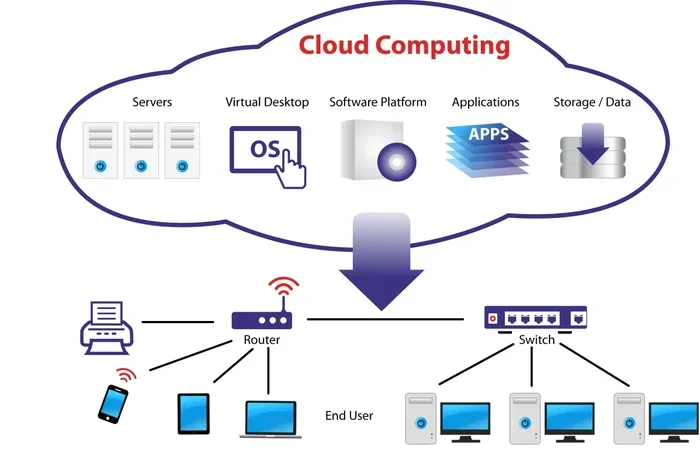
Let us start with the basics. Cloud computing means using remote servers hosted on the internet to store and process data. Instead of owning physical hardware, banks rent computing power from cloud providers.
Think of it like renting a car instead of buying one. You get what you need when you need it. You do not worry about maintenance or storage. You just pay for what you use.
In the banking world, this concept covers many areas. It includes data storage, application hosting, disaster recovery, and even customer-facing services. Banks use cloud infrastructure to run everything from mobile banking apps to complex risk analysis systems.
Types of Cloud Models Used in Banking
Banks do not all use the same cloud setup. There are three main models:
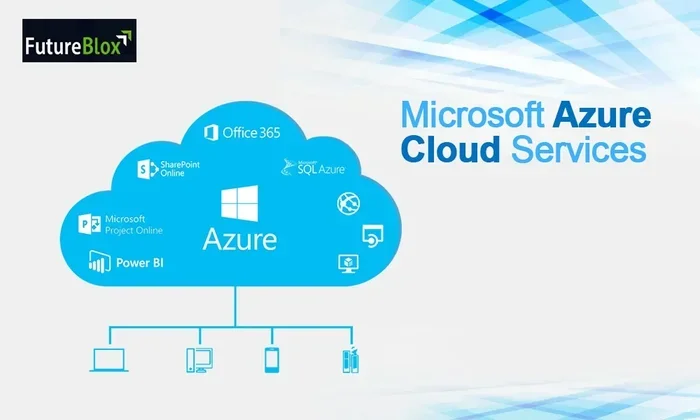
- Public Cloud: Services are hosted by third-party providers like AWS, Microsoft Azure, or Google Cloud. Multiple clients share the same infrastructure. It is cost-effective and highly scalable.
- Private Cloud: A dedicated cloud environment used only by one bank. It offers more control and is often preferred for sensitive data.
- Hybrid Cloud: A mix of public and private clouds. Banks keep critical data on private servers while using public cloud for less sensitive workloads.
Many banks also follow a multi-cloud strategy. This means using services from multiple cloud providers to avoid vendor lock-in and improve reliability.
Benefits of Cloud Computing for Banks
The shift to cloud brings a long list of advantages. Let us explore the biggest ones.
1. Cost Optimization
Running on-premises data centers is expensive. Banks have to buy servers, cool them, power them, and maintain them. Cloud computing in banking sector eliminates most of these costs. Instead of big upfront capital spending, banks pay a predictable monthly fee.
This model is called pay-as-you-go. A bank only pays for the computing power it actually uses. During peak hours, it scales up. During quiet periods, it scales down. The result is significant cost optimization over time.
2. Scalability and Flexibility
Banks face unpredictable demand. Think about end-of-month processing or holiday shopping spikes. On-premises systems struggle with these surges. Cloud platforms handle them effortlessly.
Scalability is one of the strongest reasons banks adopt cloud. They can add thousands of servers in minutes. They do not need to wait weeks for hardware delivery. This flexibility is a game-changer for operational efficiency.
3. Enhanced Security and Cybersecurity
Security is the number one concern for banks. Many people assume the cloud is less secure than on-premises systems. The truth is the opposite. Top cloud providers invest billions in cybersecurity every year.
They employ thousands of security experts. They use advanced encryption, threat detection, and AI-powered monitoring. Most banks cannot match this level of investment on their own. Cloud providers also handle regular security updates and patches automatically.
4. Improved Customer Experience
Customers expect fast and seamless banking. They want to check balances on their phones. They want instant loan approvals. Cloud computing in banking sector makes all of this possible.
With cloud-powered real-time analytics, banks can understand customer behavior instantly. They can offer personalized services. They can detect fraud in seconds instead of days. This leads to a much better customer experience overall.
5. Disaster Recovery and Business Continuity
Natural disasters, power outages, and cyberattacks can shut down banking operations. Cloud-based disaster recovery ensures that critical systems stay online. Data is backed up across multiple geographic locations.
If one data center goes down, another takes over automatically. This means fewer service disruptions for customers. Banks can maintain trust and reliability even during major incidents.
How Banks Are Using Cloud Technology
Cloud technology is not just a buzzword in banking. It powers real-world use cases every single day. Let us look at how banks are putting the cloud to work.
Core Banking Systems
Many banks are migrating their core banking systems to the cloud. These systems handle everyday transactions like deposits, withdrawals, and transfers. Moving them to cloud infrastructure reduces downtime and improves performance.
Legacy systems often cause bottlenecks. They slow down new feature development. Cloud-based core banking allows banks to update services faster and respond to market changes quickly.
Artificial Intelligence and Machine Learning
Artificial intelligence and machine learning need massive computing power. Cloud platforms provide exactly that. Banks use AI models for credit scoring, fraud detection, and personalized recommendations.
For example, a bank might use machine learning to analyze millions of transactions in real time. If something looks suspicious, the system flags it immediately. This kind of real-time analytics would be nearly impossible without the cloud.
Mobile Banking and Digital Channels
Mobile banking is now the primary way many customers interact with their bank. Cloud platforms power these apps. They handle millions of users simultaneously without crashing.
Cloud computing in banking sector also supports chatbots, virtual assistants, and online lending platforms. These digital channels help banks serve customers 24/7 without hiring extra staff.
Regulatory Reporting and Compliance
Banks operate under strict regulations. They must report financial data accurately and on time. Cloud platforms help with regulatory compliance by automating data collection and reporting.
Tools like automated audit trails and data encryption make it easier to meet rules set by regulators like the FDIC, SEC, and GDPR. Compliance becomes less of a burden and more of a streamlined process.
Security and Compliance in Banking Cloud
Security is the biggest concern when banks move to the cloud. And it is a valid concern. Banks handle some of the most sensitive data in the world. A single breach can cause massive damage.
However, leading cloud providers take security extremely seriously. They offer features like:
- End-to-end data encryption
- Multi-factor authentication
- Continuous threat monitoring
- Automated compliance certifications
- Regular security audits and penetration testing
Regulatory compliance is another critical area. Financial regulators in every country have specific rules about where data can be stored and how it can be used. Cloud providers now offer compliance frameworks that align with these regulations. Banks can choose regions where their data is stored to meet local legal requirements.
The key is to work with a cloud provider that understands the financial industry. Not all providers are equal in this regard. Banks must do their due diligence before signing any contract.
Challenges and Risks of Cloud Adoption in Banking
Despite the benefits, the path to cloud is not without obstacles. Banks face real challenges when adopting cloud computing in banking sector.
Data Privacy Concerns
Banks deal with highly personal financial information. Storing this data on third-party servers raises privacy concerns. Customers need to trust that their data is safe. Any perception of a data breach can damage a bank’s reputation quickly.
To address this, banks must choose providers with strong privacy policies. They should also implement additional layers of encryption and access control on their own end.
Legacy System Integration
Many banks still run on legacy systems that are decades old. Integrating these systems with modern cloud platforms is complex and expensive. It often requires a phased migration approach rather than a big-bang switch.
IT modernization takes time and careful planning. Banks must train their staff, update processes, and test everything thoroughly before going live on the cloud.
Vendor Lock-In
When a bank depends heavily on one cloud provider, it becomes difficult to switch later. This is called vendor lock-in. It can limit flexibility and increase costs over time.
The best way to avoid this is through a multi-cloud strategy. By using multiple providers, banks keep their options open and reduce dependency on any single vendor.
Downtime and Service Reliability
Cloud providers promise high uptime. But outages do happen. When they do, banks can be affected too. A cloud outage at a provider like AWS or Azure can impact hundreds of financial institutions at once.
Banks must plan for this. They should have backup plans, failover systems, and clear communication strategies for their customers during outages.
The Future of Cloud Computing in Banking
The future looks bright for cloud computing in banking sector. As technology evolves, banks will find even more ways to leverage the cloud.
Edge computing is one trend to watch. It brings data processing closer to the user. This reduces latency and improves speed. For banking, this means faster transactions and smoother mobile experiences.
Blockchain and cloud are also merging. Some banks are exploring cloud-based blockchain for secure and transparent transactions. This could change everything from cross-border payments to loan processing.
The rise of fintech partnerships is another exciting development. Banks are using the cloud to collaborate with fintech startups. Together, they build innovative services that neither could create alone. This collaboration drives the industry forward.
One thing is certain: cloud computing in banking sector is not a trend that will fade. It is the foundation of the future of finance. Banks that embrace it now will be best positioned for success in the years ahead.
Key Takeaways
- Cost Savings: Cloud computing in banking sector reduces IT infrastructure expenses significantly.
- Better Security: Leading cloud providers offer advanced cybersecurity tools that many banks cannot build on their own.
- Scalability: Banks can scale resources up or down based on demand without huge capital investments.
- Regulatory Compliance: Cloud platforms now support strict financial regulations and data privacy laws.
- Faster Innovation: Cloud enables banks to deploy new services and features quickly through IT modernization.
- Hybrid and Multi-Cloud Strategies: Most banks use a mix of private and public cloud environments for flexibility.
Conclusion
Cloud computing in banking sector is changing everything. It is transforming how banks operate, how they serve customers, and how they stay competitive. The benefits are clear: lower costs, better security, faster innovation, and improved scalability.
Yes, there are challenges. Legacy systems, data privacy concerns, and vendor lock-in are real issues. But banks that plan carefully and choose the right partners can overcome these obstacles. The key is to start small, learn as you go, and build a strategy that fits your institution.
The banking industry is entering a new era. Cloud computing in banking sector is leading the way. Banks that embrace this technology today will be the ones that thrive tomorrow. The time to act is now.
Frequently Asked Questions
What is cloud computing in banking sector?
Cloud computing in banking sector refers to using remote servers hosted on the internet to store, process, and manage banking data and applications. Instead of relying on physical servers in a bank’s own building, financial institutions rent computing resources from cloud providers like AWS, Azure, or Google Cloud.
Is cloud computing safe for banks?
Yes, cloud computing is generally safe for banks. Leading cloud providers invest heavily in cybersecurity, encryption, and threat detection. They often have security teams and technologies that individual banks cannot afford to build on their own. However, banks must choose reputable providers and implement their own security measures as well.
How does cloud computing reduce costs for banks?
Cloud computing reduces costs by eliminating the need for expensive on-premises hardware. Banks pay only for the computing resources they actually use. This pay-as-you-go model lowers upfront capital spending and reduces ongoing maintenance and energy costs. Over time, the savings can be substantial.
What are the main challenges of cloud adoption in banking?
The main challenges include data privacy concerns, integrating with legacy systems, vendor lock-in, and ensuring service reliability during outages. Banks also face strict regulatory requirements that can make cloud migration complex. Careful planning and choosing the right cloud partner help address these issues.
How do banks use artificial intelligence in the cloud?
Banks use cloud-based artificial intelligence and machine learning for fraud detection, credit scoring, and personalized customer services. The cloud provides the massive computing power needed to analyze large datasets in real time. AI models running on cloud infrastructure can detect suspicious transactions and offer insights faster than traditional methods.
What is the future of cloud computing in banking?
The future looks promising. Trends like edge computing, cloud-based blockchain, and fintech partnerships will drive further adoption. More banks will use hybrid and multi-cloud strategies for greater flexibility. Cloud computing in banking sector will continue to be the foundation of digital transformation in financial services.