Cloud Based Business Intelligence Software Made Simple
Cloud based business intelligence software helps you turn raw data into clear insights without complex setup or expensive hardware. It lets teams access reports, dashboards, and analytics from anywhere with an internet connection. This guide breaks down how these tools work, what features matter most, and how to choose the best one for your business.
Have you ever stared at a spreadsheet full of numbers and felt completely lost? You are not alone. Many business owners and managers face the same challenge every day. The good news is that cloud based business intelligence software makes sense of all that data. It turns messy numbers into clear charts, helpful graphs, and actionable insights. In this guide, we will walk you through everything you need to know. Let us break it down together.
Cloud based business intelligence software is a tool that lives online. You do not need to install anything on your computer. Instead, you log in through a web browser and start exploring your data. These platforms collect information from different sources. Then they organize it into easy-to-read dashboards. The result? You get real-time business insights without needing a degree in data science.
More and more companies are switching to cloud analytics solutions. Why? Because they are faster to set up, easier to use, and more affordable than older systems. Whether you run a small startup or a large enterprise, these tools can transform how you make decisions. Let us dive deeper into what makes them so powerful.
Key Takeaways
- Easy access from anywhere: Cloud based business intelligence software lets you view dashboards and reports on any device with internet.
- Lower costs than traditional BI: No need for expensive servers or IT teams to maintain on-premise systems.
- Real-time insights drive better decisions: Live data updates help you spot trends and act fast.
- Scalable for growing businesses: You can add users and data sources as your company grows.
- Self-service analytics empower teams: Non-technical users can build reports and explore data on their own.
- Integration with existing tools is key: The best platforms connect seamlessly with CRM, ERP, and marketing tools.
- Security and compliance matter: Top providers offer encryption, role-based access, and audit trails.
📑 Table of Contents
- What Is Cloud Based Business Intelligence Software?
- How Cloud Based Business Intelligence Software Works
- Key Features to Look For
- Benefits of Using Cloud Based Business Intelligence Software
- Popular Cloud Based Business Intelligence Software Options
- How to Choose the Right Cloud Based Business Intelligence Software
- Common Mistakes to Avoid
- Final Thoughts
What Is Cloud Based Business Intelligence Software?
At its core, cloud based business intelligence software is a platform that helps you collect, analyze, and visualize data. It runs on remote servers instead of your local computer. You access it through the internet, which is why people often call it SaaS analytics or cloud analytics solutions.
Think of it like a smart assistant for your data. You feed it information from sales, marketing, finance, and operations. Then it crunches the numbers and shows you what matters. You can see trends, spot problems early, and make data-driven decisions with confidence.
How Is It Different from Traditional BI?
Traditional business intelligence tools require on-premise servers. That means you buy hardware, install software, and hire IT staff to maintain everything. It is expensive and slow. With cloud based business intelligence software, none of that is necessary.
Here is a quick look at the key differences:
- Traditional BI: Requires expensive servers and IT maintenance. Updates take time and cost extra money.
- Cloud BI: Hosted online. Updates happen automatically. You pay a monthly subscription instead of huge upfront costs.
Cloud analytics solutions also offer better flexibility. You can add new users or data sources in minutes. Traditional systems often take weeks or months to scale. For most modern businesses, the cloud option wins hands down.
How Cloud Based Business Intelligence Software Works
Understanding how these tools work helps you get the most out of them. The process is simpler than you might think. Let us walk through it step by step.
Step 1: Data Collection
First, the software connects to your various data sources. These can include CRM systems, accounting software, social media platforms, and databases. Data integration is the backbone of any business intelligence platform. The better the connections, the more accurate your insights will be.
Most modern tools support pre-built connectors. This means you do not need a developer to set things up. You simply choose the apps you use, and the software links them automatically.
Step 2: Data Processing
Once the data flows in, the platform cleans and organizes it. This step is called data management. The software removes duplicates, fixes errors, and formats everything consistently. Think of it like sorting a messy closet into neat piles.
This processing happens in the cloud, so you do not need powerful local computers. The heavy lifting takes place on remote servers. That is another big advantage of cloud computing for business analytics.
Step 3: Data Visualization and Reporting
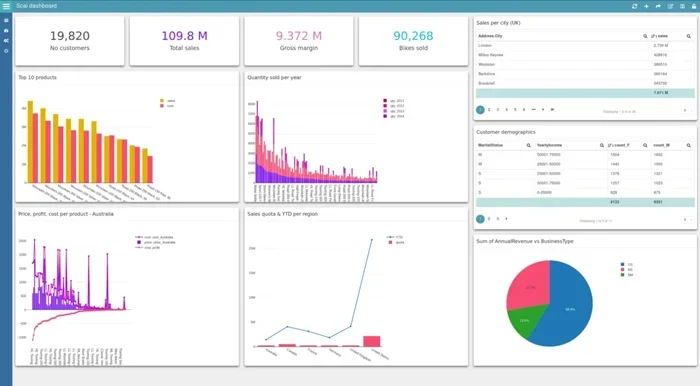
Now comes the fun part. The software turns your processed data into visual formats. You get interactive data visualization charts, graphs, and maps. These make complex numbers easy to understand at a glance.
You can build custom dashboard software layouts. Show your sales team a revenue tracker. Give your marketing crew a campaign performance view. Everyone sees exactly what they need. Reporting tools inside these platforms let you schedule and share reports automatically too.
Key Features to Look For
Not all cloud based business intelligence software tools are created equal. When you shop around, look for these essential features. They make a huge difference in your day-to-day use.
Self-Service Analytics
One of the best things about modern business analytics tools is self-service capability. This means regular team members can build their own reports. They do not need to wait for IT or data analysts. Self-service analytics empowers everyone in your organization to explore data and find answers on their own.
This speeds up decision-making dramatically. Instead of waiting days for a custom report, your manager can pull one up in minutes.
Real-Time Analytics and Alerts
Real-time analytics is a game-changer. It means your dashboards update instantly as new data comes in. You do not have to refresh or wait for overnight processing. If a sales dip happens at 2 PM, you see it at 2 PM.
Many platforms also offer alert features. They notify you when key metrics cross a threshold. For example, you might get an email when customer churn spikes. This helps you react quickly and stay ahead of problems.
Predictive Analytics and AI
Some advanced cloud analytics solutions include predictive analytics. This uses machine learning to forecast future trends. It looks at past patterns and predicts what might happen next. You can forecast sales, estimate demand, and anticipate customer behavior.
Artificial intelligence is also making its way into enterprise intelligence tools. AI can suggest insights you might have missed. It highlights unusual patterns and recommends actions. This makes data mining faster and more accurate for every team.
Mobile Access and Collaboration
Your team is always on the move. That is why mobile access matters. The best cloud based business intelligence software works perfectly on phones and tablets. You can check dashboards during a commute or a client meeting.
Collaboration features let you share insights with teammates. You can comment on reports, tag colleagues, and discuss findings right inside the platform. This keeps everyone aligned and informed.
Benefits of Using Cloud Based Business Intelligence Software
Why should your business invest in cloud based business intelligence software? The benefits go far beyond just looking at pretty charts. Let us explore the real advantages.
Faster, Smarter Decision-Making
When you have real-time business insights at your fingertips, decisions become faster and smarter. Instead of guessing, you rely on data. Your team can spot opportunities early and address problems before they grow. This operational intelligence gives you a real edge over competitors who are still working with gut feelings and outdated reports.
Significant Cost Savings
Cloud analytics solutions eliminate the need for expensive hardware and dedicated IT staff. You pay a predictable monthly subscription. There are no surprise maintenance costs or upgrade fees. Small businesses especially benefit from this affordable model. You get enterprise-grade business analytics platform power without the enterprise price tag.
Scalability That Grows With You
As your business grows, your data grows too. Cloud based business intelligence software scales effortlessly. You can add new users, new data sources, and new departments without rebuilding your system. Whether you have 10 employees or 10,000, the platform adapts to your needs.
Improved Data Security
Worried about security? Top cloud analytics solutions providers invest heavily in protection. They offer encryption, multi-factor authentication, and regular security audits. Many also comply with industry standards like GDPR and HIPAA. Data management in the cloud is often safer than on-premise servers that small businesses struggle to maintain properly.
Popular Cloud Based Business Intelligence Software Options
The market for cloud based business intelligence software has grown a lot in recent years. Here are some well-known options to consider. Each has its own strengths, so think about what matters most for your business.
Power BI by Microsoft
Power BI is one of the most popular dashboard software options available. It integrates smoothly with other Microsoft products like Excel and Teams. This makes it a great choice for businesses already using the Microsoft ecosystem. Power BI offers strong data visualization and affordable pricing plans.
Tableau
Tableau is known for its stunning visual capabilities. It excels at data visualization and makes complex data easy to explore. It is a favorite among data analysts and business users alike. Tableau supports predictive analytics and handles large datasets with ease.
Looker by Google
Looker is a powerful business intelligence platform built for deeper data exploration. It uses a modeling language called LookML that gives analysts fine-grained control. Looker works well for companies that need advanced data integration and custom analytics. It is part of the Google Cloud family, which adds extra cloud benefits.
Domo
Domo focuses heavily on speed and accessibility. It offers a clean, user-friendly interface that makes self-service analytics easy for everyone. Domo connects to over 1,000 data sources out of the box. It is a strong choice for businesses that want quick results without a steep learning curve.
How to Choose the Right Cloud Based Business Intelligence Software
With so many options available, picking the right cloud based business intelligence software can feel overwhelming. Here is a simple framework to guide your decision.
Define Your Business Goals First
Start by asking what you want to achieve. Do you need better KPI tracking? Are you looking to improve data-driven decisions in sales? Write down your top priorities. This clarity will help you narrow down your choices quickly.
Consider Your Budget
Pricing for cloud analytics solutions varies widely. Some tools offer free tiers for small teams. Others charge per user per month. Think about your budget and choose a tool that fits comfortably. Remember, the cheapest option is not always the best. Focus on value and features that match your needs.
Check Integration Capabilities
Your business intelligence platform should connect to the tools you already use. Does it integrate with your CRM, accounting software, and marketing platforms? Strong data integration saves you time and prevents data silos. Check the list of supported connectors before you commit.
Evaluate Ease of Use
Not everyone on your team is a data expert. That is why ease of use matters so much. Look for intuitive interfaces and drag-and-drop builders. The best business analytics tools let non-technical users explore data independently. Read reviews and try free trials before making a final choice.
Think About Scalability and Support
Choose a provider that will grow with you. Consider whether they offer strong customer support, training resources, and a clear roadmap for future updates. Good data management support makes a big difference, especially when you are just getting started with cloud based business intelligence software.
Common Mistakes to Avoid
Many businesses make avoidable mistakes when adopting cloud based business intelligence software. Here are a few to watch out for.
- Skipping data cleanup: Messy data leads to misleading insights. Always clean and organize your data before importing it into your business analytics platform.
- Overloading dashboards: Too many charts and numbers confuse people. Keep your dashboard software clean and focused on key metrics.
- Ignoring training: Even the best cloud analytics solutions are useless if nobody knows how to use them. Invest time in onboarding and training for your team.
- Choosing features over needs: Do not pay for predictive analytics or AI if your team just needs basic reporting tools and KPI tracking. Match the tool to your actual requirements.
Final Thoughts
Cloud based business intelligence software has changed the way companies understand their data. It removes barriers, lowers costs, and puts powerful insights into the hands of everyday users. Whether you are a small business owner or a team leader at a large company, these tools can help you make better, faster, and more confident decisions.
The key is to start simple. Pick a tool that fits your budget and goals. Focus on clean data and useful dashboards. As your confidence grows, you can explore more advanced features like predictive analytics and AI-powered insights. The journey to becoming a truly data-driven organization starts with the right cloud based business intelligence software. Take that first step today, and watch your business transform.
Frequently Asked Questions
What exactly does cloud based business intelligence software do?
Cloud based business intelligence software collects data from different sources, processes it, and turns it into visual dashboards and reports. It helps you spot trends, track KPIs, and make data-driven decisions without needing technical expertise.
Is cloud based business intelligence software expensive?
Not necessarily. Many cloud analytics solutions offer affordable monthly subscriptions. Costs depend on the number of users and features you need. Compared to traditional on-premise BI systems, cloud options are usually much more budget-friendly.
How secure is cloud based business intelligence software?
Reputable providers invest heavily in security. They use encryption, multi-factor authentication, and comply with industry standards like GDPR. Data management and security in the cloud is often stronger than what most small businesses can achieve on their own servers.
Can non-technical users benefit from these tools?
Absolutely. Most modern business intelligence platforms are designed for everyone. Features like self-service analytics and drag-and-drop builders let non-technical users create reports and explore data without any coding knowledge.
How long does it take to set up cloud based business intelligence software?
Setup is typically fast. Many tools connect to your existing apps in minutes. You can have a basic dashboard running within a few hours. Full customization and advanced features may take a few weeks to implement.
What is the difference between business analytics tools and business intelligence software?
The terms are often used interchangeably. However, business analytics tools focus more on analyzing data and finding patterns, while business intelligence software covers the full picture including reporting, dashboards, and operational intelligence. Many platforms now offer both capabilities.