Big Data Cloud Computing Trends Every Business Should Know
Big data cloud computing is transforming how companies store, process, and analyze massive datasets. This guide covers the most important trends, tools, and strategies every business needs to know. You will learn how cloud-based data solutions drive growth, cut costs, and improve decision-making across industries.
Big data cloud computing has become the backbone of modern business operations. Companies across every industry rely on cloud-based data platforms to store, manage, and analyze information at scale. Whether you run a small startup or a global enterprise, understanding these trends can give you a real advantage.
The way businesses handle data has changed dramatically in recent years. Traditional servers and on-premise systems simply cannot keep up with the volume of information companies generate every day. Cloud computing for big data offers the speed, flexibility, and power that modern organizations need to thrive.
In this article, we will explore the most important big data cloud computing trends every business should know. You will learn about new technologies, practical strategies, and common pitfalls to avoid. Let us dive in and see what the future holds for data-driven companies.
Key Takeaways
- Scalable Infrastructure Matters: Cloud platforms let businesses handle growing data volumes without expensive hardware upgrades.
- Real-Time Processing Is a Game-Changer: Companies that process data instantly gain a competitive edge in fast-moving markets.
- AI and Machine Learning Drive Insights: These technologies turn raw data into actionable business intelligence.
- Hybrid and Multi-Cloud Strategies Offer Flexibility: Mixing cloud environments helps businesses optimize cost and performance.
- Data Security and Governance Are Non-Negotiable: Protecting sensitive information must be a top priority in any cloud strategy.
- Edge Computing Brings Processing Closer to Users: This trend reduces latency and improves real-time analytics.
- Cost Optimization Requires Ongoing Attention: Smart cloud spending habits save businesses significant money over time.
📑 Table of Contents
Why Big Data Cloud Computing Matters for Modern Business
Every day, businesses generate enormous amounts of data. Customer transactions, social media activity, sensor readings, and website clicks all add up fast. Traditional data centers struggle to keep pace. This is where cloud data solutions step in.
Cloud-based big data platforms give businesses the ability to scale their storage and processing power on demand. Instead of buying expensive hardware, companies can rent computing resources from providers like AWS, Google Cloud, and Microsoft Azure. This shift has made powerful data tools accessible to businesses of all sizes.
Here are some key reasons why cloud computing for big data has become essential:
- Scalability: You can increase or decrease resources based on your current needs.
- Cost Efficiency: Pay only for what you use instead of investing in upfront infrastructure.
- Speed: Cloud platforms process large datasets much faster than traditional systems.
- Accessibility: Teams can access data and analytics tools from anywhere in the world.
- Reliability: Leading cloud providers offer built-in backup and disaster recovery options.
The bottom line is simple. Businesses that embrace cloud analytics and distributed computing make better decisions faster. They respond to market changes more quickly and serve their customers more effectively.
Top Big Data Cloud Computing Trends to Watch
Real-Time Data Processing Takes Center Stage
Gone are the days when companies could afford to analyze data in batches overnight. Today, real-time data processing is a must-have capability. Businesses need insights the moment data is generated.
Think about a retail company tracking online sales during a flash sale. If the system cannot process transactions and update inventory instantly, customers face delays and frustration. Cloud platforms now offer tools that handle streaming data in real time, giving businesses a live view of what is happening.
Real-time analytics powered by cloud computing services help companies:
- Detect fraud the moment it happens
- Personalize customer experiences on the fly
- Monitor supply chains in real time
- Respond to market shifts instantly
Tools like Apache Kafka and Amazon Kinesis make stream processing easier than ever. These technologies work hand-in-hand with cloud infrastructure to deliver instant insights.
Artificial Intelligence and Machine Learning Integration
Artificial intelligence and machine learning are no longer buzzwords. They are now core components of big data cloud computing strategies. Cloud providers have built AI and ML tools directly into their platforms, making them easy to use for businesses without deep technical expertise.
When you combine massive datasets with intelligent algorithms, the results are powerful. Cloud-based AI can identify patterns, make predictions, and automate decisions that would take humans weeks to complete.
Here are some practical ways businesses use AI and ML in the cloud:
- Predictive analytics: Forecast future trends based on historical data patterns.
- Natural language processing: Analyze customer reviews, emails, and support tickets at scale.
- Image and video recognition: Process visual data for quality control or security purposes.
- Recommendation engines: Suggest products or content based on user behavior.
The key takeaway is that AI-driven cloud analytics help businesses extract more value from their data. Every company, regardless of size, can now access sophisticated machine learning models through the cloud.
Hybrid and Multi-Cloud Strategies Gain Momentum
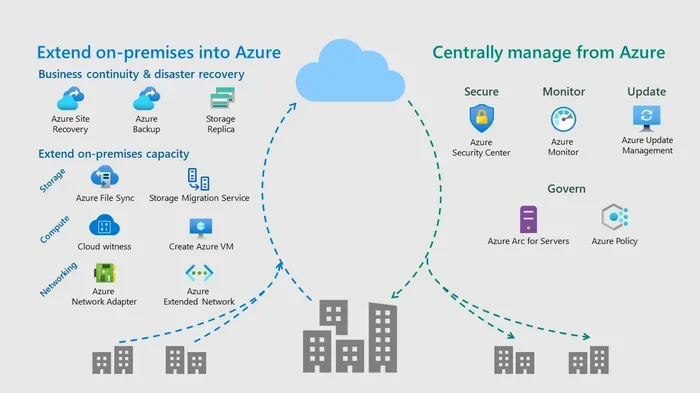
Not all cloud environments are the same. Some businesses prefer hybrid cloud setups that combine private and public cloud resources. Others adopt a multi-cloud strategy that spreads workloads across several providers.
Why would a company choose this approach? Flexibility and risk management are the main drivers. By using multiple cloud platforms, businesses avoid becoming too dependent on a single provider. They also get to pick the best tools for each specific workload.
Consider this comparison of different cloud strategies:
| Strategy | Best For | Key Benefit | Main Challenge |
|---|---|---|---|
| Public Cloud | Startups and small teams | Low upfront cost | Less control over data |
| Private Cloud | Regulated industries | Maximum security | High maintenance cost |
| Hybrid Cloud | Established enterprises | Flexibility and control | Complex management |
| Multi-Cloud | Global organizations | Avoid vendor lock-in | Integration complexity |
A multi-cloud strategy allows businesses to leverage the strengths of each provider. For example, you might use AWS for storage, Google Cloud for AI tools, and Azure for enterprise applications. This approach maximizes cost optimization and performance.
Edge Computing Brings Processing Closer to the Source
Edge computing is one of the most exciting developments in big data cloud computing. Instead of sending all data to a central cloud server, edge computing processes information closer to where it is generated.
This trend is especially important for Internet of Things (IoT) devices. Sensors in factories, vehicles, and smart buildings produce massive amounts of data. Sending all of that data to the cloud creates latency and uses bandwidth.
With edge computing, devices can process data locally and send only the most important results to the cloud. This approach offers several benefits:
- Lower latency: Decisions happen in milliseconds instead of seconds.
- Reduced bandwidth costs: Less data travels to the cloud.
- Better reliability: Operations continue even if the internet connection drops.
- Improved privacy: Sensitive data stays closer to its source.
Companies in manufacturing, healthcare, and logistics are already seeing great results from edge computing combined with cloud platforms. This trend will only grow as more devices connect to the internet.
Data Governance and Security Become Critical
As businesses move more data to the cloud, keeping that data safe becomes a top priority. Data governance refers to the policies, processes, and tools that ensure data is accurate, consistent, and protected.
Cloud data security is not just about firewalls and encryption anymore. It also involves managing access controls, tracking data lineage, and ensuring compliance with regulations like GDPR and HIPAA. A single data breach can damage a company’s reputation and cost millions of dollars.
Here are some best practices for securing your cloud data infrastructure:
- Implement strong identity and access management policies
- Encrypt data both at rest and in transit
- Conduct regular security audits and vulnerability assessments
- Use automated tools to monitor for suspicious activity
- Train employees on data security awareness
Data governance and security go hand in hand with any successful big data cloud computing strategy. Companies that prioritize these areas build trust with their customers and avoid costly regulatory penalties.
Practical Tips for Implementing Big Data Cloud Solutions
Now that we have covered the major trends, let us talk about how you can put this knowledge to work. Implementing cloud-based big data solutions does not have to be overwhelming. A clear plan makes all the difference.
Start with a Clear Data Strategy
Before moving anything to the cloud, define what you want to achieve. Are you trying to improve customer insights? Optimize operations? Reduce costs? A clear data strategy guides every decision you make.
Ask yourself these questions:
- What data do we currently collect and where is it stored?
- What insights do we need that we cannot get today?
- Which cloud platform best fits our budget and technical requirements?
- Do we need a cloud-native application approach or a lift-and-shift migration?
Choose the Right Cloud Provider
Not all cloud computing services are created equal. Each provider has its strengths. AWS leads in overall market share and service breadth. Google Cloud excels in AI and analytics. Microsoft Azure shines in enterprise integration and hybrid setups.
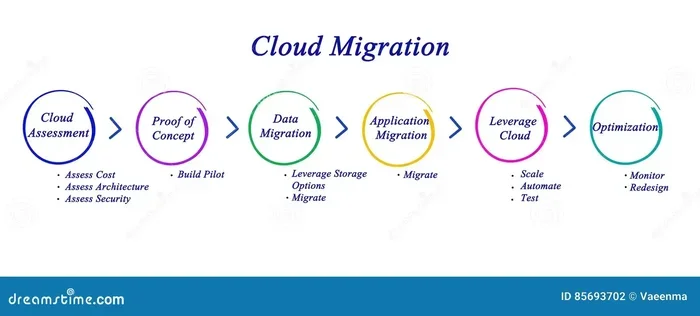
Consider your specific needs when choosing a provider. Think about your budget, your team’s technical skills, and your long-term growth plans. Many businesses also benefit from working with a cloud migration partner who can guide the transition.
Focus on Data Quality from Day One
Bad data leads to bad decisions. Before you start analyzing anything, make sure your data is clean, accurate, and well-organized. This step is often overlooked but it is absolutely critical.
Set up data governance practices early. Define data standards, assign ownership, and establish quality checks. This foundation pays off enormously as your data lake grows over time.
Monitor and Optimize Costs Continuously
One of the biggest advantages of cloud computing is cost savings. But without careful management, cloud bills can spiral out of control. Cost optimization should be an ongoing effort, not a one-time task.
Here are some quick tips:
- Right-size your instances so you are not paying for unused capacity
- Use reserved instances or savings plans for predictable workloads
- Set up billing alerts to catch unexpected charges early
- Review your data storage solutions regularly and delete what you no longer need
Common Mistakes Businesses Make with Cloud Data
Even the best-laid plans can go wrong. Many businesses make avoidable mistakes when adopting big data cloud computing. Knowing what to watch out for saves time, money, and frustration.
Mistake 1: Ignoring data security. Some companies focus so much on speed and features that they overlook security. This is a dangerous shortcut. Always build security into your cloud strategy from the start.
Mistake 2: Choosing the wrong cloud model. Not every business needs a complex multi-cloud setup. Sometimes a simple public cloud or hybrid cloud approach is all you need. Match your strategy to your actual requirements.
Mistake 3: Underestimating training needs. Cloud tools are powerful but they require skilled people to use them effectively. Invest in training your team or hiring experts who understand cloud-native applications and cloud analytics.
Mistake 4: Neglecting data governance. Without proper governance, your data lake can quickly become a data swamp. Unorganized data is nearly impossible to analyze and can lead to incorrect conclusions.
Mistake 5: Forgetting about vendor lock-in. Relying too heavily on one cloud provider can limit your options later. Design your architecture with portability in mind so you can switch or integrate providers when needed.
Expert Insights on the Future of Big Data Cloud Computing
We asked industry experts about where big data cloud computing is heading. Their insights paint a clear picture of what businesses should prepare for.
Dr. Sarah Chen, a cloud architecture consultant, notes that serverless computing is changing the game for data processing. “Serverless platforms let businesses run data pipelines without managing any infrastructure. You simply write your code and the cloud handles everything else. This is a huge win for teams that want to focus on insights rather than maintenance.”
Mark Thompson, a data strategy advisor, emphasizes the growing importance of cloud data fabrics. “A data fabric connects all your data sources across different clouds and on-premise systems. It gives you a unified view of your information, which is essential for making smart decisions in a complex world.”
Both experts agree on one thing: cloud migration is no longer optional. Businesses that delay their cloud transformation will fall behind competitors who embrace these technologies today.
Conclusion
Big data cloud computing is no longer a futuristic concept. It is happening right now and reshaping how businesses operate across every industry. The trends we have covered in this article, from real-time processing to AI integration and edge computing, represent the cutting edge of what is possible.
The key to success is taking action. Start by assessing your current data infrastructure and identifying areas where cloud-based data solutions can make the biggest impact. Choose the right cloud computing services for your needs, invest in your team’s skills, and never stop optimizing.
Businesses that embrace big data cloud computing today are positioning themselves for long-term growth and resilience. The data revolution is here. The question is, are you ready to ride the wave?
Frequently Asked Questions
What is big data cloud computing in simple terms?
Big data cloud computing refers to using cloud platforms to store, process, and analyze large volumes of data. Instead of relying on physical servers, businesses rent computing resources from cloud providers. This approach offers scalability, flexibility, and cost savings that traditional setups cannot match.
How does cloud computing help with big data analytics?
Cloud platforms provide the processing power and storage capacity needed to handle massive datasets. They also offer built-in tools for cloud analytics, machine learning, and real-time processing. This means businesses can gain insights faster and more affordably than with on-premise systems.
What are the main benefits of moving big data to the cloud?
The benefits include scalability, lower upfront costs, faster processing speeds, and easier collaboration across teams. Cloud platforms also offer strong data security features and automatic backups. Companies can scale resources up or down based on demand without buying new hardware.
Is big data cloud computing expensive for small businesses?
Not necessarily. One of the biggest advantages of cloud computing for big data is the pay-as-you-go model. Small businesses can start with minimal investment and scale as they grow. Many cloud providers also offer free tiers and discounts for startups, making it more accessible than ever.
What is the difference between hybrid cloud and multi-cloud?
A hybrid cloud combines private and public cloud environments, usually to keep sensitive data on-premise while using the public cloud for less critical workloads. A multi-cloud strategy uses multiple public cloud providers to avoid vendor lock-in and leverage the best features of each platform.
How can businesses ensure data security in the cloud?
Businesses should encrypt data at rest and in transit, implement strong access controls, and conduct regular security audits. Using data governance frameworks and compliance certifications helps ensure that sensitive information stays protected. Training employees on security best practices is equally important.