Construction Project Manager Job Description and Key Duties
A construction project manager job description outlines the roles, duties, and skills needed to lead building projects from start to finish. These professionals handle planning, budgeting, scheduling, and team coordination on every construction site. They ensure projects stay on time, within budget, and up to code. This guide covers everything you need to know about this career, from daily tasks to required qualifications. Whether you are hiring or job hunting, you will find practical insights here.
Key Takeaways
- Core Responsibilities: A construction project manager job description includes planning, budgeting, scheduling, and overseeing all construction activities from start to finish.
- Essential Skills: Strong leadership, communication, and technical knowledge are must-haves for anyone in this role.
- Education and Certifications: A bachelor’s degree in construction management or a related field, along with professional certifications, boosts career prospects significantly.
- Salary Range: Construction project managers earn competitive pay, with opportunities for growth as they gain experience and take on larger projects.
- Common Challenges: Budget overruns, schedule delays, and safety compliance issues are frequent hurdles that managers must navigate effectively.
- Career Outlook: Demand for skilled construction project managers continues to grow as infrastructure and development projects expand worldwide.
📑 Table of Contents
- What Does a Construction Project Manager Do?
- Core Skills Needed for Construction Project Managers
- Educational Requirements and Certifications
- Construction Project Manager Salary and Career Outlook
- How to Write a Winning Construction Project Manager Job Description
- Common Challenges Faced by Construction Project Managers
- Key Takeaways
- Conclusion
What Does a Construction Project Manager Do?
A construction project manager job description covers a wide range of responsibilities. These professionals are the backbone of any building project. They make sure everything runs smoothly from the first blueprint to the final walkthrough. Without them, construction sites would be chaotic and unorganized.
Think of a construction project manager as the captain of a ship. They steer the entire crew toward a common goal. They coordinate with architects, engineers, contractors, and clients every single day. Their job is to keep everyone aligned and moving forward.
The construction project manager job description varies depending on the project size and type. A small residential build requires different management skills than a large commercial high-rise. But the core duties remain the same across the board. Let us break them down.
Daily Responsibilities on Site
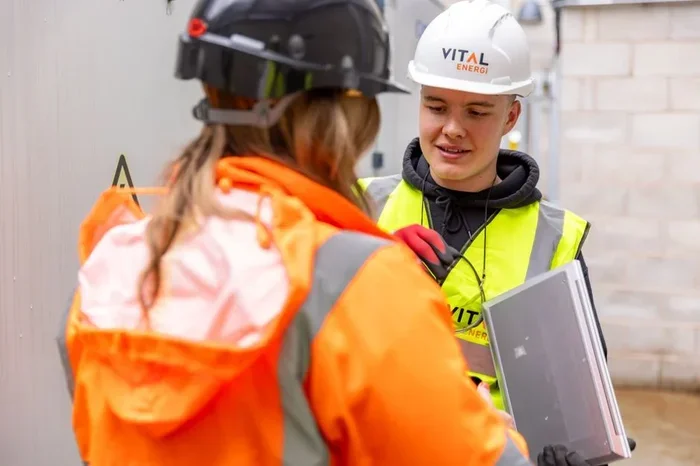
Every morning, a construction project manager starts with a site check. They review the progress made the day before. They identify any issues that need immediate attention. This hands-on approach is a big part of the role.
Some common daily tasks include:
- Conducting site meetings with crew leads and subcontractors
- Reviewing work progress against the construction timeline
- Inspecting work quality and ensuring safety compliance
- Addressing unexpected problems like weather delays or supply shortages
- Documenting daily logs and progress reports for stakeholders
These tasks might sound simple, but they require sharp attention to detail. A small oversight can lead to big problems down the road. That is why attention to detail is one of the top skills listed in any construction project manager job description.
Planning and Scheduling
Before any ground is broken, the project manager creates a detailed plan. This plan covers every phase of the project. It includes timelines, resource needs, and milestone targets. Construction planning is one of the most critical parts of the job.
A good project manager uses specialized software to build construction timelines. They map out each phase, from site preparation to final inspections. They also build in buffer time for unexpected delays. This kind of forward thinking separates great managers from average ones.
Scheduling also involves coordinating with multiple teams. Electricians, plumbers, and carpenters all need to work in a specific order. The project manager makes sure these trades do not clash or create bottlenecks. This coordination is essential for keeping the construction timeline on track.
Core Skills Needed for Construction Project Managers
The construction project manager job description demands a unique blend of skills. You need both technical knowledge and people skills. Let us look at what matters most.
Leadership and Communication
Leadership sits at the top of the skills list. A project manager leads a diverse team every day. They motivate workers, resolve conflicts, and keep morale high. Without strong leadership, even the best plans fall apart.
Communication is equally important. Project managers talk to everyone from city officials to individual laborers. They write reports, send emails, and hold meetings. Clear communication prevents misunderstandings and costly mistakes. It is one of the most valued skills in any construction project manager job description.
Technical Knowledge and Problem Solving
You do not need to be an engineer, but you do need solid technical knowledge. Understanding construction methodology helps managers make informed decisions. They need to know what works and what does not in different building scenarios.
Problem solving is another key trait. Every construction project hits roadblocks. Maybe the delivery of materials is late. Maybe the design needs a last-minute change. A strong project manager finds solutions quickly. They stay calm under pressure and keep the project moving.
Budget Management and Financial Skills
Managing money is a huge part of the role. Project managers create and monitor the project budget. They track every dollar spent on labor, materials, and equipment. If costs start to spiral, they need to catch it early and adjust.
They also handle change orders. These are modifications to the original contract. A change order might add new features or remove others. Each one affects the budget and the schedule. A skilled project manager evaluates these changes carefully before approving them.
Educational Requirements and Certifications
Education plays a big role in landing a construction project manager position. Most employers look for candidates with relevant degrees and certifications. Let us explore what it takes to qualify for this career.
Degrees That Matter
A bachelor’s degree is typically the minimum requirement. Common fields of study include:
- Construction Management — the most direct path
- Civil Engineering — strong technical foundation
- Architecture — great for design-focused projects
- Business Administration — useful for large-scale commercial projects
Some managers enter the field with an associate degree and extensive hands-on experience. However, a four-year degree opens more doors and leads to higher starting salaries. Many universities now offer online programs in construction management, making it easier to earn a degree while working.
Professional Certifications
Certifications boost your credibility and marketability. They show employers you have up-to-date knowledge and skills. Some of the most recognized certifications include:
- Certified Construction Manager (CCM) — offered by the Construction Management Association of America
- Project Management Professional (PMP) — a widely respected credential from the Project Management Institute
- LEED Accredited Professional — valuable for green building and sustainable construction projects
Earning these certifications requires passing exams and meeting experience requirements. They are well worth the effort. Many job postings specifically list them in the construction project manager job description as preferred or required qualifications.
Construction Project Manager Salary and Career Outlook
One of the most common questions people ask is about pay. The construction project manager job description comes with competitive compensation. Let us look at what you can expect.
Factors That Influence Pay
Several factors affect how much a project manager earns:
- Experience level — Entry-level managers earn less than seasoned professionals
- Project size and complexity — Larger projects typically pay more
- Location — Urban areas and regions with heavy construction activity pay higher salaries
- Industry sector — Commercial and industrial projects often pay more than residential ones
- Certifications and education — Advanced credentials lead to higher pay
According to industry data, the average salary for a construction project manager ranges from around $75,000 to over $120,000 per year. Senior managers overseeing large-scale projects can earn even more. This makes it a financially rewarding career choice for those willing to put in the work.
Growth Opportunities
The career outlook for construction project managers is strong. Infrastructure spending, urban development, and renovation projects continue to grow. This means steady demand for skilled managers in the coming years.
Experienced managers can advance into senior roles. They might become directors of construction or vice presidents of operations. Some eventually start their own construction firms. The construction project manager job description offers a clear path for upward mobility and professional growth.
How to Write a Winning Construction Project Manager Job Description
If you are hiring for this role, writing a clear and compelling job description matters. A well-crafted posting attracts better candidates. It also sets the right expectations from day one. Here is how to do it right.
Key Sections to Include
A strong construction project manager job description should include several key sections:
- Job Title and Summary — A clear title and a brief overview of the role
- Key Responsibilities — A detailed list of daily and project-level duties
- Required Qualifications — Education, certifications, and years of experience
- Preferred Skills — Nice-to-have abilities like software proficiency or bilingual communication
- Compensation and Benefits — Salary range, health benefits, and any project bonuses
Each section serves a purpose. Together, they give candidates a complete picture of the role. This reduces mismatches and saves time during the hiring process.
Tips for Attracting Top Talent
Standing out in a competitive job market takes effort. Here are a few tips that work:
- Use specific language instead of generic terms. Say “manage a $5 million commercial build” rather than “oversee construction projects.”
- Highlight what makes your company unique. Mention training programs, career growth, or innovative project types.
- Keep the tone professional but approachable. Candidates want to feel welcomed, not overwhelmed.
- Include the location and whether the role is on-site, remote, or hybrid. Many construction managers work primarily on-site.
- Be honest about the challenges. Transparency builds trust with potential candidates.
Following these tips helps you write a job posting that resonates with qualified professionals. It also reflects well on your company culture and values.
Common Challenges Faced by Construction Project Managers
Every construction project comes with its own set of challenges. Experienced project managers know how to handle them. Newer managers can learn from these common issues.
Budget Overruns
Going over budget is one of the biggest headaches in construction. Material costs fluctuate. Labor rates change. Unexpected site conditions can add expenses fast. A skilled project manager builds contingency funds into the budget from the start. They also monitor spending closely throughout the project. This proactive approach helps prevent costly surprises.
Schedule Delays
Delays happen on almost every project. Bad weather, supply chain issues, and permit delays are common culprits. The key is to have a flexible construction timeline with built-in buffers. Good project managers also communicate delays to stakeholders early. Transparency keeps everyone informed and reduces frustration.
Safety Compliance
Safety is non-negotiable on any construction site. Project managers must enforce safety regulations at all times. They conduct regular safety meetings and inspections. They make sure all workers have proper training and equipment. A single safety violation can shut down a project. This is why safety compliance is a critical part of the construction project manager job description.
Key Takeaways
- Core Responsibilities: A construction project manager job description includes planning, budgeting, scheduling, and overseeing all construction activities from start to finish.
- Essential Skills: Strong leadership, communication, and technical knowledge are must-haves for anyone in this role.
- Education and Certifications: A bachelor’s degree in construction management or a related field, along with professional certifications, boosts career prospects significantly.
- Salary Range: Construction project managers earn competitive pay, with opportunities for growth as they gain experience and take on larger projects.
- Common Challenges: Budget overruns, schedule delays, and safety compliance issues are frequent hurdles that managers must navigate effectively.
- Career Outlook: Demand for skilled construction project managers continues to grow as infrastructure and development projects expand worldwide.
Conclusion
The construction project manager job description covers a dynamic and rewarding career path. These professionals play a vital role in turning blueprints into real buildings. They lead teams, manage budgets, and solve problems every single day. It is a career that demands both technical expertise and strong people skills.
Whether you are exploring this career for the first time or looking to hire for the role, understanding the full scope of the position is essential. The duties are varied and the challenges are real. But the rewards — both personal and financial — are well worth the effort.
If you are considering a career in construction management, start by building your skills and education. Focus on leadership, communication, and technical knowledge. Pursue relevant certifications. And gain as much hands-on experience as you can. The path to becoming a successful construction project manager is clear for those who are willing to walk it.
For hiring managers, a well-written job description is your first step toward finding the right candidate. Be specific, be transparent, and highlight what makes your opportunity special. The right project manager can transform your construction projects and your business.
Frequently Asked Questions
What are the main duties listed in a construction project manager job description?
The main duties include planning project timelines, managing budgets, coordinating with subcontractors, ensuring safety compliance, and overseeing daily construction activities. They also handle stakeholder communication and document progress throughout the project lifecycle.
Do you need a degree to become a construction project manager?
Most employers prefer a bachelor’s degree in construction management, civil engineering, or a related field. However, some positions accept candidates with extensive hands-on experience and professional certifications in place of a formal degree.
What certifications are most valuable for construction project managers?
The Certified Construction Manager (CCM) and Project Management Professional (PMP) certifications are among the most valued. LEED accreditation is also beneficial for those working on sustainable or green building projects.
How much does a construction project manager typically earn?
Salaries typically range from $75,000 to over $120,000 per year, depending on experience, project size, location, and industry sector. Senior managers overseeing large commercial projects often earn significantly more.
What challenges do construction project managers face most often?
The most common challenges include budget overruns, schedule delays, supply chain disruptions, and maintaining safety compliance. Experienced managers plan for these issues by building buffers and maintaining clear communication with all stakeholders.
Is construction project management a good career choice?
Yes, it is a solid career choice with strong demand and good earning potential. The role offers variety, leadership opportunities, and the satisfaction of seeing projects come to life. It suits people who enjoy problem solving and working with their hands as well as their minds.