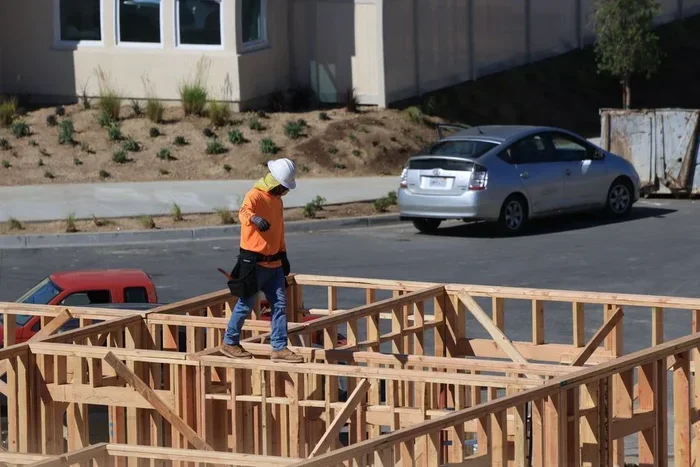
Why You Need a Residential Construction Project Manager
A residential construction project manager is the professional who keeps your home building or renovation project running smoothly. They handle scheduling, budgeting, contractor coordination, and quality control so you don’t have to. Hiring one can save you thousands of dollars and months of stress. This guide covers every reason why you need one on your next project.
Key Takeaways
- Saves Time and Money: A residential construction project manager prevents costly delays and budget overruns through expert planning.
- Handles All Coordination: They manage subcontractors, permits, and inspections so you stay stress-free.
- Ensures Quality Work: construction oversight means every detail meets your standards.
- Reduces Risk: risk management construction strategies protect your investment from unexpected problems.
- Improves Communication: You get a single point of contact for everything related to your home building project manager efforts.
- Keeps Projects on Schedule: construction timeline management ensures milestones are met on time.
📑 Table of Contents
- Why You Need a Residential Construction Project Manager
- What Does a Residential Construction Project Manager Do?
- How a Project Manager Saves You Money
- Keeping Your Project on Schedule
- Improving Communication and Reducing Stress
- Risk Management in Residential Construction
- Comparison: DIY vs. Hiring a Project Manager
- Quick Tips for Choosing the Right Project Manager
- Common Mistakes Homeowners Make
- Expert Insights on Construction Project Management
- Key Takeaways
- Conclusion
Why You Need a Residential Construction Project Manager
Building or renovating a home is one of the biggest decisions you’ll ever make. It’s exciting. It’s rewarding. But it’s also incredibly complex. There are so many moving parts that it’s easy to feel overwhelmed. That’s exactly where a residential construction project manager comes in.
A home building project manager acts as the captain of your entire construction crew. They plan, organize, and oversee every phase of your project. From the first blueprint to the final walkthrough, they make sure everything stays on track. Without one, you’re essentially flying blind.
You might wonder if you really need one. Can’t you just manage it yourself? Some homeowners try. And some succeed. But most find that the learning curve is steep, the timelines are tight, and the costs can spiral out of control fast. A professional construction project management expert changes that equation completely.
In this article, we’ll walk through every reason why hiring a residential construction project manager is one of the smartest moves you can make. We’ll cover what they do, how they save you money, and what to look for when choosing one. By the end, you’ll have a clear picture of why this role is so valuable.
What Does a Residential Construction Project Manager Do?
A residential construction project manager wears many hats. Their job is to make sure your project moves from idea to reality without major hiccups. Let’s break down their core responsibilities.
Planning and Scheduling
Before any work begins, a construction project management pro creates a detailed plan. They map out every phase of the residential building process. This includes setting project milestones and deadlines. They build a realistic construction timeline management schedule that accounts for weather, material delays, and permit approvals.
Without a solid plan, projects stall. Deadlines get missed. And costs pile up. A good manager keeps everything organized from day one.
Budget Management
One of the biggest fears homeowners have is going over budget. A residential construction project manager tackles this head-on. They create a detailed construction cost estimation before work starts. They track every dollar spent throughout the project.
They also watch for hidden costs. Things like unexpected structural issues or material price changes. By catching these early, they help you avoid nasty surprises. Budget management construction is one of their most valuable skills.
Contractor and Subcontractor Coordination
Your project will likely involve many different trades. Electricians, plumbers, carpenters, roofers — the list goes on. A home building project manager coordinates all of them. They make sure each subcontractor knows their role and timeline.
This subcontractor management is critical. When one trade finishes late, it can delay the entire project. A skilled manager prevents these bottlenecks. They keep everyone working in harmony toward the same goal.
How a Project Manager Saves You Money
Some homeowners hesitate to hire a residential construction project manager because of the added cost. But here’s the truth — they save you far more than they cost. Let’s look at how.
Preventing Costly Mistakes
Construction mistakes are expensive. A small error in framing can cost thousands to fix. A miscalculated electrical load can require a full rewire. A residential construction project manager catches these issues before they happen. Their experience and expertise act as a safety net.
They review plans carefully. They spot potential problems early. And they catch contract errors that could lead to disputes later. This kind of construction oversight pays for itself many times over.
Negotiating Better Deals
Experienced managers have built relationships with suppliers and subcontractors over the years. They know who offers fair prices. They can negotiate better rates on materials and labor. This means you pay less for the same quality of work.
They also help you avoid scope creep. That’s when a project slowly expands beyond the original plan. Each addition adds cost. A good manager keeps the project focused and within budget.
Reducing Rework and Waste
When work is done correctly the first time, you save money. A construction project management expert ensures quality from the start. They conduct regular inspections. They enforce quality control construction standards at every stage.
Less rework means fewer wasted materials and less labor time. Both of these add up to significant savings over the life of your project.
Keeping Your Project on Schedule
Delays are the enemy of any construction project. Every week a project runs late costs you money. It also creates stress and uncertainty. A residential construction project manager is your best defense against delays.
Managing Permits and Inspections
Navigating building permits can be confusing and time-consuming. Each jurisdiction has its own rules and requirements. A project manager knows the local process inside and out. They handle all the paperwork and follow up on inspections promptly.
Without someone managing this, permits can sit in queues for weeks. Inspections get rescheduled. Your home construction timeline slips further and further behind schedule.
Managing Weather and External Factors
Weather is one of the biggest uncontrollable factors in construction. Rain delays concrete work. Extreme heat slows roofing. A residential construction project manager builds buffer time into the schedule for these events. They also have contingency plans ready when things go wrong.
This proactive approach keeps your project moving forward even when challenges arise. They adapt quickly and find solutions instead of just reacting to problems.
Tracking Progress and Milestones
A good manager uses project scheduling tools to track progress daily. They compare actual progress against the plan. When something falls behind, they act fast to get things back on track.
They also set clear project milestones that everyone works toward. This keeps the team motivated and focused. It also gives you regular checkpoints to review progress and ask questions.
Improving Communication and Reducing Stress
One of the biggest benefits of hiring a residential construction project manager is improved communication. Construction projects involve many stakeholders. You, the architect, the builder, the subcontractors, and sometimes the lender. Keeping everyone aligned is a full-time job.
Single Point of Contact
Instead of juggling calls from five different contractors, you have one person to contact. Your residential construction project manager relays information to everyone involved. They update you on progress, flag issues, and answer questions.
This stakeholder communication approach saves you enormous amounts of time and mental energy. You stay informed without being buried in details.
Managing Expectations
A project manager sets realistic expectations from the start. They explain what’s achievable within your budget and timeline. They also communicate challenges honestly when they arise.
This transparency builds trust. You never feel blindsided by bad news. And when problems do come up, they’re addressed quickly and professionally.
Documenting Everything
Construction projects generate a lot of paperwork. Contracts, change orders, inspection reports, and correspondence. A construction project management professional keeps all of this organized. They maintain thorough construction documentation for every phase.
This documentation protects you if disputes arise later. It also makes it easy to reference decisions and agreements. You’ll be grateful you have everything in order when the project wraps up.
Risk Management in Residential Construction
Every construction project carries risk. A residential construction project manager is trained to identify and mitigate these risks before they become expensive problems.
Identifying Risks Early
During the planning phase, a manager reviews potential risks. These might include site conditions, regulatory changes, or supply chain issues. They develop risk management construction strategies for each one.
By thinking ahead, they prevent small problems from becoming big ones. This forward-thinking approach is what separates a professional from a DIY effort.
Handling Change Orders
Change orders are inevitable in most construction projects. A home building project manager handles them professionally. They document the change, assess the cost impact, and get your approval before work proceeds.
This disciplined approach prevents scope creep and budget blowouts. Every change is intentional and accounted for.
Ensuring Safety Compliance
Construction sites can be dangerous. A project manager enforces safety protocols to protect workers and your property. They ensure compliance with local safety regulations and industry standards.
This reduces liability for you and creates a safer work environment for everyone involved.
Comparison: DIY vs. Hiring a Project Manager
Let’s compare what happens when you manage a project yourself versus hiring a professional residential construction project manager.
| Factor | DIY Management | With Project Manager |
|---|---|---|
| Time Investment | High — you handle all coordination | Low — manager handles everything |
| Budget Control | Risk of overruns | Tight tracking and forecasting |
| Schedule Adherence | Often delayed | Milestones met on time |
| Quality Assurance | Limited oversight | Regular inspections and checks |
| Stress Level | Very high | Significantly reduced |
| Permit Handling | You figure it out | Handled professionally |
| Subcontractor Coordination | Your responsibility | Managed by the expert |
| Final Result | Variable quality | Consistent, high-quality outcome |
The numbers don’t lie. Hiring a residential construction project manager gives you better results with less effort. The investment pays for itself through savings, efficiency, and peace of mind.
Quick Tips for Choosing the Right Project Manager
Not all construction project management professionals are created equal. Here are some quick tips to help you find the right one for your project.
- Check their references. Ask for examples of similar projects they’ve managed. A proven track record matters.
- Verify licensing and insurance. Make sure they are properly licensed and carry adequate coverage.
- Ask about their process. A good manager should be able to explain their workflow clearly and confidently.
- Get everything in writing. The scope of services, fees, and expectations should all be documented in a contract.
- Communication style matters. Choose someone who communicates clearly and responds promptly to your questions.
- Look for local experience. They should understand local building codes, permit processes, and supplier networks in your area.
Common Mistakes Homeowners Make
Avoiding these common pitfalls can make the difference between a smooth project and a nightmare.
- Skipping the project manager to save money. This often leads to higher costs down the road from mistakes and delays.
- Not having a clear scope. Vague project scopes lead to misunderstandings and change orders that blow your budget.
- Choosing contractors based only on price. The cheapest bid isn’t always the best deal. Quality matters more than savings.
- Ignoring permit requirements. Unpermitted work can result in fines, forced demolition, and legal headaches.
- Failing to plan for contingencies. Every project needs a buffer for unexpected issues. A good rule is 10-15% of your total budget.
- Poor communication with the team. Silence breeds confusion. Regular check-ins keep everyone on the same page.
These mistakes are avoidable. With the right residential construction project manager guiding you, you’ll navigate the process with confidence.
Expert Insights on Construction Project Management
Industry professionals agree that project management is the backbone of successful residential construction. Experienced home building project manager experts emphasize that the role is not just about overseeing work — it’s about creating a system where every team member can do their best.
Top professionals in construction oversight recommend starting the relationship early. The best time to bring a project manager on board is during the planning phase. This gives them time to shape the budget, review designs, and identify potential issues before construction begins.
Another key insight from experts is the value of construction documentation. Keeping detailed records of every decision, change, and inspection creates accountability and protects your investment. A skilled residential construction project manager builds this culture of documentation into every project they manage.
Key Takeaways
- Expert Coordination Saves Time: A residential construction project manager handles all scheduling, contractor coordination, and logistics so you don’t have to.
- Significant Cost Savings: Through construction cost estimation, smart negotiations, and waste reduction, they keep your budget in check.
- On-Time Delivery: Construction timeline management and project milestones keep your home construction timeline moving forward.
- Quality Assurance: Regular inspections and quality control construction standards ensure the final result meets your expectations.
- Reduced Stress: With one point of contact managing stakeholder communication, you stay informed without the overwhelm.
- Risk Mitigation: Risk management construction strategies protect your investment from unexpected problems and delays.
- Better Documentation: Thorough construction documentation and permit handling keep everything compliant and organized.
Conclusion
Building or renovating a home is a massive undertaking. The complexity is real, and the stakes are high. A residential construction project manager gives you the expert support you need to navigate every challenge with confidence.
From construction timeline management to budget management construction, they handle the details that would otherwise fall on your shoulders. They coordinate subcontractors, secure permits, enforce quality standards, and keep communication flowing between all parties.
The bottom line is simple. Hiring a residential construction project manager is not an expense — it’s an investment. It saves you money, protects your time, and delivers a better final result. Whether you’re building a new home or tackling a major renovation, this professional makes the entire process smoother and more rewarding.
If you’re planning a residential construction project, consider bringing a home building project manager on board early. The right professional transforms a stressful experience into a well-organized journey. And at the end, you get a home you’re proud of — delivered on time and within budget.
What exactly does a residential construction project manager do?
A residential construction project manager plans, coordinates, and oversees all aspects of your home building project. They handle scheduling, budgeting, contractor coordination, permit acquisition, and quality control. Essentially, they manage every detail so you don’t have to.
How much does a residential construction project manager cost?
Costs vary depending on the project size and scope. Most charge a percentage of the total project cost, typically between 10% and 20%. Some charge a flat fee. Either way, their fees are usually offset by the savings they generate through better planning and fewer mistakes.
When should I hire a residential construction project manager?
The best time is during the planning phase. Bringing one on early allows them to help with budgeting, design review, and scheduling before construction begins. This early involvement maximizes their value throughout the entire project.
Can a project manager help with renovations, not just new builds?
Absolutely. A residential construction project manager handles both new construction and renovation projects. They manage the same core responsibilities — scheduling, budgeting, contractor coordination, and quality control — regardless of the project type.
What should I look for when hiring a project manager?
Look for proven experience with similar projects, proper licensing and insurance, strong communication skills, and a clear process for managing timelines and budgets. Check references and ask about their approach to risk management construction and problem-solving.
Will a project manager eliminate all construction problems?
No project is completely problem-free. But a skilled residential construction project manager significantly reduces the number and severity of issues. They catch problems early, adapt quickly to changes, and keep the project moving forward despite challenges.
Frequently Asked Questions
What is residential construction project manager?
residential construction project manager is an important topic with many practical applications.