How to Find the Right Interior Design Project Manager
Finding the right interior design project manager can make or break your renovation. This guide walks you through exactly what to look for, what questions to ask, and how to avoid common hiring mistakes. You will learn the key skills, red flags, and insider tips that help you pick a manager who truly delivers.
Planning a home or office redesign is exciting. But without the right interior design project manager, it can quickly turn into a stressful mess. You want someone who keeps things on track, handles budgets, and makes sure every detail gets attention.
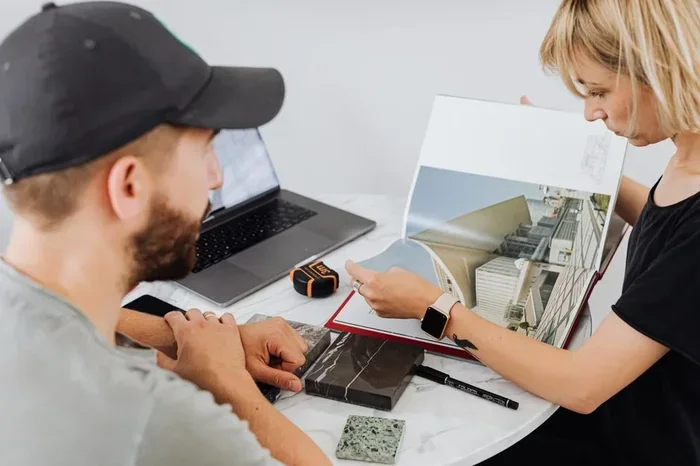
A great interior design project manager acts as the bridge between your vision and its execution. They coordinate designers, contractors, and vendors so you can sit back and enjoy the process. This guide shows you exactly how to find that person.
Whether you are renovating a single room or managing a full commercial build-out, the right project manager changes everything. Let us dive into what makes a great one and how to spot them.
Key Takeaways
- Clear role definition: An interior design project manager handles planning, budgets, timelines, and team coordination so you do not have to.
- Essential skills matter: Look for strong communication, organization, problem-solving, and design knowledge.
- Ask the right questions: Questions about workflow, budget handling, and contractor management reveal a lot about a candidate.
- Watch for red flags: Vague answers, poor references, and lack of a clear process are warning signs.
- Check references always: Past client feedback gives you real insight into how a manager performs.
- Use the right tools: CRM systems and project management software help managers stay on track and keep clients informed.
- Trust your gut: If something feels off during the hiring process, it probably is.
📑 Table of Contents
- What Does an Interior Design Project Manager Do?
- Why You Need an Interior Design Project Manager
- How to Find the Right Interior Design Project Manager
- Red Flags to Watch Out For
- Questions to Ask Before Hiring
- Quick Tips for a Smooth Hiring Process
- Common Mistakes People Make When Hiring
- How Project Management Tools Help Interior Design Managers
- Conclusion
What Does an Interior Design Project Manager Do?
Many people confuse an interior designer with an interior design project manager. They are not the same role. A designer focuses on aesthetics, color palettes, furniture selection, and spatial planning. A project manager focuses on the logistics that bring that design to life.
Core Responsibilities
A skilled interior design project manager handles a wide range of tasks every day. These include:
- Project planning: Creating timelines, setting milestones, and defining the scope of work.
- Budget management: Tracking expenses, approving costs, and making sure the project stays within budget.
- Client communication: Keeping you updated on progress, answering questions, and managing expectations.
- Vendor and contractor coordination: Scheduling deliveries, hiring subcontractors, and resolving conflicts.
- Design implementation: Making sure the design vision is followed correctly during construction and installation.
- Problem solving: Addressing unexpected issues like delays, material shortages, or design changes quickly.
Think of the project manager as the captain of a ship. The designer charts the course, but the project manager steers the vessel through rough waters. Without this role, even the most beautiful design can fall apart during execution.
Why You Need an Interior Design Project Manager
Some homeowners and business owners try to manage projects themselves. This often leads to missed deadlines, blown budgets, and frustrated teams. Here is why hiring a dedicated interior design project manager is worth every penny.
Streamlined Design Workflow
A project manager keeps the design workflow running smoothly. They make sure every team member knows their tasks and deadlines. This prevents bottlenecks and keeps everyone moving in the same direction.
Better Budget Control
One of the biggest risks in any renovation is cost overruns. A project manager tracks every dollar spent. They flag potential budget issues early, so you can make informed decisions before problems grow.
Reduced Stress for You
When someone else handles the coordination, you get to focus on the fun parts. Choosing fabrics, picking paint colors, and visiting showrooms become enjoyable instead of overwhelming. The project management for designers process becomes invisible to you, which is exactly how it should be.
How to Find the Right Interior Design Project Manager
Now that you understand the role, let us talk about finding the right person. This is the most important step, and rushing it can cost you time and money.
Start With Referrals and Research
Begin by asking friends, family, or colleagues for recommendations. Word-of-mouth referrals are still one of the best ways to find a reliable interior design project manager. You can also check online reviews, design platforms, and local business directories.
Make a shortlist of at least three candidates. This gives you options and helps you compare without feeling pressured.
Check Their Experience and Specialization
Not every project manager works on every type of project. Some specialize in residential renovations, while others focus on commercial spaces. Some have deep experience with high-end luxury designs, while others excel at budget-friendly makeovers.
When evaluating candidates, ask about:
- The types of projects they have managed
- The size and scale of past projects
- Their familiarity with your specific design style
- Years of experience in the industry
You want someone who has handled projects similar to yours. A manager who understands your design coordination needs will deliver far better results.
Evaluate Communication and People Skills
Communication is the backbone of successful project management. A great interior design project manager listens carefully, responds quickly, and keeps things transparent. During your initial conversations, pay attention to how they interact with you.
Do they answer your questions clearly? Do they seem genuinely interested in your vision? These are strong indicators of how they will perform once the project starts.
Review Their Process and Tools
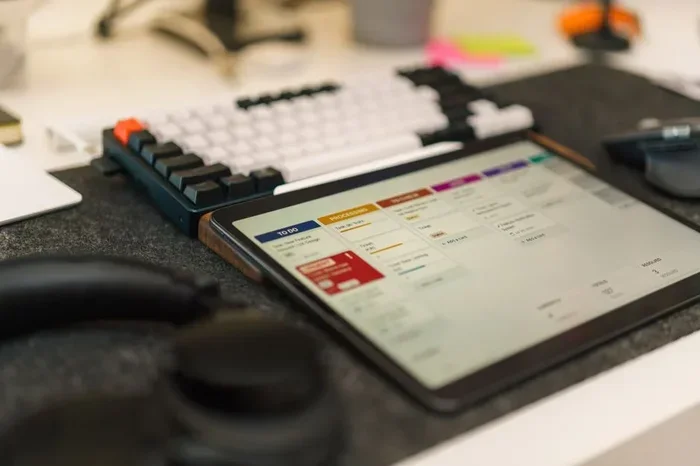
Every good manager has a system. Ask about their project scheduling methods, how they track project deliverables, and what tools they use. Many modern managers use CRM systems and specialized software to keep everything organized.
A well-organized process means fewer surprises. It also means better client management throughout the project lifecycle.
Ask for References and Past Work
Never skip the reference check. Contact past clients and ask specific questions about the manager’s performance. Find out whether the project was completed on time and within budget. Ask about how the manager handled challenges that came up along the way.
Also, ask to see a portfolio of completed projects. This gives you a visual sense of their work quality and range.
Red Flags to Watch Out For
Not every candidate will be a good fit. Knowing the warning signs helps you avoid a costly mistake.
Vague Answers and Lack of Structure
If a candidate cannot clearly explain their process, that is a red flag. A professional interior design project manager should be able to walk you through their approach step by step. They should outline how they handle scope management, resource allocation, and stakeholder management.
Poor Track Record With Timelines
Delays are common in construction and design projects. But a good manager plans for them. If a candidate has a history of missed deadlines and no clear plan to prevent them, look elsewhere.
Unwillingness to Share References
Any reputable manager will gladly provide references. If someone hesitates or refuses, that is a clear warning sign. You deserve full transparency before committing.
No Clear Contract or Agreement
A professional project manager always uses a written contract. This document outlines the scope of work, payment schedule, timeline, and responsibilities. If someone wants to start without one, do not proceed.
Questions to Ask Before Hiring
Use these questions during your interview process to evaluate candidates thoroughly.
Workflow and Coordination
- How do you manage design team coordination across multiple vendors?
- What is your typical project timeline for a project like mine?
- How do you handle changes in project scope mid-way?
Budget and Resources
- How do you track and manage project budgets?
- What is your approach to vendor management?
- Can you provide a detailed cost breakdown?
Communication and Reporting
- How often will you update me on project progress?
- What tools do you use for project milestones tracking?
- Who will be my main point of contact?
Problem-Solving
- Can you describe a challenging situation and how you resolved it?
- How do you handle contractor conflicts or delays?
- What is your approach to construction management issues?
These questions reveal a lot about a candidate’s experience, professionalism, and problem-solving abilities. Pay close attention to their answers and whether they make you feel confident.
Quick Tips for a Smooth Hiring Process
Use these practical tips to make your search easier and more effective.
- Define your project clearly before you start interviewing. Know your budget, timeline, and design goals.
- Interview at least three candidates to give yourself a solid comparison.
- Look for CRM and software proficiency. Modern project managers who use tools like HoneyBook, Dubsado, or Buildertrend tend to be more organized.
- Trust your instincts. If a candidate seems disorganized or uninterested, move on.
- Get everything in writing. A clear contract protects both you and the manager.
- Start the conversation early. Good project managers often book up weeks in advance, so reach out as soon as you know you need one.
Following these tips gives you a strong advantage. You will feel more confident and prepared throughout the hiring process.
Common Mistakes People Make When Hiring
Avoid these common pitfalls that can derail your project before it even starts.
Choosing Based on Price Alone
The cheapest option is rarely the best option. A low price often means inexperience, lack of proper design implementation, or poor client communication. Invest in quality and you will save money in the long run.
Skipping the Contract
Some people skip contracts to keep things casual. This is a mistake. A contract protects your interests and sets clear expectations for everyone involved.
Not Defining the Scope Clearly
Ambiguity leads to disagreements. Make sure your interior design project manager understands exactly what is included in the project and what is not. This prevents scope creep and keeps everyone aligned.
Ignoring Cultural Fit
Technical skills matter, but so does personality. You will be working closely with this person for weeks or months. Choose someone you feel comfortable with and who respects your vision.
How Project Management Tools Help Interior Design Managers
Modern interior design project manager professionals rely on technology to stay organized and efficient. These tools make a huge difference in project outcomes.
CRM platforms help managers track client interactions, manage leads, and automate follow-ups. Project management software like Trello, Asana, or Monday.com keeps tasks, deadlines, and team assignments visible to everyone.
Budgeting tools help track expenses in real time. Communication apps like Slack or Microsoft Teams keep the entire team connected and responsive. The best managers combine several of these tools to create a seamless design firm workflow.
If you are evaluating a candidate, ask what tools they use and how they integrate them into their daily work. A tech-savvy manager will bring more structure and transparency to your project.
Conclusion
Finding the right interior design project manager takes time and effort, but the payoff is enormous. You get a partner who handles the complexity, keeps the project on track, and lets you enjoy the creative process. By following the steps in this guide, you set yourself up for a smooth and successful project.
Start with research, ask the right questions, watch for red flags, and trust your instincts. The right manager will bring your design vision to life in ways you never imagined. Take action today and begin your search for the perfect project manager who will turn your space into something truly special.
Frequently Asked Questions
What is the difference between an interior designer and an interior design project manager?
An interior designer focuses on the creative side, such as choosing colors, materials, and furniture. An interior design project manager handles the logistics, including timelines, budgets, contractor coordination, and making sure the design gets built correctly. Many projects benefit from having both roles, but they serve different purposes.
How much does an interior design project manager cost?
Costs vary widely depending on the project size, location, and the manager’s experience. Some charge a flat project fee, while others work on an hourly or percentage-based rate. Expect to pay anywhere from 10% to 20% of the total project cost, or a flat fee that reflects the complexity of the work.
When should I hire a project manager for my interior design project?
The best time to hire is before the project begins. This allows the manager to help with planning, budgeting, and team selection from day one. However, you can also bring one in mid-project if things have become chaotic or if you need expert help getting back on track.
Can a project manager work remotely?
Yes, many interior design project managers work remotely, especially when using modern collaboration tools. Remote managers can coordinate with contractors, vendors, and clients through video calls, project management software, and regular status updates. However, some projects benefit from on-site presence during key phases like construction and installation.
What should I look for in a project manager’s references?
Ask references about the manager’s communication style, ability to stay on budget, and how they handled unexpected challenges. Find out if the project was completed on time and whether the client would work with the manager again. References give you honest, real-world insight into what it is like to work with that person.
Do I need a project manager for a small renovation?
Even small renovations can benefit from a project manager. A professional interior design project manager helps you avoid costly mistakes, keeps things organized, and ensures the work meets your expectations. If your renovation involves multiple contractors or complex design choices, a manager is especially valuable. For very small projects, you may be able to handle coordination yourself, but having expert oversight never hurts.