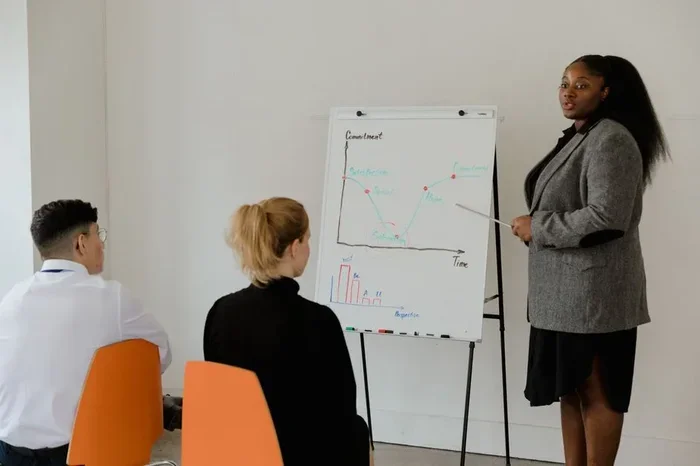
What Makes a Good Project Manager Stand Out and Lead
What makes a good project manager? It is a blend of leadership, communication, and problem-solving skills that drives teams forward. A strong project manager keeps projects on track, manages risks, and motivates every team member. This guide covers the key qualities, tools, and habits that separate good managers from great ones.
Every successful project starts with a strong leader. But what makes a good project manager stand out from the rest? It is not just about managing tasks or hitting deadlines. A truly great project manager combines technical know-how with people skills, strategic thinking, and a knack for keeping calm under pressure.
Whether you are an aspiring project manager or a seasoned professional looking to sharpen your edge, this guide breaks down the qualities, habits, and strategies that make project leaders truly exceptional. We will walk through the core skills, common pitfalls, and actionable tips you can start using today.
The world of project management has changed a lot in recent years. Teams work across time zones. Tools evolve fast. And stakeholders expect more transparency than ever before. What makes a good project manager in this environment? Let us dive in and find out.
Key Takeaways
- Communication is king: Great project managers listen actively and share clear expectations with every stakeholder.
- Leadership goes beyond titles: A good project manager inspires trust, builds accountability, and empowers the team.
- Planning and adaptability work together: Strong project planning must include flexibility for unexpected changes.
- Technology matters: Using the right tools, like cloud computing architecture platforms, streamlines workflows and boosts collaboration.
- Emotional intelligence sets leaders apart: Understanding team dynamics leads to better conflict resolution and higher morale.
📑 Table of Contents
Strong Communication Skills
At the heart of every great project manager lies the ability to communicate clearly. This means listening as much as talking, asking the right questions, and making sure everyone on the team understands the goals.
Active Listening and Clarity
Good project managers do not just hear words. They listen for meaning. When a team member raises a concern, a great manager pays full attention. They ask follow-up questions and confirm understanding before moving on.
Clear communication also means keeping messages simple. Avoid jargon when you can. Use plain language so that every stakeholder, from developers to executives, stays on the same page.
Stakeholder Updates and Reporting
Keeping stakeholders informed is a big part of the job. Regular status updates, progress reports, and honest check-ins build trust. When problems arise, a strong project manager communicates them early. This gives the team time to adjust and find solutions.
Many managers also use dashboards and visual reports. These tools make it easy for everyone to see where things stand without wading through long emails.
Leadership That Inspires
Leadership is not about giving orders. It is about guiding people toward a shared vision. A good project manager leads by example, shows up prepared, and treats every team member with respect.
Building Trust and Accountability
Trust does not happen overnight. It builds through consistent actions. When a project manager follows through on promises, the team notices. When they own mistakes instead of blaming others, respect grows.
Accountability works both ways. A great leader holds themselves accountable first. Then they create an environment where team members feel safe to own their work and learn from setbacks.
Motivating the Team
Motivation looks different for everyone. Some people thrive on recognition. Others prefer autonomy. A skilled project manager takes the time to understand what drives each team member. They celebrate wins, big and small, and they make work feel meaningful.
Simple gestures go a long way. A quick thank-you message, a shout-out in a team meeting, or a flexible deadline during a tough week can boost morale more than any bonus.
Planning and Adaptability
Every project needs a solid plan. But plans change. What separates a good project manager from a great one is the ability to plan well while staying flexible when things shift.
Setting Clear Goals and Milestones
Strong project planning starts with clear goals. What is the end result? What are the key milestones along the way? A good project manager breaks big objectives into smaller, manageable tasks. This makes the work feel achievable and keeps the team motivated.
Goal setting also involves aligning the project with broader business objectives. When the team understands the bigger picture, they make better decisions on their own.
Embracing Change and Flexibility
No project goes exactly as planned. Risks pop up. Scope changes. Deadlines shift. A great project manager expects the unexpected and builds room for adaptation into the plan.
Agile methodology has become popular for this reason. It encourages short sprints, regular feedback, and continuous improvement. But even if you are not using agile, the principle remains the same: stay flexible and respond quickly to change.
For teams that rely on digital tools, understanding the underlying technology matters. Many modern project platforms are built on cloud computing architecture that supports real-time collaboration and seamless updates across devices.
Risk Management and Problem-Solving
Problems will happen. That is a guarantee in any project. What sets a strong project manager apart is how they handle risk and solve problems before they spiral.
Identifying Risks Early
Great project managers do not wait for things to go wrong. They anticipate risks early in the project lifecycle. They ask, “What could go wrong here?” and then plan accordingly.
Common risks include:
- Budget overruns
- Resource shortages
- Timeline delays
- Miscommunication between teams
- Scope creep
By identifying these risks upfront, a project manager can create mitigation plans. This reduces surprises and keeps the project moving forward.
Creative Problem-Solving
When problems do arise, a good project manager stays calm. They gather the team, look at the facts, and brainstorm solutions together. Often, the best ideas come from the people closest to the work.
Problem-solving also means knowing when to ask for help. A strong manager recognizes their limits and reaches out to experts or mentors when needed. This is not a weakness. It is a sign of maturity and wisdom.
Emotional Intelligence and People Skills
Technical skills get you in the door. But emotional intelligence keeps you there. A project manager with high EQ understands the feelings, motivations, and concerns of their team.
Managing Conflict Gracefully
Conflict is natural in any team. Different opinions, competing priorities, and tight deadlines can create tension. A great project manager addresses conflict early and fairly. They listen to all sides, find common ground, and guide the team toward a resolution.
Avoiding conflict might seem easier, but it rarely works. Unresolved issues tend to grow and eventually hurt team morale and project outcomes.
Empathy in Everyday Leadership
Empathy is a superpower in project management. When a team member is struggling, a good manager checks in. They offer support, adjust workloads if needed, and show genuine care. This kind of leadership builds loyalty and creates a positive team culture.
Emotional intelligence also plays a role in client relationships. Understanding what a client truly needs, beyond what they say, helps the project manager deliver better results.
Tools and Technology Savvy
Today’s project managers need to be comfortable with technology. The right tools can make or break a project’s efficiency and success.
Choosing the Right Project Management Software
There are many project management tools available. Some focus on task tracking. Others emphasize team collaboration or reporting. A good project manager evaluates their team’s needs and picks tools that fit.
Popular options include platforms for task management, team communication, file sharing, and time tracking. The best choice depends on the team size, project type, and budget.
Leveraging Cloud-Based Solutions
Cloud-based tools have transformed how teams work together. They allow real-time updates, easy access from anywhere, and seamless integration with other apps. Many teams also rely on tools that help them manage what apps open on startup Windows 11 to keep their workflow efficient from the moment they log in.
Understanding the technology stack behind these tools gives a project manager an edge. For instance, knowing how cloud computing reference architecture works helps managers make better decisions about data security, scalability, and tool selection.
Technology savvy also means staying current. The best project managers explore new tools, attend webinars, and keep learning about emerging trends in project management technology.
Common Mistakes to Avoid
Even experienced project managers make mistakes. The key is to recognize them and learn. Here are some common pitfalls to watch out for:
- Micromanaging the team: Trust your people. Give them ownership and let them do their jobs.
- Skipping the planning phase: Rushing into execution without a clear plan leads to confusion and delays.
- Ignoring stakeholder feedback: Stakeholders have valuable insights. Listening to them early prevents costly changes later.
- Overcommitting on scope: Saying yes to everything stretches the team thin and hurts quality.
- Neglecting self-care: Burnout is real. A project manager who runs on empty cannot lead effectively.
Avoiding these mistakes does not mean being perfect. It means staying aware, seeking feedback, and continuously improving your approach.
Quick Tips to Level Up Your Project Management
- Start each day with a 10-minute check-in. It keeps everyone aligned and catches issues early.
- Use a single source of truth. Pick one tool for project updates so nothing gets lost.
- Document everything. Clear records save time and reduce misunderstandings later.
- Ask for feedback regularly. Your team will tell you what is working and what is not.
- Invest in your own development. Read books, take courses, and network with other project managers.
- Celebrate milestones. It keeps the team energized and focused on the bigger picture.
Conclusion
What makes a good project manager stand out and lead is a combination of strong communication, genuine leadership, smart planning, and emotional intelligence. It is about more than managing tasks. It is about empowering people, navigating uncertainty, and delivering results that matter.
The best project managers never stop learning. They adapt to new challenges, embrace technology, and put their team’s success first. Whether you are just starting out or looking to refine your skills, the qualities discussed in this guide can help you grow.
Take what resonates with you, apply it in your next project, and watch your leadership transform. Great project managers are not born overnight. They are built through practice, reflection, and a genuine commitment to excellence.
Frequently Asked Questions
What are the most important skills for a project manager?
Communication, leadership, problem-solving, and emotional intelligence top the list. A good project manager also needs strong planning and organizational skills. These abilities help them guide teams, manage risks, and deliver projects on time and within budget.
How can I improve my project management skills?
Start by seeking feedback from your team and stakeholders. Read books, take online courses, and practice active listening. Regularly review your projects to identify what worked and what did not. Continuous learning is the fastest path to improvement.
Does a project manager need technical skills?
Technical skills are helpful but not always required. What matters more is the ability to understand the project’s technical aspects enough to make informed decisions. Many successful project managers rely on their team’s expertise while focusing on leadership and coordination.
What role does technology play in modern project management?
Technology is central to how teams collaborate today. Cloud-based tools, real-time dashboards, and automation platforms help project managers track progress and communicate efficiently. Understanding the technology landscape gives managers a significant advantage in leading digital projects.
How do project managers handle scope creep?
Scope creep happens when a project’s requirements keep expanding beyond the original plan. Good project managers prevent this by setting clear boundaries early, documenting changes formally, and communicating the impact of new requests to stakeholders. They learn to say no or negotiate timelines when necessary.
Can emotional intelligence really make a difference in project management?
Absolutely. Emotional intelligence helps project managers understand their team’s needs, resolve conflicts, and build trust. Teams led by emotionally intelligent managers tend to be more engaged, collaborative, and productive. It is one of the most underrated qualities in project leadership.