Here Is How to Buy Cloud Computing Stocks for Growth
Learning how to buy cloud computing stocks can open the door to strong long-term growth. Cloud computing companies like Amazon, Microsoft, and Google dominate the digital world and keep growing year after year. This guide walks you through the best strategies, top companies, and key metrics to help you make smart investment decisions. You will also learn about ETFs, risks, and practical tips to build a profitable cloud stock portfolio.
Cloud computing has changed the way businesses work. Companies no longer need expensive servers sitting in a room. Instead, they rent computing power over the internet. This shift has created some of the most exciting investment opportunities in the tech world today.
If you have been wondering how to buy cloud computing stocks, you are in the right place. This guide covers everything from the best companies to the key metrics you should watch. Whether you are a beginner or a seasoned investor, you will find practical advice here. Let us dive in and explore the world of cloud computing investments together.
The cloud computing sector has grown at an incredible pace over the past decade. Businesses of all sizes rely on cloud services now. From storing files to running complex applications, the cloud powers much of our digital lives. This growth translates into strong revenue for cloud companies, which makes their stocks attractive for investors looking for long-term gains.
Key Takeaways
- Cloud computing stocks offer strong growth potential because businesses worldwide keep moving their operations online.
- Top cloud companies include Amazon, Microsoft, and Google, which power the backbone of the internet.
- Cloud computing ETFs provide instant diversification and reduce the risk of holding individual stocks.
- Key metrics like revenue growth, market share, and free cash flow help you evaluate cloud stocks before buying.
- Start with a brokerage account and a clear investment plan to stay disciplined and avoid common mistakes.
📑 Table of Contents
- Why Cloud Computing Stocks Are Worth Your Attention
- Top Cloud Computing Companies to Consider
- How to Buy Cloud Computing Stocks
- Cloud Computing ETFs for Diversified Exposure
- Key Metrics to Evaluate Before Buying
- Risks and Challenges of Cloud Computing Stocks
- Common Mistakes to Avoid
- Expert Insights on Cloud Investing
- How to Build a Cloud Computing Portfolio
- Quick Tips for Buying Cloud Computing Stocks
- Conclusion
Why Cloud Computing Stocks Are Worth Your Attention
The Rise of Cloud Computing
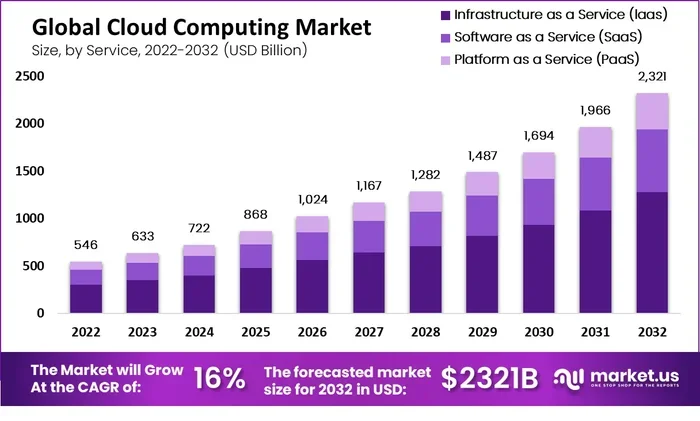
The cloud computing industry has become one of the fastest-growing sectors in the global economy. Companies spend billions every year on cloud infrastructure. This spending shows no signs of slowing down. In fact, experts expect the cloud market to keep expanding for years to come.
What makes this sector so appealing? The answer is simple. Cloud services are essential. They are not a luxury anymore. They are a necessity. Businesses use the cloud for everything from email to data analysis. This deep integration into daily operations means cloud companies enjoy steady and recurring revenue streams.
Why Investors Love Cloud Stocks
Cloud computing growth stocks have delivered impressive returns over the past several years. Investors love these stocks for a few key reasons:
- High revenue growth: Cloud companies often grow their top lines by double digits each year.
- Recurring revenue: Subscription-based models create predictable income streams.
- Strong market position: Leading cloud providers enjoy wide moats that protect their business.
- Innovation pipeline: Cloud companies invest heavily in new technologies like artificial intelligence and machine learning.
These factors make cloud computing investments appealing for anyone building a growth-oriented portfolio. Of course, every investment carries risk. But the fundamentals behind cloud computing remain solid. The demand for cloud services only continues to increase as more companies go digital.
Top Cloud Computing Companies to Consider
Amazon Web Services (AWS)
Amazon is the undisputed leader in cloud computing. AWS holds the largest cloud computing market share in the world. Amazon started AWS back in 2006, and it has grown into a massive business. AWS generates tens of billions of dollars in revenue each year.
Amazon also has a strong retail business that funds its cloud ambitions. This gives AWS a competitive edge. The company can reinvest profits into data centers, security, and new services. When you buy Amazon stock, you are getting exposure to both e-commerce and cloud computing. This makes it a strong pick for investors who want broad tech exposure.
Microsoft Azure
Microsoft has built a powerful cloud platform called Azure. Azure is the second-largest cloud provider globally. Microsoft has invested billions in data centers and cloud infrastructure around the world. The company’s cloud business has grown rapidly and now contributes a huge portion of Microsoft’s overall revenue.
What sets Microsoft apart is its enterprise focus. Many large businesses already use Microsoft products like Office 365 and Windows. Moving those workloads to Azure is a natural next step. This gives Microsoft a strong foothold in the corporate cloud market. If you are looking for a cloud computing leader with stable growth, Microsoft is worth a close look.
Google Cloud
Google has made big strides in cloud computing through its Google Cloud platform. Google Cloud is the third-largest provider by market share. Google brings unique strengths to the table, including its expertise in data analytics, artificial intelligence, and machine learning.
Google Cloud serves many of the same enterprise customers as AWS and Azure. The platform offers powerful tools for data processing and AI development. Google’s parent company, Alphabet, also runs a strong advertising business that supports its cloud investments. Alphabet stock gives you exposure to both Google Cloud and the broader digital advertising ecosystem.
How to Buy Cloud Computing Stocks
Choosing a Brokerage Account
The first step to buying cloud stocks is opening a brokerage account. A brokerage lets you purchase shares of publicly traded companies. There are many online brokers to choose from today. Some popular options include Fidelity, Charles Schwab, and Robinhood.
When picking a broker, consider a few factors:
- Fees: Look for brokers with low or zero commission fees.
- Ease of use: Choose a platform that feels comfortable and intuitive.
- Research tools: Good brokers offer market data, analyst reports, and screening tools.
- Account types: Make sure the broker offers retirement accounts like IRAs if you want tax advantages.
Once you open your account and fund it, you are ready to start buying. The process is straightforward. You search for the stock ticker, enter the number of shares, and place your order. It really is that simple.
Direct Stock Purchase vs. ETFs
When you learn how to buy cloud computing stocks, you have two main paths. You can buy individual stocks, or you can invest in cloud-focused ETFs. Both approaches have their advantages.
Individual stocks let you pick specific companies you believe in. This approach gives you more control. But it also means more risk. If one company struggles, your entire investment suffers. On the other hand, cloud computing ETFs give you instant diversification. An ETF holds shares of many cloud companies at once. This spreads your risk across the sector.
For most beginners, starting with an ETF is a smart move. It gives you broad exposure without the need to pick individual winners. As you gain experience, you can add individual stocks to your portfolio.
Cloud Computing ETFs for Diversified Exposure
Best Cloud ETFs to Consider
Cloud computing ETFs are a great way to invest in the sector without picking individual stocks. These funds hold baskets of cloud-related companies. They give you instant diversification and lower risk. Here are some of the best options available:
- Global X Cloud Computing ETF (CLOU): This ETF focuses on companies that benefit from cloud computing adoption. It holds stocks from around the world.
- WisdomTree Cloud Computing Fund (WCLD): WCLD targets companies that derive significant revenue from cloud services. It has a focused portfolio of high-conviction picks.
- ARK Innovation ETF (ARKK): While not purely a cloud ETF, ARKK includes many cloud computing companies. It is an actively managed fund with a growth focus.
- Technology Select Sector SPDR Fund (XLK): This ETF covers the broader tech sector, which includes major cloud providers like Microsoft and Apple.
ETFs are perfect for investors who want cloud computing investments with less individual stock risk. You get exposure to the entire sector with a single purchase. This is a smart strategy for building a well-rounded portfolio.
Key Metrics to Evaluate Before Buying
Revenue Growth and Cloud Revenue
When evaluating cloud computing stocks, look at revenue growth first. Cloud companies that grow their top lines consistently tend to perform well over time. Pay special attention to cloud revenue specifically. This is the portion of revenue that comes from cloud services.
For example, Microsoft reports its cloud revenue separately from its other business segments. This gives investors a clear picture of how the cloud business is performing. Look for companies where cloud revenue is growing faster than overall revenue. This signals strong demand and market momentum.
Market Share and Competition
Cloud computing market share matters a lot when picking stocks. The top three providers, AWS, Azure, and Google Cloud, control the majority of the market. These companies benefit from network effects. The more customers they have, the more valuable their platforms become.
However, competition is heating up. Companies like Oracle, IBM, and Alibaba are also investing heavily in cloud services. When evaluating a cloud stock, consider how the company stacks up against its rivals. Look at market share trends, customer retention rates, and pricing power. These factors tell you whether a company can maintain its edge over time.
Free Cash Flow and Profitability
Growth is important, but profitability matters too. Look at free cash flow when analyzing cloud stocks. Free cash flow is the cash a company generates after spending money on operations and capital investments. Positive free cash flow means the company can reinvest, pay dividends, or return money to shareholders.
Some cloud companies are still spending heavily on expansion. They may not be profitable yet. This is not always a bad thing, especially for fast-growing companies. But you should understand the trade-off. A company that burns through cash without a clear path to profitability carries more risk.
Risks and Challenges of Cloud Computing Stocks
Valuation Concerns
One of the biggest risks with cloud computing growth stocks is valuation. Many cloud companies trade at high price-to-earnings ratios. This means investors are paying a premium for future growth. If growth slows down, the stock price can drop sharply.
For example, during market downturns, high-growth tech stocks often get hit the hardest. Investors sell off risky positions and move to safer assets. This can cause cloud stock prices to fall even if the underlying businesses remain strong. Always consider valuation before you buy. A great company at a terrible price is still a bad investment.
Market Competition and Disruption
The cloud computing sector is highly competitive. New players enter the market regularly. Startups and established tech companies alike are building competing platforms. This competition can pressure margins and market share.
Regulatory risks also exist. Governments around the world are increasingly scrutinizing big tech companies. Antitrust investigations and new regulations could impact how cloud companies operate. Keep these risks in mind when building your portfolio. Diversification helps manage this exposure.
Common Mistakes to Avoid
Many investors make avoidable mistakes when buying cloud computing stocks. Here are a few to watch out for:
- Buying without research: Do not invest in a cloud stock just because it is popular. Understand the company’s business model first.
- Ignoring valuation: A high price-to-earnings ratio can mean the stock is overpriced. Always compare valuation metrics across competitors.
- Overconcentrating your portfolio: Putting too much money into one sector or one stock increases your risk. Diversify wisely.
- Chasing short-term gains: Cloud stocks can be volatile. Focus on long-term growth rather than trying to time the market.
- Neglecting to monitor your investments: Check in on your holdings regularly. Review financial reports and stay updated on industry trends.
Avoiding these mistakes will help you stay on track and build a stronger portfolio over time. Patience and discipline are your best friends in the stock market.
Expert Insights on Cloud Investing
seasoned investors often emphasize the importance of a long-term mindset. The cloud computing sector is still in its early stages of growth. Experts believe the best cloud stocks will reward patient investors over time. Short-term volatility is normal. But the long-term trend is clear: more businesses are moving to the cloud every year.
Many experts also recommend dollar-cost averaging. This means investing a fixed amount at regular intervals, regardless of the stock price. This strategy reduces the impact of market swings and removes the pressure of trying to time your entry point. It is a simple yet effective way to build a cloud computing portfolio over time.
Another expert tip is to focus on companies with strong competitive advantages. Look for firms with proprietary technology, large customer bases, and strong brand recognition. These companies are better positioned to weather market storms and capture long-term growth in the cloud sector.
How to Build a Cloud Computing Portfolio
Building a cloud computing portfolio requires a thoughtful approach. Start by deciding how much of your portfolio you want to allocate to cloud stocks. A common strategy is to dedicate 10 to 20 percent of your tech holdings to the cloud sector. This gives you meaningful exposure without overconcentrating your risk.
Next, mix individual stocks with ETFs. For example, you might buy shares of Amazon and Microsoft directly. Then add a cloud-focused ETF for broader coverage. This balanced approach gives you the best of both worlds: the upside of individual winners and the safety of diversification.
Finally, set a review schedule. Check your portfolio every quarter or every six months. Rebalance if needed. Remove underperformers and add new opportunities as they arise. Staying active but disciplined will help your cloud portfolio grow over time.
Quick Tips for Buying Cloud Computing Stocks
- Start small: You do not need to invest a large sum to get started. Even small amounts can grow over time.
- Use limit orders: Set a price you are willing to pay and let the order execute automatically.
- Reinvest dividends: If the companies you buy pay dividends, reinvest them to compound your returns.
- Stay informed: Follow cloud computing news and earnings reports to stay ahead of market moves.
- Think long-term: Cloud computing is a multi-year growth story. Hold your investments with a long-term perspective.
Conclusion
Learning how to buy cloud computing stocks is a smart move for any investor looking for growth. The cloud computing sector is built on strong fundamentals. Businesses worldwide are shifting their operations online, and this trend shows no signs of stopping. From Amazon and Microsoft to Google and innovative startups, there are many great opportunities in this space.
Whether you choose individual stocks or cloud computing ETFs, the key is to do your research. Understand the companies you invest in. Watch the key metrics like revenue growth, market share, and free cash flow. Avoid common mistakes like overpaying for stocks or ignoring diversification.
The cloud computing industry is still evolving, and the best is likely yet to come. By following the strategies in this guide, you will be well-equipped to make informed investment decisions. Start today, stay patient, and let the power of cloud computing work for your portfolio.
Frequently Asked Questions
What are cloud computing stocks?
Cloud computing stocks are shares of companies that provide cloud-based services like data storage, computing power, and software over the internet. Major examples include Amazon, Microsoft, and Google. These companies earn revenue by hosting applications and data on remote servers instead of on local computers.
Is now a good time to buy cloud computing stocks?
The cloud computing sector has strong long-term growth potential. Businesses continue to move their operations online every year. While short-term market fluctuations are normal, the fundamental demand for cloud services remains strong. Many experts believe cloud computing is still in the early stages of its growth cycle.
What is the difference between cloud computing stocks and SaaS stocks?
Cloud computing stocks include companies that provide infrastructure, platforms, and software through the cloud. SaaS stocks refer specifically to companies that sell software applications as a service over the internet. SaaS is a subset of cloud computing. Companies like Salesforce and Adobe are SaaS companies, while Amazon and Microsoft offer broader cloud services.
Can beginners invest in cloud computing stocks?
Absolutely. Beginners can start by opening a brokerage account with low fees. Many brokers now offer fractional shares, which let you buy a portion of a stock. Beginners should also consider cloud computing ETFs for instant diversification. These funds spread your investment across many cloud companies at once.
How much should I invest in cloud computing stocks?
There is no one-size-fits-all answer. It depends on your financial goals, risk tolerance, and overall portfolio. A common approach is to allocate 10 to 20 percent of your tech holdings to cloud stocks. Always invest only what you can afford to lose and avoid putting all your money into a single sector.
What are the best cloud computing ETFs?
Some of the best cloud computing ETFs include Global X Cloud Computing ETF (CLOU), WisdomTree Cloud Computing Fund (WCLD), and Technology Select Sector SPDR Fund (XLK). Each ETF has a slightly different focus and fee structure. Research each fund carefully before investing to find the one that fits your goals.