The Cloud Computing Career Roadmap You Should Follow
A cloud computing career roadmap is your step-by-step guide to landing a high-paying job in one of the fastest-growing tech fields. This article breaks down the cloud computing skills you need, the best cloud computing certifications to pursue, and the cloud computing jobs available at every level. Whether you are just starting or looking to advance, this cloud computing career roadmap gives you a clear path forward with actionable advice and real-world insights.
The world of cloud computing has changed how businesses operate. Companies of all sizes now rely on the cloud to store data, run applications, and scale their operations. This shift has created a massive demand for skilled professionals. If you have ever thought about building a career in this field, now is the perfect time.
A well-planned cloud computing career roadmap can make the journey much smoother. It helps you understand what to learn, which certifications to pursue, and what roles to target. In this guide, we will walk you through every step of the cloud computing career roadmap. You will learn about essential skills, popular platforms, job roles, and practical tips to stand out in a competitive market.
Whether you are a complete beginner or an IT professional looking to pivot, this cloud computing career roadmap has something for you. Let us dive in and explore the path to a rewarding career in the cloud.
Key Takeaways
- Start with fundamentals: Understand cloud basics like virtualization, deployment models, and core services before diving into certifications.
- Pick a platform: AWS, Azure, and Google Cloud Platform are the big three. Choose one to master first.
- Get certified: Certifications like AWS Solutions Architect, Azure Administrator, and Google Cloud Associate boost your resume significantly.
- Build hands-on experience: Practice labs, personal projects, and open-source contributions matter more than theory alone.
- Explore roles: From cloud engineer to cloud architect, there are many career paths with strong growth potential.
- Avoid common mistakes: Don’t skip networking basics or try to learn everything at once. Take it step by step.
- Keep learning: Cloud technology evolves fast. Continuous upskilling is the key to long-term success.
📑 Table of Contents
- Understanding Cloud Computing Basics
- Building Your Cloud Computing Skills
- Choosing Your Cloud Platform
- Certifications That Boost Your Career
- Cloud Computing Job Roles and Career Paths
- Common Mistakes to Avoid
- Expert Insights on Succeeding in Cloud Computing
- Your 12-Month Cloud Computing Career Roadmap
- Conclusion
Understanding Cloud Computing Basics
What Is Cloud Computing?
At its core, cloud computing means delivering computing services over the internet. These services include servers, storage, databases, networking, software, and analytics. Instead of owning physical hardware, you rent these resources from a cloud provider. This model offers flexibility, scalability, and cost savings.
The cloud computing basics revolve around three main deployment models:
- Public Cloud: Resources are owned and operated by a third-party provider. Examples include AWS, Azure, and Google Cloud.
- Private Cloud: Resources are used exclusively by one organization. It offers more control and customization.
- Hybrid Cloud: A mix of public and private clouds, allowing data and applications to move between them.
Understanding these models is essential. They form the foundation of everything you will learn in a cloud computing career roadmap. Without this base, advanced topics will feel confusing and overwhelming.
Why Cloud Computing Matters
Cloud computing jobs are growing at an incredible rate. Businesses are moving to the cloud faster than ever. This migration creates a huge need for professionals who can design, manage, and secure cloud environments. The cloud computing salary for skilled professionals is also very competitive, making it an attractive career choice.
Here are a few reasons why cloud computing is so important today:
- Cost Efficiency: Companies save money by not maintaining physical data centers.
- Scalability: Businesses can scale resources up or down based on demand.
- Remote Work Enablement: The cloud supports remote teams by providing access from anywhere.
- Disaster Recovery: Cloud providers offer robust backup and recovery solutions.
- Innovation Speed: Companies can deploy new features and applications faster.
These benefits explain why industries like healthcare, finance, retail, and entertainment all rely on cloud technology. The demand for skilled cloud professionals is only going to increase.
Building Your Cloud Computing Skills
Core Skills You Need
Before you jump into certifications, you need to build a strong skill set. The cloud computing skills employers look for fall into several categories:
- Networking Basics: Understand DNS, TCP/IP, firewalls, load balancers, and VPNs. Networking is the backbone of cloud infrastructure.
- Operating Systems: Be comfortable with Linux and Windows Server. Most cloud environments run on Linux.
- Virtualization: Learn how virtual machines, containers, and hypervisors work. This is central to cloud computing.
- Security: Cloud security is critical. Study identity management, encryption, access controls, and compliance frameworks.
- Automation and Scripting: Learn scripting languages like Python, Bash, or PowerShell. Automation is key to modern cloud operations.
- Database Management: Understand SQL and NoSQL databases. Cloud providers offer managed database services you should know how to use.
You do not need to master all of these at once. A good cloud computing career roadmap introduces these skills gradually. Start with networking and operating systems, then move to security and automation as you grow.
Quick Tips for Skill Building
Building skills takes practice. Here are some quick tips to accelerate your learning:
- Use Free Tier Accounts: AWS, Azure, and Google Cloud all offer free tiers. Create accounts and start experimenting today.
- Follow Along with Tutorials: Platforms like A Cloud Guru, Udemy, and Coursera offer hands-on labs that mimic real-world scenarios.
- Build Personal Projects: Set up a simple website on AWS or deploy a container on Google Cloud. Projects teach you more than tutorials alone.
- Join Cloud Communities: Reddit, Discord, and LinkedIn groups are great places to ask questions and learn from others.
- Set a Weekly Learning Goal: Even one hour per week adds up over time. Consistency beats intensity.
Choosing Your Cloud Platform
The Big Three: AWS, Azure, and Google Cloud
You cannot learn everything at once. A smart cloud computing career roadmap starts with picking one platform to focus on. The three major players are Amazon Web Services (AWS), Microsoft Azure, and Google Cloud Platform (GCP). Each has its strengths.
Here is a quick comparison of the three platforms:
| Feature | AWS | Azure | Google Cloud |
|---|---|---|---|
| Market Share | Largest globally | Strong in enterprise | Growing fast |
| Best For | Broad service range | Microsoft ecosystem users | Data analytics and AI |
| Popular Certification | AWS Solutions Architect | Azure Administrator | Google Cloud Associate |
| Ease of Learning | Moderate | Easy for Windows users | Moderate |
| Job Market | Highest demand | Strong enterprise demand | Growing demand |
AWS has the largest market share, so it is often the best starting point. However, if your current company uses Microsoft products, Azure might be the better choice. GCP is excellent if you are interested in data analytics and machine learning.
Which Platform Should You Start With?
For most beginners, AWS is the safest bet. The cloud computing jobs market has the most AWS openings. Plus, AWS certifications are widely recognized and respected. Once you master one platform, learning the others becomes much easier.
Here is a simple approach to follow in your cloud computing career roadmap:
- Pick one platform and stick with it for at least six months.
- Complete the foundational certification for that platform.
- Build two to three hands-on projects using that platform.
- Explore other platforms once you are comfortable with the first.
This focused approach prevents overwhelm and helps you build deep expertise in one area before expanding.
Certifications That Boost Your Career
Why Certifications Matter
Cloud computing certifications are one of the most effective ways to prove your skills to employers. They show that you have invested time and effort into learning a specific platform. Certifications can also lead to higher cloud computing salary offers. Many job postings list specific certifications as requirements or preferred qualifications.
Certifications also help you stay current. Cloud providers regularly update their services, and certification paths keep you aligned with the latest developments.
Top Certifications for Beginners
If you are just starting, here are the best certifications to pursue:
- AWS Cloud Practitioner: The entry-level AWS certification. It covers cloud fundamentals and AWS core services. No technical experience required.
- Azure Fundamentals (AZ-900): A beginner-friendly certification from Microsoft. Great for those already familiar with the Microsoft ecosystem.
- Google Cloud Digital Leader: The foundational GCP certification. It covers cloud basics and Google Cloud services.
- CompTIA Cloud+: A vendor-neutral certification. Good for those who want a broad understanding of cloud concepts.
Mid-Level Certifications to Advance Your Career
Once you have foundational knowledge and some hands-on experience, consider these mid-level certifications:
- AWS Solutions Architect Associate: One of the most popular cloud certifications. It focuses on designing scalable and resilient systems.
- Azure Administrator Associate (AZ-104): Covers managing Azure subscriptions, identities, and storage. Highly valued in enterprise environments.
- Google Cloud Associate Cloud Engineer: Focuses on deploying, managing, and monitoring applications on GCP.
- AWS Developer Associate: Ideal for developers who want to build and deploy applications in the cloud.
Earning these certifications takes time and effort, but the return on investment is significant. Many professionals report salary increases of 15-25% after getting certified. A strong certification strategy is a cornerstone of any effective cloud computing career roadmap.
Cloud Computing Job Roles and Career Paths
Entry-Level Roles
Starting out in cloud computing, you have several options. The right role depends on your background and interests:
- Cloud Support Associate: Helps users troubleshoot cloud issues. Great for building practical experience.
- Junior Cloud Engineer: Assists in deploying and managing cloud resources. Requires basic networking and scripting skills.
- Cloud Administrator: Manages day-to-day cloud operations, user access, and resource allocation.
- DevOps Junior Engineer: Works on CI/CD pipelines and automation. A good fit for those with development experience.
Mid-Level Roles
With a few years of experience and certifications, you can move into more specialized positions:
- Cloud Engineer: Designs and implements cloud solutions. This is one of the most in-demand cloud computing jobs.
- DevOps Engineer: Bridges the gap between development and operations. Focuses on automation, monitoring, and deployment.
- Cloud Security Specialist: Ensures cloud environments are secure and compliant. Cloud security is a rapidly growing field.
- Cloud Architect (Associate Level): Designs cloud infrastructure solutions for organizations.
Senior-Level Roles
At the senior level, you will take on leadership and strategic responsibilities:
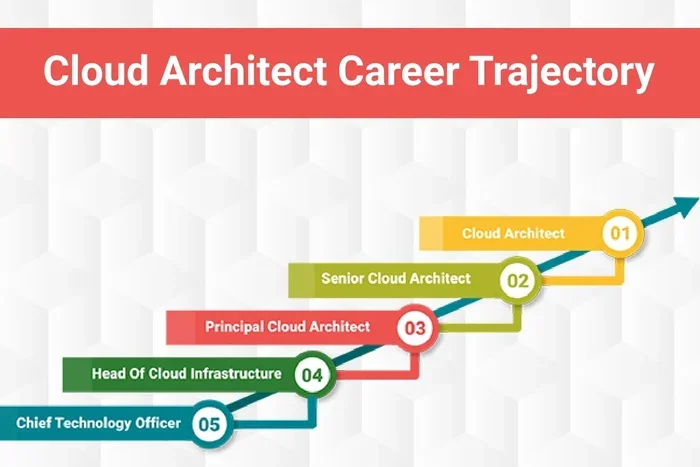
- Cloud Architect: Designs complex cloud solutions. This role requires deep technical knowledge and strong communication skills.
- Cloud Engineering Manager: Leads a team of cloud engineers. Combines technical expertise with project management.
- Solutions Architect: Works with clients to design cloud-based solutions that meet business needs.
- Chief Technology Officer (CTO): Oversees all technology strategy. A long-term goal for many in the cloud field.
The cloud computing salary grows significantly as you move up the ladder. Entry-level roles might start around $60,000-$80,000, while senior cloud architects can earn $150,000 or more. Your cloud computing career roadmap should include milestones for each career stage.
Common Mistakes to Avoid
Mistake 1: Trying to Learn Everything at Once
Many beginners make the mistake of trying to learn AWS, Azure, and GCP simultaneously. This leads to shallow knowledge and frustration. Pick one platform and go deep. You can always expand later.
Mistake 2: Ignoring Networking Fundamentals
Cloud computing is built on networking. If you do not understand DNS, subnets, routing, and firewalls, you will struggle with advanced cloud topics. Spend time learning these basics before jumping into cloud services.
Mistake 3: Skipping Hands-On Practice
Reading about cloud services is not enough. You must practice. Set up real environments, break things, and fix them. Hands-on experience is what employers value most.
Mistake 4: Neglecting Security
Cloud security is not optional. Many beginners focus only on building and deploying, ignoring security. Learn about IAM policies, encryption, and compliance from day one.
Mistake 5: Not Updating Your Resume with Certifications
Once you earn a certification, make sure it is visible on your resume and LinkedIn profile. Many hiring managers search for specific certifications when screening candidates.
Expert Insights on Succeeding in Cloud Computing
Stay Curious and Keep Learning
Cloud technology evolves constantly. New services and features are released every month. The best professionals in the field never stop learning. Set aside time each week to explore new tools and services. Follow cloud blogs, watch webinars, and participate in webinars and conferences.
Build a Portfolio
Certifications are important, but a strong portfolio can set you apart. Create a GitHub repository with your cloud projects. Document your architecture decisions and share your work. This shows employers that you can apply your knowledge in real-world scenarios.
Network Actively
Attend cloud meetups, join online communities, and connect with professionals on LinkedIn. Networking can lead to job opportunities, mentorship, and valuable industry insights. Many cloud professionals have found their best opportunities through personal connections.
Think Business, Not Just Technology
Senior cloud roles require you to understand business goals, not just technical details. Learn how cloud solutions drive business value. Understand cost optimization, ROI, and how technology decisions impact the bottom line.
Your 12-Month Cloud Computing Career Roadmap
Here is a practical 12-month plan to follow. This cloud computing career roadmap breaks down your journey into monthly milestones:
- Month 1-2: Learn cloud computing basics. Study deployment models, virtualization, and core concepts.
- Month 3: Pick your platform (AWS, Azure, or GCP). Set up a free tier account and start exploring.
- Month 4-5: Take a foundational course. Complete hands-on labs and build your first project.
- Month 6: Earn your foundational certification (AWS Cloud Practitioner, AZ-900, or Google Cloud Digital Leader).
- Month 7-8: Dive deeper into your chosen platform. Learn about compute, storage, networking, and databases.
- Month 9: Build two to three portfolio projects. Document them on GitHub.
- Month 10: Start studying for your associate-level certification.
- Month 11: Earn your associate certification (AWS Solutions Architect, Azure Administrator, or Google Cloud Associate).
- Month 12: Apply for entry-level cloud roles. Update your resume and LinkedIn profile with your new skills and certifications.
This timeline is flexible. Adjust it based on your pace and availability. The key is to stay consistent and keep moving forward.
Conclusion
Building a career in cloud computing is one of the smartest moves you can make in today’s tech landscape. The demand for skilled cloud professionals continues to grow, and the cloud computing salary reflects that demand. By following a structured cloud computing career roadmap, you can navigate this exciting field with confidence.
Start with the basics. Pick a platform. Build your skills. Earn certifications. Gain hands-on experience. And never stop learning. Each step in your cloud computing career roadmap brings you closer to a rewarding and future-proof career. The cloud is not going anywhere, and neither is the need for talented professionals who can harness its power. Start your journey today, and watch your career soar.
Frequently Asked Questions
How long does it take to complete a cloud computing career roadmap?
Most people can follow a structured cloud computing career roadmap in 12 to 18 months. This timeline includes learning basics, earning certifications, and building hands-on projects. Your pace may vary based on your prior experience and the time you can dedicate each week.
Do I need a degree to start a career in cloud computing?
No, a degree is not required. Many successful cloud professionals come from non-traditional backgrounds. Cloud computing certifications and hands-on experience matter more than formal education in this field. Employers value practical skills and proven knowledge.
Which cloud certification should I get first?
Start with a foundational certification like AWS Cloud Practitioner, Azure Fundamentals (AZ-900), or Google Cloud Digital Leader. These certifications introduce core concepts and are beginner-friendly. They also build confidence before tackling more advanced exams.
Is cloud computing a good career choice in 2024?
Absolutely. Cloud computing jobs are among the fastest-growing in the tech industry. Businesses across all sectors are migrating to the cloud, creating strong demand for skilled professionals. The cloud computing salary is also very competitive, making it an excellent career choice.
Can I learn cloud computing on my own?
Yes, you can. There are many free and affordable resources available. AWS, Azure, and Google Cloud offer free tier accounts and learning labs. Online platforms like Udemy, Coursera, and A Cloud Guru provide structured courses. Self-study works well if you stay consistent and practice regularly.
What is the difference between a cloud engineer and a cloud architect?
A cloud engineer focuses on implementing and managing cloud infrastructure. They handle deployment, monitoring, and troubleshooting. A cloud architect designs the overall cloud strategy and infrastructure. Architects make high-level decisions about how systems should be built and how they should scale.