Everything You Need for a Cloud Computing Career Path
A cloud computing career path opens doors to high-paying jobs in tech. You will learn about essential skills, top certifications, and real-world roles. This guide covers everything from entry-level positions to advanced cloud architecture jobs. Whether you are just starting or leveling up, this article has you covered.
Cloud computing has changed the way businesses run. Companies no longer need big servers in their offices. They use cloud computing career path services to store data, run apps, and scale fast. This shift has created thousands of new jobs. If you are thinking about a career in tech, cloud computing is one of the smartest moves you can make.
The demand for cloud professionals is growing every year. Big companies like Amazon, Microsoft, and Google are leading the charge. But small businesses need cloud help too. This means there are jobs for all skill levels. In this guide, we will walk you through everything you need to know. You will learn about roles, skills, certifications, and how to get started today.
Key Takeaways
- Clear roadmap: Understand each step of the cloud computing career path from beginner to expert.
- Top certifications: Learn which cloud credentials boost your hiring chances the most.
- High demand: Cloud computing jobs are growing fast across every industry.
- Solid salaries: Cloud roles offer competitive pay at all experience levels.
- Practical tips: Get actionable advice on building skills and landing your first cloud job.
📑 Table of Contents
- What Is a Cloud Computing Career Path?
- Why Choose a Cloud Computing Career?
- Skills You Need for a Cloud Computing Career
- Top Certifications for Cloud Computing Careers
- How to Start Your Cloud Computing Career Path
- Cloud Computing Career Path: Salary and Growth
- Common Mistakes to Avoid
- Expert Tips for Success
- Conclusion
What Is a Cloud Computing Career Path?
A cloud computing career path is the journey you take to build a job in cloud technology. It starts with basic knowledge and grows into specialized roles. Think of it like climbing a ladder. Each step gives you more skills and better pay. Some people start as helpers and become cloud experts over time.
The path is not one-size-fits-all. You can go many directions. Some folks love building systems. Others enjoy keeping things safe. The beauty of cloud computing is that you pick what fits you best. Let us look at the main roles you can pursue.
Common Roles in Cloud Computing
- Cloud Engineer: They build and manage cloud systems. They make sure apps run smoothly in the cloud.
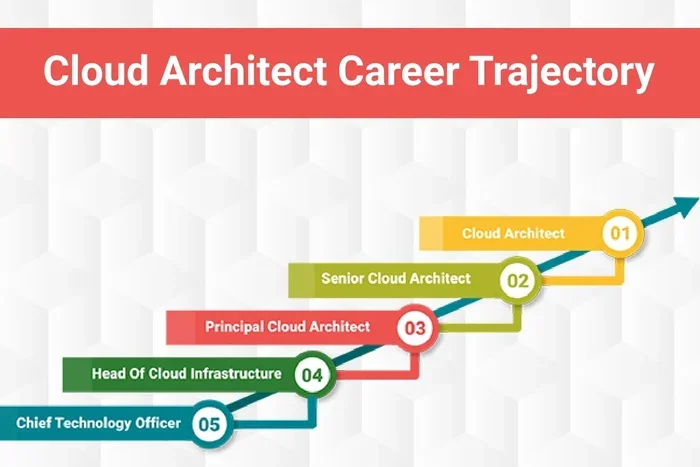
- Cloud Architect: They design the big picture. They plan how a company’s cloud setup should look.
- Cloud Administrator: They handle day-to-day cloud tasks. They manage users, storage, and access.
- DevOps Engineer: They connect development and operations. They automate cloud deployment and updates.
- Cloud Security Specialist: They protect cloud data and systems. They make sure everything stays safe from hackers.
- Cloud Consultant: They advise companies on cloud strategy. They help businesses move to the cloud the right way.
Each role needs a slightly different set of cloud computing skills. But they all share a strong foundation. That foundation is what we will cover next.
Why Choose a Cloud Computing Career?
There are many great reasons to pursue a cloud computing career path. Let us break down the biggest benefits.
High Job Demand
Companies everywhere are moving to the cloud. This means they need skilled workers. Job boards show thousands of open cloud positions every month. The trend is not slowing down. In fact, it is speeding up. Cloud job growth is one of the fastest in the tech world.
Great Pay
Cloud roles pay very well. Entry-level positions often start above average tech salaries. Senior cloud architects can earn six figures or more. The exact cloud computing salary depends on your role and location. But one thing is clear, cloud workers earn good money.
Job Flexibility
Many cloud jobs offer remote work. You can work from home or anywhere in the world. This flexibility is a big draw for many professionals. You get the freedom to design your work life.
Room to Grow
The cloud world is always changing. New tools and services come out all the time. This means you will never stop learning. There is always something new to explore. Your cloud computing skills will keep growing with you.
Skills You Need for a Cloud Computing Career
To succeed in a cloud computing career path, you need a mix of technical and soft skills. Let us look at what matters most.
Technical Skills
- Networking Basics: You need to understand how data moves. Knowledge of IP addresses, DNS, and firewalls is key.
- Virtualization: This is the foundation of cloud tech. You should know how virtual machines work.
- Operating Systems: Linux and Windows are both important. Most cloud systems run on Linux.
- Cloud Platforms: Learn at least one major platform. Amazon Web Services (AWS) is the most popular. Microsoft Azure and Google Cloud Platform (GCP) are also in demand.
- Coding Basics: You do not need to be a master programmer. But Python, Java, or PowerShell skills help a lot.
- Infrastructure as Code: Tools like Terraform let you manage cloud resources with code. This is a hot skill right now.
- Cloud Security: Understanding identity, access, and encryption is essential. Every cloud role needs security awareness.
Soft Skills
- Problem Solving: Cloud systems can break in tricky ways. You need to think clearly under pressure.
- Communication: You will work with many teams. Being able to explain tech in simple terms is a big plus.
- Teamwork: Cloud projects are almost always team efforts. You need to work well with others.
- Curiosity: The cloud world changes fast. A love of learning will keep you ahead.
Top Certifications for Cloud Computing Careers
Certifications are one of the best ways to prove your skills. They show employers you know your stuff. A strong cloud computing certification can open many doors. Let us look at the top options.
AWS Certifications
Amazon Web Services is the biggest cloud provider. Their certifications are widely respected. Start with the AWS Cloud Practitioner. It is great for beginners. Then move to the Solutions Architect Associate. This is one of the most popular cloud certifications out there.
Microsoft Azure Certifications
Azure is a strong player in the cloud market. The AZ-900 exam is the entry point. It covers cloud basics. After that, try the Azure Administrator Associate path. Many companies use Azure, so these certs are very valuable.
Google Cloud Certifications
Google Cloud Platform has its own set of certs. The Cloud Digital Leader is a great starting point. The Associate Cloud Engineer is the next step. GCP certs are perfect if you want to work with data-heavy cloud apps.
Other Valuable Certs
- CompTIA Cloud+: A vendor-neutral option. Good for general cloud knowledge.
- HashiCorp Terraform Associate: Great for infrastructure as code skills.
- Certified Kubernetes Administrator (CKA): Essential for container-based cloud work.
Pick one or two certs to start. Do not try to earn them all at once. Focus on what fits your chosen cloud computing career path.
How to Start Your Cloud Computing Career Path
Starting a cloud computing career path might feel overwhelming. But it does not have to be. Here is a simple roadmap you can follow.
Step 1: Learn the Basics
Start with free or low-cost courses. Platforms like AWS Skill Builder, Microsoft Learn, and Google Cloud Skills Boost offer great starters. Focus on understanding what cloud computing is. Learn about IaaS, PaaS, and SaaS. These are the three main cloud service models.
Step 2: Pick a Platform
Choose one cloud platform to focus on. AWS is the market leader. Azure is strong in the enterprise space. GCP shines in data and analytics. Pick the one that matches your goals. Stick with it until you are confident.
Step 3: Get Hands-On Practice
Reading alone is not enough. You need to build things in the cloud. Use free tiers from AWS, Azure, or GCP. Create a simple website. Set up a storage bucket. Try deploying a small app. Hands-on practice is the fastest way to learn.
Step 4: Earn a Certification
Once you feel ready, take a certification exam. The entry-level certs are perfect for this stage. They give you a credential to show employers. They also help you stay motivated on your learning journey.
Step 5: Build a Portfolio
Show what you can do. Create a GitHub profile with your cloud projects. Write about what you built and why. A strong portfolio sets you apart from other job seekers. It proves you can do real work.
Step 6: Apply for Jobs
Start with entry-level or junior roles. Look for titles like cloud support associate or junior cloud engineer. Do not worry if the job posting asks for experience you do not have yet. Focus on showing your skills and willingness to learn.
Cloud Computing Career Path: Salary and Growth
One of the best things about a cloud computing career path is the earning potential. Salaries grow as you gain experience. Let us look at what you can expect.
Entry-Level Cloud Jobs
Junior cloud roles are a great starting point. Titles like Cloud Support Associate or Junior Cloud Engineer are common. These positions pay well above average starting salaries. They also give you real-world experience. You will learn how cloud systems work in practice.
Mid-Level Cloud Roles
After a few years, you can move up. Cloud Engineer and Cloud Administrator roles pay more. You will handle bigger projects. You will also mentor newer team members. This is where your cloud computing skills really start to shine.
Senior and Expert Roles
Senior cloud architects and cloud consultants earn top pay. These roles require deep expertise. You will design complex cloud systems. You will also guide company strategy. The cloud computing salary at this level can be very impressive.
Growth Outlook
The Bureau of Labor Statistics projects strong growth for cloud and IT roles. More companies are moving to the cloud every year. This means more jobs and more opportunities. Your cloud computing career path can take you far if you stay curious and keep learning.
Common Mistakes to Avoid
Many people make avoidable mistakes on their cloud computing career path. Here are the ones to watch out for.
- Trying to learn everything at once: Cloud is huge. Focus on one platform first. Go deep before you go wide.
- Skipping hands-on practice: Certifications are important. But real skills come from building things. Do not just read, do.
- Ignoring security: Cloud security is not optional. Every role needs at least basic security knowledge.
- Not networking: Join cloud communities online. Attend meetups. Connections lead to job opportunities.
- Waiting for perfection: You do not need to know everything before you apply. Start applying when you are ready. You will learn on the job.
Avoid these traps and your journey will be smoother. Progress beats perfection every time.
Expert Tips for Success
We asked experienced cloud professionals for their best advice. Here is what they shared.
Start small and stay consistent. Even 30 minutes of learning a day adds up fast. You do not need marathon study sessions. Short, regular practice works better.
Build projects you care about. If you love music, build a cloud music app. If you care about fitness, track workouts in the cloud. Passion keeps you going when things get tough.
Join the community. Reddit, Discord, and LinkedIn groups are full of cloud learners. Ask questions. Share what you know. Helping others helps you learn too.
Keep your resume updated. Add every project and certification. Employers want to see your growth. A living resume shows you are serious about your cloud computing career path.
Never stop learning. Cloud technology evolves quickly. New services launch every quarter. The best professionals stay curious. They treat learning as a lifelong habit.
Conclusion
A cloud computing career path is one of the best choices you can make in tech today. The demand is high. The pay is great. And the opportunities are everywhere. Whether you want to be a cloud engineer, architect, or security specialist, there is a place for you.
Start by learning the basics. Pick a platform. Get hands-on practice. Earn a certification. Build a portfolio. Then apply for your first role. The journey takes time, but every step counts. Stay curious, keep learning, and trust the process. Your cloud career is waiting.
FAQs
What is a cloud computing career path?
A cloud computing career path is the journey from learning cloud basics to landing a job in cloud technology. It includes roles like cloud engineer, cloud architect, and cloud administrator. You build skills, earn certifications, and grow over time.
How long does it take to start a cloud computing career?
It depends on your starting point. With focused study, you can get entry-level cloud jobs in 6 to 12 months. If you have tech experience already, it may take less time. Consistency is the key factor.
Do I need a degree for a cloud computing career?
No, you do not need a degree. Many cloud professionals are self-taught or bootcamp graduates. Employers care more about skills and certifications. A strong portfolio can replace a degree in many cases.
Which cloud certification should I start with?
The AWS Cloud Practitioner or Azure AZ-900 are great starting points. They cover cloud basics and are beginner-friendly. Pick the platform that matches your goals and start there.
Is cloud computing a good career choice?
Yes, cloud computing is one of the best career choices in tech. Job demand is high, pay is competitive, and growth opportunities are strong. It is a smart move for anyone interested in technology.
What is the average cloud computing salary?
Entry-level cloud roles often start around $60,000 to $80,000 per year. Mid-level positions can reach $100,000 or more. Senior cloud architects and consultants earn well above that. The exact cloud computing salary depends on your role, location, and experience level.