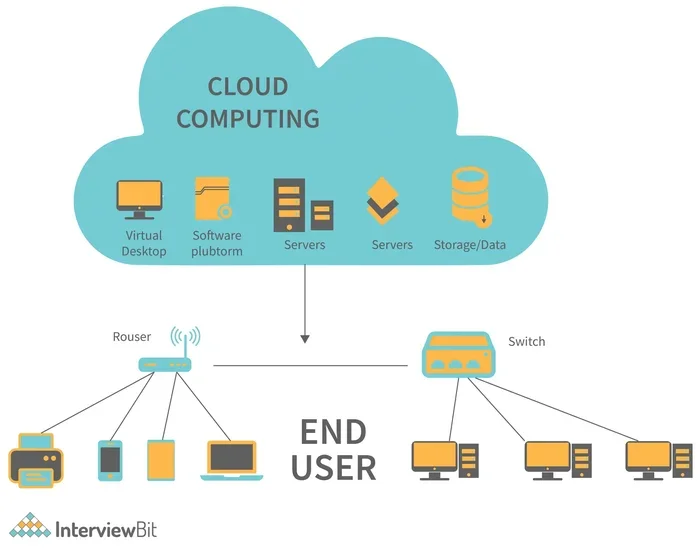
What Is the Cloud Computing Reference Architecture
The cloud computing reference architecture is a blueprint that shows how different cloud components work together. It helps businesses build scalable and secure systems in the cloud. This guide explains the core layers and service models of the cloud computing reference architecture. You will learn how to use this model for better enterprise cloud design.
Have you ever wondered how big companies build reliable systems in the cloud? They do not just guess or pull ideas out of thin air. They use a special blueprint. This blueprint is called the cloud computing reference architecture. It acts as a guide for building strong and flexible cloud architecture. In this post, we will break down exactly what this means. We will look at the reference model and its cloud computing components. You will learn how to use this blueprint for your own projects, whether you are a beginner or a seasoned developer.
Think of the cloud computing reference architecture like a map for a long road trip. It shows you the path to build great systems. Without it, you might get lost in the technical details and make costly mistakes. This guide covers the core layers, service models, and design patterns. By the end, you will know how to create a scalable infrastructure. You will also understand the importance of a solid cloud security architecture. Let us dive into the details of the cloud ecosystem and see how it all fits together.
Key Takeaways
- Blueprint for the Cloud: The cloud computing reference architecture provides a clear blueprint for building cloud systems.
- Core Layers Matter: It includes the infrastructure, platform, and software layers that make cloud services work.
- Service Models Explained: Understanding IaaS, PaaS, and SaaS is key to using the reference model correctly.
- Security is Built-In: A strong cloud security architecture is part of the reference design to protect data.
- Scalable Infrastructure: This architecture helps create a scalable infrastructure that grows with your business needs.
📑 Table of Contents
Understanding the Cloud Computing Reference Architecture
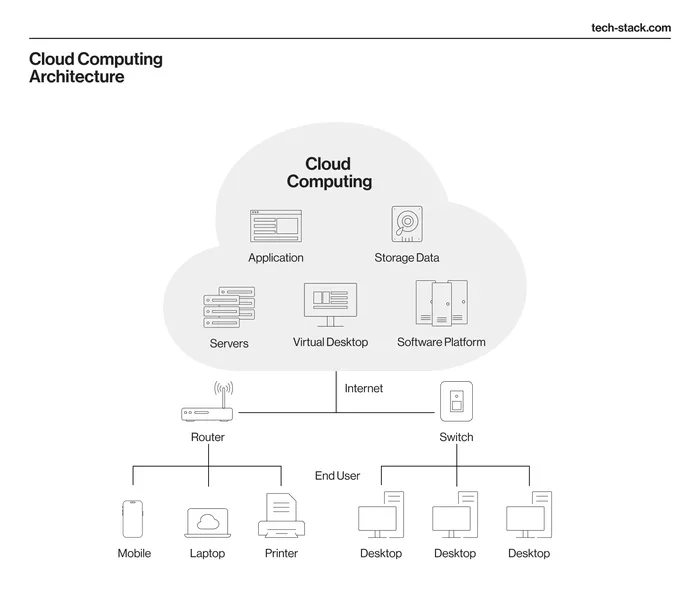
The cloud computing reference architecture is a standard blueprint used across the industry. It defines how different parts of a cloud system should work together. It is not a specific product you can buy from a vendor. Instead, it is a reference model. This model helps architects and developers design systems that are efficient and reliable. It ensures that all cloud computing components fit together nicely. Whether you are building a small app or a huge enterprise cloud system, this helps you stay organized.
The beauty of this architecture is its flexibility. You can adapt it to fit your specific business needs. It provides a common language for teams to communicate clearly. When everyone speaks the same language, projects move faster. It also reduces the risk of expensive errors. By following this reference model, you align your work with industry best practices. This makes your cloud architecture more robust and much easier to maintain over the long term. It acts as the foundation for all your future digital initiatives.
Another great benefit is standardization. When you use a standard blueprint, onboarding new team members becomes easier. They can look at the cloud computing reference architecture and immediately understand the design. This saves hours of training and explanation. It also makes it easier to integrate new tools. You can add new cloud computing components without disrupting the whole system. This level of organization is vital for growing companies.
The Core Layers of the Cloud
The cloud computing layers divide the system into manageable parts. Each layer has a specific job and responsibility. This makes the cloud architecture much easier to understand and manage. When you separate concerns, you can update one layer without breaking the others.
- Infrastructure Layer: This is the foundation of everything. It includes physical servers, storage devices, and networking equipment. You might hear this called IaaS or Infrastructure as a Service. It provides the raw scalable infrastructure you need to run any application. Think of it as the land your house is built on.
- Platform Layer: This sits right on top of the infrastructure. It gives developers the tools they need to build apps without worrying about the underlying hardware. This is PaaS or Platform as a Service. It handles things like databases, development frameworks, and operating systems. This layer speeds up the development process significantly.
- Software Layer: This is the top layer where users interact. People use these applications every day without even realizing it. It is SaaS or Software as a Service. Examples include webmail, customer management tools, and office suites. This layer delivers value directly to the end user.
Cloud Service Models Explained
To really grasp the cloud computing reference architecture, you must know the cloud service models. These models define what you get from your cloud provider. They shape how you build and run your applications on the platform layer and beyond. Choosing the right cloud deployment models starts with understanding the cloud computing reference architecture and what it offers.
IaaS, PaaS, and SaaS
These three models are the building blocks of the reference model. They offer different levels of control, flexibility, and management. Choosing the right one depends on what you want to handle yourself.
- IaaS (Infrastructure as a Service): You manage the applications, data, runtime, and middleware. The provider manages the virtualized computing resources. This gives you the most control over your scalable infrastructure. It is perfect for system administrators who want full control.
- PaaS (Platform as a Service): You manage your applications and data. The provider handles the operating system, runtime, and middleware. This speeds up development in the platform layer. Developers love it because they can focus on writing code instead of managing servers.
- SaaS (Software as a Service): You just use the software application. The provider manages everything else, from the infrastructure to the application itself. This is common in the software layer for everyday business tools. Users simply log in and start working.
Cloud Deployment Models
Where your cloud lives matters just as much as how it is built. The cloud deployment models describe the type of cloud environment you use. Choosing the right one affects your cloud network architecture, cost, and security. You must pick the model that fits your business goals.
Public, Private, and Hybrid Clouds
Each cloud deployment model has its own unique benefits and drawbacks. You must carefully evaluate which one aligns with your enterprise cloud strategy.
- Public Cloud: Owned and operated by a third-party provider. Resources are shared among many different users, or tenants. It is highly cost-effective and incredibly scalable. This is a great choice for startups and small businesses.
- Private Cloud: Used exclusively by a single organization. It can be hosted on-premises or by a third party. It offers more control and privacy. This is often chosen for strict cloud security architecture needs and regulatory compliance.
- Hybrid Cloud: A mix of public and private clouds, bound together by technology. It lets you keep sensitive data private while using the public cloud for less sensitive tasks. Many modern enterprise cloud setups use this to get the best of both worlds.
Comparing the Deployment Models
Here is a quick look at how the different cloud deployment models stack up against each other. This table helps you visualize the differences.
| Model | Control Level | Best For | Cost |
|---|---|---|---|
| Public Cloud | Low | Startups and scalable web apps | Low |
| Private Cloud | High | Strict compliance and security needs | High |
| Hybrid Cloud | Medium | Flexible multi-cloud strategies | Medium |
Key Components of the Reference Model
A complete cloud computing reference architecture includes more than just layers. It connects all the cloud computing components together seamlessly. This ensures that data flows smoothly and securely across the entire cloud ecosystem. Without proper integration, even the best individual parts will fail to deliver value. Think of it like a well-oiled machine. Every gear must turn in perfect harmony for the system to work.
When you look at the cloud computing layers, you see how they depend on each other. The infrastructure layer supports the platform layer. The platform layer supports the software layer. This dependency is why careful planning is so important. You cannot build the roof before the walls are up. A solid reference model accounts for these dependencies perfectly. It ensures that your scalable infrastructure can handle the load placed above it without breaking a sweat.
Cloud Network Architecture
The cloud network architecture handles how data moves between different parts of the system. It connects users to the infrastructure layer efficiently. Good network design is absolutely crucial for overall performance. It ensures fast access times and reliable connections for all users. Without a solid network, even the most powerful scalable infrastructure will fail to deliver a good experience. Load balancers and firewalls are key parts of this design.
Cloud Security Architecture
Security is never an afterthought in a well-designed system. It is built right into the cloud security architecture from the ground up. This component protects data at every single level of the stack. It includes firewalls, encryption protocols, and strict access controls. Strong security builds trust in the cloud architecture. It keeps your enterprise cloud safe from external threats and internal leaks. You must always prioritize this when building your systems.
Cloud Design Patterns and Best Practices
Using the reference model is just the first step. You also need good cloud design patterns to make it work. These are proven solutions to common problems that architects face every day. They help you build better, more reliable systems in the cloud ecosystem. Following these patterns saves time and reduces risk significantly.
Design patterns are not just theoretical concepts. They are practical tools you can use right now. For example, the “load balancer” pattern helps distribute traffic evenly. This prevents any single server from becoming overwhelmed. Another pattern is “auto-scaling,” which adjusts resources based on demand. These patterns are essential for maintaining a scalable infrastructure. They ensure your cloud network architecture remains responsive under heavy loads.
Quick Tips for Success
Building a great cloud system takes careful planning. Here are some quick tips to keep in mind as you work:
- Start Small: Do not try to build everything at once. Start with a simple cloud service model and grow gradually.
- Focus on Security Early: Always include cloud security architecture in your early planning stages. It is much harder to add later.
- Plan for Scale: Design your scalable infrastructure before you actually need the extra capacity. Be proactive.
- Monitor Everything: Keep a close eye on performance and costs. This helps you optimize your cloud network architecture continuously.
Common Mistakes to Avoid
Many people make avoidable mistakes when building cloud systems. Learning from others saves you time and money. Here are a few pitfalls to watch out for.
- Ignoring the Reference Model: Skipping the blueprint leads to messy, disorganized systems that are hard to fix.
- Overlooking the Platform Layer: Forgetting PaaS can slow down your developers and delay product launches.
- Neglecting Security: A weak cloud security architecture invites data breaches and compliance fines.
- Picking the Wrong Deployment Model: Choosing public over private when you need strict control causes operational headaches.
Expert Insights
Industry experts always say that the cloud computing reference architecture is a living document. It is not something you set and forget. As technology changes rapidly, the reference model evolves too. You should review your cloud architecture regularly to ensure it stays current. This keeps your multi-cloud or hybrid cloud setup running smoothly. It also ensures your enterprise cloud stays competitive and secure against new threats. Continuous improvement is the key to long-term success.
Conclusion
The cloud computing reference architecture is your ultimate guide to building in the cloud. It gives you a clear reference model to follow every step of the way. From the infrastructure layer to the software layer, every part plays a vital role. By understanding the cloud computing components and cloud service models, you can build better systems. You will create a scalable infrastructure that grows with your business needs. Remember to prioritize your cloud security architecture and choose the right cloud deployment models. Use the cloud design patterns to avoid common pitfalls. Now you have the blueprint to succeed in the cloud ecosystem. Start building your cloud architecture the right way today!
Frequently Asked Questions
What is the purpose of a cloud computing reference architecture?
It provides a standard blueprint for building cloud systems. It helps teams design scalable and secure solutions. This model ensures all cloud computing components work together smoothly.
How does the reference model differ from an actual cloud product?
The reference model is a conceptual framework, not a physical product. It guides how you design your architecture. A product is the actual software or service you buy to build on.
Why is the infrastructure layer so important?
It forms the foundation of the entire cloud system. Without a strong infrastructure layer, the upper layers cannot function. It provides the scalable infrastructure needed for all applications.
Can small businesses use the cloud computing reference architecture?
Absolutely. It is not just for large enterprises. Small businesses can use this blueprint to plan their cloud service models. It helps them build a secure and cost-effective cloud architecture from day one.
What role does cloud security architecture play in this model?
Security is a core component of the reference architecture. It protects data across all layers of the system. A strong cloud security architecture prevents breaches and ensures compliance.
How do cloud design patterns fit into the reference model?
Design patterns are proven solutions for common building challenges. They help you implement the reference model effectively. Using these patterns ensures your cloud ecosystem is reliable and efficient.