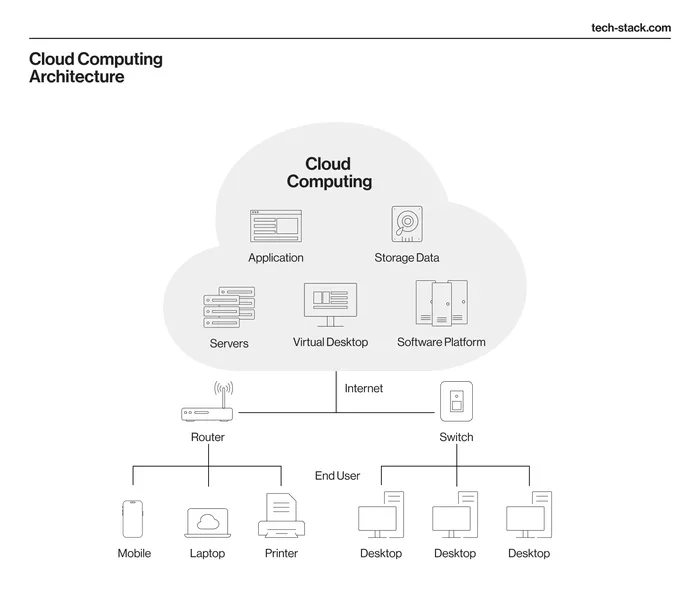
Mainframe Architecture in Cloud Computing for Beginners
Mainframe architecture in cloud computing is a hot topic that blends old-school reliability with new-school flexibility. This guide breaks down how powerful mainframe servers now work alongside modern cloud platforms. You will learn the core components, benefits, and practical steps for integrating these two worlds. Whether you are a beginner or a curious IT professional, this article gives you clear, actionable insights. By the end, you will understand why mainframe architecture in cloud computing matters and how it shapes the future of enterprise technology.
You might think mainframes are ancient computers from the 1960s. And yes, they have been around for a very long time. But here is the surprise. Mainframe architecture in cloud computing is one of the most talked-about topics in enterprise IT today. Big companies like banks, airlines, and insurance firms still rely heavily on mainframe servers. These machines process billions of transactions every single day. They do it with incredible speed and near-perfect reliability.
So why are we talking about mainframes and the cloud together? Because the world is changing fast. Companies want the rock-solid dependability of mainframes. At the same time, they want the flexibility and scale of cloud platforms. Mainframe architecture in cloud computing makes that possible. It bridges the gap between old and new technology. In this guide, we will walk you through everything you need to know. We will keep things simple and practical. No jargon. No confusion. Just clear, useful information you can actually use.
Key Takeaways
- Mainframe architecture in cloud computing combines the reliability of legacy systems with the scalability of modern cloud platforms.
- Hybrid cloud setups let businesses keep critical workloads on mainframes while leveraging cloud flexibility for newer applications.
- Mainframe modernization involves migrating COBOL applications, adopting containerization, and using APIs for seamless integration.
- Security and compliance remain strong advantages of mainframe systems, even when deployed in cloud environments.
- Workload automation and virtualization are key enablers that make mainframe-cloud integration smooth and efficient.
- Cost savings and scalability are major drivers pushing enterprises to adopt mainframe architecture in cloud computing.
- Beginners should focus on understanding core concepts like distributed computing, legacy system integration, and cloud-native development.
📑 Table of Contents
- What Is Mainframe Architecture in Cloud Computing?
- Core Components of Mainframe Architecture
- How Mainframe Architecture Integrates with the Cloud
- Benefits of Mainframe Architecture in Cloud Computing
- Common Challenges and How to Overcome Them
- Quick Tips for Beginners
- Expert Insights on Mainframe Modernization
- Key Takeaways
- Conclusion
What Is Mainframe Architecture in Cloud Computing?
Let us start with the basics. A mainframe is a large, powerful computer designed for heavy workloads. It handles massive amounts of data and transactions simultaneously. Think of banking systems, airline booking platforms, and government databases. These all run on mainframes. They have been doing so for decades.
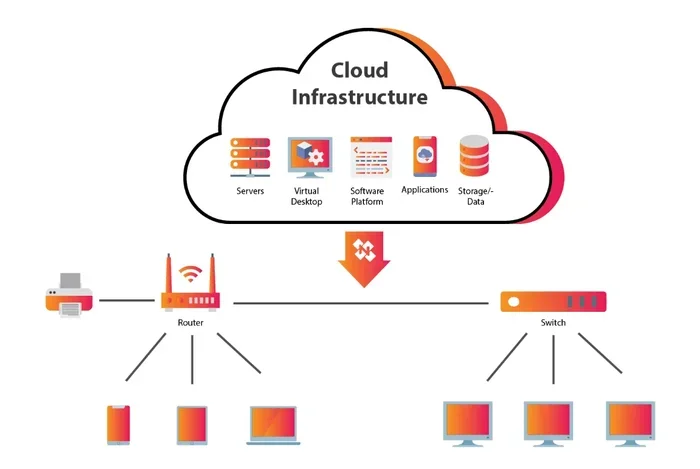
Now, cloud computing refers to delivering computing services over the internet. This includes storage, processing power, and software. When you combine mainframe architecture with cloud computing, you get a hybrid setup. This setup brings together the best of both worlds. Mainframe architecture in cloud computing means running mainframe workloads in or alongside cloud environments. It can also mean modernizing mainframe applications to work with cloud-native tools.
Why Does This Combination Matter?
The combination matters because businesses need both stability and agility. Mainframes offer unmatched reliability. They rarely crash. They process transactions in milliseconds. Cloud platforms offer scalability. You can add or reduce resources on demand. When you merge these strengths, you get a powerful enterprise infrastructure. Mainframe architecture in cloud computing lets companies keep their trusted systems while embracing modern technology trends.
Core Components of Mainframe Architecture
To understand how mainframes work in the cloud, you need to know the basic building blocks. Let us break down the core components.
Central Processing Unit (CPU)
The CPU is the brain of the mainframe. It handles all computation and processing tasks. Mainframe CPUs are designed for high throughput. They can process millions of instructions per second. In a cloud environment, these CPUs can be virtualized. This means multiple virtual machines share the same physical CPU. This improves efficiency and reduces costs.
Memory and Storage
Mainframes use large amounts of memory, often called real storage. This memory is shared across many workloads. Storage on mainframes is also massive. Traditional mainframes use magnetic disk and tape systems. In cloud computing, storage can be distributed across multiple locations. Cloud-based storage adds flexibility. You can scale storage up or down as needed.
Operating Systems
Mainframes run specialized operating systems. The most common one is z/OS, developed by IBM. Other operating systems include z/VM and z/VSE. These systems manage hardware resources and run applications. When mainframes connect to the cloud, these operating systems can integrate with cloud management tools. This enables smoother workload distribution.
Input/Output Channels
Mainframes use dedicated I/O channels to handle data transfer. These channels are separate from the CPU. This design allows the mainframe to process data while moving it at the same time. It is one reason mainframes are so fast. In cloud environments, I/O operations are managed through virtual channels and network interfaces.
How Mainframe Architecture Integrates with the Cloud
Now that you know the core parts, let us look at how they connect to the cloud. Mainframe architecture in cloud computing involves several integration strategies. Each strategy has its own benefits and use cases.
Hybrid Cloud Integration
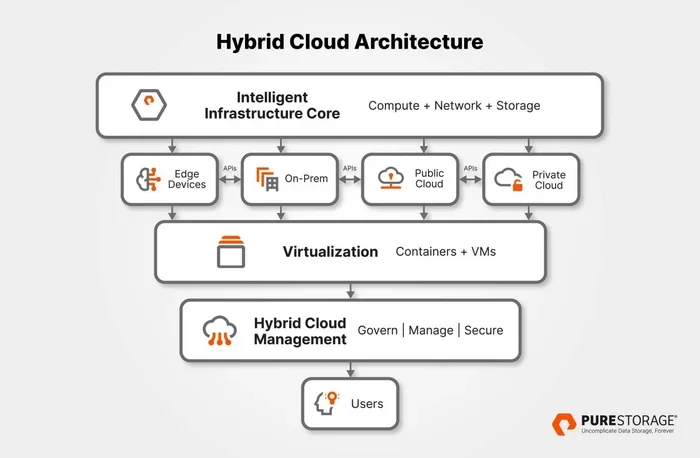
A hybrid cloud setup combines on-premises mainframes with public or private cloud resources. Companies keep critical workloads on the mainframe. They move less sensitive or more flexible workloads to the cloud. This approach gives businesses the best of both worlds. They retain the security and reliability of mainframes. They also gain the scalability of the cloud.
Mainframe-as-a-Service
Some cloud providers now offer mainframe capabilities as a service. This is called mainframe-as-a-service. Instead of buying and maintaining physical mainframe hardware, companies can rent mainframe resources in the cloud. This reduces upfront costs. It also makes mainframe technology more accessible to smaller businesses. Mainframe architecture in cloud computing becomes more flexible with this model.
API-Based Integration
APIs act as bridges between mainframes and cloud applications. Through APIs, cloud-based programs can request data from the mainframe. They can also send commands back. This allows seamless communication. For example, a mobile banking app can pull account data from a mainframe backend using an API. The user gets a fast, modern experience while the heavy lifting happens on the mainframe.
Containerization and Virtualization
Containers and virtual machines help run mainframe workloads in cloud environments. Virtualization creates software versions of mainframe hardware. Containers package applications with their dependencies. Both approaches make it easier to move workloads between on-premises mainframes and the cloud. Mainframe modernization heavily relies on these technologies.
Benefits of Mainframe Architecture in Cloud Computing
Why are so many enterprises investing in this combination? Let us look at the key benefits.
Scalability
Cloud platforms let you scale resources up or down instantly. When you pair this with mainframe processing power, you get incredible scalability. Your system can handle sudden traffic spikes without breaking a sweat. This is vital for businesses with unpredictable workloads.
Cost Efficiency
Running a mainframe on premises is expensive. You need specialized hardware, cooling, and maintenance staff. Cloud-based mainframe services reduce these costs. You pay only for what you use. This pay-as-you-go model is much more budget-friendly for many organizations.
Enhanced Security
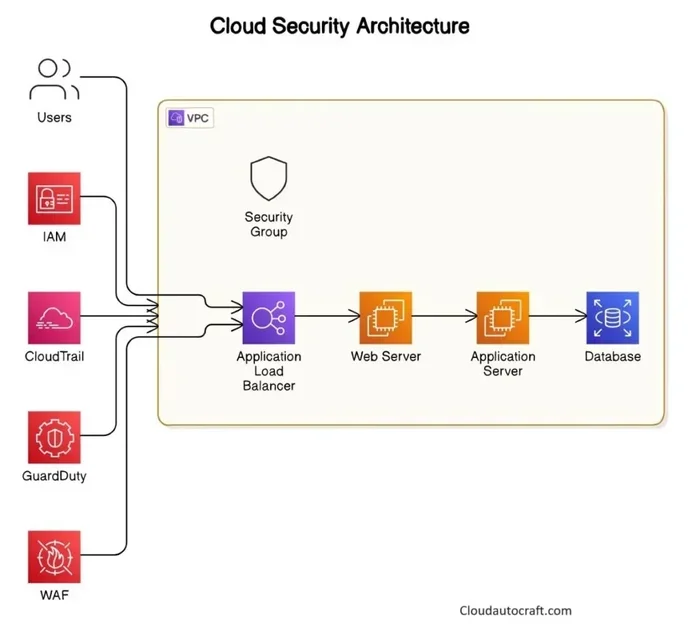
Mainframes are known for their strong security features. They include hardware-level encryption and advanced access controls. When integrated with cloud security tools, the result is a very secure environment. Mainframe architecture in cloud computing inherits the best security practices from both sides.
Business Continuity
Mainframes have built-in redundancy and failover capabilities. Cloud platforms offer disaster recovery and backup services. Together, they create a robust business continuity plan. If one system goes down, the other takes over. This ensures minimal downtime and data loss.
Workload Automation
Automating repetitive tasks saves time and reduces errors. Mainframes excel at batch processing and scheduled jobs. Cloud tools add intelligent automation on top of that. You can orchestrate complex workflows across mainframe and cloud systems. This is a huge advantage for enterprises running diverse workloads.
Common Challenges and How to Overcome Them
Integrating mainframes with the cloud is not all smooth sailing. There are real challenges. Let us look at the most common ones and how to address them.
Legacy System Complexity
Many mainframe applications were written decades ago. They use older programming languages like COBOL. These systems can be hard to understand and modify. The solution is gradual modernization. Start by wrapping legacy applications with APIs. This lets cloud applications interact with them without rewriting the entire codebase.
Skill Gaps
There are fewer and fewer professionals who understand mainframe technology. This skill gap makes integration projects harder. Companies can overcome this by training existing IT staff. They can also partner with mainframe modernization consultants. Cloud providers are also adding more mainframe support to their platforms.
Data Migration Risks
Moving data from a mainframe to the cloud carries risks. Data corruption or loss during migration is a real concern. To minimize risk, use staged migration approaches. Test thoroughly at every step. Always maintain backups before any migration activity.
Latency and Performance
Cloud networks can introduce latency. This is the delay in data travel between systems. For real-time mainframe workloads, latency can be a problem. Solutions include using dedicated network connections and edge computing. These approaches reduce the distance data needs to travel.
Vendor Lock-In
Relying too heavily on one cloud provider can create problems. If that provider changes pricing or services, you are stuck. To avoid vendor lock-in, use open standards and portable formats. Containerization helps here too. It makes workloads easier to move between different cloud platforms.
Quick Tips for Beginners
Getting started with mainframe architecture in cloud computing can feel overwhelming. Here are some quick tips to help you on your journey.
- Start small. Do not try to migrate everything at once. Pick one workload or application to experiment with.
- Learn the basics of COBOL. Even a little knowledge goes a long way. Many mainframe applications still rely on this language.
- Explore cloud provider mainframe offerings. IBM Cloud, AWS, and Azure all have mainframe-related services. Try them out in a free tier.
- Focus on APIs. Understanding how mainframes communicate with cloud apps through APIs is essential.
- Join online communities. There are many forums and groups dedicated to mainframe modernization and cloud integration.
- Keep security in mind. Always follow best practices for data protection when moving workloads between environments.
Expert Insights on Mainframe Modernization
Mainframe architecture in cloud computing is not just a technical trend. It is a strategic business move. Industry experts agree that mainframe modernization is critical for long-term competitiveness. According to recent studies, over 70 percent of large enterprises still run key workloads on mainframes. Yet more than half of them are planning cloud integration projects.
The goal is not to replace mainframes. It is to enhance them. By connecting mainframes to cloud platforms, companies can innovate faster. They can develop new applications using modern tools. They can also reduce operational costs. The mainframe stays as the reliable backbone. The cloud adds the agility and scale needed for digital transformation.
Experts also emphasize the importance of a clear migration strategy. Jumping into cloud integration without a plan leads to problems. A good strategy includes assessing current workloads, identifying integration points, and setting clear goals. With the right approach, mainframe architecture in cloud computing becomes a powerful competitive advantage.
Key Takeaways
- Mainframe architecture in cloud computing combines the reliability of legacy systems with the scalability of modern cloud platforms.
- Core components like CPUs, memory, operating systems, and I/O channels form the foundation of mainframe systems.
- Hybrid cloud integration is the most common approach, keeping critical workloads on mainframes while leveraging cloud flexibility.
- Benefits include scalability, cost efficiency, enhanced security, business continuity, and workload automation.
- Challenges like legacy complexity, skill gaps, and data migration risks can be overcome with the right strategies.
- Beginners should start small, learn the basics, and focus on APIs for practical integration work.
- Mainframe modernization is a strategic investment that positions enterprises for long-term growth and innovation.
Conclusion
Mainframe architecture in cloud computing represents a powerful convergence of proven reliability and modern flexibility. Mainframes have earned their reputation over decades of dependable service. They process the transactions that keep the global economy running. Cloud computing has transformed how businesses build, deploy, and scale applications. Together, they create an infrastructure that is both stable and agile.
You do not need to be an expert to understand the basics. The key ideas are straightforward. Legacy systems bring strength. Cloud platforms bring flexibility. When you combine them through smart integration strategies, the results are impressive. Businesses can modernize gradually without disrupting operations. They can keep their trusted mainframe systems while embracing cloud innovation.
If you are just starting out, focus on building a strong foundation. Understand the core components of mainframe architecture. Learn how cloud platforms work alongside them. Explore hybrid cloud setups and API integrations. With each step, your knowledge will grow. Mainframe architecture in cloud computing is a field full of opportunity. It rewards curiosity and persistence. Start your journey today, and you will be well on your way to mastering this exciting intersection of technology.
Frequently Asked Questions
What is mainframe architecture in cloud computing?
Mainframe architecture in cloud computing refers to the integration of traditional mainframe systems with modern cloud platforms. It involves running mainframe workloads in hybrid cloud environments or modernizing legacy applications for cloud deployment. This approach combines the reliability of mainframes with the scalability of the cloud.
Why do companies still use mainframes in the cloud era?
Mainframes offer unmatched reliability, security, and processing power. They handle billions of transactions daily with minimal downtime. Many enterprises keep their critical workloads on mainframes while using the cloud for newer, more flexible applications. This hybrid approach gives them the best of both worlds.
What are the main challenges of integrating mainframes with the cloud?
The biggest challenges include legacy system complexity, skill gaps in mainframe technology, data migration risks, and potential latency issues. Vendor lock-in is also a concern. However, these challenges can be addressed with proper planning, gradual migration, and the right integration tools.
How does mainframe modernization work?
Mainframe modernization involves updating or re-platforming legacy applications to work with cloud environments. Common strategies include wrapping COBOL applications with APIs, containerizing mainframe workloads, and adopting mainframe-as-a-service models. The goal is to preserve existing business logic while gaining cloud flexibility.
Is mainframe architecture in cloud computing expensive?
The cost depends on the approach. Running a physical mainframe on premises is expensive. However, cloud-based mainframe services offer pay-as-you-go pricing, which can reduce costs significantly. Many organizations find that the long-term savings in scalability and maintenance outweigh the initial investment.
What skills do I need to work with mainframe architecture in cloud computing?
You need a basic understanding of mainframe operating systems like z/OS, knowledge of cloud platforms such as AWS or Azure, and familiarity with integration tools like APIs and containers. Learning COBOL basics also helps. Many of these skills can be acquired through online courses and hands-on practice.