Hybrid Cloud Computing Architecture Explained Simply
Hybrid cloud computing architecture combines public and private cloud environments into one flexible setup. This approach lets businesses run workloads where they perform best, whether on-premises or in the cloud. It delivers infrastructure flexibility, cost optimization, and stronger business continuity. Hybrid IT setups are now the go-to model for modern enterprises. Keep reading to learn how this architecture works and why it matters for your business.
You have probably heard the term hybrid cloud computing architecture thrown around a lot lately. Maybe your IT team mentioned it. Maybe a vendor was pushing it. Either way, it is one of the biggest shifts happening in how companies run their technology. But what does it actually mean? And why should you care?
At its core, hybrid cloud is a setup that blends a private cloud or on-premises infrastructure with a public cloud. You get to move data and applications between the two. This gives you more choices and more control. Think of it as having the best of both worlds. In this article, we will break it all down in plain language. You will learn how it works, what makes it powerful, and how to decide if it is right for you.
Key Takeaways
- Flexibility First: Hybrid cloud lets you place workloads where they make the most sense.
- Cost Savings: You avoid overspending by using public cloud for burst workloads and private cloud for steady ones.
- Better Security: Sensitive data stays on private infrastructure while less critical tasks run in the public cloud.
- Scalability Made Easy: You can scale up or down quickly based on demand.
- Wider Adoption: Over 80% of enterprises now use some form of hybrid cloud strategy.
- Smarter Workload Management: You get the best of both worlds with seamless cloud integration.
📑 Table of Contents
What Is Hybrid Cloud Computing Architecture?
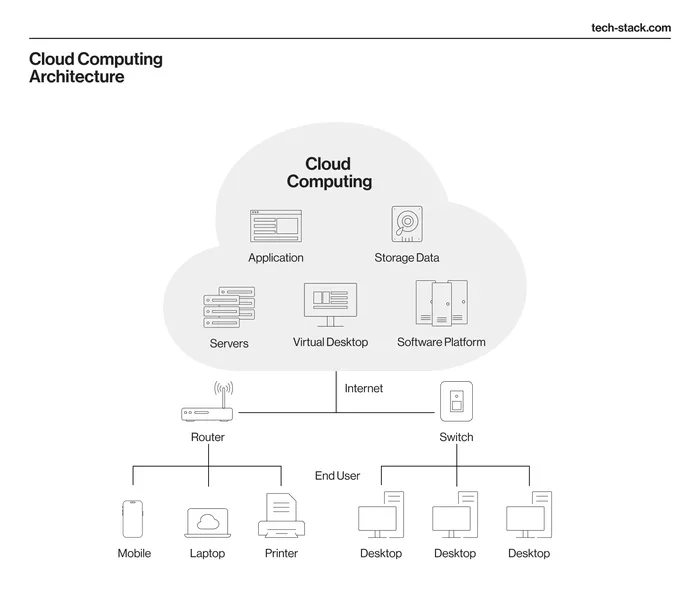
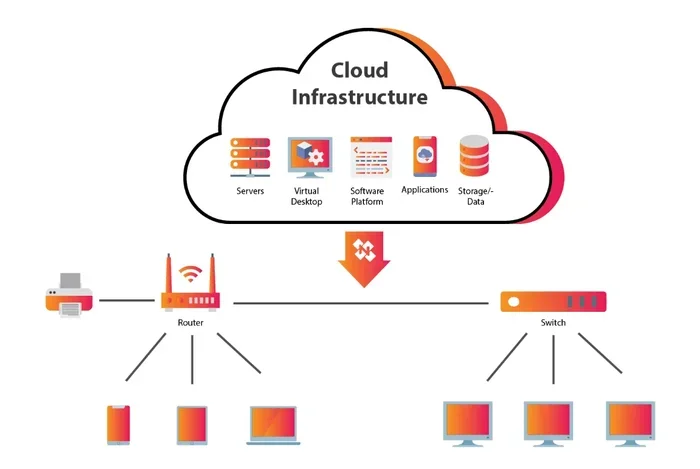
A hybrid cloud computing architecture is an IT setup that mixes different cloud environments. You typically have a private cloud or on-premises servers. Then you connect them to a public cloud like AWS, Microsoft Azure, or Google Cloud. The magic happens because these environments work together. They share data and applications seamlessly.
Think of it like owning a car and also using a car-sharing service. Your car handles your daily commute. The car-sharing service kicks in when you need extra space for a road trip. A hybrid cloud strategy works the same way. Your private setup handles steady, everyday tasks. The public cloud jumps in when you need extra power.
This model is part of a bigger trend called hybrid IT. Companies do not want to lock themselves into one option. They want the freedom to choose. That freedom is exactly what this architecture delivers.
How Does It Differ from Other Cloud Models?
To really understand hybrid cloud, it helps to see how it compares to other models.
- Public Cloud: Everything runs on shared servers owned by a provider. It is flexible and pay-as-you-go.
- Private Cloud: Everything runs on your own servers or a dedicated setup. It gives you full control.
- Multi-Cloud: You use multiple public cloud providers at the same time.
- Hybrid Cloud: You mix private and public environments into one connected setup.
The key difference is connectivity. In a true hybrid cloud computing architecture, the private and public parts talk to each other. They share data and workloads. That connection is what makes it so powerful.
How Hybrid Cloud Architecture Works
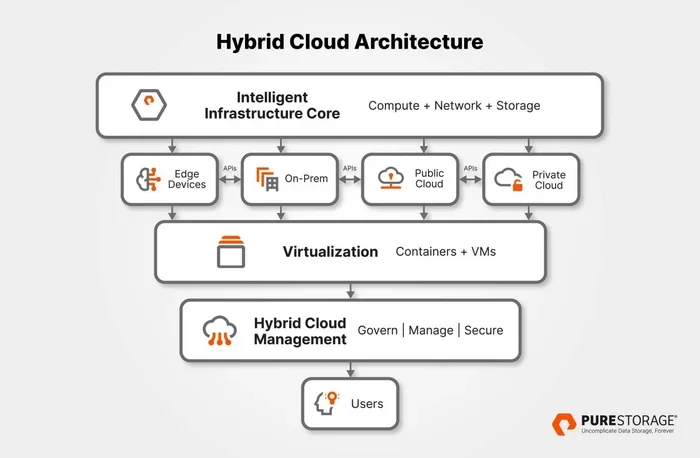
Now that you know what it is, let us look at how it actually works. The setup relies on a few key pieces working together.
First, you need your private environment. This could be servers in your own data center. It could also be a private cloud hosted by a provider. This is where sensitive data and critical apps live.
Second, you connect to a public cloud provider. This is done through a secure network. Often, it uses a VPN or a dedicated connection like AWS Direct Connect or Azure ExpressRoute. This link is the backbone of your cloud integration.
Third, you need management software. This software lets you monitor and control workloads across both environments. It makes sure tasks run where they should. Without this layer, you just have two separate setups. With it, you have one unified hybrid cloud system.
The Role of Cloud Orchestration
Cloud orchestration is the brain behind the operation. It automates how workloads move between environments. For example, if your website gets a sudden traffic spike, orchestration can shift extra load to the public cloud. When things calm down, it shifts back. This is called workload management, and it is essential for any hybrid cloud strategy.
Orchestration tools also handle tasks like provisioning resources, managing storage, and applying security policies. They make the whole system feel like one cohesive platform, even though it spans multiple locations.
Key Components of a Hybrid Cloud Setup
A strong hybrid cloud computing architecture needs several pieces to work well. Let us walk through them.
On-Premises Infrastructure
This is your foundation. It includes physical servers, storage devices, and networking gear. Many companies already have this in place. That is one reason hybrid cloud is so popular. You do not have to throw everything away and start over. You build on what you already have.
Your on-premises setup handles workloads that need low latency or strict compliance. Think of databases with sensitive customer information or systems that must stay online no matter what.
Public Cloud Services
The public cloud gives you almost unlimited scale. Need more computing power for a day? Spin it up. Need less tomorrow? Scale it down. This is where scalability really shines.
Major providers include Amazon Web Services, Microsoft Azure, and Google Cloud Platform. Each offers strong cloud deployment tools. You can pick the one that fits your needs best.
Networking and Connectivity
The connection between your private and public environments is critical. It must be fast, reliable, and secure. A slow or unreliable link can break your entire hybrid IT setup. That is why many companies invest in dedicated network connections. These ensure smooth cloud integration and fast data transfer.
Management and Monitoring Tools
You need a way to see everything in one place. Management tools give you a dashboard. From there, you can track performance, spot issues, and allocate resources. Popular tools include VMware vSphere, Red Hat OpenShift, and cloud-native platforms from major providers.
Benefits of Hybrid Cloud Computing Architecture
So why are so many companies making the switch? There are some real, tangible benefits. Let us look at the biggest ones.
1. Scalability and Flexibility
With a hybrid cloud, you can scale up when demand grows. You can scale down when it does not. This is called scalability, and it saves money. You do not pay for idle resources. You use the public cloud for peak times and keep the private cloud for steady workloads.
This infrastructure flexibility is a game-changer. Businesses can respond to changes quickly. They are not stuck with fixed capacity anymore.
2. Cost Optimization
Cost is a huge driver. Running everything on-premises is expensive. You buy hardware, pay for maintenance, and hire staff. Running everything in the public cloud can get pricey too, especially at scale.
A hybrid cloud computing architecture lets you find the sweet spot. You keep steady workloads on cheaper private infrastructure. You burst into the public cloud only when needed. This cost optimization approach can save companies millions over time.
3. Enhanced Security and Compliance
Not all data is the same. Some data is highly sensitive. Think medical records, financial data, or government information. You want that on private infrastructure where you control every lock and key.
Less sensitive data can go to the public cloud. This split approach strengthens your cloud security. You also make compliance easier. Regulations often require certain data to stay on-premises. A hybrid setup helps you meet those rules without sacrificing agility.
4. Business Continuity and Disaster Recovery
What happens if your data center goes down? With a hybrid cloud strategy, you have a backup plan. You can replicate critical data to the public cloud. If your private setup fails, you switch over quickly. This is called business continuity, and it keeps your operations running.
Downtime costs money. Every minute offline can mean lost sales and unhappy customers. A hybrid setup reduces that risk significantly.
5. Faster Innovation
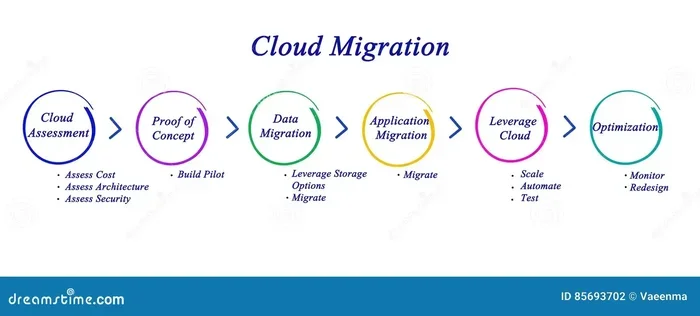
Public cloud providers roll out new services all the time. Artificial intelligence tools, machine learning platforms, and analytics services are just a few examples. By connecting to the public cloud, you get access to these innovations fast. You do not have to build them yourself. This speeds up cloud migration and keeps you competitive.
Common Use Cases for Hybrid Cloud
Still not sure if this is for you? Let us look at real-world scenarios where hybrid cloud computing architecture shines.
Seasonal Businesses
Retailers are a great example. Black Friday and holiday shopping send traffic soaring. A hybrid setup handles the normal load on private servers. It bursts into the public cloud during peak shopping days. Once the rush is over, everything scales back down.
Regulated Industries
Banks, healthcare providers, and government agencies all face strict rules. They need to keep sensitive data on-premises. But they also want the power of the cloud for less sensitive tasks. Hybrid cloud gives them exactly that balance.
Development and Testing
Developers often need fresh environments to test new apps. Setting up on-premises test environments is slow and expensive. With a hybrid setup, they spin up test environments in the public cloud in minutes. When testing is done, they tear them down. This saves time and money.
Disaster Recovery
As mentioned, business continuity is a top use case. Companies back up their most critical systems to the public cloud. If a disaster hits the primary data center, they fail over to the cloud. Recovery happens fast, and customers barely notice the switch.
Challenges and How to Overcome Them
No setup is perfect. Hybrid cloud computing architecture comes with its own set of challenges. Here is what to watch out for.
Complexity
Managing two different environments is harder than managing one. You need skilled staff. You need the right tools. And you need clear processes. Common mistakes include underestimating this complexity and not investing enough in training.
Quick Tip: Start small. Pick one workload to migrate first. Learn as you go. Expand gradually as your team gets more comfortable.
Security Across Environments
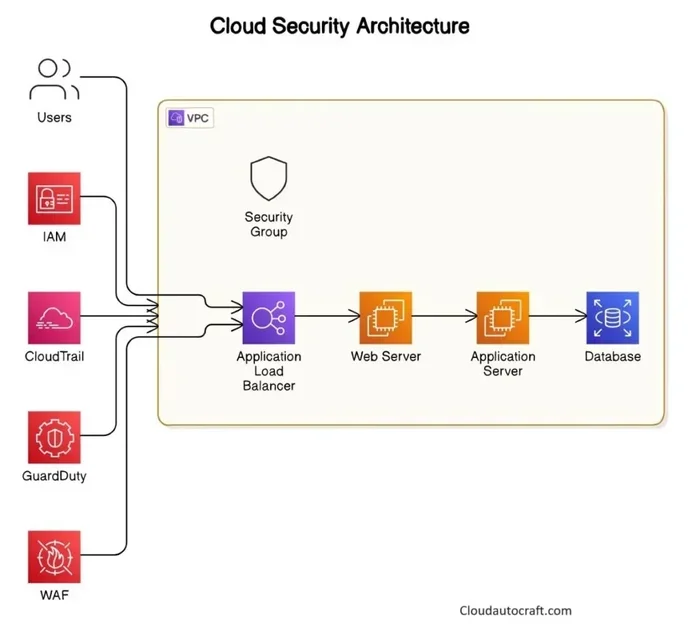
When data moves between private and public clouds, security risks increase. You need strong encryption, access controls, and monitoring. A hybrid cloud strategy must include a unified security plan that covers both environments.
Vendor Lock-In
Relying too heavily on one public cloud provider can be risky. If that provider raises prices or changes features, you are stuck. To avoid this, consider a multi-cloud approach. Use more than one public cloud provider alongside your private setup. This keeps your options open.
Network Latency
Moving data between on-premises and the cloud takes time. If your network is slow, it can cause delays. Invest in high-speed, reliable connections. Dedicated links like ExpressRoute or Direct Connect make a big difference.
Cost Surprises
Public cloud pricing can be tricky. Egress fees, storage costs, and compute charges add up fast. To prevent bill shocks, monitor usage closely. Set up alerts and budgets. Regularly review your cost optimization strategy.
Integration Issues
Not all tools and platforms play nice together. Your private and public environments must be compatible. Choose open standards and interoperable tools. This makes cloud integration smoother and reduces headaches down the road.
Expert Insights on Hybrid Cloud Strategy
Industry experts agree that hybrid cloud is the future for most enterprises. According to Gartner, over 85% of organizations will adopt a hybrid cloud computing architecture by 2025. The trend is clear.
Experts also stress the importance of a clear hybrid cloud strategy. You cannot just set up a hybrid environment and hope for the best. You need a plan. Define your goals. Identify which workloads belong where. Choose the right tools and partners. And keep reviewing and adjusting as your needs change.
Key Takeaways from the experts:
- Start with a strategy. Know your goals before you pick tools.
- Prioritize security. A unified security approach is non-negotiable.
- Invest in training. Your team needs skills to manage hybrid environments.
- Monitor everything. Visibility across both environments prevents problems.
- Stay flexible. Your strategy should evolve as technology changes.
The companies that do this best are the ones that treat hybrid cloud not as a one-time project but as an ongoing journey. Technology changes fast. Your setup needs to keep up.
Conclusion
Hybrid cloud computing architecture is more than a trend. It is a smart, practical approach to running modern technology. It gives you the flexibility to place workloads where they belong. It saves money through smart cost optimization. And it keeps your business running with strong business continuity.
Whether you are a small company starting your cloud migration journey or a large enterprise refining your hybrid cloud strategy, the benefits are real. You get the control of private infrastructure and the power of the public cloud. You get scalability, security, and infrastructure flexibility all in one setup.
The key is to start with a clear plan. Understand your workloads. Choose the right tools. And keep learning as you go. The world of cloud computing is evolving fast. A hybrid setup gives you the foundation to adapt and thrive.
So take a closer look at hybrid cloud computing architecture today. Your future self, and your bottom line, will thank you.
Frequently Asked Questions
What is hybrid cloud computing architecture in simple terms?
Hybrid cloud computing architecture is a setup that combines a private cloud or on-premises servers with a public cloud. They work together so you can move data and applications between them. This gives you more control and flexibility over your IT environment.
What are the main benefits of a hybrid cloud setup?
The biggest benefits include scalability, cost optimization, better cloud security, and improved business continuity. You also get the flexibility to place workloads where they perform best, whether on private or public infrastructure.
How is hybrid cloud different from multi-cloud?
A hybrid cloud mixes private and public cloud environments into one connected setup. Multi-cloud uses multiple public cloud providers at the same time. Many companies use both approaches together for maximum flexibility.
What industries benefit most from hybrid cloud?
Industries like healthcare, finance, retail, and government benefit greatly. They often need to keep sensitive data on-premises while taking advantage of public cloud power for other tasks. Hybrid IT gives them that balance.
What tools are used to manage a hybrid cloud environment?
Popular tools include VMware vSphere, Red Hat OpenShift, and cloud-native platforms from AWS, Azure, and Google Cloud. These tools help with workload management, monitoring, and cloud integration across environments.
Is hybrid cloud more expensive than public cloud alone?
Not necessarily. While there may be upfront costs for on-premises infrastructure, hybrid cloud often saves money in the long run. You pay for public cloud resources only when you need them. This cost optimization approach keeps spending efficient over time.