Enterprise Cloud Computing Architecture Explained Simply
Enterprise cloud computing architecture is the blueprint that guides how businesses build, manage, and scale their cloud environments. This guide breaks down every core component, from cloud deployment models to cloud security best practices, in plain language anyone can understand. Whether you are a beginner or a tech leader, you will find practical tips and clear examples to help you make smarter cloud decisions.
Key Takeaways
- Enterprise cloud computing architecture is the foundation of how modern businesses run their digital operations.
- Cloud deployment models like public, private, and hybrid cloud give businesses flexible options for their needs.
- Scalability and cost optimization are two of the biggest benefits of a well-designed cloud architecture.
- Cloud security and cloud governance must be built in from the start, not added later.
- Following best practices like clear strategy and continuous monitoring helps avoid common cloud migration pitfalls.
- Multi-cloud strategy can reduce vendor lock-in and improve resilience.
- Even small steps toward better cloud architecture design can deliver big results for your business.
📑 Table of Contents
- What Is Enterprise Cloud Computing Architecture?
- Core Components of Cloud Architecture
- Cloud Deployment Models Explained
- Key Benefits of a Strong Cloud Architecture
- Common Challenges in Cloud Architecture Design
- Best Practices for Building Your Cloud Architecture
- The Future of Enterprise Cloud Architecture
- Conclusion
What Is Enterprise Cloud Computing Architecture?
Have you ever wondered how big companies run their software, store their data, and keep everything running smoothly online? The answer is enterprise cloud computing architecture. It is the blueprint that shows how all the pieces of a cloud system fit together.
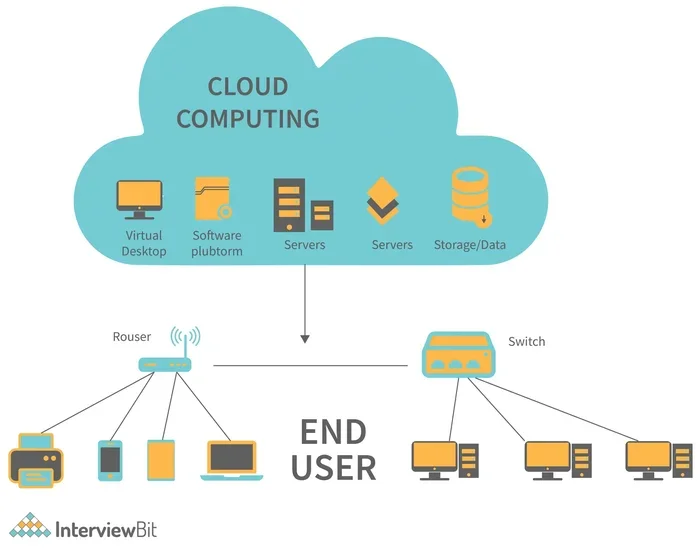
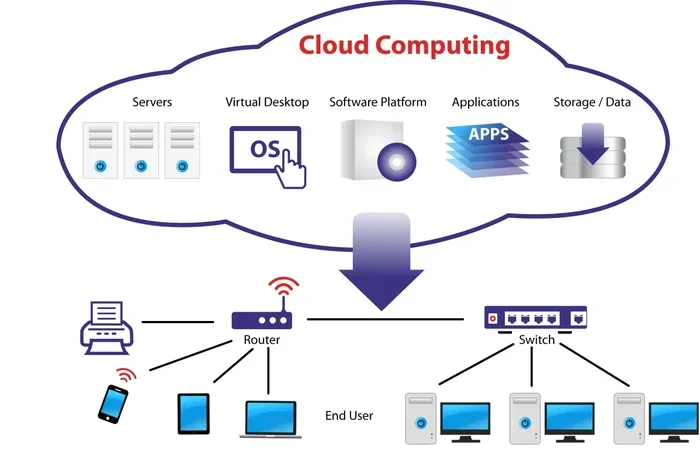
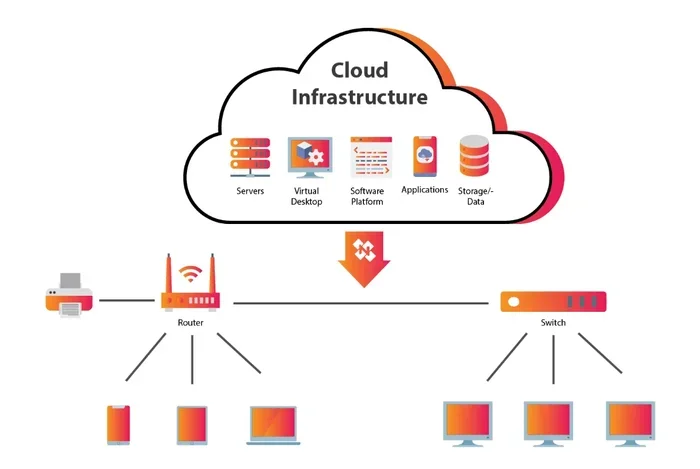
Think of it like a building plan. Before you construct a skyscraper, you need a detailed design. You need to know where the walls go, how the plumbing works, and where the electrical wiring runs. Cloud architecture works the same way. It maps out how servers, storage, networks, and software connect to serve a business.
But here is the good news. You do not need to be a tech genius to understand it. This guide will walk you through everything in simple terms. By the end, you will have a clear picture of what enterprise cloud computing architecture really means and why it matters.
Breaking Down the Term
Let us split this phrase into two parts. First, enterprise means large-scale business operations. We are not talking about a small blog or a personal website. We are talking about companies that run thousands of applications and serve millions of users.
Second, cloud computing architecture refers to the setup of components needed to deliver computing services over the internet. These services include storage, databases, software, and analytics. Together, enterprise cloud computing architecture describes the full system design that powers a business in the cloud.
Why It Matters for Modern Businesses
More and more companies are moving to the cloud every year. Why? Because it offers flexibility, speed, and savings. A strong cloud architecture lets businesses grow without buying expensive hardware. It also helps teams work from anywhere in the world.
Without a solid cloud architecture design, businesses face risks. They might deal with slow performance, security gaps, or rising costs. That is why understanding the basics of cloud infrastructure is so important for every business leader today.
Core Components of Cloud Architecture
Now that you know what enterprise cloud computing architecture is, let us look at the pieces that make it up. Every cloud system has several building blocks. Each one plays a specific role in keeping things running smoothly.
Compute and Storage Layers
The compute layer is the brain of the system. It handles processing tasks. In the cloud, this often means virtual machines or containers that run applications. Think of it as the engine that powers your software.
The storage layer is where all the data lives. This includes files, databases, and backups. Cloud providers offer different types of storage. Some are fast but costly. Others are slower but much cheaper. Choosing the right mix is a key part of cloud architecture design.
For example, a company might use fast storage for its customer app and slower storage for old records. This balance helps keep costs down while maintaining good performance.
Networking and Connectivity
Networking is what ties everything together. It connects servers, users, and applications. Without good networking, even the best cloud infrastructure will struggle.
Virtualization plays a big role here too. It creates virtual versions of physical resources. This means one server can run many tasks at once. It makes the whole system more efficient and flexible.
Security and Identity Management
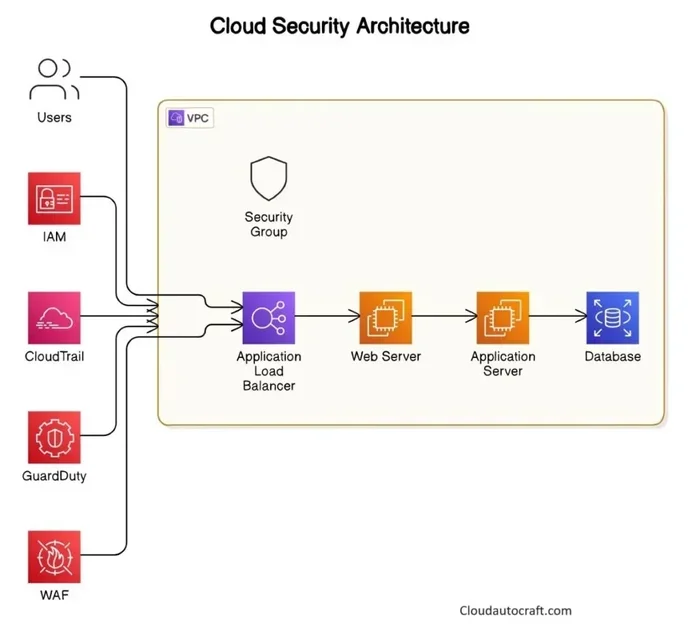
Cloud security is one of the most important parts of any enterprise cloud computing architecture. It protects data from unauthorized access and cyber threats.
Identity management controls who can see what. It uses tools like multi-factor authentication and role-based access. This ensures that only the right people can reach sensitive information. A strong security setup is not optional. It is essential for any business that wants to trust its cloud computing services.
Cloud Deployment Models Explained
Not all cloud setups look the same. Different businesses need different approaches. That is where cloud deployment models come in. Let us look at the three main types.
Public Cloud vs Private Cloud vs Hybrid Cloud
The public cloud is owned and operated by a third-party provider. Companies like Amazon, Microsoft, and Google run these. You share resources with other businesses, but you pay only for what you use. It is a popular choice for cost optimization.
The private cloud is dedicated to one organization. It offers more control and privacy. Some companies keep sensitive data on a private cloud because it gives them peace of mind.
A hybrid cloud combines both. You get the flexibility of the public cloud and the control of the private cloud. Many businesses today use a hybrid cloud setup. It lets them keep critical data close while taking advantage of public cloud scalability.
Multi-Cloud Strategy
Some businesses go a step further with a multi-cloud strategy. This means using services from more than one cloud provider. For instance, a company might use AWS for storage and Google Cloud for data analytics.
A multi-cloud strategy helps avoid vendor lock-in. It also improves resilience. If one provider has an outage, your system can keep running on another. However, managing multiple clouds takes skill and planning.
Key Benefits of a Strong Cloud Architecture
So why should a business invest time in getting its enterprise cloud computing architecture right? The benefits are real and measurable.
Scalability and Flexibility
Scalability is one of the biggest reasons companies move to the cloud. With a good cloud architecture, you can handle more users or more data without rebuilding anything. You simply add more resources when you need them.
This flexibility is a game changer. A business that grows quickly does not need to buy new servers. The cloud adjusts automatically. This is especially helpful for businesses with seasonal spikes in demand.
Cost Optimization
Running your own data center is expensive. You pay for hardware, electricity, cooling, and staff. Cloud infrastructure flips that model. You pay a monthly fee based on usage.
Many businesses save 30 to 50 percent on IT costs after moving to the cloud. The key is to design your cloud architecture design with cost optimization in mind from day one.
Improved Performance and Reliability
Major cloud providers have data centers all over the world. This means your cloud computing services can run closer to your users. Less distance means faster load times.
Cloud providers also offer backup and disaster recovery. If one server goes down, another takes over. This level of reliability is hard to match with traditional setups.
Common Challenges in Cloud Architecture Design
Cloud architecture is not all sunshine and savings. There are real challenges that businesses face. Knowing about them ahead of time helps you plan better.
Vendor Lock-In
When you build everything on one provider, switching later can be painful. This is called vendor lock-in. Your team learns that provider’s tools. Your data sits in their format. Moving away requires time and money.
The best way to avoid this is to use open standards and cloud-native applications. These are built to work across different platforms. They give you freedom to change providers if needed.
Data Security Concerns
Even though cloud providers invest heavily in cloud security, you still share responsibility. You must set up access controls, encrypt data, and monitor for threats.
Many security problems come from human error. A weak password or a misconfigured setting can open the door to attackers. Regular training and strong cloud governance policies help prevent these issues.
Complexity and Governance
As your cloud setup grows, it can become very complex. You might have dozens of services, multiple regions, and many teams managing different parts. Without clear cloud governance, things can get messy fast.
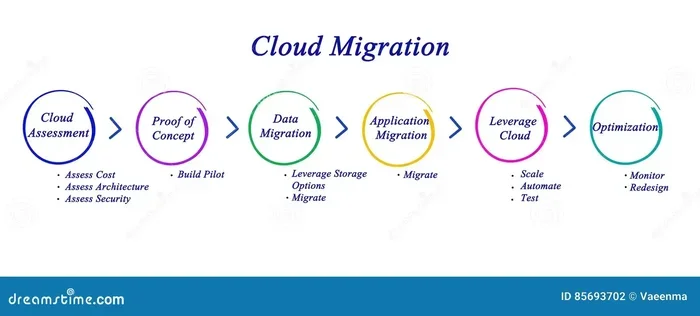
Cloud governance means setting rules for how your cloud resources are used. It covers everything from spending limits to compliance requirements. Good governance keeps your cloud migration on track and your costs under control.
Best Practices for Building Your Cloud Architecture
Now that you understand the components, models, benefits, and challenges, let us talk about how to build a strong enterprise cloud computing architecture. These tips will help you get started on the right foot.
Start With a Clear Strategy
Do not jump into the cloud without a plan. Ask yourself what you want to achieve. Are you looking to cut costs? Improve speed? Support remote work? A clear goal guides every decision you make.
Map out your current cloud infrastructure and identify what needs to change. This roadmap keeps your team focused and prevents wasted effort.
Prioritize Cloud Security from Day One
Security should never be an afterthought. Build it into your cloud architecture design from the start. Use encryption, set up firewalls, and define who has access to what.
Regular audits help you catch problems early. Think of it like checking the locks on your doors. You do it often, not just once.
Monitor and Optimize Continuously
Your cloud setup is not a “set it and forget it” project. You need to monitor performance and costs all the time. Use tools that track usage and alert you to unusual activity.
Review your cloud architecture every few months. Look for ways to simplify, cut waste, and improve speed. Small, steady improvements add up to big gains over time.
Quick Tip: Set up automated alerts for unusual spending spikes. This one step can save your business thousands of dollars each year.
The Future of Enterprise Cloud Architecture
The world of cloud computing services is always evolving. New trends are shaping how businesses build their cloud infrastructure. Staying aware of these changes gives you a competitive edge.
Edge computing is one trend to watch. It brings processing closer to where data is created. This reduces delays and improves speed. It is especially useful for businesses that rely on real-time data, like logistics or healthcare.
Another trend is the rise of cloud-native applications. These are built specifically for the cloud. They are faster, more reliable, and easier to update than older software. More and more companies are adopting this approach as they modernize their cloud migration journey.
Artificial intelligence is also making its way into cloud architecture design. AI tools can predict usage patterns, suggest cost savings, and even spot security threats before they happen. The future of enterprise cloud computing architecture is smart, fast, and more automated than ever.
Conclusion
Enterprise cloud computing architecture is the backbone of modern digital business. It connects your compute, storage, networking, and security into one unified system. When done right, it delivers scalability, cost optimization, and strong performance.
Remember that every business is different. There is no one-size-fits-all solution. Take time to understand your needs, choose the right cloud deployment models, and follow best practices. A thoughtful approach to your cloud architecture will pay off for years to come.
Start small if you need to. Even one well-planned step forward can make a big difference. The cloud is a powerful tool, and with the right enterprise cloud computing architecture, your business can unlock its full potential.
Frequently Asked Questions
What does enterprise cloud computing architecture mean in simple terms?
It is the blueprint that shows how a business sets up its cloud systems. It includes servers, storage, networking, and security. Think of it as the master plan for running your business online.
What are the three main cloud deployment models?
The three main models are public cloud, private cloud, and hybrid cloud. Public cloud shares resources across many users. Private cloud is dedicated to one organization. Hybrid cloud combines both for the best of each world.
How does enterprise cloud computing architecture help with cost savings?
It eliminates the need for expensive hardware and on-site data centers. You pay only for the resources you use. This pay-as-you-go model makes it easy to control and reduce IT spending.
What is the difference between multi-cloud and hybrid cloud?
Hybrid cloud mixes public and private clouds within one organization. Multi-cloud means using services from multiple public cloud providers. Both approaches help avoid vendor lock-in and improve flexibility.
Why is cloud security so important in cloud architecture?
Cloud security protects your data from breaches and unauthorized access. Without strong security, sensitive business and customer information could be at risk. It is a shared responsibility between the cloud provider and your team.
What are cloud-native applications and why do they matter?
Cloud-native applications are built specifically for the cloud environment. They are designed to be fast, scalable, and resilient. They matter because they help businesses get the most out of their enterprise cloud computing architecture.