Data Center and Cloud Computing Trends You Need to Know
The data center and cloud computing landscape is evolving fast, with trends like hybrid cloud adoption, edge computing, and green infrastructure leading the way. Businesses that stay informed about these shifts gain a serious competitive edge. This guide breaks down the most important data center and cloud computing trends you need to know right now.
Key Takeaways
- Hybrid and multi-cloud strategies are becoming the norm for most enterprises.
- Edge computing is reshaping how and where data gets processed.
- Green data centers focus on sustainability and energy efficiency.
- AI-driven cloud services are transforming automation and analytics.
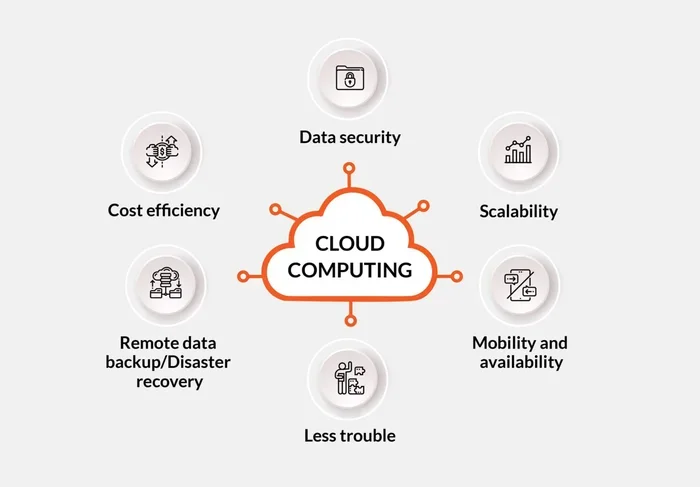
- Cloud security remains a top priority as threats grow more sophisticated.
- Serverless computing offers cost savings and simpler scaling.
- Containerization continues to dominate modern cloud-native development.
📑 Table of Contents
- What Is Data Center and Cloud Computing?
- Top Data Center Trends You Need to Watch
- Cloud Computing Trends Shaping the Future
- How AI Is Transforming Data Centers and the Cloud
- Cloud Security Trends to Keep in Mind
- What Businesses Should Do Next
- Quick Tips for Staying Ahead
- Common Mistakes to Avoid
- Expert Insights
- Key Takeaways
- Conclusion
What Is Data Center and Cloud Computing?
Before diving into trends, let us quickly set the stage. Data center and cloud computing form the backbone of modern IT. A data center is a physical facility packed with servers, storage, and networking gear. Cloud computing, on the other hand, delivers computing services over the internet.
Together, they power everything from email and streaming to complex enterprise applications. Understanding how these two worlds interact is essential for anyone in tech, business, or IT leadership. The relationship between data center infrastructure and cloud services continues to evolve at a rapid pace.
In simple terms, a data center provides the hardware. The cloud provides the flexibility and scalability. When these two work together, businesses get the best of both worlds. Now, let us explore the trends driving this evolution forward.
Top Data Center Trends You Need to Watch
The physical side of computing is changing fast. These trends are reshaping how companies build and manage their data center operations.
Edge Computing Is Gaining Momentum
Edge computing moves processing power closer to where data is created. Instead of sending everything to a central data center, some workloads run locally. This reduces latency and speeds up response times.
Think about self-driving cars or smart factories. These applications need instant data processing. Edge cloud computing makes that possible. More companies are investing in edge infrastructure to support real-time decision-making.
Green and Sustainable Data Centers
Energy efficiency is no longer optional. Green data centers use renewable energy and advanced cooling systems to reduce their carbon footprint. Companies face growing pressure to adopt sustainable practices.
Many leading providers now publish their energy efficiency metrics publicly. This transparency helps buyers make informed choices. If you are evaluating cloud computing services, sustainability should be on your checklist.
Hyperconverged Infrastructure
Hyperconverged infrastructure combines compute, storage, and networking into a single system. This approach simplifies data center management and reduces hardware sprawl.
It is especially popular with small and mid-sized businesses. The simplicity of hyperconverged setups means less maintenance and lower costs. Many organizations are migrating toward this model for their cloud infrastructure needs.
Cloud Computing Trends Shaping the Future
The cloud is not just growing. It is transforming. Here are the trends that matter most in cloud computing right now.
Hybrid Cloud Becomes the Default
Most enterprises now use a mix of public and private clouds. This is called a hybrid cloud strategy. It gives businesses flexibility and control over sensitive data.
Hybrid setups allow companies to keep critical workloads on-premises while leveraging the public cloud for less sensitive tasks. This approach balances security with scalability. The hybrid cloud model continues to gain traction across industries.
Multi-Cloud Strategies Are on the Rise
Relying on a single cloud provider can create risks. That is why many organizations are adopting a multi-cloud strategy. They spread workloads across two or more providers.
This approach reduces vendor lock-in and improves redundancy. It also lets companies pick the best service for each specific need. However, managing a multi-cloud environment requires strong governance and tooling.
Serverless Computing Takes Center Stage
Serverless computing lets developers focus on code without managing servers. The cloud provider handles all the underlying infrastructure. This model is perfect for cloud-native applications.
You pay only for the compute time you actually use. This makes serverless a great option for startups and enterprises alike. Cloud cost optimization is one of the biggest benefits of going serverless.
How AI Is Transforming Data Centers and the Cloud
Artificial intelligence is not just a buzzword. It is actively changing how data centers and cloud platforms operate.
AI-Powered Automation
AI tools now automate routine data center management tasks. They predict hardware failures before they happen. They also optimize cooling and power usage in real time.
This leads to fewer outages and lower operating costs. Many cloud computing services now include AI-driven monitoring as a standard feature. The shift toward AI-driven operations is one of the most exciting developments in the space.
Machine Learning for Cloud Workload Optimization
Machine learning algorithms analyze cloud workloads to find efficiency gains. They identify underused resources and recommend scaling adjustments.
This kind of smart optimization saves both money and energy. Companies using machine learning for cloud management report significant improvements in performance. It is a clear example of how AI and cloud infrastructure work hand in hand.
Cloud Security Trends to Keep in Mind
As data center and cloud computing grow, so do security concerns. Staying ahead of threats is critical for every organization.
The Zero Trust Model
The zero trust security model assumes that no user or device should be trusted by default. Every access request is verified, regardless of where it comes from.
This approach is becoming the standard for cloud security. It works well in both on-premises and hybrid environments. Implementing zero trust requires strong identity management and continuous monitoring.
Cloud-Native Security Tools
Traditional security tools were not built for the cloud. That is why cloud-native security solutions are gaining popularity. These tools are designed specifically for dynamic, distributed environments.
They offer better visibility and faster threat detection. Many cloud computing services now include built-in security features. Always review the terms and conditions of any cloud provider to understand your shared security responsibilities. You can read more about provider obligations in our Terms and Conditions page for full details on service agreements.
What Businesses Should Do Next
Now that you understand the trends, here is how you can act on them.
Assess Your Current Setup
Start by auditing your existing IT infrastructure. Identify which workloads are ready for the cloud. Look for opportunities to consolidate or retire outdated systems.
This assessment gives you a clear picture of where you stand. It also helps you prioritize your cloud migration efforts. A thorough audit is the foundation of any smart strategy.
Build a Roadmap
Create a phased plan for adopting new technologies. Start with low-risk projects to build confidence. Then gradually tackle more complex cloud workloads.
Your roadmap should align with business goals. It should also account for budget, skills, and timelines. A well-planned approach reduces risk and maximizes return on investment.
Invest in Training and Talent
Technology changes fast. Your team needs to keep up. Invest in training programs that cover cloud computing fundamentals and advanced topics.
Consider certifications from major providers. These credentials validate skills and boost team confidence. A skilled team is your biggest asset in any digital transformation journey.
Quick Tips for Staying Ahead
- Monitor industry reports from Gartner, IDC, and Forrester for the latest data center trends.
- Attend cloud conferences like AWS re:Invent or Google Cloud Next to stay current.
- Start small with pilot projects before committing to large-scale cloud adoption.
- Review your cloud contracts regularly to ensure they still meet your needs and align with your provider’s terms and conditions.
- Benchmark your performance against industry standards to identify improvement areas.
Common Mistakes to Avoid
- Ignoring vendor lock-in risks. Always plan for portability when choosing cloud services.
- Underestimating cloud costs. Without proper monitoring, cloud spending can spiral out of control.
- Neglecting security. Even the best cloud infrastructure is vulnerable without proper safeguards.
- Skipping the migration planning phase. Rushed migrations often lead to downtime and data loss.
- Overlooking compliance requirements. Different industries have different regulations. Make sure your setup meets all relevant standards.
Expert Insights
Industry leaders agree that the future of data center and cloud computing is bright and complex. The shift toward distributed computing will continue to accelerate. Organizations that embrace cloud scalability will be best positioned for growth.
According to recent research, global spending on cloud infrastructure is projected to grow significantly in the coming years. AI integration, sustainability, and security innovation will drive much of this growth. The companies that invest wisely today will lead tomorrow.
Key Takeaways
- Hybrid and multi-cloud strategies are becoming the standard for enterprise IT.
- Edge computing is pushing processing closer to data sources for faster results.
- Green data centers are setting new benchmarks for sustainability.
- AI-powered tools are making cloud infrastructure smarter and more efficient.
- Zero trust security is essential for protecting cloud workloads in a distributed world.
- Serverless and containerization simplify development and reduce costs.
- Strategic planning and training are the keys to successful cloud migration.
Conclusion
The world of data center and cloud computing is moving fast. Trends like hybrid cloud, edge computing, and AI-driven operations are reshaping the industry. Businesses that understand these shifts and act decisively will thrive.
Whether you are just starting your cloud journey or looking to optimize an existing setup, the trends in this guide provide a solid roadmap. Stay curious, keep learning, and invest in the right strategies. The future of cloud computing belongs to those who prepare for it today.
Frequently Asked Questions
What is the difference between a data center and cloud computing?
A data center is a physical facility housing servers and networking equipment. Cloud computing delivers computing resources over the internet on demand. Many organizations use both together in a hybrid setup to get the best of each approach.
Why is hybrid cloud so popular right now?
Hybrid cloud gives businesses flexibility and control. You can keep sensitive data on-premises while using the public cloud for scalable workloads. This balance of security and agility drives its widespread adoption.
How does edge computing benefit businesses?
Edge computing reduces latency by processing data closer to its source. This is critical for applications like IoT devices and autonomous vehicles that need real-time responses. It also reduces bandwidth costs by minimizing data sent to central data centers.
What are the biggest challenges in cloud migration?
Common challenges include compatibility issues, data security concerns, and cost overruns. A clear migration plan and thorough testing help mitigate these risks. Working with experienced partners also improves your chances of a smooth transition.
Is serverless computing cost-effective for small businesses?
Yes, serverless computing can be very cost-effective. You pay only for the compute time you use, with no charges for idle resources. This makes it an attractive option for startups and small businesses with variable workloads.
What role does AI play in modern data centers?
AI powers automation, predictive maintenance, and workload optimization in modern data centers. It helps operators reduce energy consumption and prevent outages. AI-driven tools are becoming essential for managing complex cloud infrastructure at scale.