How Cloud Computing in E Commerce Transforms Business
Cloud computing in e commerce is changing how online stores grow, manage data, and serve customers. It offers unmatched scalability, cost savings, and business agility for retailers of all sizes. This guide covers everything you need to know about cloud-based services for online retail success.
Running an online store today is not just about listing products and waiting for sales. The backbone of every successful e-commerce platform today is cloud computing. It powers everything from how customers browse your site to how you process payments and manage inventory.
Cloud computing in e commerce has become the engine behind digital transformation for online retailers worldwide. Whether you run a small boutique shop or a massive marketplace, the cloud gives you the tools to compete, grow, and adapt fast. In this guide, we will explore how cloud computing solutions are reshaping the online retail landscape.
If you have ever wondered why some online stores load instantly during massive sales events while others crash, the answer is simple: cloud infrastructure. The cloud provides the elastic computing power that online businesses need to scale up or down based on real-time demand. Let us dive into the many ways this technology transforms e-commerce.
Key Takeaways
- Scalability on Demand: Cloud computing in e commerce lets your store handle traffic spikes without downtime or extra hardware costs.
- Significant Cost Savings: Pay-as-you-go models eliminate the need for expensive on-site servers and IT maintenance.
- Better Security: Leading cloud providers offer enterprise-grade cloud security tools that protect customer data and transactions.
- Faster Deployment: Cloud deployment speeds up launching new features, products, and store updates.
- Data-Driven Decisions: Cloud-based data analytics help online retailers understand customer behavior and optimize sales.
- Disaster Recovery Made Easy: Cloud disaster recovery ensures your store stays online even during unexpected outages.
📑 Table of Contents
- What Is Cloud Computing in E Commerce?
- Key Benefits of Cloud Computing for Online Retail
- How Cloud Computing Transforms E-Commerce Operations
- Cloud Computing Solutions for E-Commerce Businesses
- Common Challenges and How to Overcome Them
- The Future of Cloud Computing in E-Commerce
- Quick Tips for Getting Started
- Key Takeaways
- Conclusion
What Is Cloud Computing in E Commerce?
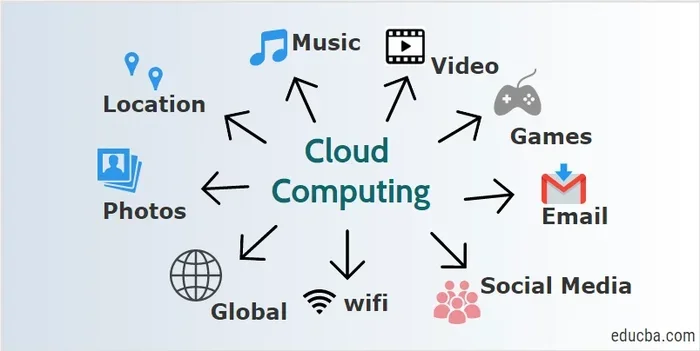
Cloud computing means using remote servers hosted on the internet to store, manage, and process data instead of relying on a local computer or on-site server. For online retail, this means your store’s website, database, payment system, and inventory management all live on powerful cloud servers managed by a provider.
How It Works for Online Stores
When a customer visits your store, their request goes to the cloud. The cloud servers process the request, pull up product images, check inventory, and handle payment — all in milliseconds. Cloud-based services make this seamless experience possible.
Think of it like renting electricity instead of building your own power plant. You use what you need and pay for it. This is the core idea behind cloud hosting for e-commerce. It removes the heavy lifting of managing physical hardware.
Key Benefits of Cloud Computing for Online Retail
The advantages of cloud computing in e commerce are hard to ignore. Here is why more online retailers are making the switch every day.
Scalability That Grows With Your Business
One of the biggest wins is scalability. During a holiday sale or a viral social media post, your traffic can spike overnight. Traditional servers often crash under sudden loads. But cloud infrastructure adjusts automatically. It scales up to handle the surge and scales back down when things calm. This elastic computing ability keeps your store running smoothly no matter what.
Cost Efficiency and Pay-As-You-Go Models
Running your own servers is expensive. You pay for hardware, electricity, cooling, and a team to maintain it. With cloud computing solutions, you follow a pay-as-you-go model. You only pay for the resources you actually use. This cost savings is a game-changer, especially for small and medium-sized online retailers.
Enhanced Security and Data Protection
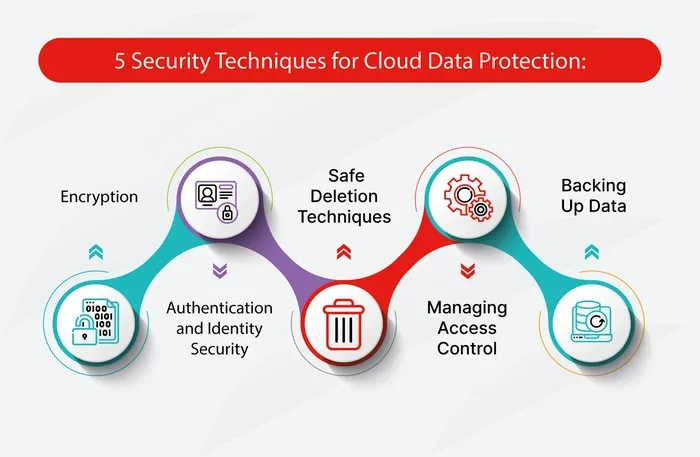
Cloud security is a top priority for any e-commerce platform. Customer payment data, personal details, and order history all need protection. Major cloud providers invest billions in cloud security tools, encryption, and compliance certifications. This level of protection is hard to match with on-site setups.
Disaster Recovery and Business Continuity
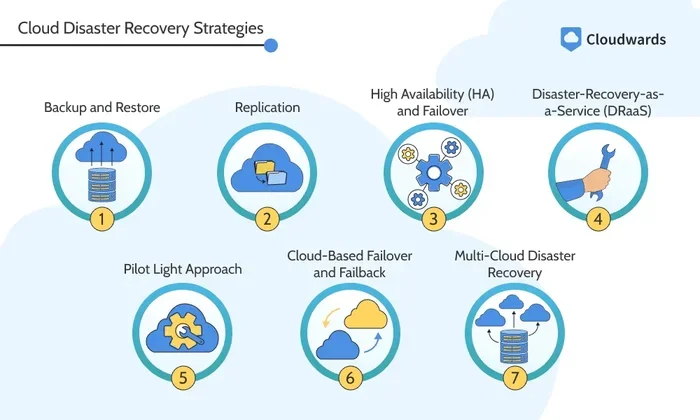
What happens if your server goes down? For an online store, downtime means lost sales and unhappy customers. Cloud disaster recovery solutions automatically back up your data across multiple locations. If one server fails, another takes over instantly. Your store stays online, and your customers never notice the problem.
How Cloud Computing Transforms E-Commerce Operations
Cloud computing in e commerce does not just improve your website. It transforms every part of your daily operations. Here is how.
Inventory Management Made Simple
Managing inventory across multiple warehouses and sales channels can be a headache. Cloud-based services connect all your inventory systems in real time. You can track stock levels, set automatic reorder points, and sync data across Amazon, Shopify, and your own website — all from one cloud platform.
Faster Website Performance
Speed matters in online retail. Studies show that even a one-second delay in page load time can drop conversions by 7 percent. Cloud hosting uses global content delivery networks (CDNs) to serve your site from servers close to each customer. This means faster load times, happier shoppers, and more sales.
Smarter Marketing and Personalization
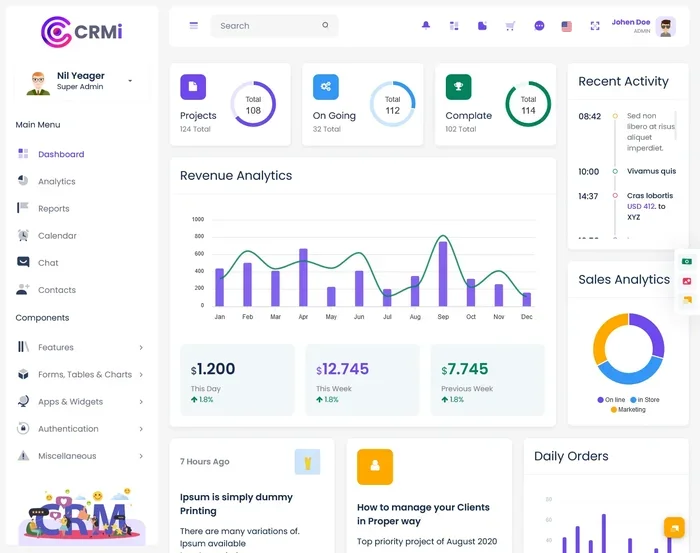
Cloud data analytics tools help you understand your customers better. You can track browsing behavior, purchase history, and preferences. Then you use that data to create personalized product recommendations and targeted email campaigns. This level of business agility gives you a serious edge over competitors.
Seamless Integration With Third-Party Tools
Need to add a new payment gateway, shipping calculator, or review tool? Cloud computing solutions make integration easy. Most cloud-based services offer APIs and pre-built connectors. You can add new tools without rebuilding your entire store. This operational efficiency saves time and money.
Cloud Computing Solutions for E-Commerce Businesses
Not all cloud migration journeys look the same. Different businesses need different approaches. Here are the main options for online retail operators.
Public Cloud
A public cloud is shared infrastructure provided by companies like Amazon Web Services (AWS), Microsoft Azure, and Google Cloud. It is cost-effective and highly scalable. Small to mid-sized e-commerce platforms often start here because the cost savings are significant and setup is fast.
Private Cloud
A private cloud is dedicated infrastructure for one business. It offers more control and customization. Large retailers with sensitive customer data or strict compliance needs often choose this route. Cloud security is easier to manage when the environment is fully private.
Hybrid Cloud
A hybrid cloud combines public and private options. You keep sensitive data on a private cloud while using the public cloud for less critical workloads. This approach gives you the best of both worlds — cost savings and cloud security. Many growing online retail businesses adopt this model as they scale.
Multi-Cloud Strategy
Some retailers use services from multiple cloud providers. This multi-cloud approach reduces dependency on a single vendor. It also improves disaster recovery because your data and applications spread across different providers. This strategy suits large e-commerce platforms with complex global operations.
Common Challenges and How to Overcome Them
While cloud computing in e commerce offers huge benefits, it also comes with challenges. Being aware of them helps you plan better.
Vendor Lock-In
Switching cloud providers later can be difficult and expensive. To avoid vendor lock-in, choose platforms that support open standards and portable cloud deployment options. Use containerization tools like Docker and Kubernetes to keep your applications flexible.
Data Privacy Concerns
Storing customer data in the cloud raises privacy questions. Make sure your provider complies with regulations like GDPR and CCPA. Choose cloud-based services that offer strong encryption and clear data handling policies. Cloud security should always be a top priority.
Complex Migration Process
Moving an existing e-commerce platform to the cloud can feel overwhelming. Start with a phased cloud migration plan. Move non-critical systems first, test thoroughly, and then migrate your core operations. This reduces risk and gives your team time to learn the new cloud infrastructure.
The Future of Cloud Computing in E-Commerce
The role of cloud computing in online retail will only grow. Here are the trends shaping the future.
AI-Powered Cloud Services
Artificial intelligence is merging with cloud computing solutions. AI tools now handle product recommendations, fraud detection, and customer chatbots — all running on the cloud. This digital transformation makes online stores smarter and more responsive to customer needs.
Edge Computing for Faster Experiences
Edge computing brings processing power closer to the customer. This reduces latency and makes e-commerce platforms even faster. For global retailers, edge computing means customers in different regions get the same fast experience.
Sustainability Through Cloud Efficiency
Cloud providers are investing heavily in renewable energy. By moving to the cloud, online retail businesses reduce their carbon footprint. This is a win for the planet and a strong selling point for eco-conscious consumers.
Quick Tips for Getting Started
- Start small: Migrate one system at a time instead of everything at once. This makes cloud migration less risky.
- Choose the right provider: Compare AWS, Azure, and Google Cloud based on your needs, budget, and cloud security requirements.
- Train your team: Make sure your staff understands cloud-based services before the full migration. A well-trained team avoids costly mistakes.
- Monitor costs: Use billing dashboards to track your pay-as-you-go usage. Set alerts to avoid surprise charges.
- Prioritize cloud security: Enable multi-factor authentication, encryption, and regular security audits from day one.
Key Takeaways
- Scalability on Demand: Cloud computing in e commerce lets your store handle traffic spikes without downtime or extra hardware costs.
- Significant Cost Savings: Pay-as-you-go models eliminate the need for expensive on-site servers and IT maintenance.
- Better Security: Leading cloud providers offer enterprise-grade cloud security tools that protect customer data and transactions.
- Faster Deployment: Cloud deployment speeds up launching new features, products, and store updates.
- Data-Driven Decisions: Cloud-based data analytics help online retailers understand customer behavior and optimize sales.
- Disaster Recovery Made Easy: Cloud disaster recovery ensures your store stays online even during unexpected outages.
Conclusion
Cloud computing in e commerce is no longer a luxury — it is a necessity. From scalability and cost savings to cloud security and operational efficiency, the cloud gives online retailers the tools they need to thrive in a competitive market. Whether you are just starting out or running a large e-commerce platform, cloud-based services can transform the way you operate.
The future of online retail is cloud-driven. By embracing cloud computing solutions today, you position your business for long-term growth and resilience. Start small, plan smart, and let the cloud do the heavy lifting. Your customers — and your bottom line — will thank you.
Frequently Asked Questions
What is cloud computing in e-commerce?
Cloud computing in e commerce refers to using remote internet-based servers to store data, run applications, and manage online store operations. Instead of relying on physical servers, online retailers use cloud-based services to power their websites, handle payments, and manage inventory. This approach offers scalability, cost savings, and better performance.
How does cloud computing reduce costs for e-commerce businesses?
Cloud computing solutions use a pay-as-you-go model, meaning you only pay for the resources you consume. You do not need to invest in expensive on-site hardware or hire large IT teams for maintenance. This cost savings is especially valuable for small and growing online retail businesses.
Is cloud computing secure for e-commerce stores?
Yes, leading cloud providers invest heavily in cloud security tools, encryption, and compliance certifications. They protect customer payment data and personal information with enterprise-grade defenses. However, you should also follow best practices like enabling multi-factor authentication and regular security audits.
What are the best cloud providers for e-commerce?
The top choices include Amazon Web Services (AWS), Microsoft Azure, and Google Cloud Platform. Each offers strong cloud infrastructure, scalability, and cloud-based services tailored for e-commerce platforms. The best choice depends on your budget, technical needs, and cloud security requirements.
How long does cloud migration take for an e-commerce business?
The timeline varies based on the size of your store and the complexity of your systems. A small e-commerce platform might migrate in a few weeks, while a large marketplace could take several months. A phased cloud migration approach helps minimize risk and ensures a smooth transition.
Can cloud computing handle traffic spikes during sales events?
Absolutely. Cloud infrastructure uses elastic computing to automatically scale resources during traffic surges. This means your store stays online and fast even during Black Friday, Cyber Monday, or viral product launches. Scalability is one of the biggest advantages of cloud computing in e commerce.