Companies That Offer Cloud Computing Solutions Today
Companies that offer cloud computing solutions are transforming how businesses store, manage, and process data. From industry giants like AWS and Microsoft Azure to specialized providers, the cloud computing landscape has never been more diverse. This guide breaks down the best options, helps you compare features, and gives you actionable tips to choose the right provider for your needs.
Cloud computing has changed the way businesses operate. Gone are the days when companies had to invest heavily in physical servers and data center infrastructure. Today, companies that offer cloud computing solutions provide flexible, scalable, and cost-effective alternatives that suit businesses of every size.
Whether you are a startup looking for affordable cloud storage solutions or an enterprise needing robust cloud infrastructure, there is a provider out there for you. The market is filled with options, and choosing the right one can feel overwhelming. That is exactly why we put together this guide.
In this article, we will explore the top cloud computing providers, break down the different types of cloud services, and help you make an informed decision. We will also share practical tips and expert insights that go beyond the basics. By the end, you will have a clear picture of which cloud computing companies deserve your attention.
Key Takeaways
- Massive market variety: Dozens of companies that offer cloud computing solutions cater to different business sizes and needs.
- Three main service models: IaaS, PaaS, and SaaS are the backbone of modern cloud computing services.
- Top players dominate: AWS, Microsoft Azure, Google Cloud, and IBM Cloud lead the industry in cloud infrastructure and cloud hosting companies.
- Choosing the right provider matters: Pricing, scalability, security, and support should guide your decision when selecting cloud service providers.
- Hybrid and multi-cloud strategies are growing: Many enterprises now use a mix of public cloud, private cloud, and on-premise solutions.
- Cost savings and scalability are key benefits: Partnering with leading cloud computing platforms can reduce IT costs and boost flexibility.
📑 Table of Contents
- What Are Companies That Offer Cloud Computing?
- Top Companies That Offer Cloud Computing Solutions
- Types of Cloud Services You Should Know
- How to Choose the Right Cloud Computing Provider
- Benefits of Partnering with Leading Cloud Computing Companies
- Common Mistakes to Avoid When Choosing a Cloud Provider
- Quick Tips for Getting Started with Cloud Computing
- Conclusion
What Are Companies That Offer Cloud Computing?
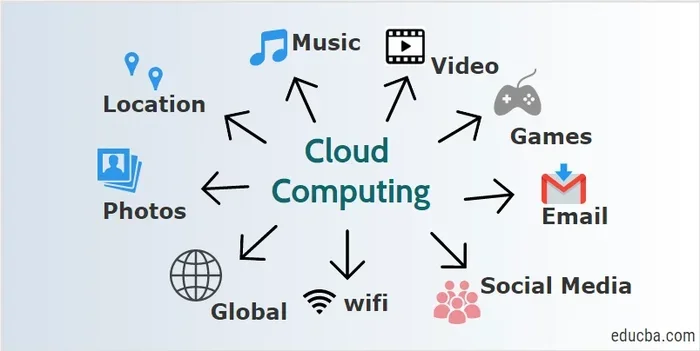
At its core, cloud computing means delivering computing services over the internet. These services include storage, servers, databases, networking, software, and analytics. Instead of owning and maintaining physical hardware, businesses rent access to these resources from cloud computing companies.
The beauty of this model is flexibility. You scale up when you need more power and scale down when you do not. This pay-as-you-go approach has made cloud services incredibly popular across industries. From healthcare to finance, organizations rely on cloud service providers to run their daily operations smoothly.
How Cloud Computing Works
Think of cloud computing like renting electricity instead of building your own power plant. The cloud computing platforms own and manage massive data centers around the world. You simply connect to these centers through the internet and access the resources you need.
These data centers are packed with servers and networking equipment. The providers handle maintenance, security, and upgrades. You focus on using the technology to grow your business. This division of labor is what makes cloud computing so efficient and appealing.
Top Companies That Offer Cloud Computing Solutions
The cloud computing market is dominated by a few major players, but many smaller providers also offer excellent services. Let us look at the most notable cloud hosting companies and what makes them stand out.
Amazon Web Services (AWS)
AWS is the undisputed leader in the cloud computing space. It holds the largest market share among cloud computing providers worldwide. AWS offers over 200 services, including computing power, storage options, and machine learning tools.
What makes AWS so popular? Its vast global network of data centers. Businesses can deploy applications in multiple regions around the world. AWS also offers strong scalable cloud services that grow with your needs. Many startups and Fortune 500 companies alike trust AWS for their cloud computing architecture needs.
Microsoft Azure
Microsoft Azure is the second-largest player in the cloud market. It integrates seamlessly with Microsoft products like Office 365 and Windows Server. This makes it a natural choice for businesses already invested in the Microsoft ecosystem.
Azure offers strong enterprise cloud solutions and hybrid cloud capabilities. Companies that need to blend on-premise systems with public cloud resources often turn to Azure. Its AI and analytics tools are also among the best in the industry. If your business relies heavily on Microsoft software, Azure deserves a close look.
Google Cloud Platform (GCP)
Google Cloud Platform brings the power of Google’s infrastructure to businesses. GCP excels in data analytics, machine learning, and open-source technologies. It is a favorite among developers and data scientists who value flexibility and innovation.
GCP’s cloud computing services are known for their performance and global reach. The platform offers strong networking capabilities and competitive pricing. Google also invests heavily in sustainability, powering its data centers with renewable energy. For businesses focused on data-driven decision-making, GCP is a top contender.
IBM Cloud
IBM Cloud targets enterprises that need advanced security and compliance features. It offers strong private cloud and hybrid cloud options. IBM also brings decades of experience in enterprise IT to the table.
The platform is particularly strong in AI and blockchain services. IBM’s Watson AI tools are integrated into many of its cloud offerings. If your business operates in a regulated industry like banking or healthcare, IBM Cloud’s focus on security and compliance makes it a compelling choice among cloud computing companies.
Other Notable Providers
Beyond the big four, several other cloud computing providers deserve mention. Oracle Cloud is strong in database services and enterprise applications. Alibaba Cloud dominates the Asian market and is expanding globally. DigitalOcean is popular among developers and small businesses for its simplicity and affordable pricing.
Rackspace Technology offers managed cloud services, which means they handle the technical details for you. These cloud service providers may not have the same market share as AWS or Azure, but they serve niche needs very well.
Types of Cloud Services You Should Know
Before choosing a provider, it helps to understand the different types of cloud services. Each model serves a different purpose and appeals to different kinds of users.
Infrastructure as a Service (IaaS)
IaaS provides the foundational building blocks of cloud IT. You get virtual machines, storage, and networking resources. Think of it as renting raw computing power. You control the operating systems, applications, and middleware.
AWS EC2, Microsoft Azure Virtual Machines, and Google Compute Engine are popular IaaS offerings. This model gives you the most control but also requires the most technical knowledge. It is ideal for IT teams that want full flexibility over their cloud infrastructure.
Platform as a Service (PaaS)
PaaS provides a framework for developers to build applications without worrying about underlying infrastructure. The cloud computing platform handles servers, storage, and networking. Developers focus on writing code and deploying applications.
Google App Engine and Microsoft Azure App Services are great examples. PaaS speeds up development and reduces the burden on IT teams. Startups and development teams love PaaS because it lets them move fast without managing complex infrastructure.
Software as a Service (SaaS)
SaaS delivers fully functional software applications over the internet. You do not need to install or maintain anything. You simply log in and use the application. Examples include Google Workspace, Salesforce, and Microsoft 365.
SaaS is the most popular cloud service model for everyday users and businesses. It requires zero technical expertise to get started. If you have ever used a web-based email service or a project management tool, you have already used SaaS.
Serverless Computing
Serverless computing is a newer model where the provider manages the server infrastructure entirely. You write code, and the cloud platform runs it in response to events. You pay only for the compute time you actually use.
AWS Lambda and Google Cloud Functions are leading serverless offerings. This model is perfect for event-driven applications and microservices. It eliminates the need to provision or manage servers, which is a huge advantage for many teams.
How to Choose the Right Cloud Computing Provider
With so many options available, selecting the right cloud computing company can be tricky. Here are the key factors to consider before making your decision.
Evaluate Your Business Needs
Start by understanding what your business actually needs. Do you need massive storage capacity or powerful computing resources? Are you running a simple website or a complex enterprise application? Your answers will guide your choice.
Small businesses might prioritize affordability and ease of use. Large enterprises might focus on security, compliance, and global reach. Defining your needs clearly will help you narrow down the list of cloud service providers worth considering.
Compare Pricing Models
Pricing is one of the most important factors. Most providers use a pay-as-you-go model, but the details vary. Some charge by the hour, others by the gigabyte of data stored or transferred.
AWS offers a detailed pricing calculator on its website. Azure and GCP also provide similar tools. Always estimate your monthly costs before committing. Watch out for hidden fees like data egress charges, which can add up quickly if you are not careful.
Consider Scalability and Performance
Your cloud provider should grow with your business. Look for providers that offer scalable cloud services and have data centers in regions where you operate. Performance matters, especially if you run applications that require low latency.
Check the provider’s uptime guarantees and service level agreements. A provider with a 99.99% uptime SLA is more reliable than one offering 99.9%. Performance benchmarks and real-world reviews can also give you valuable insights.
Security and Compliance
Security should be a top priority when choosing cloud computing providers. Look for providers that offer encryption, identity management, and regular security audits. Compliance certifications like SOC 2, HIPAA, and GDPR are important for regulated industries.
IBM Cloud and AWS both have strong security track records. Google Cloud also invests heavily in security and transparency. Do not hesitate to ask providers about their security practices before signing any contracts.
Support and Documentation
Good support can save you hours of frustration. Check whether the provider offers 24/7 support, dedicated account managers, and extensive documentation. Community forums and tutorials are also valuable resources.
AWS has one of the largest documentation libraries in the tech industry. Microsoft Azure offers strong enterprise support plans. Google Cloud has improved its support offerings significantly in recent years. Choose a provider whose support matches your technical expertise and business needs.
Benefits of Partnering with Leading Cloud Computing Companies
Working with established cloud computing companies brings many advantages that go beyond just storage and computing power.
Cost Savings
One of the biggest advantages of cloud computing is cost savings. You eliminate the need to buy expensive hardware and maintain physical data centers. You pay only for what you use, which makes budgeting more predictable.
Small businesses especially benefit from this model. They can access enterprise-grade technology without the massive upfront investment. This levels the playing field and allows startups to compete with larger companies.
Disaster Recovery and Business Continuity
Leading cloud hosting companies build redundancy into their systems. Your data is replicated across multiple data centers in different regions. This means your applications stay running even if one data center goes down.
Disaster recovery used to be expensive and complex. Cloud providers have made it accessible and affordable. Many offer built-in backup and recovery tools that are easy to configure and manage.
Innovation and Competitive Advantage
Top cloud computing platforms invest billions in research and development. They constantly roll out new features, tools, and services. By partnering with these providers, you get access to cutting-edge technology without having to build it yourself.
AI, machine learning, and big data analytics are now available through cloud services. These tools were once reserved for large corporations with dedicated IT teams. Today, any business can leverage them through cloud computing services.
Collaboration and Remote Work
Cloud computing enables seamless collaboration across teams and locations. Employees can access files, applications, and data from anywhere with an internet connection. This has become especially important in the era of remote work.
Tools like Google Workspace and Microsoft Teams are built on cloud infrastructure. They make real-time collaboration effortless. Businesses that embrace cloud-based collaboration tools often see improved productivity and employee satisfaction.
Common Mistakes to Avoid When Choosing a Cloud Provider
Many businesses make avoidable mistakes when selecting a cloud computing provider. Here are a few pitfalls to watch out for.
Ignoring Total Cost of Ownership
The advertised price is not always the final price. Data transfer fees, API request charges, and premium support costs can significantly increase your bill. Always calculate the total cost of ownership before committing to a provider.
Overlooking Vendor Lock-In
Switching providers later can be difficult and expensive. Some cloud service providers use proprietary technologies that make migration challenging. Consider using open standards and portable formats to keep your options open.
Underestimating Security Requirements
Security is a shared responsibility. The provider secures the infrastructure, but you are responsible for securing your data and applications. Many businesses underestimate this and end up with vulnerabilities. Take the time to understand the shared responsibility model fully.
Choosing Based on Price Alone
The cheapest option is not always the best. Consider reliability, performance, support, and features alongside pricing. A provider that is slightly more expensive but offers better uptime and support may save you money in the long run.
Quick Tips for Getting Started with Cloud Computing
Ready to explore cloud computing solutions? Here are some practical tips to help you get started on the right foot.
- Start small: Begin with a single service like cloud storage or a simple application. Test the waters before committing to a full migration.
- Use free tiers: Most major providers offer free tier accounts. Take advantage of these to learn the platform without spending money.
- Set up billing alerts: Enable cost monitoring and alerts to avoid unexpected charges. This is a simple step that saves many businesses from bill shock.
- Train your team: Invest in training for your IT staff. Familiarity with the platform leads to better performance and fewer mistakes.
- Plan for migration: If you are moving from on-premise systems, create a detailed migration plan. Rushing the process can lead to data loss and downtime.
- Review regularly: Cloud needs change as your business grows. Review your setup and costs every few months to ensure you are still getting the best value.
Conclusion
The world of companies that offer cloud computing solutions is vast and full of opportunity. From the industry-leading power of AWS and Microsoft Azure to the innovative tools of Google Cloud and the enterprise focus of IBM Cloud, there is a provider for every need and budget.
Understanding the different types of cloud services helps you make a smarter choice. Whether you need IaaS for full control, PaaS for faster development, or SaaS for ready-to-use software, the right provider can transform your business. Focus on your specific needs, compare pricing carefully, and never overlook security.
Partnering with the right cloud computing companies is not just about technology. It is about positioning your business for growth, agility, and long-term success. The cloud is not a trend. It is the foundation of modern business. Take the time to choose wisely, and you will reap the rewards for years to come.
Frequently Asked Questions
What are companies that offer cloud computing solutions?
Companies that offer cloud computing solutions are organizations that provide computing resources like storage, servers, and software over the internet. Leading examples include AWS, Microsoft Azure, Google Cloud, and IBM Cloud. These cloud computing providers allow businesses to access technology services on a pay-as-you-go basis without managing physical hardware.
Which cloud computing company is the best for small businesses?
For small businesses, DigitalOcean and Google Cloud often stand out for their simplicity and affordable pricing. AWS also offers a free tier that is great for startups. The best choice depends on your specific needs, technical expertise, and budget. Consider starting with a free tier to test different providers before committing.
What is the difference between public cloud and private cloud?
A public cloud is shared among multiple organizations and managed by a third-party cloud service provider. A private cloud is dedicated to a single organization and can be hosted on-premise or by a provider. Hybrid cloud combines both approaches. Many enterprises use a mix of public and private cloud to balance cost, security, and performance.
How much does cloud computing cost per month?
Costs vary widely depending on the provider, services used, and your usage level. Small businesses might spend anywhere from $50 to $500 per month. Larger enterprises can spend thousands. Most providers offer pricing calculators to help you estimate costs. Always monitor your usage to avoid unexpected charges.
Is cloud computing secure?
Yes, cloud computing companies invest heavily in security measures like encryption, firewalls, and regular audits. However, security is a shared responsibility. The provider secures the infrastructure, but you must secure your data and access controls. Following best practices and choosing providers with strong compliance certifications will keep your cloud environment safe.
Can I migrate my existing applications to the cloud?
Yes, most cloud computing platforms support migration from on-premise systems. Tools like AWS Migration Hub and Azure Migrate simplify the process. However, migration requires careful planning to avoid downtime and data loss. Consider working with a migration specialist if your applications are complex or mission-critical.
=== CONCLUSION ===
Choosing among companies that offer cloud computing solutions is one of the most important technology decisions your business will make. The right provider brings scalability, cost savings, and innovation to your doorstep. Take the time to evaluate your needs, compare providers, and plan your migration carefully. The cloud has the power to transform your business, but only if you choose the right partner.