Cloud Computing Security Compliance Guide for 2024
Cloud computing security compliance is essential for businesses that store data in the cloud. This guide breaks down the frameworks, rules, and best practices you need to follow in 2024. You will learn how to protect sensitive data, avoid fines, and build trust with your customers.
Every day, businesses move more data to the cloud. This shift brings amazing benefits like flexibility, scalability, and cost savings. But it also brings big risks. Cyber threats are growing. Regulators are tightening rules. And customers expect their data to be safe. That is where cloud computing security compliance comes in.
In simple terms, cloud computing security compliance means following a set of rules and standards that protect data stored in the cloud. These rules come from governments, industry groups, and international organizations. They tell you how to handle sensitive information, who can access it, and how to respond to a breach. If you ignore these rules, the consequences can be severe. You might face heavy fines. You could lose customer trust. In the worst cases, your business might even shut down.
This guide will walk you through everything you need to know about cloud computing security compliance in 2024. We will cover the key frameworks, the shared responsibility model, and practical steps you can take right now. Whether you are a small business owner or an IT leader, this guide has something for you. Let us dive in.
Key Takeaways
- Cloud compliance keeps your data safe: Following security standards protects sensitive information from breaches.
- Multiple frameworks apply: GDPR, HIPAA, SOC 2, and ISO 27001 are key standards you should know.
- The shared responsibility model matters: Both you and your cloud provider share the duty of keeping data secure.
- Regular audits are critical: Frequent security checks help you catch issues before they become big problems.
- Encryption and access control are non-negotiable: These are the foundation of any strong cloud security plan.
📑 Table of Contents
- What Is Cloud Computing Security Compliance?
- Key Compliance Frameworks You Must Know
- The Shared Responsibility Model Explained
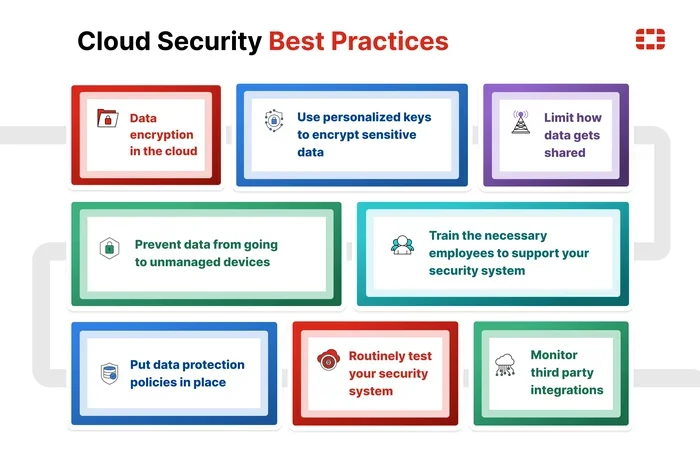
- Best Practices for Cloud Security Compliance
- Common Mistakes That Lead to Compliance Failures
- Expert Insights: The Future of Cloud Compliance
- Quick Tips for Staying Compliant
- Conclusion
What Is Cloud Computing Security Compliance?
Cloud computing security compliance refers to the process of meeting specific rules and standards designed to protect data in cloud environments. These standards exist at the local, national, and global levels. They cover areas like data privacy, access control, encryption, and incident response. When you comply with these rules, you show regulators and customers that you take data protection seriously.
Think of it this way. When you drive a car, you follow traffic laws. You stop at red lights. You wear a seatbelt. These rules keep you and others safe. Cloud compliance works the same way. It sets the rules for how you handle data in the cloud. The goal is to prevent data breaches, unauthorized access, and data loss.
Why Compliance Matters More Than Ever
Data breaches are on the rise. In 2023 alone, millions of records were exposed through cloud misconfigurations. Hackers are getting smarter. They target cloud environments because they often contain vast amounts of valuable data. At the same time, governments around the world are passing stricter data protection laws. The result? Businesses face more scrutiny than ever before.
Compliance is not just about avoiding fines. It is about building trust. When your customers know you follow strict security standards, they feel confident doing business with you. Compliance also gives you a competitive edge. Many companies now require their vendors and partners to meet specific security certifications. If you cannot prove your cloud compliance, you might lose valuable contracts.
Key Compliance Frameworks You Must Know
Several frameworks govern cloud computing security compliance. Each one serves different industries and regions. Let us look at the most important ones.
GDPR: The European Data Protection Standard
The General Data Protection Regulation, or GDPR, is a European Union law that protects the personal data of EU citizens. It applies to any business that processes data from people in the EU, no matter where the business is located. Under GDPR, you must get clear consent before collecting data. You must also allow users to request deletion of their data. Fines for non-compliance can reach up to 4% of your global annual revenue.
HIPAA: Protecting Healthcare Data
If your business handles healthcare information in the cloud, HIPAA compliance is essential. The Health Insurance Portability and Accountability Act sets strict rules for protecting patient health records. Cloud providers that serve healthcare companies must sign Business Associate Agreements (BAAs). These agreements outline each party’s responsibilities for keeping data secure. Failure to comply with HIPAA can result in significant penalties and reputational damage.
SOC 2: The Trust Service Criteria
SOC 2 is a framework developed by the American Institute of Certified Public Accountants. It focuses on five trust principles: security, availability, processing integrity, confidentiality, and privacy. Many SaaS companies pursue SOC 2 certification to prove they meet high security standards. Unlike GDPR or HIPAA, SOC 2 is not a legal requirement in most cases. However, it is often a prerequisite for doing business with enterprise clients.
ISO 27001: The International Gold Standard
ISO 27001 is an internationally recognized standard for information security management. It provides a systematic approach to managing sensitive data. To achieve ISO 27001 certification, organizations must implement a comprehensive Information Security Management System (ISMS). This framework covers risk assessment, security policies, and continuous improvement. Many global organizations require ISO 27001 certification from their cloud vendors.
The Shared Responsibility Model Explained
One of the most misunderstood concepts in cloud security is the shared responsibility model. Many businesses assume that their cloud provider handles all security. That is a dangerous myth. In reality, the cloud provider secures the infrastructure, but you are responsible for securing your data and applications within that infrastructure.
Here is a simple way to think about it. When you rent an apartment, the landlord is responsible for the building’s structure. They fix the roof and maintain the plumbing. But you are responsible for locking your door and keeping your belongings safe. The cloud shared responsibility model works the same way.
Your cloud provider, whether it is AWS, Microsoft Azure, or Google Cloud, is responsible for the physical security of data centers. They also manage the underlying hardware and network infrastructure. But you are responsible for configuring access controls, encrypting data, managing user identities, and setting up monitoring. If you fail in any of these areas, the breach is on you, not the provider.
Where the Provider’s Responsibility Ends
Most cloud providers offer a shared responsibility model summary in their documentation. Here is a quick breakdown:
- Provider responsibilities: Physical security, hardware maintenance, network infrastructure, and core services.
- Your responsibilities: Data classification, access management, encryption, configuration, and compliance auditing.
Understanding this division is critical for cloud computing security compliance. If you do not know what you are responsible for, you cannot protect it.
Best Practices for Cloud Security Compliance
Now that you understand the frameworks and the shared responsibility model, let us look at practical steps you can take. These best practices will help you achieve and maintain cloud compliance in 2024.
1. Conduct a Thorough Risk Assessment
Before you can protect your data, you need to know what you are protecting and where the vulnerabilities are. A risk assessment helps you identify weak points in your cloud environment. It also helps you prioritize which compliance frameworks apply to your business. Start by mapping out all the data you store in the cloud. Then identify who has access to it and how it flows between systems.
2. Implement Strong Encryption
Encryption is one of the most effective tools for data protection. You should encrypt data both at rest and in transit. Encryption at rest protects stored data. Encryption in transit protects data as it moves between systems. Most major cloud providers offer built-in encryption tools. Use them. Do not leave your data exposed.
3. Enforce Strict Access Controls
Not everyone in your organization needs access to every piece of data. Follow the principle of least privilege. This means giving users only the access they need to do their jobs. Use multi-factor authentication for all accounts. Regularly review permissions and remove access for former employees or contractors.
4. Perform Regular Security Audits
Compliance is not a one-time event. It is an ongoing process. Schedule regular security audits to check your cloud environment against compliance requirements. These audits help you catch misconfigurations, outdated policies, and potential vulnerabilities before they lead to a breach. Consider hiring a third-party auditor for an unbiased assessment.
5. Develop an Incident Response Plan
Even with the best defenses, breaches can still happen. That is why you need an incident response plan. This plan should outline the steps you will take if a security incident occurs. It should include roles and responsibilities, communication protocols, and procedures for containing and recovering from an attack. A well-prepared response can significantly reduce the damage of a breach.
6. Maintain Detailed Documentation
Regulators and auditors love documentation. Keep detailed records of your security policies, access logs, data flows, and compliance activities. This documentation proves that you are taking compliance seriously. It also makes the audit process smoother and faster.
Common Mistakes That Lead to Compliance Failures
Many businesses make the same mistakes when it comes to cloud computing security compliance. Avoiding these pitfalls can save you time, money, and reputation.
- Assuming your cloud provider handles everything: As we discussed, the shared responsibility model means you still have work to do. Do not ignore your part of the agreement.
- Neglecting data classification: Not all data is equal. You need to know which data is sensitive and apply appropriate protections.
- Skipping regular audits: Compliance requires ongoing effort. Skipping audits is like skipping oil changes for your car. Things might seem fine until they suddenly are not.
- Ignoring data residency requirements: Some regulations require data to stay within certain geographic boundaries. Storing data in the wrong region can put you out of compliance.
- Failing to train employees: Human error is one of the leading causes of data breaches. Regular security training is essential for every team member.
Expert Insights: The Future of Cloud Compliance
Cloud compliance is constantly evolving. New regulations emerge. New threats appear. Here is what experts are saying about the future of cloud security compliance.
Industry leaders predict that artificial intelligence will play a bigger role in compliance monitoring. AI tools can analyze vast amounts of data in real time, identifying threats and compliance gaps faster than humans ever could. Automation will also become more central. Many manual compliance tasks, like log reviews and policy checks, will be handled by automated systems.
Another trend is the rise of zero trust architecture. This approach assumes that no user or device is trustworthy by default. Every access request is verified, regardless of where it comes from. Zero trust is becoming a key component of modern cloud compliance strategies.
Expert Insight: “Compliance is not just a checkbox. It is a culture. Companies that treat compliance as an ongoing commitment, rather than a one-time project, will be the ones that thrive in the cloud era.” – Sarah Mitchell, Cloud Security Analyst at TechGuard Partners.
Quick Tips for Staying Compliant
- Review your cloud security policies at least once every quarter.
- Use automated tools to monitor compliance status in real time.
- Keep your cloud provider’s compliance certifications on file and up to date.
- Train your team on data handling procedures every six months.
- Test your incident response plan with simulated breach exercises.
- Stay informed about new regulations and updates to existing ones.
Conclusion
Cloud computing security compliance is not optional. It is a fundamental part of doing business in the cloud. The frameworks and standards we covered in this guide provide a solid foundation. But compliance is not a destination. It is a journey. You must continuously monitor, update, and improve your security practices to stay compliant and protected.
Start by understanding which frameworks apply to your business. Then implement the best practices we discussed, from encryption to access controls to regular audits. Avoid the common mistakes that trip up so many organizations. And remember, compliance is a team effort. Every person in your organization plays a role in keeping data safe.
Take action today. Review your current cloud security setup. Identify gaps. Make a plan. The more proactive you are, the better positioned you will be in 2024 and beyond. Cloud computing security compliance is your path to a safer, more trustworthy, and more successful business.
Frequently Asked Questions
What is cloud computing security compliance?
Cloud computing security compliance means following established rules and standards to protect data stored in cloud environments. It involves meeting requirements set by regulations like GDPR, HIPAA, and frameworks like SOC 2 and ISO 27001. Compliance ensures that sensitive data is handled securely and responsibly.
Which compliance framework should I choose for my business?
The right framework depends on your industry, location, and the type of data you handle. Healthcare companies should focus on HIPAA. Businesses dealing with EU citizens must comply with GDPR. SaaS companies often pursue SOC 2 to win enterprise clients. Evaluate your needs and consult a compliance expert if needed.
What is the shared responsibility model in cloud security?
The shared responsibility model divides security duties between you and your cloud provider. The provider secures the infrastructure, such as data centers and hardware. You are responsible for securing your data, access controls, and configurations within the cloud environment. Understanding this division is essential for cloud compliance.
How often should I conduct a cloud security audit?
You should conduct security audits at least once or twice a year. However, high-risk environments may need more frequent checks. Regular audits help you identify vulnerabilities, verify compliance, and ensure your security measures are up to date. Third-party auditors can provide an unbiased and thorough assessment.
Can small businesses benefit from cloud compliance?
Absolutely. Cloud compliance is not just for large enterprises. Small businesses also handle sensitive data, and they face the same risks of breaches and fines. In fact, small businesses can be attractive targets for hackers because they often have weaker defenses. Implementing basic compliance practices levels the playing field and builds customer trust.
What happens if I fail to comply with cloud security regulations?
The consequences can be severe. You may face significant financial penalties, legal action, and loss of customer trust. In some industries, non-compliance can lead to the revocation of operating licenses. Beyond fines, a data breach can cause lasting reputational damage that is very difficult to recover from.
=== SEO Title ===
Cloud Computing Security Compliance Guide for 2024
=== META TITLE ===
Cloud Computing Security Compliance Guide 2024
=== URL SLUG ===
/cloud-computing-security-compliance-guide-2024