What Is a Benefit of Using Cloud Computing in Networking
The biggest benefit of using cloud computing in networking is the ability to scale your network resources on demand without heavy upfront costs. Cloud-based networking lets businesses manage infrastructure remotely, reduce downtime, and respond faster to changing needs. Whether you are a small startup or a large enterprise, cloud computing in networking delivers flexibility, cost savings, and improved performance that traditional setups simply cannot match.
If you have ever managed a network, you know how challenging it can be. Keeping servers running, managing bandwidth, and ensuring security takes a lot of time and money. That is where cloud computing in networking comes in. It changes the way businesses handle their network infrastructure entirely.
So, what is a benefit of using cloud computing in networking? The short answer is scalability. With cloud networking, you can grow or shrink your network resources based on what you need right now. No more buying expensive hardware that sits unused for months. No more worrying about outages during peak traffic hours. Cloud computing in networking gives you the power to adapt quickly and keep things running smoothly.
In this article, we will explore the many advantages of cloud computing in networking. You will learn how it works, why it matters, and how it can save your business time and money. We will also look at real-world examples and share tips to help you get started. Whether you are a beginner or an experienced IT professional, this guide has something valuable for you.
Key Takeaways
- Scalability on Demand: Cloud computing in networking lets you scale resources up or down instantly based on real-time needs.
- Cost Efficiency: You avoid expensive hardware purchases and pay only for what you use.
- Improved Network Performance: Cloud-based tools reduce latency and boost overall network speed.
- Centralized Management: Manage your entire network from one dashboard, no matter where your team is located.
- Enhanced Security: Cloud providers offer built-in security features like encryption and threat detection.
- Disaster Recovery: Cloud networking makes backing up and restoring data faster and more reliable.
- Remote Access: Teams can access network resources from anywhere in the world with an internet connection.
📑 Table of Contents
- Understanding Cloud Computing in Networking
- Key Benefits of Cloud Computing in Networking
- How Cloud Computing Transforms Network Management
- Comparison: Traditional Networking vs. Cloud Networking
- Real-World Examples and Use Cases
- Quick Tips for Getting Started with Cloud Networking
- Common Mistakes to Avoid
- Conclusion
Understanding Cloud Computing in Networking
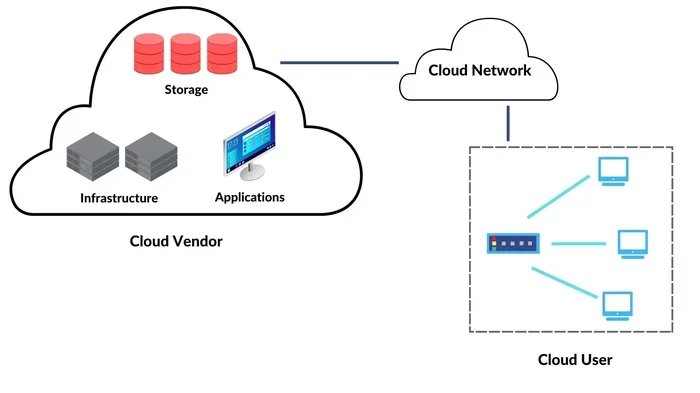
Before diving into the benefits, let us clear up what we mean by cloud computing in networking. Simply put, it is the use of cloud-based platforms and services to manage, store, and process network data and resources. Instead of relying on physical servers and on-premises hardware, you use remote data centers managed by cloud providers.
How It Works
Traditional networking depends on physical equipment. You need routers, switches, firewalls, and servers sitting in a server room. Cloud computing in networking replaces much of this with virtual resources. These virtual resources live in data centers operated by companies like Amazon Web Services, Microsoft Azure, and Google Cloud.
Here is how it works in simple terms:
- Your network connects to the cloud through the internet.
- You access virtual servers, storage, and networking tools remotely.
- You manage everything through a web-based dashboard or API.
- The cloud provider handles maintenance, updates, and security patches.
This setup frees your team from worrying about physical hardware. It also means your network can grow without you needing to buy more equipment.
Key Terms to Know
Cloud networking uses some specific terms that are worth understanding:
- Virtual Private Cloud (VPC): A private network space within the cloud where you control your resources.
- Software-Defined Networking (SDN): A way to manage network traffic using software instead of physical hardware.
- Network as a Service (NaaS): A cloud model where networking functions are delivered as a service.
- Load Balancing: Distributing network traffic across multiple servers to prevent overload.
- Hybrid Cloud Networking: Combining on-premises infrastructure with cloud resources for the best of both worlds.
Knowing these terms will help you make better decisions when choosing cloud networking solutions for your business.
Key Benefits of Cloud Computing in Networking
Now let us get to the heart of the matter. What makes cloud computing in networking so valuable? There are many benefits, and each one can have a real impact on how your business operates.
Scalability and Flexibility
The most talked-about benefit is scalability. With traditional networking, scaling up means buying new hardware, installing it, and configuring it. This process can take weeks or even months. Cloud computing in networking changes everything.
You can scale your network resources in minutes. Need more bandwidth during a sales event? Just increase your cloud resources. Traffic dying down? Scale back and stop paying for unused capacity. This network scalability is one of the biggest reasons businesses are moving to the cloud.
Here are some quick examples of how scalability helps:
- A retail website handles holiday shopping traffic spikes without crashing.
- A growing startup adds new offices without setting up a new server room.
- A video streaming service adjusts resources during prime time viewing hours.
Cost Savings
Running a traditional network is expensive. You pay for servers, cooling, electricity, physical space, and IT staff to maintain everything. Cloud computing in networking dramatically reduces these costs.
With cloud networking, you switch from a capital expense model to an operational expense model. Instead of spending large amounts upfront, you pay a monthly fee based on what you use. This is called the pay-as-you-go model.
Consider these cost advantages:
- No hardware purchases: You do not need to buy expensive routers or switches.
- Lower maintenance costs: The cloud provider handles hardware maintenance.
- Reduced IT staffing needs: Less manual management means smaller IT teams can handle more.
- Energy savings: Cloud data centers are far more energy-efficient than on-premises setups.
Over time, these savings add up significantly. Many businesses report cutting their networking costs by 30 to 50 percent after moving to the cloud.
Improved Network Performance
Cloud computing in networking also boosts network performance. Cloud providers invest heavily in high-speed infrastructure, global data centers, and advanced networking technology. Your business gets access to all of that without building it yourself.
Here is what better performance looks like in practice:
- Lower latency: Data travels faster between cloud servers and end users.
- Higher bandwidth: Cloud networks can handle more data traffic without slowdowns.
- Better reliability: Cloud providers offer uptime guarantees of 99.99 percent or higher.
- Faster deployment: New network services and applications launch in hours, not weeks.
When your network performs better, your users are happier. And happy users mean better business outcomes.
Centralized Network Management
Managing a network across multiple locations can be a nightmare. Each site might have its own equipment, its own configurations, and its own issues. Cloud computing in networking solves this with centralized management.
You can monitor and control your entire network from a single dashboard. This gives you visibility into every part of your network, no matter where it is located. You can spot problems early, apply updates across all sites at once, and make changes in real time.
Centralized management also improves collaboration. Your IT team can work together more effectively, even if they are spread across different offices or time zones.
Enhanced Security
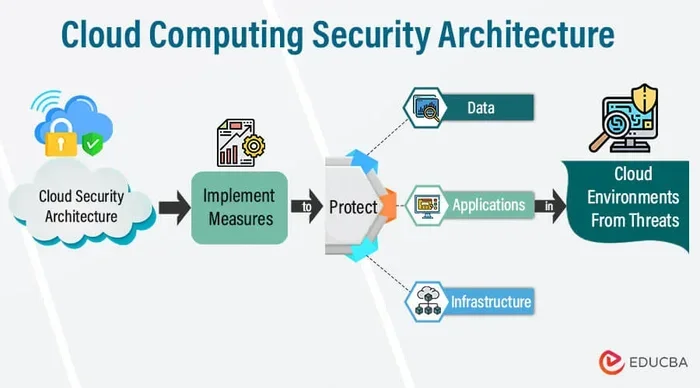
Security is a top concern for any business. The good news is that cloud computing in networking comes with strong built-in security features. Major cloud providers invest billions of dollars in security technology and expertise.
Here are some security benefits you get with cloud networking:
- Encryption: Data is encrypted both in transit and at rest.
- Threat detection: Cloud platforms use AI to detect and respond to threats in real time.
- Access controls: You can set precise permissions for who can access what.
- Compliance: Leading cloud providers meet strict industry regulations like HIPAA and GDPR.
Of course, security is a shared responsibility. You still need to follow best practices on your end. But the cloud gives you a much stronger foundation to build on.
Disaster Recovery and Business Continuity
Network outages and data loss can be devastating for any business. Cloud computing in networking makes disaster recovery much easier and more affordable.
Cloud providers replicate your data across multiple data centers in different geographic locations. If one center goes down, your network keeps running. Recovery times that used to take days can now happen in minutes.
This is especially important for businesses that cannot afford any downtime. E-commerce sites, healthcare providers, and financial services companies all benefit greatly from cloud-based disaster recovery.
How Cloud Computing Transforms Network Management
The benefits we have discussed so far all point to one big idea: cloud computing transforms how networks are managed. Let us look at some specific ways this transformation happens.
Network Automation
One of the most powerful changes is network automation. In a traditional setup, network administrators manually configure each device. This is slow and prone to human error. Cloud networking allows you to automate many of these tasks.
With automation, you can:
- Provision new network resources automatically.
- Apply security policies across all devices at once.
- Monitor network health and trigger alerts without human intervention.
- Scale resources up or down based on predefined rules.
This frees your IT team to focus on strategic projects instead of repetitive manual tasks.
Software-Defined Networking in the Cloud
Software-Defined Networking (SDN) is a game-changer for cloud environments. SDN separates the network control plane from the hardware, allowing you to manage traffic through software.
In a cloud computing networking setup, SDN gives you incredible flexibility. You can reroute traffic, adjust bandwidth, and implement new policies all from a software interface. This level of control was nearly impossible with traditional hardware-based networks.
Edge Computing and Cloud Networking
Another exciting development is the combination of edge computing and cloud networking. Edge computing brings processing closer to the data source, reducing latency and improving response times.
Cloud providers now offer edge computing services that work hand in hand with their networking tools. This means you can build networks that are both fast and scalable, serving users around the world with minimal delay.
Comparison: Traditional Networking vs. Cloud Networking
To really understand the value of cloud computing in networking, it helps to compare it side by side with traditional networking.
| Feature | Traditional Networking | Cloud Networking |
|---|---|---|
| Scalability | Slow, requires hardware purchases | Instant, software-based |
| Upfront Cost | High | Low or none |
| Management | Manual, on-site | Centralized, remote |
| Disaster Recovery | Complex and expensive | Built-in and affordable |
| Security | Depends on your team | Provider-managed + your controls |
| Deployment Speed | Weeks or months | Hours or days |
| Maintenance | Your responsibility | Provider handles most of it |
The comparison makes it clear why so many businesses are making the switch. Cloud networking offers advantages in nearly every category.
Real-World Examples and Use Cases
Theory is great, but seeing cloud computing in networking in action makes it even clearer. Here are some real-world examples of businesses benefiting from cloud networking.
E-Commerce Businesses
Online retailers face unpredictable traffic patterns. A flash sale or viral product can cause traffic to spike overnight. Cloud networking allows e-commerce companies to handle these spikes without crashing their websites. They scale up during peak times and scale back when things calm down, saving money while keeping customers happy.
Remote Work Environments
The rise of remote work has made cloud networking essential. Companies with distributed teams need reliable, secure access to network resources from anywhere. Cloud-based VPNs and remote access tools make this possible. Employees can work from home, coffee shops, or across the globe without sacrificing performance or security.
Healthcare Organizations
Hospitals and clinics need fast, secure networks to share patient data and run medical applications. Cloud networking helps healthcare providers meet strict regulatory requirements while keeping their systems running smoothly. Disaster recovery features ensure that critical patient data is always available, even during outages.
Startups and Small Businesses
Startups often operate on tight budgets. Cloud networking lets them build professional-grade networks without the huge upfront costs of traditional infrastructure. As the business grows, the network grows with it. This flexibility is a huge advantage for companies that need to move fast.
Quick Tips for Getting Started with Cloud Networking
Ready to explore cloud computing in networking for your business? Here are some practical tips to help you get started on the right foot.
- Start small: Begin with a single cloud service or application before migrating your entire network.
- Assess your needs: Understand your current network usage, peak traffic times, and future growth plans.
- Choose the right provider: Look for providers that offer strong security, good uptime guarantees, and responsive support.
- Train your team: Make sure your IT staff understands cloud networking tools and best practices.
- Monitor costs: Keep an eye on your cloud spending to avoid unexpected bills. Use cost management tools provided by your cloud provider.
- Implement strong passwords and multi-factor authentication: Security starts with basic access controls.
- Document everything: Keep clear records of your cloud network setup, configurations, and policies.
Expert Insight: “The businesses that succeed with cloud networking are the ones that plan their migration carefully. Do not rush the process. Take time to understand your current setup, set clear goals, and migrate in phases. This approach minimizes risk and ensures a smoother transition.” — IT Infrastructure Advisor
Common Mistakes to Avoid
While cloud computing in networking offers tremendous benefits, there are common pitfalls you should watch out for.
Ignoring Security Best Practices
Some businesses assume the cloud provider handles all security. This is not true. While your provider secures the infrastructure, you are still responsible for securing your data, access controls, and configurations. Always follow security best practices and review your settings regularly.
Overlooking Costs
The pay-as-you-go model is great, but it can spiral if you are not careful. Without proper monitoring, you might end up paying for resources you no longer need. Set up billing alerts and review your usage regularly.
Poor Planning for Migration
Rushing a migration without proper planning leads to problems. Downtime, data loss, and configuration errors are common when businesses skip the planning phase. Take a phased approach and test thoroughly before going live.
Not Training Your Team
Cloud networking works differently from traditional networking. If your team does not receive proper training, they will struggle to manage the new environment effectively. Invest in training and ongoing learning for your IT staff.
Conclusion
Cloud computing in networking offers benefits that go far beyond simple cost savings. From scalability and flexibility to improved performance and security, the advantages are clear and compelling. Whether you are a small business just getting started or a large enterprise looking to modernize your infrastructure, cloud networking provides the tools you need to succeed.
The key takeaway is simple: cloud computing in networking gives you more control, more flexibility, and more value than traditional networking ever could. By moving your network to the cloud, you position your business for growth, resilience, and long-term success.
Start exploring your options today. Look at different cloud providers, assess your networking needs, and take the first step toward a more agile and efficient network. The benefits of cloud computing in networking are waiting for you.
Frequently Asked Questions
What is the main benefit of using cloud computing in networking?
The main benefit is scalability. Cloud computing in networking allows you to scale your network resources up or down instantly based on demand. This flexibility helps businesses handle traffic spikes, reduce costs, and adapt quickly to changing needs without investing in expensive physical hardware.
How does cloud computing improve network performance?
Cloud providers operate high-speed data centers with advanced networking technology. By using cloud computing in networking, your business gains access to this infrastructure, which reduces latency, increases bandwidth, and improves overall reliability. The result is faster data transfer and a better experience for your users.
Is cloud networking more secure than traditional networking?
Cloud networking offers strong built-in security features like encryption, threat detection, and access controls. However, security is a shared responsibility. While your cloud provider secures the infrastructure, you must still manage your own access controls, data protection, and compliance requirements. When both sides are handled properly, cloud networking can be very secure.
How much can cloud computing in networking save a business?
Savings vary depending on the size of your business and your current setup. Many companies report reducing their networking costs by 30 to 50 percent after moving to the cloud. The pay-as-you-go model eliminates the need for expensive hardware purchases and reduces ongoing maintenance and staffing costs.
Can small businesses benefit from cloud networking?
Absolutely. Small businesses often benefit the most from cloud computing in networking because they can access enterprise-grade infrastructure without the high upfront costs. Cloud networking allows small businesses to scale as they grow, manage their network remotely, and compete with larger companies on a level playing field.
What is the difference between cloud networking and traditional networking?
Traditional networking relies on physical hardware like routers, switches, and servers located on-site. Cloud networking uses virtual resources hosted in remote data centers. This means cloud networking offers greater scalability, lower upfront costs, centralized management, and faster deployment compared to traditional setups.