Cloud Based Quantum Computing Everything You Should Know
Cloud based quantum computing lets anyone access powerful quantum processors through the internet without owning expensive hardware. You can explore quantum algorithms, run complex simulations, and solve problems that regular computers simply cannot handle. This guide covers everything from how it works to the best platforms and real-world applications.
You have probably heard a lot about quantum computing by now. It promises to solve problems that would take today’s best supercomputers thousands of years. But here is the thing. Most people and businesses cannot afford to buy a quantum computer. That is exactly where cloud based quantum computing comes in.
This technology brings the power of quantum processors to your laptop, tablet, or phone through the internet. You do not need a multi-million dollar lab. You just need a connection and curiosity. In this guide, we will walk you through everything you need to know about quantum computing in the cloud. Let us dive in.
Key Takeaways
- No expensive hardware needed: Cloud based quantum computing removes the barrier of buying and maintaining quantum machines.
- Multiple platforms to choose from: IBM, Google, Amazon, and Microsoft all offer quantum cloud services with different strengths.
- Real-world applications exist today: Industries like finance, healthcare, and cybersecurity already use quantum computing for practical tasks.
- Hybrid approaches are key: Most current solutions combine classical and quantum computing for the best results.
- Costs vary widely: Some platforms offer free access for learning, while enterprise plans can be quite expensive.
- The future is bright: Experts expect quantum cloud services to grow rapidly in the next few years.
📑 Table of Contents
- What Is Cloud Based Quantum Computing?
- How Cloud Based Quantum Computing Works
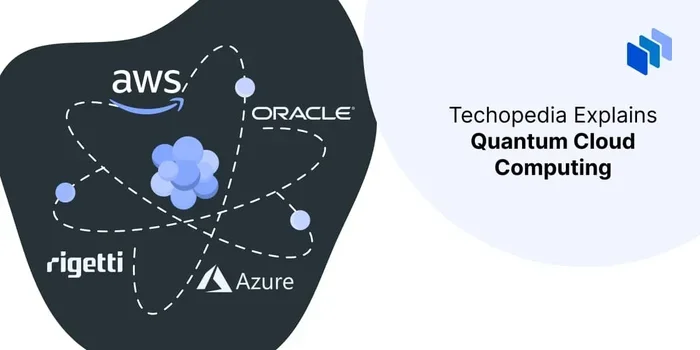
- Top Cloud Based Quantum Computing Platforms
- Real-World Applications of Cloud Based Quantum Computing
- Benefits and Limitations of Cloud Based Quantum Computing
- Common Mistakes to Avoid
- The Future of Cloud Based Quantum Computing
- Conclusion
What Is Cloud Based Quantum Computing?
At its core, cloud based quantum computing means accessing quantum processing power over the internet. Instead of building your own quantum machine, you rent time on someone else’s. Think of it like streaming a movie. You do not own the server that delivers the video. You just enjoy the content. Quantum computing in the cloud works the same way.
Why Does This Matter?
Quantum computers use something called qubits. These are very different from regular bits in your computer. While a regular bit is either a zero or a one, a qubit can be both at the same time. This is called superposition. It gives quantum machines incredible power for certain types of problems.
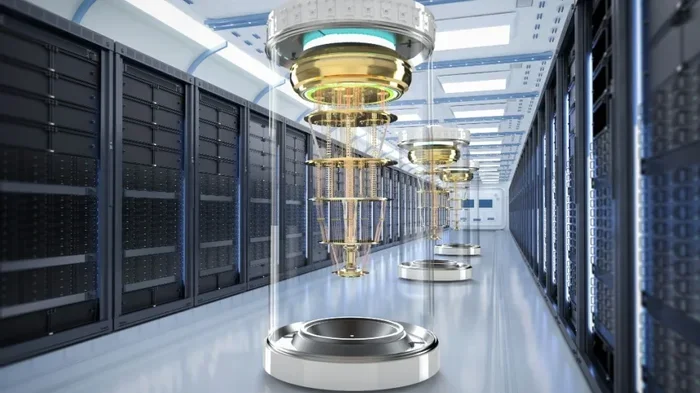
But building and keeping a quantum computer is extremely hard. They need near absolute zero temperatures. They are sensitive to vibration and noise. That is why quantum cloud services are such a game changer. They let researchers, developers, and businesses tap into this power without the huge cost.
How Is It Different from Regular Cloud Computing?
Regular cloud computing runs on classical computers. It handles everyday tasks like storing files, running apps, and hosting websites. Quantum computing platforms in the cloud do something very different. They tackle problems that classical computers struggle with. These include complex optimization, molecular modeling, and cryptography.
Most quantum cloud services offer both classical and quantum resources together. This hybrid setup lets you run parts of your workload on regular processors and parts on quantum ones. It gives you the best of both worlds.
How Cloud Based Quantum Computing Works
Understanding the mechanics of cloud based quantum computing helps you use it better. The process is simpler than you might think.
Step 1: You Submit a Job
You write a quantum program or use a pre-built quantum algorithm. You send this job to a quantum cloud platform. This is just like submitting a task to any other cloud service.
Step 2: The Platform Routes Your Request
The platform decides whether your job needs a quantum processor or a classical one. If it needs quantum power, it sends your request to a real quantum machine. These machines live in specialized labs with strict temperature and noise controls.
Step 3: You Get Results Back
After the quantum processor finishes, it sends the results back to you through the cloud. This whole process can take minutes or hours depending on the complexity. You access everything through a web browser or an API.
Key Concepts You Should Know
- Qubits: The basic unit of quantum information. More qubits mean more computing power.
- Quantum gates: Operations that manipulate qubits, similar to logic gates in classical computing.
- Entanglement: A phenomenon where qubits become linked and affect each other instantly.
- Quantum volume: A measure of a quantum computer’s overall power and reliability.
- Noise and error correction: Quantum machines are prone to errors. Error correction is a big focus in the field.
These concepts form the foundation of quantum computing access through the cloud. You do not need to master them all at once. But understanding the basics will help you a lot.
Top Cloud Based Quantum Computing Platforms
Several major companies now offer quantum computing providers through the cloud. Each platform has its own strengths. Here is a closer look at the top players.
IBM Quantum
IBM was one of the first to offer quantum computing in the cloud. Their IBM Quantum Network gives users access to real quantum processors. You can use Qiskit, their open source framework, to write quantum programs. IBM offers both free tiers for learning and paid plans for enterprise use.
Amazon Braket
Amazon Braket is part of Amazon Web Services. It gives you access to quantum hardware from multiple providers. You can choose from different quantum technologies like superconducting qubits and trapped ions. Braket also offers simulators so you can test your code before running it on real machines.
Microsoft Azure Quantum
Microsoft Azure Quantum integrates quantum computing into the Azure cloud ecosystem. It partners with hardware providers like Quantinuum and IonQ. If you already use Azure for other services, this is a natural fit. It also offers quantum development tools through the Q# programming language.
Google Quantum AI
Google made headlines with its quantum supremacy claim in 2019. Their quantum AI lab offers cloud access to their processors. Google focuses on pushing the boundaries of quantum computing applications. They also provide Cirq, an open source framework for quantum circuits.
Comparison Table
| Platform | Key Strength | Free Access | Best For |
|---|---|---|---|
| IBM Quantum | Largest quantum network | Yes | Researchers and learners |
| Amazon Braket | Multi-provider hardware | Limited | Enterprise and hybrid workloads |
| Microsoft Azure Quantum | Azure integration | Limited | Existing Azure users |
| Google Quantum AI | Cutting edge research | Limited | Advanced quantum research |
Choosing the right quantum computing platform depends on your needs. If you are just starting out, IBM’s free tier is a great place to begin. For businesses already in the cloud ecosystem, the native integration matters a lot.
Real-World Applications of Cloud Based Quantum Computing
Quantum computing applications are no longer just theory. Companies across many industries are using quantum cloud services to solve real problems today.
Drug Discovery and Healthcare
Pharmaceutical companies use quantum computing to simulate molecules. This helps them understand how drugs interact with proteins at a very deep level. Traditional computers struggle with these simulations. Quantum machines handle them much more efficiently. This could speed up drug discovery by years.
Finance and Risk Analysis
Banks and financial firms use quantum computing for business to optimize portfolios and manage risk. Quantum algorithms can analyze thousands of variables at once. This helps traders and analysts make better decisions faster. Some firms are already running quantum experiments on their portfolios through cloud platforms.
Cybersecurity and Encryption
Quantum computing has a big impact on quantum cryptography. On one hand, quantum computers could break current encryption methods. On the other hand, they enable new forms of ultra-secure communication called quantum key distribution. Cloud platforms let security teams test and prepare for these changes now.
Supply Chain and Logistics
Optimizing supply chains involves solving incredibly complex problems. There are millions of possible routes, schedules, and combinations. Quantum computers can explore these possibilities much faster than classical ones. Companies are already using hybrid quantum classical computing through the cloud to optimize delivery routes and reduce costs.
Artificial Intelligence and Machine Learning
Quantum machine learning is a hot area of research. Quantum computers can process certain types of data much faster. This could lead to breakthroughs in pattern recognition, natural language processing, and predictive analytics. Cloud platforms make these powerful tools accessible to AI developers everywhere.
Benefits and Limitations of Cloud Based Quantum Computing
Like any technology, cloud based quantum computing has its pros and cons. Understanding both helps you set realistic expectations.
The Benefits
- No huge upfront costs: You pay for what you use. There is no need to buy million-dollar machines.
- Easy access: Anyone with an internet connection can explore quantum computing from anywhere in the world.
- Scalability: Cloud platforms can allocate more quantum resources as your needs grow.
- Learning opportunities: Many platforms offer free tiers and tutorials. This makes it easy to get started.
- Up-to-date hardware: Cloud providers constantly upgrade their quantum machines. You always get access to the latest technology.
The Limitations
- Quantum noise: Current quantum machines are still noisy and error-prone. Results are not always perfect.
- Limited qubit counts: Most available quantum processors have fewer qubits than what experts consider ideal.
- Learning curve: Quantum programming requires new skills and a different way of thinking.
- Latency: Jobs submitted to quantum processors may have wait times, especially during peak usage.
- Niche use cases: Quantum computers are not better at everything. They shine on specific types of problems.
Despite these limitations, quantum computing access through the cloud is improving fast. Every year, processors get more powerful and more reliable.
Common Mistakes to Avoid
As you explore cloud based quantum computing, watch out for these common pitfalls.
- Expecting instant results: Quantum computing is still maturing. Do not expect it to replace classical computing overnight.
- Ignoring hybrid approaches: Most real-world problems benefit from combining quantum and classical methods. Pure quantum solutions are rare right now.
- Skipping the basics: Jumping into complex quantum algorithms without understanding the fundamentals leads to frustration.
- Overlooking simulators: Many platforms offer excellent quantum simulators. Use them to test ideas before running on real hardware.
- Ignoring costs: Some advanced quantum resources can be expensive. Monitor your usage and set budgets.
Quick Tips for Getting Started
- Start with a free tier on IBM Quantum or Amazon Braket.
- Learn Qiskit or Cirq, the most popular quantum programming frameworks.
- Join online communities and forums dedicated to quantum computing.
- Run small experiments first before tackling complex problems.
- Combine classical and quantum resources for the best results.
The Future of Cloud Based Quantum Computing
The future of quantum computing in the cloud looks incredibly promising. Experts predict that within the next decade, quantum processors will become far more powerful and reliable. Here is what we can expect.
More Affordable Access
As quantum hardware improves, the cost of quantum cloud services will come down. This means more businesses and researchers can benefit from quantum power. The barrier to entry will continue to shrink.
Better Error Correction
One of the biggest challenges in quantum computing is errors. Researchers are making great progress in error correction techniques. Soon, quantum results will be much more accurate and trustworthy. This will open the door to even more quantum computing applications.
Enterprise Adoption Will Grow
More companies are experimenting with enterprise quantum computing through the cloud. We expect to see quantum solutions become a standard part of business operations. Industries like finance, healthcare, energy, and logistics will lead this adoption.
Quantum Computing Startups
The rise of quantum computing startups is fueling innovation. Many of these startups build tools and software that run on cloud quantum platforms. This ecosystem will make quantum computing more accessible and practical for everyday users.
The bottom line is clear. Cloud based quantum computing is not just a future concept. It is happening right now. And it is going to change how we solve some of the world’s hardest problems.
Conclusion
Cloud based quantum computing has opened the doors to one of the most powerful technologies ever created. You no longer need a physics lab or a massive budget to explore the quantum world. Whether you are a student, a developer, or a business leader, quantum computing in the cloud gives you the tools to experiment, learn, and solve real problems.
The platforms are ready. The applications are growing. The future is being built in the cloud. The best time to start exploring quantum cloud services is right now. Pick a platform, write your first quantum program, and see what you can discover.
Remember, this technology is still evolving. Stay curious. Keep learning. And most importantly, have fun with it. The world of cloud based quantum computing is waiting for you.
Frequently Asked Questions
What is cloud based quantum computing in simple terms?
Cloud based quantum computing means using quantum computers over the internet instead of owning them. You send your tasks to a quantum processor through the cloud and get results back. It makes quantum power accessible to anyone with an internet connection.
How much does it cost to use quantum cloud services?
Costs vary by platform. IBM offers free tiers for learning and experimentation. Amazon Braket and Microsoft Azure Quantum have pay-as-you-go pricing. Enterprise plans can cost more depending on usage and hardware access. Always check the pricing details before committing.
Can anyone learn to use cloud based quantum computing?
Yes, absolutely. Most platforms offer tutorials, documentation, and free access for beginners. You do not need a PhD in physics. Basic programming knowledge helps, but many resources are designed for newcomers. Start with free tiers and build your skills over time.
What is the difference between quantum computing in the cloud and regular cloud computing?
Regular cloud computing uses classical processors for everyday tasks like hosting websites and storing data. Quantum computing in the cloud uses quantum processors to solve complex problems that classical computers struggle with. They complement each other and often work together in hybrid setups.
Which industries benefit most from cloud based quantum computing?
Healthcare and drug discovery, finance and risk analysis, cybersecurity, logistics, and artificial intelligence are among the biggest beneficiaries. These industries deal with complex optimization and simulation problems that quantum machines handle well. But the technology is spreading to many other fields too.
Is cloud based quantum computing ready for everyday business use?
It is getting there. Many businesses are already running experiments and pilot projects on quantum cloud platforms. However, for mission-critical applications, most companies still use hybrid approaches. The technology is maturing fast, and full production readiness is on the horizon.
=== CONCLUSION ===
Cloud based quantum computing is transforming how we approach complex problem solving. It removes the barriers of cost, hardware, and expertise that once held people back. From free learning tiers to enterprise-grade solutions, there is a path for everyone to explore this exciting field.
The platforms are powerful, the applications are growing, and the future is bright. Start small, stay curious, and keep building. Your quantum journey begins with a single click.