Cloud Computing vs Artificial Intelligence Explained Simply
Cloud computing vs artificial intelligence is a topic many people confuse. Cloud computing stores and processes data online, while artificial intelligence makes machines think and learn. They are different but work amazingly well together. This guide breaks down both in simple terms so anyone can understand them. You will learn what each one does, how they compare, and why they matter to you.
Have you ever wondered about cloud computing vs artificial intelligence? These two terms pop up everywhere in tech news. Yet many people mix them up or use them as if they mean the same thing. They do not. They are two separate fields that happen to work beautifully together. Understanding the difference can help you make smarter choices about technology. It can also open up exciting career paths you might not have considered.
This guide breaks everything down in plain, simple language. You do not need a tech degree to follow along. We will explore what each one is, how they differ, and why they matter in everyday life. By the end, you will have a clear picture of both cloud computing and artificial intelligence. Let us dive in.
Key Takeaways
- Cloud computing handles storage and processing power over the internet.
- Artificial intelligence gives computers the ability to learn and make decisions.
- The two are not the same thing, but they complement each other perfectly.
- Cloud platforms provide the computing power that AI needs to train models.
- Real-world AI applications like voice assistants rely on cloud services to work.
- You do not need to choose one over the other — they are better together.
- Learning the basics of both opens doors to digital transformation careers.
📑 Table of Contents
What Is Cloud Computing?
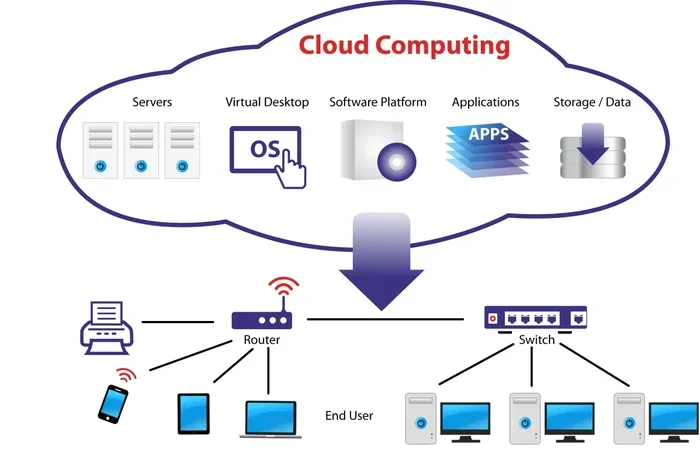
Cloud computing is a way to store and access data and programs over the internet instead of your computer’s hard drive. Think of it like renting a storage unit. You pay for what you use. You do not need to own the building. The same idea applies to cloud services. You rent computing power from big companies like Amazon, Google, or Microsoft.
How Cloud Computing Works
When you save a photo to iCloud or Google Drive, you are using cloud storage. When you watch Netflix, the video streams from cloud servers. These data centers are massive buildings filled with computers. They handle all the heavy lifting so your phone or laptop does not have to.
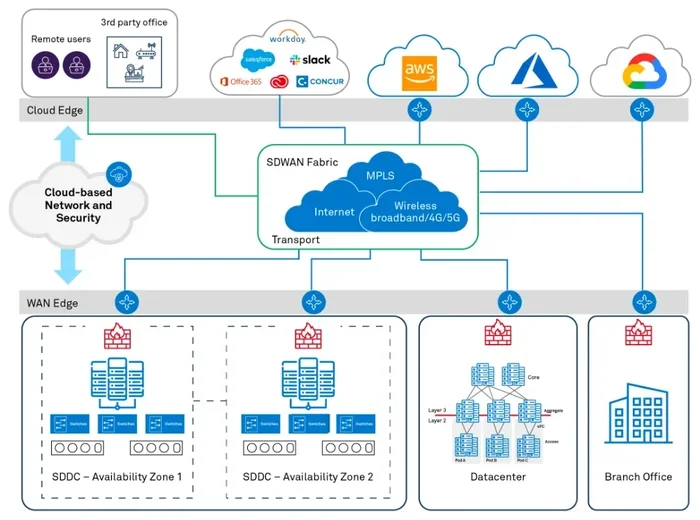
Cloud infrastructure includes servers, databases, networking, and software. Companies build these centers all over the world. They offer cloud platforms where developers can build apps without buying expensive hardware. This is why startups can launch products quickly without millions of dollars upfront.
Types of Cloud Services
There are three main types of cloud services:
- IaaS (Infrastructure as a Service): You rent raw computing resources like virtual machines and storage.
- PaaS (Platform as a Service): You get a platform to build and deploy apps without managing the underlying hardware.
- SaaS (Software as a Service): You use ready-made software over the internet, like Gmail or Dropbox.
Each type serves a different need. But they all share one thing in common: they run on cloud computing infrastructure somewhere else, not on your local machine.
What Is Artificial Intelligence?
Artificial intelligence is a branch of computer science focused on building machines that can think and learn. Normal computers follow strict instructions. AI algorithms allow computers to learn from data. They can recognize patterns, make decisions, and even predict outcomes. This is what makes smart technology possible.
How AI Works
AI works by analyzing large amounts of data. It looks for patterns and relationships. Over time, it gets better at its task. This process is called machine learning. Deep learning is a more advanced form that uses neural networks inspired by the human brain.
For example, when you use Google Photos and it groups your pictures by face, that is AI at work. When Netflix recommends a show you love, that is AI too. These systems learn from your behavior and improve their suggestions over time.
Types of AI
AI comes in different forms:
- Narrow AI: This is what we have today. It performs one specific task really well, like playing chess or recognizing speech.
- General AI: This is a theoretical concept. A general AI could do any intellectual task a human can. We are not there yet.
- Super AI: This is science fiction for now. It would surpass human intelligence in every way.
When people talk about AI applications today, they are almost always referring to narrow AI. It is already transforming industries like healthcare, finance, and transportation.
Cloud Computing vs Artificial Intelligence: Key Differences
Now let us get to the heart of the matter. How do cloud computing and artificial intelligence compare? They are different in purpose, but they share some similarities.
| Feature | Cloud Computing | Artificial Intelligence |
|---|---|---|
| Main Purpose | Store and process data over the internet | Enable machines to think, learn, and decide |
| Core Function | Provides computing power and storage | Analyzes data and finds patterns |
| Learning Ability | No learning capability | Learns and improves from data |
| Examples | Google Drive, AWS, Dropbox | Siri, self-driving cars, chatbots |
| Dependency | Needs physical data centers | Needs data and algorithms |
| User Interaction | You access services through the cloud | AI interacts with you through smart features |
Speed and Purpose
Cloud computing is all about delivering services quickly and efficiently. It gives you instant access to storage, software, and processing power. Artificial intelligence is about making sense of data. It takes time to analyze and learn from information. One delivers resources. The other delivers insights.
Learning Ability
This is a huge difference. Cloud platforms do not learn or adapt on their own. They simply provide the tools. AI systems, on the other hand, get smarter over time. They adjust based on new data. This is why AI tools feel almost magical at times.
Who Uses Them
Almost every business uses cloud services. From small startups to giant corporations, cloud infrastructure is essential. AI is used more selectively. Companies adopt AI applications for specific tasks like customer service chatbots, fraud detection, or product recommendations.
How Cloud Computing and AI Work Together
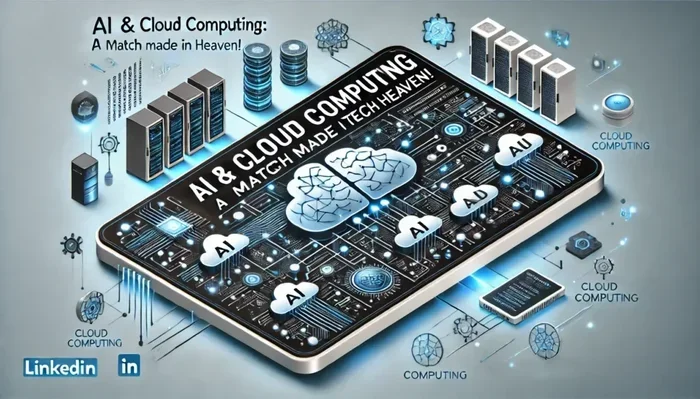
Here is where things get really interesting. Cloud computing vs artificial intelligence is not really an either-or choice. They are partners. AI needs the cloud to function at scale. And the cloud gets smarter with AI.
AI Needs the Cloud
Training AI algorithms requires massive amounts of computing power. A single laptop cannot handle it. That is where cloud computing steps in. Companies like Google, Amazon, and Microsoft offer powerful cloud platforms with GPUs and TPUs built for AI training.
Think of it this way. AI is the brain. Cloud computing is the body that supports it. Without the cloud, most AI applications we use daily would not exist. Your phone would not have enough power to run a real-time language translator or a smart photo editor.
Cloud Gets Smarter with AI
The relationship goes both ways. Cloud providers use AI to improve their own services. Amazon Web Services uses AI to predict server demand. Google Cloud uses machine learning to optimize data storage. This makes cloud services faster, cheaper, and more reliable.
This synergy drives digital transformation across industries. Hospitals use cloud-based AI to analyze medical images. Retailers use it to predict what customers want to buy. Banks use it to detect fraudulent transactions in real time.
Real-World Examples and Applications
AI applications and cloud services are everywhere in modern life. You probably use them every day without realizing it.
Everyday Uses
- Voice assistants like Alexa and Siri use AI to understand your voice and cloud servers to process your requests.
- Email spam filters use AI algorithms to separate junk mail from real messages.
- Navigation apps like Google Maps use cloud computing to process traffic data and AI to find the fastest route.
- Streaming services like Spotify use AI to create personalized playlists delivered through the cloud.
Business Applications
Businesses rely on the combination of cloud computing and artificial intelligence to stay competitive. Here are some powerful examples:
- Customer service: AI chatbots hosted on cloud platforms answer customer questions 24/7.
- Healthcare: Doctors use cloud-based AI tools to diagnose diseases from X-rays and scans.
- Finance: Banks use AI algorithms running on cloud infrastructure to detect unusual transactions.
- Marketing: Teams use AI tools on cloud services to analyze customer data and target ads more effectively.
The automation these technologies enable saves businesses time and money. It also creates better experiences for customers. This is why digital transformation is such a hot topic right now.
Which One Should You Learn First?
If you are thinking about building skills in tech, you might wonder where to start. The answer depends on your goals.
For Beginners
Start with cloud computing. It is easier to understand and gives you a solid foundation. You can learn about cloud storage, cloud services, and basic cloud infrastructure without needing a math or programming background. Many free courses from AWS, Google, and Microsoft can get you started.
Once you understand how the cloud works, you will be better positioned to explore artificial intelligence. AI builds on concepts like data processing and computing power, which you will already know.
For Career Growth
Both fields offer excellent career opportunities. Cloud computing skills are in high demand for roles like cloud architect, DevOps engineer, and cloud administrator. Artificial intelligence opens doors to data scientist, machine learning engineer, and AI researcher roles.
Here is a quick tip: the most valuable professionals often know both. Understanding cloud computing vs artificial intelligence and how they work together makes you incredibly versatile in the job market.
Common Mistakes People Make
There are a few pitfalls to avoid when learning about these topics:
- Treating them as the same thing: They are not. Cloud computing delivers resources. AI delivers intelligence.
- Thinking AI works without the cloud: Most modern AI applications depend on cloud platforms for power and scale.
- Ignoring the basics: Jumping straight into AI algorithms without understanding cloud infrastructure can make learning harder.
- Underestimating data: Both fields need data. Cloud services store it. AI uses it to learn.
Avoiding these mistakes will save you time and frustration as you explore these exciting fields.
Final Thoughts
The debate between cloud computing vs artificial intelligence is not really about picking a winner. They are two sides of the same coin. Cloud computing provides the foundation — the storage, the processing power, and the infrastructure. Artificial intelligence builds on that foundation to create smart, learning systems that change how we live and work.
Together, they power the smart technology we use every day. From voice assistants to self-driving cars, from personalized recommendations to medical breakthroughs, the combination of cloud services and AI is reshaping our world. Understanding both gives you a huge advantage in today’s tech-driven economy.
So the next time someone asks you about cloud computing vs artificial intelligence, you will know exactly what to say. They are different. They are complementary. And they are both essential to the future of technology. Start exploring them today, and you will be amazed at what you can learn and build.
Frequently Asked Questions
Is cloud computing the same as artificial intelligence?
No, they are not the same. Cloud computing delivers storage and processing power over the internet. Artificial intelligence gives computers the ability to learn and make decisions. They are different fields that work well together.
Can AI work without cloud computing?
Some AI can run on local machines, but most modern AI applications need the cloud. Training AI algorithms requires massive computing power that only cloud platforms can provide at scale. The cloud gives AI the resources it needs to grow and improve.
Which is better for a beginner: cloud computing or AI?
Cloud computing is generally easier to start with. You can learn the basics of cloud services without deep technical knowledge. Once you are comfortable, moving into artificial intelligence becomes much smoother. Both paths offer great career opportunities.
Do I need to know both cloud computing and AI?
It depends on your goals. If you want to work with AI tools at scale, understanding the cloud is essential. If you want to build cloud infrastructure, knowing how AI can enhance it is a big advantage. The two skills together make you very valuable in the tech industry.
What are some real-world examples of cloud and AI working together?
Voice assistants like Alexa and Siri are perfect examples. They use AI to understand your voice and cloud computing to process your requests. Netflix recommendations, Google Maps route planning, and spam email filters are other everyday examples of this powerful combination.
How does artificial intelligence use cloud infrastructure?
AI relies on cloud infrastructure for storing huge datasets and running complex calculations. Cloud data centers provide the computing power needed to train machine learning models. Without the cloud, most AI applications would be too slow or expensive to run effectively.
=== CONCLUSION ===
Cloud computing vs artificial intelligence is a topic that matters more every day. Cloud computing gives us the tools to store, access, and process data from anywhere. Artificial intelligence gives us the brains to make sense of all that data. Neither is complete without the other. Together, they drive digital transformation and automation across every industry. Now that you understand both clearly, you are ready to explore them further and apply that knowledge in your own work and life.