HIPAA Compliant Cloud Computing Guide for Healthcare
HIPAA compliant cloud computing helps healthcare organizations store and manage patient data safely in the cloud. This guide covers everything you need to know, from key features to choosing the right provider. You will learn practical steps to protect protected health information and stay compliant with federal rules.
Healthcare organizations handle some of the most sensitive information imaginable. Patient records, treatment notes, billing details — all of this data needs strong protection. That is where HIPAA compliant cloud computing comes into the picture. More and more healthcare providers are turning to secure cloud platforms to store, manage, and share protected health information safely.
If you work in healthcare or IT, you know the pressure is on. Data breaches cost millions. Regulatory fines add up fast. Patients trust you with their personal details, and that trust must never be broken. HIPAA compliant cloud hosting offers a practical path forward. It combines the flexibility of cloud technology with the strict security standards demanded by federal law. In this guide, we will walk you through everything you need to know.
We will cover what makes a cloud platform HIPAA compliant, how to choose the right provider, and the best practices that keep patient data safe. Whether you are just starting to explore healthcare cloud services or looking to improve your current setup, this guide has you covered.
Key Takeaways
- HIPAA compliant cloud computing is essential: Healthcare providers must use secure cloud platforms to protect patient data and avoid costly penalties.
- Encryption and access controls are non-negotiable: Any HIPAA compliant cloud solution must include strong encryption, audit logs, and strict user access management.
- Choosing the right provider matters: Look for providers with a signed Business Associate Agreement, proven healthcare experience, and robust security certifications.
- Compliance is an ongoing process: Regular risk assessments, employee training, and system updates are critical to maintaining HIPAA compliance in the cloud.
- Cloud migration for healthcare is achievable: With proper planning and a trusted provider, moving to the cloud can improve efficiency while keeping data secure.
📑 Table of Contents
- What Is HIPAA Compliant Cloud Computing?
- Why Healthcare Needs HIPAA Compliant Cloud Solutions
- Key Features of a HIPAA Compliant Cloud Platform
- How to Choose the Right HIPAA Compliant Cloud Provider
- Common Challenges and How to Overcome Them
- Best Practices for Maintaining HIPAA Compliance in the Cloud
- Conclusion
What Is HIPAA Compliant Cloud Computing?
Let us start with the basics. HIPAA compliant cloud computing refers to cloud infrastructure and services that meet the requirements set by the Health Insurance Portability and Accountability Act. This federal law establishes strict rules for handling protected health information, also known as PHI. PHI includes any data that can identify a patient, such as names, addresses, medical records, and billing information.
A cloud storage for healthcare solution is considered HIPAA compliant when it has the technical safeguards, physical safeguards, and administrative policies needed to protect PHI. These safeguards ensure that unauthorized users cannot access, alter, or steal sensitive patient data. The HIPAA security rule and the HIPAA privacy rule both apply to cloud environments.
How Does the Cloud Fit Into Healthcare Data Management?
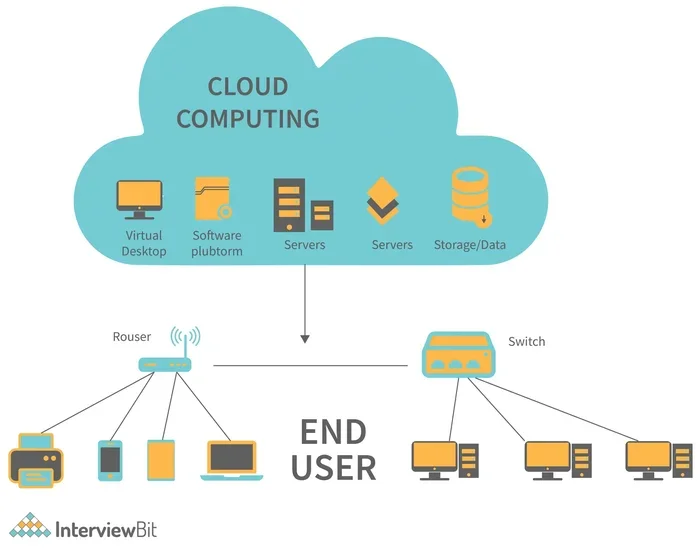
Traditional on-premise servers have served healthcare for decades. But they come with limitations. They require heavy upfront investment, ongoing maintenance, and dedicated IT staff. Cloud computing changes the game. It allows healthcare providers to store data on remote servers managed by specialized companies. This approach, often called cloud hosting for healthcare, offers scalability, cost savings, and easier access to data from anywhere.
However, not every cloud service qualifies as HIPAA compliant. A standard cloud account does not automatically meet the requirements. The provider must offer specific security features and sign a business associate agreement, commonly known as a BAA. Without a BAA, using the cloud for PHI is a violation of HIPAA rules.
Why Healthcare Needs HIPAA Compliant Cloud Solutions
The reasons for adopting HIPAA compliant cloud computing go beyond just following the law. While regulatory compliance is a major driver, there are many practical benefits that healthcare organizations value every day.
Protecting Patient Trust and Reputation
Patients share their most personal information with healthcare providers. They expect that data to be handled with care. A single data breach can shatter that trust. News of a breach spreads fast and damages reputations for years. Encrypted cloud storage and strong access controls help prevent breaches and show patients that you take their privacy seriously.
Reducing Costs and Improving Efficiency
Running an on-premise data center is expensive. You pay for hardware, cooling, power, and a team to manage it all. Cloud solutions shift those costs to a predictable monthly model. Healthcare organizations can scale up or down based on need. This flexibility is especially valuable for hospitals, clinics, and private practices that experience fluctuating data storage demands.
Enabling Remote Access and Collaboration
Modern healthcare relies on teamwork. Doctors, nurses, specialists, and administrative staff often need to access patient records from different locations. Healthcare IT compliance in the cloud makes this possible. Authorized users can securely access PHI from any device with an internet connection, as long as proper safeguards are in place.
Preparing for Emergencies and Disasters
Natural disasters, fires, floods, or cyberattacks can destroy on-premise servers in minutes. Cloud platforms store data in multiple geographic locations. This means that even if one data center goes down, your patient data protection systems remain operational. Disaster recovery becomes faster, simpler, and far more reliable.
Key Features of a HIPAA Compliant Cloud Platform
Not all cloud platforms are created equal. To be truly HIPAA compliant, a platform must include specific features that safeguard PHI. Here are the essential elements to look for.
Encryption at Rest and in Transit
Encryption is the backbone of secure cloud solutions. Data at rest means stored data. Data in transit means data moving between systems. A HIPAA compliant platform encrypts both using strong standards like AES-256. This ensures that even if someone intercepts the data, they cannot read it without the decryption key.
Access Controls and Authentication
Not everyone in your organization needs access to every piece of data. Access controls let administrators set precise permissions. Role-based access ensures that each user sees only the information relevant to their job. Multi-factor authentication adds an extra layer of security by requiring users to verify their identity through more than just a password.
Audit Logging and Monitoring
You need to know who accessed what data and when. Audit logging tracks every action taken within the cloud environment. If something goes wrong, these logs help you investigate and respond quickly. Continuous monitoring tools alert administrators to suspicious activity in real time. This is a critical component of data breach prevention.
Business Associate Agreement (BAA)
A BAA is a legal document that outlines the cloud provider’s responsibilities for protecting PHI. No BAA cloud hosting provider should be considered without a signed agreement. The BAA specifies how the provider will handle data, what security measures they use, and what happens in the event of a breach. This document is not optional — it is a HIPAA requirement.
Data Backup and Recovery
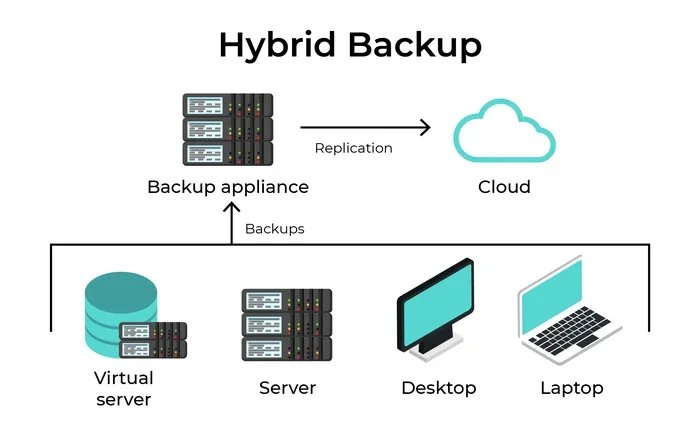
Reliable cloud storage for healthcare includes automatic backups and fast recovery options. Data should be backed up regularly and stored in separate locations. In the event of data loss, you need to restore records quickly without compromising PHI compliance.
How to Choose the Right HIPAA Compliant Cloud Provider
Choosing a provider is one of the most important decisions you will make. The wrong choice can lead to compliance gaps, security vulnerabilities, and financial penalties. Here is a step-by-step approach to finding the right partner for HIPAA compliant cloud computing.
Step 1: Verify HIPAA Compliance Claims
Do not take a provider’s word at face value. Ask for documentation that proves their healthcare cloud services meet HIPAA requirements. Look for certifications like SOC 2 Type II and HITRUST CSF. These third-party certifications validate that the provider follows strict security and privacy standards.
Step 2: Review Their BAA Process
A reputable provider will offer a BAA as a standard part of their service. Review the BAA carefully. Make sure it covers all the areas required by HIPAA, including data use, security responsibilities, breach notification procedures, and subcontractor obligations.
Step 3: Evaluate Security Features
Create a checklist of the security features discussed earlier. Compare each provider against your list. Pay close attention to encryption standards, access control capabilities, audit logging, and incident response plans. Ask about their risk assessment processes and how often they conduct security audits.
Step 4: Consider Scalability and Integration
Your cloud solution should grow with your organization. Look for platforms that integrate smoothly with your existing electronic health record systems, billing software, and communication tools. Seamless integration reduces complexity and lowers the risk of compliance gaps during cloud migration healthcare projects.
Step 5: Assess Customer Support and Training
Even the most secure platform is only as good as the people using it. Choose a provider that offers strong customer support and training resources. Your staff needs to understand how to use the platform securely. A provider that invests in your team’s education helps you maintain long-term healthcare data security.
Common Challenges and How to Overcome Them
Moving to a HIPAA compliant cloud environment is not without challenges. Understanding these obstacles helps you prepare and avoid costly mistakes.
Challenge 1: Misunderstanding Shared Responsibility
Many healthcare organizations assume the cloud provider handles all security. This is a dangerous misconception. While the provider secures the infrastructure, you remain responsible for how you use the platform. Configuring access controls properly, training staff, and managing data classifications are your responsibilities. This shared model is called the shared responsibility model, and understanding it is key to regulatory compliance.
Challenge 2: Inadequate Staff Training
Technology alone cannot ensure compliance. Your staff must understand HIPAA rules and how they apply to daily workflows. Regular training sessions keep everyone up to date on policies, phishing threats, and proper data handling procedures. Make training a recurring part of your compliance strategy.
Challenge 3: Poor Data Classification
Not all data is equal. Some data is public, some is internal, and some is highly sensitive PHI. Without proper data classification, you risk applying the wrong level of protection. Identify which data sets contain PHI and apply the strictest security measures to those assets.
Challenge 4: Neglecting Regular Risk Assessments
HIPAA requires covered entities to conduct regular risk assessments. These assessments identify vulnerabilities in your systems and processes. Skipping this step leaves gaps that attackers can exploit. Schedule risk assessments at least annually and after any major system changes.
Best Practices for Maintaining HIPAA Compliance in the Cloud
Compliance is not a one-time event. It is an ongoing commitment. Following best practices helps you maintain a strong security posture and stay aligned with HIPAA compliant cloud computing standards.
- Conduct regular risk assessments. Identify vulnerabilities in your cloud environment at least twice a year. Address any gaps immediately.
- Implement strict access controls. Grant the minimum level of access needed for each role. Review permissions regularly and remove access for former employees promptly.
- Enable multi-factor authentication. Require all users to verify their identity using two or more factors. This simple step blocks a large percentage of unauthorized access attempts.
- Encrypt all PHI. Use strong encryption for data at rest and in transit. Never store unencrypted PHI in any cloud environment.
- Maintain detailed audit logs. Keep records of all data access, modifications, and transfers. Review these logs regularly for suspicious activity.
- Train your team consistently. Hold regular training sessions on HIPAA rules, phishing awareness, and secure data handling. Make compliance everyone’s responsibility.
- Review your BAA regularly. Ensure your Business Associate Agreement stays current and covers all aspects of your cloud relationship.
- Test your disaster recovery plan. Run drills and simulations to verify that you can restore data quickly in an emergency. A plan that has never been tested is not a real plan.
Quick Tips for Day-to-Day Compliance
- Use strong, unique passwords for all cloud accounts and change them regularly.
- Log out of systems when stepping away from your desk.
- Report any suspicious emails or activity to your IT security team immediately.
- Keep all software and systems updated with the latest security patches.
- Limit the use of personal devices for accessing PHI, or enforce strict mobile device policies.
Conclusion
HIPAA compliant cloud computing is no longer optional for healthcare organizations. It is a necessity. Patient data demands the highest level of protection, and the cloud offers the tools to deliver that security while improving efficiency and collaboration. By understanding the key features, choosing the right provider, and following best practices, you can build a cloud environment that keeps PHI safe and your organization compliant.
The journey to HIPAA compliant cloud hosting requires planning, investment, and ongoing vigilance. But the rewards are well worth the effort. You protect your patients, your reputation, and your bottom line. Start with the steps outlined in this guide, and you will be on the right path to a secure, compliant, and future-ready healthcare IT infrastructure.
Take action today. Review your current cloud setup, evaluate your providers, and make patient data protection a top priority. The healthcare landscape is evolving fast, and staying ahead of compliance requirements positions your organization for long-term success.
Frequently Asked Questions
What makes a cloud service HIPAA compliant?
A cloud service becomes HIPAA compliant when it includes the required technical safeguards, physical safeguards, and administrative controls to protect protected health information. The provider must also sign a Business Associate Agreement and meet all requirements outlined in the HIPAA security rule and privacy rule.
Can any cloud provider be used for healthcare data?
No. Not every cloud provider offers HIPAA compliant cloud computing services. You must choose a provider that specifically supports healthcare data protection, offers a BAA, and implements encryption, access controls, and audit logging for PHI.
What happens if a healthcare organization fails HIPAA compliance in the cloud?
Non-compliance can result in significant financial penalties, legal action, and reputational damage. The Office for Civil Rights enforces HIPAA rules and can impose fines ranging from thousands to millions of dollars depending on the severity of the violation.
Is cloud computing for healthcare more secure than on-premise servers?
When properly configured and managed, secure cloud solutions often provide stronger security than traditional on-premise setups. Cloud providers invest heavily in encryption, monitoring, and physical security that most individual organizations cannot match on their own.
How do I start migrating to a HIPAA compliant cloud environment?
Begin by conducting a thorough risk assessment of your current systems. Identify which data needs protection, choose a HIPAA compliant provider, sign a BAA, and develop a detailed migration plan. Include staff training and ongoing compliance monitoring in your strategy for a smooth cloud migration healthcare transition.
Do small healthcare practices need HIPAA compliant cloud computing too?
Yes. HIPAA rules apply to all covered entities regardless of size. Small practices handle the same protected health information and face the same risks. Using HIPAA compliant hosting helps small practices protect patient data without the burden of managing expensive on-premise infrastructure.