Cloud Computing in Computer Science A Complete Guide
Cloud computing in computer science is the backbone of modern technology. This guide covers everything from basic concepts to real-world applications. You will learn about cloud models, benefits, career paths, and common pitfalls to avoid.
Key Takeaways
- Cloud computing in computer science powers almost every app and service you use daily.
- The three main cloud models are IaaS, PaaS, and SaaS, each serving different needs.
- Cloud computing benefits include cost savings, scalability, and flexibility for businesses.
- Cloud security and cloud migration are critical topics for any tech professional.
- A career in cloud computing offers strong job growth and high earning potential.
- Common mistakes like poor planning can derail cloud projects quickly.
📑 Table of Contents
- What Is Cloud Computing in Computer Science?
- The Three Main Cloud Computing Models
- Key Benefits of Cloud Computing in Computer Science
- Cloud Computing Applications in the Real World
- How to Build a Career in Cloud Computing
- Common Mistakes to Avoid in Cloud Computing
- The Future of Cloud Computing in Computer Science
- Conclusion
What Is Cloud Computing in Computer Science?
Cloud computing in computer science refers to delivering computing services over the internet. These services include storage, processing power, databases, and software. Instead of owning physical hardware, users access resources remotely.
The idea is simple. You rent computing power instead of buying it. Think of it like electricity. You do not build a power plant. You just plug in and pay for what you use.
Cloud computing has transformed how we build and use software. It replaced the old way of running everything on local servers. Today, even small startups can access the same powerful tools as big corporations.
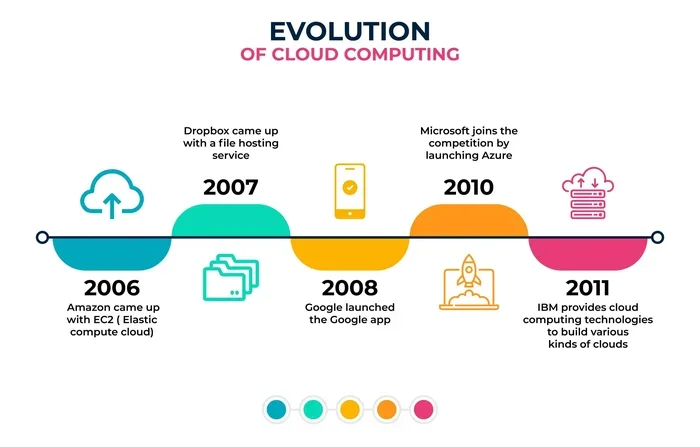
The term cloud computing first gained popularity in the mid-2000s. But the roots go back much further. Distributed computing and virtualization laid the groundwork decades ago. Now, cloud services form the foundation of the digital economy.
How Does Cloud Computing Work?
At its core, cloud computing relies on a network of remote servers. These servers live in data centers around the world. When you upload a file or run an app, the request travels to these servers.
The servers process your request and send the results back. All of this happens in seconds. You never see the hardware. You just enjoy the outcome.
Virtualization is the magic behind this. It lets one physical server run many virtual machines. This makes cloud infrastructure incredibly efficient. Providers can serve millions of users from a single building.
The Three Main Cloud Computing Models
Cloud computing models define what you get and how you control it. There are three main types. Each one fits different needs and budgets.
IaaS (Infrastructure as a Service)
IaaS gives you the raw building blocks. You get virtual machines, storage, and networking. You manage the operating system and applications yourself.
This model offers the most control. It is ideal for cloud computing applications that need custom setups. Companies often use IaaS for cloud migration projects. They move their existing systems to the cloud with minimal changes.
PaaS (Platform as a Service)
PaaS goes a step further. It provides a platform for developing and deploying apps. You do not worry about managing servers or operating systems.
Developers love PaaS because it speeds up the workflow. You focus on writing code. The provider handles the rest. Cloud computing examples in this category include Google App Engine and Heroku.
SaaS (Software as a Service)
SaaS delivers fully finished software over the internet. You do not install anything. You just log in and use it.
Gmail, Netflix, and Salesforce are all SaaS products. This is the most common model for everyday users. Businesses use SaaS for email, customer management, and more.
Comparison of Cloud Computing Models
| Feature | IaaS | PaaS | SaaS |
|---|---|---|---|
| Control Level | High | Medium | Low |
| Management Responsibility | User handles most | Provider handles infrastructure | Provider handles everything |
| Best For | IT teams, system admins | Developers | End users, businesses |
| Flexibility | Very flexible | Moderately flexible | Least flexible |
| Cost | Pay per resource used | Pay per platform use | Subscription-based |
Key Benefits of Cloud Computing in Computer Science
The cloud computing benefits are huge. They explain why businesses of all sizes have moved to the cloud. Let us break down the biggest advantages.
Cost Savings
Running your own servers is expensive. You buy hardware, pay for electricity, and hire staff to maintain it. Cloud computing eliminates most of these costs.
You pay only for what you use. This is called a pay-as-you-go model. Startups can access enterprise-grade tools without huge upfront investments.
Scalability
Scalability is one of the strongest selling points. Your app can handle ten users today and ten thousand tomorrow. The cloud adjusts automatically.
This is called auto-scaling. Cloud providers add resources when demand spikes. They reduce them when traffic drops. You never over-provision or under-provision.
Flexibility and Accessibility
With cloud services, you can work from anywhere. All you need is an internet connection. Teams collaborate across time zones and countries effortlessly.
Files and apps are accessible on any device. Your phone, laptop, or tablet can connect to the same resources. This flexibility has become essential in modern work culture.
Disaster Recovery
Cloud computing makes backup and recovery much easier. Data lives in multiple locations. If one server fails, another takes over instantly.
Traditional disaster recovery was costly and complex. The cloud simplifies it. Providers handle redundancy and failover behind the scenes.
Cloud Computing Applications in the Real World
Cloud computing applications are everywhere. From streaming movies to running global businesses, the cloud touches nearly everything. Let us look at some practical examples.
Streaming and Entertainment
Netflix, Spotify, and YouTube all run on cloud infrastructure. They store massive libraries of content in the cloud. Users stream directly without downloading anything.
These platforms handle millions of requests per second. Only cloud computing can scale to meet that demand. Traditional hosting simply could not handle it.
Healthcare and Medicine
Hospitals use the cloud to store patient records securely. Doctors access files from any location. Cloud computing enables telemedicine and remote diagnostics.
AI tools analyze medical data stored in the cloud. This helps doctors detect diseases earlier. The cloud computing role in healthcare continues to grow rapidly.
E-Commerce and Retail
Online stores depend on cloud services to handle traffic spikes. Black Friday sales can bring a hundred times the normal load. The cloud scales up automatically and scales back down after.
Retailers also use the cloud for inventory management and customer analytics. These tools run on cloud computing platforms like AWS and Azure.
Education and Remote Learning
Schools and universities shifted to online platforms during recent years. Cloud computing made this possible. Students access lectures, assignments, and resources from home.
Tools like Google Classroom and Microsoft Teams run entirely in the cloud. They enable real-time collaboration between teachers and students worldwide.
How to Build a Career in Cloud Computing
Cloud computing career opportunities are booming. Companies need skilled professionals more than ever. If you are in computer science, this is a great path to explore.
Skills You Need
Start with a strong foundation in networking and operating systems. You should understand how servers, storage, and networks work together. Virtualization knowledge is also essential.
Learn at least one major cloud platform. Amazon Web Services (AWS), Microsoft Azure, and Google Cloud are the top three. Each offers free tiers for beginners to practice.
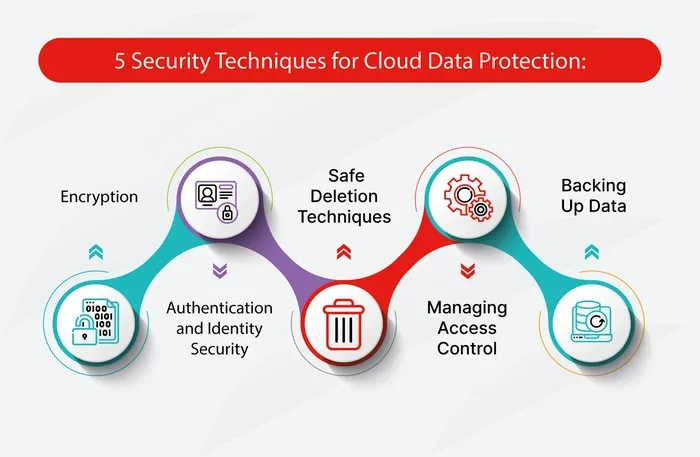
Cloud security skills are in high demand. You should understand identity management, encryption, and compliance. These skills set you apart from other candidates.
Certifications That Matter
Certifications boost your resume and your confidence. Here are the most recognized ones:
- AWS Certified Solutions Architect – the gold standard for AWS professionals
- Microsoft Certified: Azure Fundamentals – great for beginners
- Google Cloud Professional Cloud Architect – ideal for GCP-focused roles
- CompTIA Cloud+ – vendor-neutral and widely respected
Job Roles and Salary Outlook
Cloud computing jobs include cloud engineer, cloud architect, DevOps engineer, and cloud security specialist. These roles pay well above average tech salaries.
The demand keeps growing. More companies adopt cloud services every year. This trend shows no sign of slowing down. Now is a great time to enter the field.
Common Mistakes to Avoid in Cloud Computing
Cloud computing is powerful, but it is easy to make mistakes. Avoiding these common errors saves time, money, and headaches.
Poor Planning Before Migration
Many companies rush into cloud migration without a clear plan. They do not assess their needs or choose the right model. This leads to wasted money and poor performance.
Take time to map out your goals. Decide which workloads belong in the cloud and which do not. A solid strategy makes all the difference.
Ignoring Cloud Security
Some people think the cloud provider handles all security. This is a dangerous assumption. Cloud security is a shared responsibility.
The provider secures the infrastructure. You secure your data, access controls, and configurations. Both sides must do their part. Neglecting either one creates serious risks.
Overlooking Costs
Cloud computing can become expensive if you do not monitor usage. Unused resources and oversized instances add up fast.
Set up billing alerts and cost dashboards. Review your spending regularly. Small optimizations can lead to significant savings over time.
Vendor Lock-In
Building everything on one platform creates dependency. If prices rise or service changes, you have limited options. This is called vendor lock-in.
Use open standards and portable architectures where possible. Multi-cloud strategies are becoming more popular. They give you flexibility and negotiating power.
The Future of Cloud Computing in Computer Science
The future of cloud computing looks incredibly bright. New technologies are expanding what the cloud can do. Here are some trends to watch.
Edge computing brings processing closer to users. It reduces latency and improves performance for real-time apps. Self-driving cars and smart cities depend on edge computing.
Serverless computing is also growing fast. You write code without managing any servers. The cloud provider handles everything. This lets developers focus purely on building features.
Artificial intelligence and cloud computing are a natural match. AI models need massive computing power. The cloud provides that power on demand. We will see more AI tools built directly into cloud services.
Hybrid cloud and multi-cloud strategies are becoming the norm. Companies combine private and public clouds for the best of both worlds. This approach offers flexibility, control, and cost optimization.
The cloud computing landscape will keep evolving. Staying curious and learning continuously is the best strategy. Whether you are a student or a working professional, the cloud will be part of your future.
Conclusion
Cloud computing in computer science has reshaped the entire tech industry. It offers unmatched flexibility, scalability, and cost savings. From IaaS to SaaS, there is a model for every need.
The cloud computing benefits extend to businesses, healthcare, education, and entertainment. Cloud security and smart planning are essential for success. Avoiding common mistakes keeps your projects on track.
If you are considering a career, cloud computing offers excellent opportunities. Certifications and hands-on practice open doors to high-paying roles. The field will only grow in importance going forward.
Start exploring cloud services today. Try a free tier, build a small project, and learn by doing. The cloud is not just the future. It is the present.
Frequently Asked Questions
What is cloud computing in simple terms?
Cloud computing means using remote servers over the internet instead of your own computer. You store files, run apps, and process data on those servers. You pay only for what you use.
Why is cloud computing important in computer science?
Cloud computing gives computer scientists access to powerful tools without buying expensive hardware. It enables rapid development, testing, and deployment. Almost every modern app relies on cloud services in some way.
What are the three main types of cloud computing?
The three main types are IaaS, PaaS, and SaaS. IaaS provides raw infrastructure like virtual machines. PaaS offers a development platform. SaaS delivers finished software applications directly to users.
Is cloud computing secure?
Yes, but security is a shared responsibility. Providers protect the infrastructure. You must secure your data and access controls. Following best practices for cloud security keeps your resources safe.
Can I learn cloud computing on my own?
Absolutely. All major providers offer free learning paths and practice environments. Start with AWS or Azure free tiers. Add a certification to your resume to show your skills to employers.
What jobs can I get with cloud computing skills?
Popular roles include cloud engineer, cloud architect, DevOps engineer, and cloud security specialist. These positions are in high demand across every industry. Salaries are competitive and continue to rise as adoption grows.