How Blockchain in Cloud Computing Is Changing Everything
Blockchain in cloud computing is merging two powerful technologies to create more secure, transparent, and efficient digital infrastructure. This combination is revolutionizing how businesses store, share, and manage data across distributed networks. In this guide, you will learn how blockchain enhances cloud security, the key benefits for enterprises, and real-world use cases driving adoption today.
The way we store and manage data is changing fast. Blockchain in cloud computing is at the center of this shift. These two technologies are coming together to create systems that are safer, faster, and more trustworthy than ever before.
When you combine blockchain in cloud computing, you get a powerful setup. Cloud platforms offer massive storage and computing power. Blockchain adds layers of security, transparency, and decentralization. Together, they solve many problems that businesses face every single day.
You might be wondering why this matters to you. Whether you run a small startup or a large company, understanding blockchain in cloud computing can give you a real edge. This guide breaks down everything you need to know. You will learn how these technologies work together, what benefits they bring, and where they are being used right now.
Key Takeaways
- Stronger Security: Blockchain in cloud computing uses decentralization and encryption to protect data from breaches and unauthorized access.
- Greater Transparency: Every transaction is recorded on an immutable records cloud ledger, making it easy to trace and verify data.
- Cost Savings: Cloud-native blockchain services eliminate the need for expensive hardware and dedicated maintenance teams.
- Real-World Impact: Industries like healthcare, finance, supply chain, and digital identity are already seeing major benefits from blockchain in cloud computing.
- Scalability on Demand: Cloud platforms provide the infrastructure needed to scale blockchain scalability cloud solutions as your business grows.
- Future-Ready Technology: Adopting blockchain in cloud computing now positions your business for long-term success in an increasingly digital economy.
📑 Table of Contents
What Is Blockchain in Cloud Computing?
At its core, blockchain in cloud computing means using blockchain technology on cloud platforms. Instead of relying on one central server, data gets spread across many computers. This setup is called distributed ledger technology. It makes records nearly impossible to tamper with.
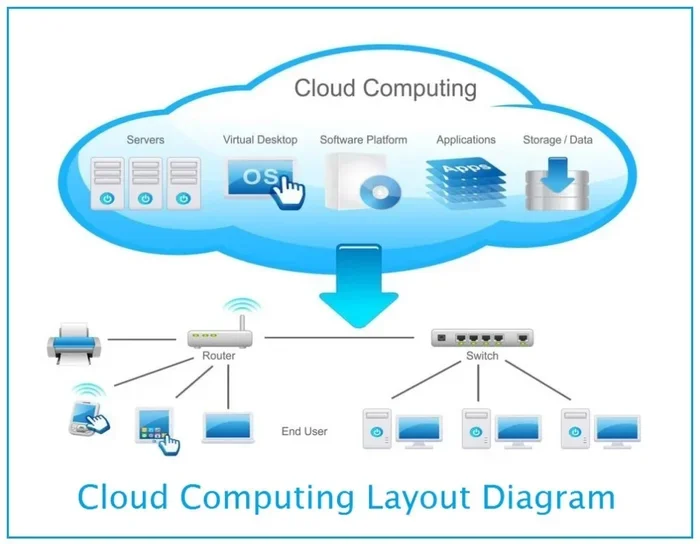
Cloud computing gives you on-demand access to computing resources. You get storage, servers, and software through the internet. When you layer blockchain in cloud computing on top, you get the best of both worlds. You get the power of the cloud with the security of blockchain.
Understanding the Basics
Think of blockchain in cloud computing like a shared notebook that everyone in the network has a copy of. When someone adds new information, all copies update at the same time. This process is called consensus mechanisms cloud validation. No single person can change the records alone.
Each block in the chain holds a set of transactions. Once a block is filled, it gets locked and linked to the previous block. This creates a chain that is extremely difficult to break. That is why data integrity cloud is one of the biggest selling points of this technology.
How the Two Technologies Work Together
The magic happens when cloud-based blockchain solutions are built on top of existing cloud infrastructure. Companies use cloud infrastructure blockchain setups to host their blockchain nodes. This means they do not need to build their own servers from scratch.
Many providers now offer blockchain as a service, or BaaS. This lets businesses deploy blockchain in cloud computing without deep technical knowledge. You pick a plan, set up your network, and start building. It is that simple. Popular providers like Amazon Web Services and Microsoft Azure now offer BaaS options that make getting started easy.
How Blockchain Enhances Cloud Security
Security is the number one concern for any business using the cloud. Data breaches, hacks, and leaks happen too often. Blockchain in cloud computing addresses many of these worries directly and effectively.
Decentralized Data Protection
Traditional cloud systems store data in one place. If that place gets attacked, everything is at risk. Blockchain in cloud computing spreads data across many nodes. This makes it much harder for attackers to succeed.
With decentralized cloud storage, no single point of failure exists. Even if one node goes down, the rest of the network keeps running. This is a huge win for secure cloud computing. Businesses can sleep better knowing their data is protected across a wide network.
Immutable Records for Trust
One of the strongest features of blockchain in cloud computing is immutability. Once data is recorded, it cannot be changed or deleted. This creates immutable records cloud that everyone can trust.
For industries like healthcare and finance, this is a game-changer. Doctors can share patient records safely. Banks can verify transactions without fear of fraud. The trust factor alone makes blockchain in cloud computing worth exploring for any organization handling sensitive information.
Top Benefits of Combining Blockchain with Cloud
There are many reasons why businesses are rushing to adopt blockchain in cloud computing. Let us look at the biggest advantages in detail.
Improved Transparency and Traceability
When you use blockchain in cloud computing, every transaction gets recorded. You can trace the history of any piece of data back to its origin. This level of data integrity cloud is something traditional systems simply cannot match.
Businesses can show customers exactly where their data came from. This builds trust and loyalty. Consumers today care deeply about how their information is handled. Transparency is no longer optional. It is expected.
Better Scalability and Performance
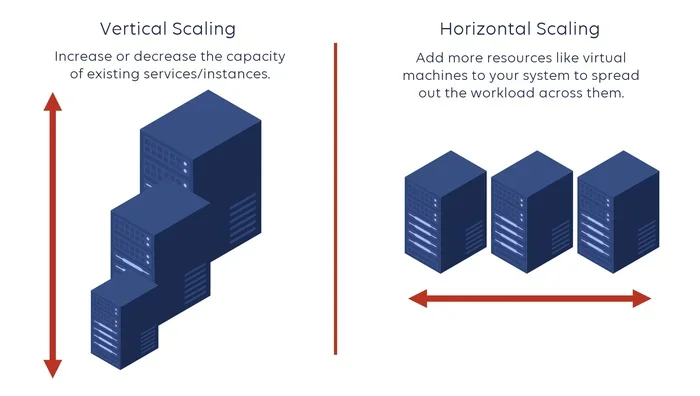
Cloud platforms are built to scale. They handle huge amounts of traffic and data every day. When you add blockchain in cloud computing, you get scalability without sacrificing security.
Blockchain scalability cloud solutions are improving fast. New protocols allow faster transaction speeds and lower costs. This means businesses can grow without worrying about their tech stack holding them back. The cloud handles the heavy lifting while blockchain adds the security layer.
Cost Efficiency for Businesses
Running your own blockchain network is expensive. You need hardware, maintenance, and skilled staff. Blockchain in cloud computing cuts these costs significantly.
With cloud-native blockchain services, you pay only for what you use. There is no need to buy expensive equipment. This makes enterprise blockchain cloud adoption possible for companies of all sizes. Small businesses get access to the same powerful tools that large corporations use.
Quick Comparison: Traditional Cloud vs. Blockchain-Enhanced Cloud
| Feature | Traditional Cloud | Blockchain-Enhanced Cloud |
|---|---|---|
| Data Control | Centralized | Decentralized |
| Security Model | Perimeter-based | Encryption + Distributed |
| Data Tampering Risk | Higher | Very Low |
| Transparency | Limited | Full Traceability |
| Cost Structure | Fixed Infrastructure | Pay-as-You-Go |
| Trust Model | Trust the Provider | Trust the Network |
Real-World Use Cases of Blockchain in Cloud Computing
Theory is great, but real-world examples show the true power of blockchain in cloud computing. Let us explore how different industries are using this technology right now.
Supply Chain Management
Supply chains are complex. They involve many parties, moving parts, and locations. Blockchain in cloud computing brings clarity to this chaos.
Companies can track products from factory to doorstep. Every step gets recorded on the distributed ledger technology. Customers can verify that products are authentic. Businesses can spot problems early and fix them fast. Walmart and IBM have already used this approach to improve food safety tracking.
Healthcare Data Storage
Healthcare deals with sensitive patient information. Keeping this data safe is critical. Blockchain in cloud computing offers a solution that is both secure and accessible.
Hospitals can store records on decentralized cloud storage systems. Patients control who sees their data. Doctors get quick access when they need it. The result is better care and stronger privacy. Estonia has been a pioneer in using blockchain for healthcare records.
Financial Services and Banking
The finance industry was one of the first to explore blockchain in cloud computing. Banks use it for cross-border payments, fraud detection, and regulatory compliance.
Smart contracts cloud applications automate loan approvals and insurance claims. These contracts run on their own. They do not need manual intervention. This saves time and reduces human error. JPMorgan and other major banks have built their own blockchain cloud platforms.
Digital Identity Verification
Identity theft is a growing problem worldwide. Blockchain in cloud computing offers a way to verify identities safely. Users create a digital identity that they own and control.
Companies can verify customers without storing their personal data. This reduces the risk of breaches. It also makes the login process faster and smoother for everyone. Microsoft has explored blockchain-based digital identity through its Azure cloud platform.
Challenges and Considerations
Despite its many benefits, blockchain in cloud computing is not without challenges. It is important to understand these before diving in headfirst.
Scalability Concerns
Blockchain networks can sometimes be slow. Processing many transactions at once is not always easy. Blockchain scalability cloud solutions are improving, but challenges remain.
Not every blockchain is built the same way. Some are faster than others. Choosing the right one for your cloud blockchain deployment is essential. Do your research before committing to a platform. Proof-of-stake blockchains tend to be faster than proof-of-work ones.
Regulatory and Compliance Issues
Laws around blockchain in cloud computing are still evolving. Different countries have different rules. Businesses must stay updated on regulations in their region.
Working with legal experts is a smart move. They can help you navigate compliance requirements. This way, you avoid costly mistakes down the road. The regulatory landscape is changing fast, so staying informed is crucial.
Integration Complexity
Adding blockchain cloud integration to existing systems is not always easy. Legacy systems may not play well with new blockchain setups. Planning and testing are key.
Start small. Run pilot projects before going all in. This approach reduces risk and helps your team learn as they go. You do not need to overhaul everything at once. Small wins build momentum and confidence.
The Future of Blockchain in Cloud Computing
The future looks bright for blockchain in cloud computing. New innovations are coming fast, and adoption is growing every year.
Emerging Trends to Watch
Tokenization cloud services is one trend gaining steam. It allows businesses to represent real-world assets as digital tokens. This opens up new possibilities for investment and trading. Real estate, art, and even music can be tokenized and traded on blockchain networks.
Hybrid cloud blockchain setups are also becoming popular. They combine private and public cloud resources. This gives businesses more control and flexibility. Companies can keep sensitive data private while still benefiting from blockchain transparency.
Decentralized applications cloud, or dApps, are another exciting area. These apps run on blockchain networks hosted in the cloud. They offer more privacy and security than traditional apps. The dApp ecosystem is growing rapidly and attracting serious investment.
What This Means for You
If you are a business owner or tech professional, now is the time to learn. Blockchain in cloud computing is not just a trend. It is a fundamental shift in how we handle data.
Start by exploring blockchain as a service options from major cloud providers. Experiment with small projects. Build your team’s skills gradually. The companies that invest in this technology today will lead tomorrow.
Blockchain in cloud computing is reshaping the digital world. It is making systems more secure, transparent, and efficient. The opportunities are vast, and the time to act is now.
Conclusion
Blockchain in cloud computing is no longer just an idea. It is a real, working technology that is changing how businesses operate. From tighter security to better transparency, the benefits are clear and compelling.
Businesses of all sizes can benefit from this powerful combination. Whether you are managing supply chains, protecting patient data, or streamlining financial transactions, blockchain in cloud computing offers solutions that work. The technology is maturing fast, and the options are more accessible than ever before.
Now is the perfect time to explore what blockchain in cloud computing can do for you. Start small, stay curious, and keep learning. The future of cloud technology is here, and it is decentralized. Embrace the change and position your business for success.
Frequently Asked Questions
What exactly is blockchain in cloud computing?
Blockchain in cloud computing refers to using blockchain technology on cloud platforms to store, manage, and secure data. Instead of relying on a single central server, data is distributed across many computers in the cloud. This combination gives businesses the computing power of the cloud with the security and transparency of blockchain.
Is blockchain in cloud computing secure?
Yes, blockchain in cloud computing is considered very secure. It uses encryption and decentralization to protect data. Because records are spread across many nodes and are immutable, it is extremely difficult for hackers to alter or steal information. However, no system is 100% risk-free, so following best practices is always important.
Which companies use blockchain in cloud computing?
Many major companies use blockchain in cloud computing. IBM, Microsoft, Amazon, and Google all offer blockchain cloud services. Industries like finance, healthcare, supply chain, and retail are leading the way in adoption. Even small startups are using blockchain as a service to build secure applications.
How does blockchain improve cloud storage?
Blockchain improves cloud storage by making it decentralized and tamper-proof. Instead of storing files in one location, decentralized cloud storage spreads them across a network. This reduces the risk of data loss and unauthorized access. It also creates a transparent record of who accessed or changed any file.
What are the costs of implementing blockchain in the cloud?
Costs vary depending on the provider and the scale of your project. Many cloud-native blockchain services operate on a pay-as-you-go model. This means you only pay for the resources you use. Overall, using blockchain in cloud computing is often cheaper than building and maintaining your own blockchain infrastructure.
Will blockchain replace cloud computing?
No, blockchain will not replace cloud computing. Instead, blockchain in cloud computing works alongside existing cloud systems to enhance them. Blockchain adds a layer of security, transparency, and decentralization that traditional cloud setups lack. The two technologies complement each other and are stronger together.