Decentralized Cloud Computing Crypto Will Transform Tech
Decentralized cloud computing crypto is changing how we store and access data online. Instead of relying on big tech companies, this approach uses blockchain networks and peer-to-peer systems to keep information safe and accessible. Users gain more control over their data while enjoying better privacy and lower costs. This technology is built on token incentives and distributed nodes that work together seamlessly. It is quickly becoming the go-to solution for a more open and secure internet.
You have probably heard about cloud computing. It powers everything from email to streaming services. But did you know a new wave of technology is ready to shake things up? Decentralized cloud computing crypto is turning the traditional model upside down. Instead of trusting one big company with your data, this approach spreads information across a global network of computers. It is faster, safer, and gives users real control. Let us dive into why this matters and how it works.
The internet was built on openness. But over the years, a handful of giant corporations have grabbed control of our data. They store it on centralized servers, charge high fees, and sometimes misuse what they hold. Decentralized cloud computing crypto offers a better path. It uses blockchain technology and peer-to-peer networks to create a more fair system. In this article, we will explore what this technology is, how it works, and why it could change everything.
Key Takeaways
- Decentralized cloud computing crypto removes the need for centralized servers by distributing data across a global network of nodes.
- Users enjoy stronger data privacy, censorship resistance, and ownership over their own digital assets.
- Platforms like Filecoin, Arweave, and Storj are leading the charge in decentralized storage and computing solutions.
- Token incentives motivate participants to contribute storage and computing power to the network.
- Traditional cloud providers face real competition as Web3 infrastructure continues to mature and scale.
- Common mistakes include overlooking security audits and underestimating the learning curve for new users.
- The future of cloud computing is distributed, trustless, and built on blockchain technology.
📑 Table of Contents
- What Is Decentralized Cloud Computing Crypto?
- How Does Decentralized Cloud Computing Crypto Work?
- Why Traditional Cloud Computing Needs a Change
- Top Decentralized Cloud Computing Platforms
- Benefits of Decentralized Cloud Computing Crypto
- Challenges and What to Watch For
- The Future of Decentralized Cloud Infrastructure
What Is Decentralized Cloud Computing Crypto?
At its core, decentralized cloud computing crypto combines two powerful ideas. The first is cloud computing, which means storing and processing data over the internet instead of on your own hard drive. The second is blockchain technology, which creates a secure, transparent, and distributed ledger. When you merge these two concepts, you get a system where data lives across many computers instead of one central location.
Think of it this way. Traditional cloud services are like a single warehouse holding everyone’s belongings. If that warehouse catches fire, everything is lost. Decentralized systems are like spreading those belongings across thousands of safe houses around the world. No single point of failure exists. No single company holds the keys.
How Does It Differ from Traditional Cloud Computing?
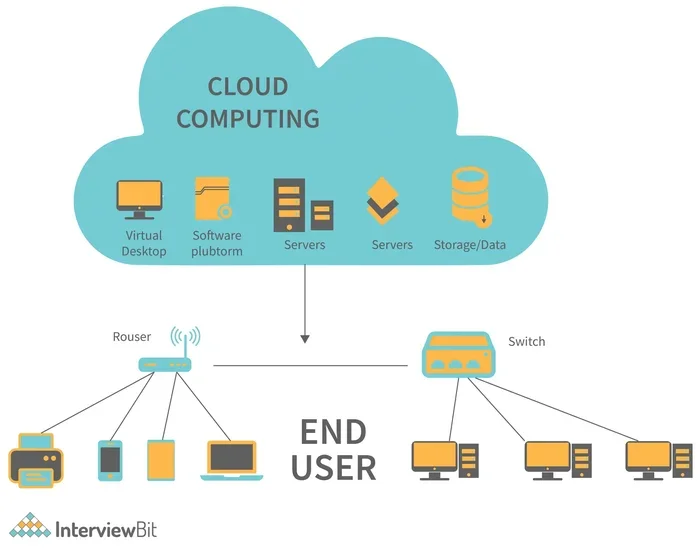
Traditional cloud providers like Amazon Web Services or Google Cloud operate on centralized servers. They own the hardware, control the data, and set the rules. Users must trust these companies to keep their information safe and available.
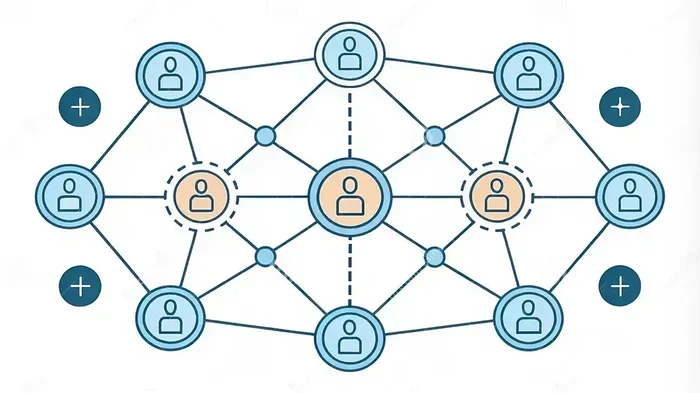
Decentralized cloud computing crypto flips this model. Data is encrypted and split into pieces. These pieces are then distributed across a network of independent nodes. Each node is operated by a different person or organization. No single entity has full control. This approach is called distributed computing, and it brings several major advantages.
- Data sovereignty: Users own and control their data at all times.
- Censorship resistance: No central authority can delete or restrict access.
- Trustless systems: Smart contracts enforce rules without needing trust in a single party.
- Security: Encryption and distribution make data far harder to hack or lose.
How Does Decentralized Cloud Computing Crypto Work?
Understanding the mechanics helps you appreciate the power behind this technology. The process involves several key components working together in harmony.
The Role of Blockchain Networks
A distributed ledger forms the backbone of any decentralized cloud system. This ledger records every transaction, every file stored, and every computing task completed. Because it is spread across thousands of computers, it becomes nearly impossible to tamper with. Every action is transparent and verifiable.
Smart contracts play a huge role here. These are self-executing agreements written in code. They automatically enforce rules like payment terms, storage agreements, and uptime requirements. No middleman is needed. Everything runs on code.
Token Incentives and Node Operators
One of the most clever aspects of decentralized cloud computing crypto is the incentive model. People who contribute their spare storage space or computing power to the network are rewarded with cryptocurrency tokens. This creates a natural economy where supply meets demand.
For example, someone might set up a crypto node in their home and rent out unused hard drive space. They earn tokens for doing so. Meanwhile, a developer who needs to store a large dataset can pay those tokens to access that space. It is a win-win arrangement powered by token incentives.
Data Encryption and Sharding
When you upload a file to a decentralized network, it does not sit in one place as a complete file. Instead, the system breaks your data into small pieces called shards. Each shard is encrypted before it leaves your device. Then the pieces are sent to different nodes across the globe.
Even if someone intercepts one shard, they cannot reconstruct your file without the encryption keys. This level of data privacy is virtually impossible to achieve with centralized systems. It is one of the strongest selling points of this technology.
Why Traditional Cloud Computing Needs a Change
Traditional cloud computing has served us well for over a decade. But it has serious flaws that are becoming harder to ignore.
Single Points of Failure
When a centralized server goes down, millions of users feel the impact. Remember the major AWS outages that took down huge portions of the internet? Those events exposed a critical weakness. Decentralized cloud computing crypto eliminates single points of failure by design.
Data is replicated across many nodes. If one node fails, the network simply routes around it. Your files remain accessible and intact. This kind of scalability and reliability is built into the architecture from day one.
Data Privacy Concerns
Big tech companies collect vast amounts of user data. This data is often used for targeted advertising or shared with third parties. Many users feel they have little control over what happens to their information once it enters a centralized system.
With decentralized cloud computing crypto, encryption keys belong to the user. No company can scan, analyze, or sell your data without your explicit permission. This shift toward data sovereignty is exactly what privacy-conscious users have been waiting for.
Rising Costs and Vendor Lock-In
Cloud computing costs have risen steadily over the years. Companies like AWS, Google Cloud, and Microsoft Azure frequently adjust their pricing. Worse, they make it difficult to migrate your data away from their platforms. This creates a painful vendor lock-in situation.
Decentralized networks offer a more open alternative. You can move your data between providers without losing access or paying migration fees. The peer-to-peer network model keeps things fair and competitive.
Top Decentralized Cloud Computing Platforms
Several projects are already building the infrastructure for decentralized cloud computing. Here are some of the most notable ones.
| Platform | Focus | Key Feature |
|---|---|---|
| Filecoin | Decentralized storage | Market-based storage pricing with proof-of-replication |
| Arweave | Permacent storage | One-time payment for permanent data storage |
| Storj | Distributed cloud storage | High redundancy and enterprise-grade encryption |
| Akash Network | Decentralized computing | Marketplace for spare computing power |
| Theta Network | Edge computing and video delivery | Peer-to-peer video streaming infrastructure |
Each platform brings something unique to the table. Filecoin focuses on creating a marketplace for storage, while Arweave aims for permanent data preservation. Storj targets enterprise users who need reliable and secure cloud storage. Akash Network opens up spare computing power to developers who need affordable resources. Theta Network specializes in edge computing and video delivery through distributed computing nodes.
What Makes These Platforms Different?
Traditional cloud providers own all the hardware. Decentralized platforms rely on a Web3 infrastructure built by independent participants around the world. This means no single company controls the network. It also means the system is inherently more resilient and harder to censor.
Most of these platforms use their own native tokens to facilitate transactions. Users pay tokens to store or compute data. Node operators earn tokens for contributing resources. This creates a self-sustaining ecosystem that grows stronger as more people join.
Benefits of Decentralized Cloud Computing Crypto
The advantages of decentralized cloud computing crypto go well beyond just technical improvements. They touch on economics, ethics, and the future of digital ownership.
Enhanced Security and Privacy
Because your data is encrypted and spread across many nodes, it is extremely difficult for hackers to access it. There is no single honeypot of data sitting on one company’s servers. Even if attackers compromise one node, they only get an encrypted shard that is useless without the decryption key.
For businesses handling sensitive customer data, this level of security is incredibly valuable. Healthcare providers, financial institutions, and legal firms can all benefit from the data privacy protections built into decentralized systems.
Lower Costs for Users
Traditional cloud providers charge premium prices for their services. They also profit from your data in ways users often do not realize. Decentralized networks cut out the middleman. Prices are driven by market forces and competition among node operators.
Many decentralized platforms offer significantly lower storage and computing costs compared to centralized alternatives. For startups and independent developers, this can make a huge difference in operating budgets.
Censorship Resistance and Freedom
One of the most powerful benefits of decentralized cloud computing crypto is censorship resistance. No government, corporation, or single entity can delete or restrict access to data stored on a distributed network.
This matters for journalists, activists, and anyone living under restrictive regimes. It also matters for preserving important historical records, scientific data, and cultural artifacts that should remain freely accessible to everyone.
Supporting the Broader Web3 Ecosystem
Decentralized cloud infrastructure is a foundational piece of the Web3 ecosystem. Without reliable storage and computing, decentralized applications cannot scale. Decentralized cloud computing crypto provides the backbone that dApps, smart contracts, and blockchain networks need to function at scale.
As more developers build on blockchain technology, the demand for decentralized infrastructure will only grow. This creates a strong feedback loop where investment in decentralized storage and computing drives further innovation.
Challenges and What to Watch For
No technology is perfect, and decentralized cloud computing crypto faces its own set of challenges.
Performance and Speed
Centralized servers are fast. They are optimized for speed and low latency. Decentralized networks, by nature, involve more hops and more complexity. This can sometimes result in slower performance for certain tasks.
However, this gap is narrowing fast. Advances in edge computing and improved network protocols are closing the speed difference. Projects are also building dedicated content delivery networks on top of decentralized infrastructure to boost performance.
User Experience and Adoption
For most people, using a decentralized platform still feels complicated. Setting up wallets, managing private keys, and understanding token economics creates a steep learning curve. Until the user experience improves, mainstream adoption will remain a challenge.
The best platforms are already working on this problem. They are building simpler interfaces, abstracting away the complexity of blockchain interactions, and making it easier for everyday users to get started.
Regulatory Uncertainty
Governments around the world are still figuring out how to regulate cryptocurrency and blockchain technology. This creates uncertainty for both developers and users. Changes in regulations could impact how decentralized cloud networks operate in different jurisdictions.
Staying informed about regulatory developments is important for anyone involved in this space. Projects that prioritize compliance and transparency will likely fare better in the long run.
Expert Insight
Industry experts agree that decentralized cloud computing crypto is not here to replace traditional cloud overnight. Instead, it is positioned to complement existing infrastructure. Many enterprises are exploring hybrid models where sensitive data lives on decentralized networks while less critical workloads stay on centralized platforms. This pragmatic approach is helping bridge the gap between old and new.
Common Mistakes to Avoid
If you are new to this space, watch out for these common pitfalls.
- Skipping security audits: Always verify that the platform you choose has undergone thorough third-party security audits.
- Ignoring token economics: Understand how the token works before committing resources. Poorly designed incentive models can lead to instability.
- Underestimating the learning curve: Take time to learn the basics of wallets, private keys, and blockchain interactions before diving in.
- Overlooking redundancy: Make sure your data is replicated across enough nodes to survive failures.
- Trusting marketing over facts: Research any platform thoroughly. Look for real user reviews, transparent team information, and measurable performance data.
The Future of Decentralized Cloud Infrastructure
The future of decentralized cloud computing crypto looks incredibly promising. As blockchain technology matures and more people recognize its potential, we can expect rapid growth in this sector.
Mainstream Adoption on the Horizon
Major tech companies are already exploring decentralized alternatives. Microsoft has partnered with platforms like Filecoin to integrate decentralized storage into its Azure cloud services. This kind of mainstream adoption signals that the industry sees real value in distributed systems.
As more businesses adopt decentralized storage and computing solutions, the network effects will accelerate. More users mean more nodes, which means better performance, lower costs, and stronger security for everyone.
Integration with AI and Edge Computing
Artificial intelligence and decentralized cloud computing crypto are a natural fit. AI models require massive amounts of data and computing power. Decentralized networks can provide both in a more affordable and privacy-respecting way.
Edge computing is another area poised for growth. By processing data closer to where it is generated, decentralized networks can reduce latency and improve performance for real-time applications like gaming, video streaming, and IoT devices.
A More Open and Equitable Internet
At its heart, decentralized cloud computing crypto is about returning power to the people. It is about building an internet where users control their own data, where no single entity holds too much power, and where innovation is driven by open collaboration rather than corporate gatekeeping.
This vision is not just aspirational. It is being built right now by developers, node operators, and communities around the world. Every new project, every new node added to the network, and every user who chooses decentralization over centralization brings us closer to that goal.
Key Takeaways
- Decentralized cloud computing crypto distributes data and computing across a global network of independent nodes instead of relying on centralized servers.
- Blockchain technology, smart contracts, and token incentives form the foundation of this new infrastructure.
- Platforms like Filecoin, Arweave, Storj, and Akash Network are leading the way in decentralized storage and computing.
- Benefits include stronger security, better privacy, lower costs, and censorship resistance.
- Challenges like performance, user experience, and regulation still need to be addressed.
- The future points toward mainstream adoption, hybrid models, and deeper integration with AI and edge computing.
The shift toward decentralized cloud computing crypto is not a question of if but when. As the technology improves and more people recognize its value, it will become an increasingly important part of our digital lives. Whether you are a developer, a business owner, or simply someone who cares about data privacy, now is the time to pay attention and get involved.
Frequently Asked Questions
What is decentralized cloud computing crypto?
It is a system that uses blockchain technology and peer-to-peer networks to store and process data without relying on centralized servers. Instead of one company controlling the infrastructure, a distributed network of independent nodes handles storage and computing tasks. Users maintain control over their own data through encryption and cryptographic keys.
How does decentralized cloud computing differ from traditional cloud services?
Traditional cloud services rely on centralized servers owned by companies like Amazon or Google. Decentralized systems spread data across many independent nodes worldwide. This eliminates single points of failure, improves privacy, and removes the need to trust any single entity with your information.
Which platforms are leading in decentralized cloud computing?
Filecoin, Arweave, Storj, Akash Network, and Theta Network are among the top platforms. Each focuses on different aspects of decentralized infrastructure, from permanent storage to edge computing and video delivery. They all use blockchain technology and native tokens to power their networks.
Is decentralized cloud computing crypto secure?
Yes, it is designed with security as a core feature. Data is encrypted and split into pieces before being distributed across the network. Even if one node is compromised, attackers cannot reconstruct your files without the encryption keys. Many platforms also undergo regular third-party security audits to ensure robustness.
Will decentralized cloud computing replace traditional cloud providers?
It is unlikely to fully replace traditional providers in the near term. Instead, it will complement them. Many experts believe hybrid models will become common, where sensitive data lives on decentralized networks while other workloads remain on centralized platforms. Over time, the balance will shift as the technology matures.
How can someone get started with decentralized cloud computing?
Start by researching platforms like Filecoin or Storj and understanding how their token economies work. You can begin as a user by storing files on a decentralized network or as a node operator by contributing spare storage or computing resources. Always prioritize platforms with strong security records and active communities.
=== CONCLUSION ===
Decentralized cloud computing crypto represents a fundamental shift in how we think about data storage and computing power. It takes the principles of blockchain technology and applies them to one of the most essential services on the internet. The result is a system that is more secure, more private, and more equitable than anything centralized providers can offer.
The technology is still evolving, and challenges remain. But the momentum behind decentralized cloud computing crypto is undeniable. Major platforms are building real infrastructure. Developers are creating powerful decentralized applications. Users are demanding more control over their digital lives. All of these forces are pushing this technology forward.
If you care about data privacy, online freedom, and the future of the internet, this is a space worth watching closely. The transformation has already begun, and decentralized cloud computing crypto will play a central role in shaping the next generation of the web.