Data Security Challenges and Solutions in Cloud Computing
Data security challenges and solutions in cloud computing are critical topics for businesses today. Cloud environments face threats like data breaches, misconfigurations, and compliance violations that put sensitive information at risk. This guide covers the top challenges and practical solutions to keep your data safe. You will learn about encryption, access control, zero trust, and more. Apply these strategies to strengthen your cloud security posture today.
Cloud computing has transformed how businesses store, manage, and process data. Companies of all sizes now rely on cloud platforms for daily operations. But with this shift comes a growing set of data security challenges and solutions in cloud computing. Every day, organizations face new threats that target sensitive information stored in the cloud. Understanding these risks and knowing how to address them is no longer optional. It is a necessity for survival in the digital age.
Many businesses assume that moving to the cloud means their data is automatically safe. That is a dangerous misconception. Cloud environments introduce unique vulnerabilities that on-premise systems do not face. From misconfigured storage buckets to insider threats, the risks are real and evolving. This article breaks down the biggest challenges and offers clear, actionable solutions. Whether you are a small business or a large enterprise, you will find practical advice here. Let us dive in and explore how to keep your cloud data secure.
Key Takeaways
- Encryption is essential: Protect data at rest and in transit using strong encryption standards.
- Access control prevents unauthorized use: Implement multi-factor authentication and role-based permissions.
- Compliance matters: Follow regulations like GDPR, HIPAA, and SOC 2 to avoid penalties.
- Zero trust security works: Never trust, always verify every user and device in your cloud environment.
- Shared responsibility is key: Understand what your cloud provider handles versus what you must manage.
- Regular audits catch problems early: Conduct vulnerability assessments and penetration testing frequently.
- Backup and disaster recovery save businesses: Have a solid plan for data loss and outages.
📑 Table of Contents
- Understanding Data Security in the Cloud
- Top Data Security Challenges in Cloud Computing
- Proven Solutions for Cloud Data Security
- Comparison: Common Cloud Security Solutions
- Quick Tips for Strengthening Cloud Security
- Common Mistakes Businesses Make
- Expert Insights on Cloud Data Protection
- Conclusion
Understanding Data Security in the Cloud
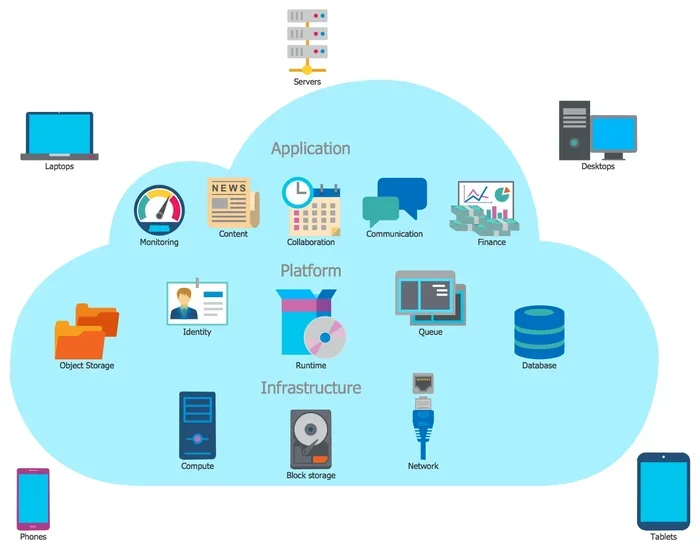
Before we look at specific challenges, it helps to understand what cloud data security really means. Cloud data protection involves securing data stored on remote servers accessed through the internet. Unlike traditional on-premise setups, cloud data lives outside your physical control. You depend on your cloud service provider to maintain infrastructure security. But you also bear responsibility for protecting the data you upload. This shared model creates unique complexities.
The shared responsibility model is the foundation of cloud security. Your provider secures the hardware, network, and physical data centers. You are responsible for securing your data, access controls, and applications. When both sides do their part, security works well. When either side falls short, vulnerabilities appear. Many data breaches happen because businesses misunderstand this model. They assume the provider handles everything. Always read your provider’s terms and conditions carefully to understand your exact responsibilities. For more details on what to look for in service agreements, check out our terms and conditions guide.
The Rise of Cloud Adoption
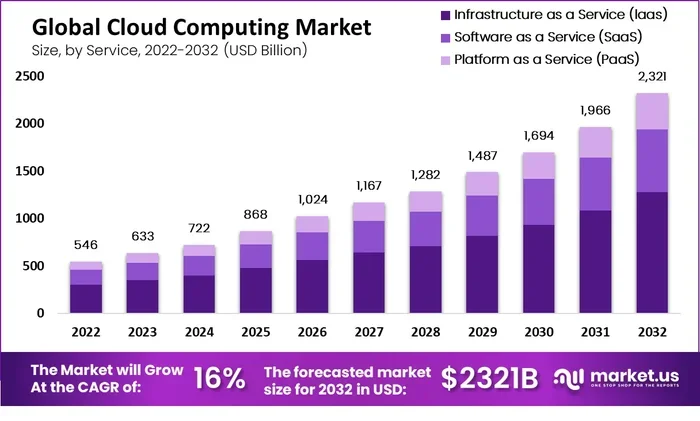
Cloud adoption has grown rapidly over the past decade. Businesses move to the cloud for scalability, cost savings, and flexibility. However, this growth has also attracted cybercriminals. The more data stored in the cloud, the bigger the target. Cybersecurity threats in cloud environments have become more sophisticated. Attackers now use advanced techniques like AI-driven attacks and social engineering. Staying ahead of these threats requires constant vigilance and updated security practices.
Top Data Security Challenges in Cloud Computing
Cloud environments face a wide range of security threats. Each challenge requires a specific approach to address it effectively. Below are the most common and dangerous challenges businesses encounter today.
Data Breaches and Unauthorized Access
A data breach is one of the most feared outcomes for any business. When unauthorized users gain access to sensitive data, the damage can be devastating. Breaches expose customer information, financial records, and intellectual property. They also lead to legal consequences and reputational harm. Data breach prevention should be a top priority for every organization using the cloud.
Unauthorized access often happens through weak passwords, phishing attacks, or misconfigured permissions. Hackers exploit these gaps to infiltrate cloud systems. Once inside, they can move laterally across resources. The 2023 IBM Cost of a Data Breach report shows that cloud breaches cost businesses millions of dollars on average. The financial impact goes beyond fines. Lost customer trust and operational downtime add to the damage.
Misconfigurations and Human Error
Misconfigurations are the leading cause of cloud security incidents. A simple mistake like leaving a storage bucket public can expose millions of records. Human error plays a huge role in these incidents. IT teams manage complex cloud environments with many moving parts. One overlooked setting can create a massive vulnerability.
Common misconfiguration examples include:
- Open storage buckets with no access restrictions
- Default credentials left unchanged on cloud services
- Overly permissive identity and access management rules
- Unencrypted databases exposed to the public internet
- Missing logging and monitoring on critical resources
These mistakes are preventable with the right processes and tools. Regular audits and automated configuration checks can catch issues before attackers do.
Compliance and Regulatory Challenges
Businesses that store data in the cloud must follow various regulations. GDPR, HIPAA, PCI DSS, and SOC 2 are just a few examples. Each regulation has specific requirements for data protection and privacy. Failing to comply can result in heavy fines and legal action. Security compliance in the cloud is not just a technical challenge. It is a legal and operational one too.
Different countries have different rules. A business operating globally must navigate a complex web of regulations. Cloud data often crosses borders, which adds another layer of complexity. Understanding where your data lives and which laws apply is critical. You should also review your cloud provider’s compliance certifications. Their terms and conditions may outline compliance features and limitations you need to know about.
Insider Threats
Not all threats come from outside your organization. Insider threats are a serious and often overlooked challenge. These threats can come from current employees, former employees, or contractors. A disgruntled employee with access to sensitive data can cause significant harm. Even well-meaning staff can accidentally expose data through careless actions.
Insider threats are hard to detect because the users have legitimate access. Traditional security tools focus on external threats. They often miss suspicious behavior from inside the organization. Detecting insider threats requires monitoring user activity and setting up behavioral alerts. Identity management and access control systems play a vital role here.
Lack of Visibility and Control
When you move data to the cloud, you lose some visibility. You no longer have physical control over where your data resides. Your cloud provider manages the underlying infrastructure. This lack of visibility makes it harder to track who accesses your data and how it is used. Data loss prevention becomes more challenging in distributed cloud environments.
Many businesses use multiple cloud services. This multi-cloud approach creates fragmented visibility. Data flows between different platforms, making it hard to monitor everything. Without proper tools, you may not know where sensitive data is stored or who has access to it.
Proven Solutions for Cloud Data Security
Now that we have covered the challenges, let us look at the solutions. Each challenge has practical, effective solutions that businesses can implement today.
Implement Strong Data Encryption
Data encryption is one of the most powerful tools in cloud security. Encryption converts readable data into an unreadable format. Only authorized parties with the correct decryption key can access the original data. This protects your information even if attackers gain access to your storage.
You should encrypt data in two states:
- Data at rest: Encrypt stored data on cloud servers and databases.
- Data in transit: Encrypt data moving between users and cloud services using TLS/SSL.
End-to-end encryption ensures that data remains protected throughout its entire journey. Even your cloud provider cannot read the encrypted data without your keys. This gives you an extra layer of control and peace of mind.
Enforce Multi-Factor Authentication and Access Control
Weak passwords are one of the easiest ways for attackers to gain access. Multi-factor authentication adds a second layer of verification beyond just a password. Users must provide a second factor like a code from their phone or a biometric scan. This dramatically reduces the risk of unauthorized access.
Role-based access control ensures users only access the data they need. Not everyone in your organization needs access to every system. Limiting permissions based on roles reduces the attack surface. Regularly review access rights and remove permissions for users who no longer need them.
Adopt a Zero Trust Security Model
The zero trust security approach assumes that no user or device is trustworthy by default. Every access request is verified, regardless of where it comes from. This model treats internal and external threats equally. It requires continuous authentication and authorization for every action.
Zero trust works well in cloud environments because it does not rely on network boundaries. Your cloud resources may be accessed from anywhere in the world. Zero trust ensures that every request is authenticated and authorized in real time. Implementing zero trust involves micro-segmentation, continuous monitoring, and strict identity verification.
Conduct Regular Security Audits and Vulnerability Assessments
Regular audits help you find and fix security gaps before attackers exploit them. Vulnerability assessment tools scan your cloud environment for known weaknesses. Penetration testing simulates real attacks to test your defenses. Both approaches give you valuable insights into your security posture.
Set up automated scanning for misconfigurations and vulnerabilities. Schedule these scans at least monthly. After any major configuration change, run an additional assessment. Keeping a close eye on your environment helps you stay ahead of emerging threats.
Ensure Compliance with Regulatory Standards
Staying compliant with regulations should be a core part of your cloud security strategy. Choose cloud providers that offer compliance certifications. These certifications demonstrate that the provider meets industry standards. However, compliance is a shared effort. You must also implement the right controls on your side.
Create a compliance checklist tailored to your industry and region. Document your data handling processes and security policies. Conduct regular compliance audits to ensure ongoing adherence. Remember to review your provider’s terms and conditions to understand their compliance commitments and limitations.
Build a Robust Backup and Disaster Recovery Plan
No security plan is complete without a backup and recovery strategy. Cloud backup solutions ensure your data is safe even if the worst happens. Regular backups protect against data loss from ransomware, accidental deletion, or system failures.
Your disaster recovery plan should include:
- Defined recovery time objectives (RTO) and recovery point objectives (RPO)
- Automated backup schedules with regular testing
- Clear roles and responsibilities for recovery teams
- Offsite or secondary cloud storage for backup data
- Documented recovery procedures and communication plans
Test your disaster recovery plan regularly. A plan that has never been tested may not work when you need it most. Practice recovery scenarios to build confidence and identify gaps.
Comparison: Common Cloud Security Solutions
Not all solutions fit every business. The right choice depends on your size, budget, and risk profile. Here is a comparison of popular cloud security approaches.
| Solution | Best For | Key Benefit | Consideration |
|---|---|---|---|
| Data Encryption | All businesses | Protects data even if breached | Key management requires effort |
| Multi-Factor Authentication | Businesses with remote users | Blocks unauthorized access | May add login friction |
| Zero Trust Model | Large enterprises | Continuous verification of all access | Requires significant setup |
| Security Audits | Compliance-heavy industries | Finds gaps proactively | Needs skilled personnel |
| Cloud Backup Solutions | All businesses | Ensures data recovery | Storage costs add up |
Quick Tips for Strengthening Cloud Security
Here are some quick wins you can implement right away to improve your cloud security:
- Enable multi-factor authentication on all cloud accounts today
- Encrypt all sensitive data before uploading it to the cloud
- Review and update access permissions quarterly
- Turn on logging and monitoring for all cloud resources
- Train employees on phishing and social engineering risks
- Use automated tools to scan for misconfigurations weekly
- Keep an updated inventory of all cloud services and data stores
Common Mistakes Businesses Make
Avoiding common mistakes can save you from serious security incidents. Here are the pitfalls to watch out for:
- Assuming the cloud provider handles all security: Remember the shared responsibility model. You have a role to play.
- Using default settings without review: Default configurations are often insecure. Always customize them for your needs.
- Ignoring software updates and patches: Unpatched systems are easy targets for attackers. Stay current with updates.
- Not training employees: Human error causes many breaches. Regular security training reduces this risk significantly.
- Skipping regular audits: Security is not a set-and-forget task. Continuous monitoring is essential.
Expert Insights on Cloud Data Protection
Industry experts agree that cloud security requires a proactive and layered approach. According to cybersecurity leaders, the most effective strategy combines technology, processes, and people. Technology provides the tools. Processes ensure consistency. People make sure everything runs correctly. No single solution can protect your cloud environment completely.
Experts also emphasize the importance of building a security-first culture. When every employee understands their role in protecting data, security becomes everyone’s responsibility. Regular training, clear policies, and open communication about threats create a strong human defense layer. Investing in threat detection tools powered by AI and machine learning can also give you an edge. These tools analyze patterns and flag suspicious behavior faster than manual methods.
Conclusion
Data security challenges and solutions in cloud computing go hand in hand. The cloud offers incredible benefits, but it also introduces real risks that businesses must address. Encryption, access control, zero trust, and regular audits form the foundation of a strong security strategy. Compliance, backup planning, and employee training round out a comprehensive approach. By understanding the shared responsibility model and taking proactive steps, you can protect your data with confidence. Start implementing these solutions today and build a cloud environment that is both powerful and secure.
Frequently Asked Questions
What are the biggest data security challenges in cloud computing?
The biggest challenges include data breaches, misconfigurations, compliance violations, insider threats, and lack of visibility. Each of these risks can lead to significant financial and reputational damage if not addressed properly.
How does encryption help protect data in the cloud?
Encryption converts your data into an unreadable format that only authorized users can decode. It protects data both at rest and in transit, ensuring that even if attackers access your storage, they cannot read the information without the decryption key.
What is the shared responsibility model in cloud security?
The shared responsibility model divides security duties between the cloud provider and the customer. The provider secures the infrastructure, while you are responsible for protecting your data, access controls, and applications. Understanding this division is essential to avoid security gaps.
Why is multi-factor authentication important for cloud security?
Multi-factor authentication adds an extra verification step beyond passwords. It significantly reduces the risk of unauthorized access, even if a password is compromised. It is one of the simplest and most effective security measures you can implement.
How often should cloud security audits be conducted?
Security audits should be conducted at least monthly, with additional scans after any major configuration changes. Regular audits help you identify vulnerabilities, misconfigurations, and compliance gaps before they become serious problems.
What should a cloud disaster recovery plan include?
A solid disaster recovery plan should define recovery time and point objectives, include automated backup schedules, assign clear roles, and document recovery procedures. Testing the plan regularly ensures it works when you need it most.
=== CONCLUSION ===
Data security challenges and solutions in cloud computing are topics every business must take seriously. The cloud offers incredible flexibility and power, but it demands vigilance. By implementing strong encryption, enforcing access controls, and staying compliant, you can protect your most valuable asset: your data. Start with the quick tips in this article and build a security strategy that grows with your business. Your future self will thank you for taking action today.