Cybersecurity Implications of Cloud Computing Explained
The cybersecurity implications of cloud computing affect every business that moves data online. Understanding these risks is essential to protect sensitive information from breaches, data loss, and unauthorized access. This guide breaks down the key threats, compliance challenges, and practical steps you can take to secure your cloud environment today.
The way businesses store, process, and manage data has changed dramatically over the past decade. Cybersecurity implications of cloud computing have become a major concern for companies of every size. Whether you run a small startup or a large enterprise, moving your operations to the cloud brings both incredible benefits and real risks.
Every day, millions of businesses rely on cloud platforms to run their daily operations. They store customer data, financial records, and intellectual property in the cloud. But with that convenience comes a big question: how safe is your data really? The cybersecurity implications of cloud computing go far beyond just technical vulnerabilities. They touch on compliance, employee behavior, provider trust, and overall business continuity.
This article dives deep into the world of cloud security. You will learn about the most common threats, the shared responsibility model, and the best practices that can protect your business. By the end, you will have a clear picture of what it takes to keep your cloud environment safe and secure.
Key Takeaways
- Cloud adoption grows fast: More businesses rely on the cloud, making cloud security a top priority for organizations of all sizes.
- Shared responsibility is critical: Both the cloud provider and the user share the burden of keeping data safe and secure.
- Common threats are real: Data breaches, misconfigurations, and ransomware attacks pose serious risks in cloud environments.
- Compliance matters: Regulations like GDPR and HIPAA directly impact how you store and manage data in the cloud.
- Best practices work: Encryption, multi-factor authentication, and zero trust architecture significantly reduce your risk exposure.
- Training is essential: Security awareness training helps employees become your strongest defense against cyber threats.
📑 Table of Contents
- What Are the Cybersecurity Implications of Cloud Computing?
- Common Cloud Security Threats You Need to Know
- The Shared Responsibility Model Explained
- Best Practices for Securing Your Cloud Environment
- Compliance and Regulatory Challenges in the Cloud
- Building a Strong Cloud Security Strategy
- Conclusion
What Are the Cybersecurity Implications of Cloud Computing?
When we talk about cybersecurity implications of cloud computing, we mean the risks, challenges, and security concerns that come with using cloud-based services. These implications affect how data is stored, who can access it, and how it is protected from cyber threats.
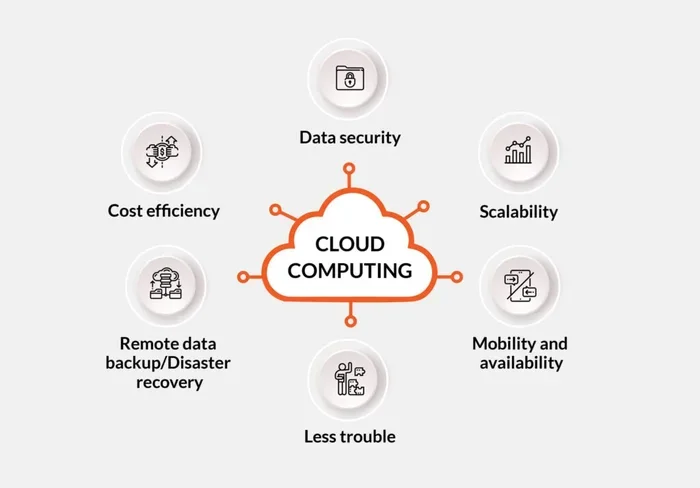
Cloud computing offers amazing flexibility and scalability. You can scale up resources in seconds and pay only for what you use. But this shared, distributed environment also creates new attack surfaces. Hackers no longer need to break into a physical server room. They can target weak configurations, stolen credentials, or unpatched software through the internet.
Understanding the cybersecurity implications of cloud computing starts with recognizing that the cloud is not inherently insecure. However, it does shift the security landscape. Traditional perimeter-based security does not work the same way when your data lives across multiple servers, data centers, and regions.
The Shift from On-Premises to Cloud
In the past, companies kept their data on local servers inside their own buildings. IT teams controlled physical access, network firewalls, and hardware directly. This gave them a sense of control, but it also came with high costs and limited scalability.
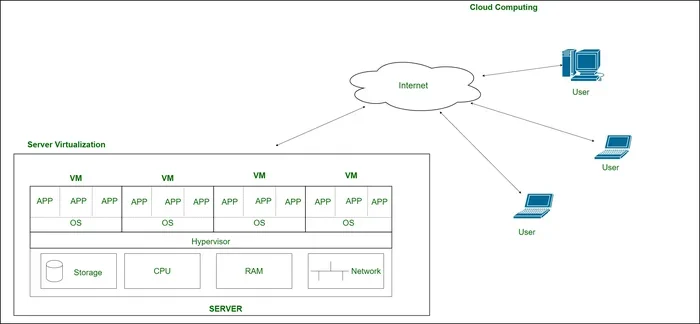
Today, cloud computing has flipped that model. Your data now lives in someone else’s data center, managed by a cloud service provider like Amazon Web Services, Microsoft Azure, or Google Cloud Platform. This shift means you no longer control the physical infrastructure. You must trust your provider to maintain strong security at the hardware and network level.
But here is the catch: trusting your provider does not mean you are off the hook. The cybersecurity implications of cloud computing mean that you are still responsible for securing your data, applications, and access controls. This shared dynamic is at the heart of modern cloud security challenges.
Common Cloud Security Threats You Need to Know
The cybersecurity implications of cloud computing manifest in many different threat forms. Knowing these threats helps you prepare and defend against them. Let us look at the most common cloud security risks businesses face today.
Data Breaches
A data breach happens when unauthorized users gain access to sensitive information. In the cloud, a breach can expose customer records, financial data, or proprietary business information. According to industry reports, misconfigured cloud storage buckets are one of the leading causes of data breaches. A single mistake, like leaving a storage bucket open to the public, can leak millions of records.
Data breaches do not just cause financial loss. They also damage customer trust and brand reputation. The cybersecurity implications of cloud computing make it clear that every business needs robust encryption and access controls to prevent unauthorized data exposure.
Misconfigurations
Misconfigurations are among the most common cloud security issues. They happen when cloud resources are not set up correctly. For example, leaving default passwords unchanged, failing to enable logging, or granting overly broad access permissions all count as misconfigurations.
These errors create easy entry points for attackers. A study found that nearly 90% of organizations experienced a cloud misconfiguration incident within a single year. The good news is that most misconfigurations are preventable with proper cloud security practices and regular audits.
Ransomware Attacks
Ransomware attacks have surged in recent years, and the cloud is not immune. Attackers encrypt your cloud data and demand a ransom to restore access. The cybersecurity implications of cloud computing mean that a ransomware attack can halt business operations across entire departments or even geographies.
Cloud-based ransomware often spreads through phishing emails or compromised credentials. Once inside, attackers move laterally through connected cloud services. Having a solid backup strategy and an incident response plan is essential to recover quickly from these attacks.
Insider Threats
Not all threats come from outside. Insider threats involve employees or contractors who misuse their access to cloud resources. This can be intentional, like a disgruntled employee stealing data, or accidental, like someone mistakenly sharing a sensitive file with the wrong person.
Identity and access management (IAM) plays a vital role in reducing insider threats. By implementing the principle of least privilege, you ensure that users only have access to the resources they absolutely need. This is one of the most effective ways to limit the damage from insider actions.
The Shared Responsibility Model Explained
One of the most important concepts in cloud security is the shared responsibility model. This model defines who is responsible for what when it comes to security in the cloud. Understanding this model is key to grasping the full cybersecurity implications of cloud computing.
The shared responsibility model divides security duties between the cloud provider and the customer. The provider is responsible for security of the cloud, which includes physical data centers, networking infrastructure, and hypervisor security. The customer is responsible for security in the cloud, which covers data encryption, access management, and application configurations.
Here is a simple way to think about it. Your cloud provider builds and maintains the house. They ensure the roof does not leak and the walls are strong. But you are responsible for locking the doors, setting the alarm, and deciding who gets a key. If you leave a door unlocked, that is on you.
What Cloud Providers Handle
Cloud service providers typically manage the following security areas:
- Physical security of data centers
- Hardware and infrastructure maintenance
- Network infrastructure and firewalls at the core level
- Hypervisor and virtualization layer security
These are foundational security layers that protect the entire cloud platform. Reputable providers invest billions in these areas. However, this does not mean you can relax your guard.
What Customers Must Handle
As a customer, you are responsible for securing your portion of the cloud environment. This includes:
- Managing user identities and access permissions
- Encrypting sensitive data at rest and in transit
- Configuring firewalls, security groups, and network access controls
- Monitoring for suspicious activity and responding to alerts
- Applying patches and updates to your applications and operating systems
The cybersecurity implications of cloud computing make it clear that neglecting your responsibilities can lead to serious consequences. Many high-profile breaches happened not because the cloud provider failed, but because the customer misconfigured their environment.
Best Practices for Securing Your Cloud Environment
Now that you understand the threats and the shared responsibility model, let us look at practical steps you can take to strengthen your cloud security posture. These best practices help you address the cybersecurity implications of cloud computing head-on.
Implement Strong Encryption
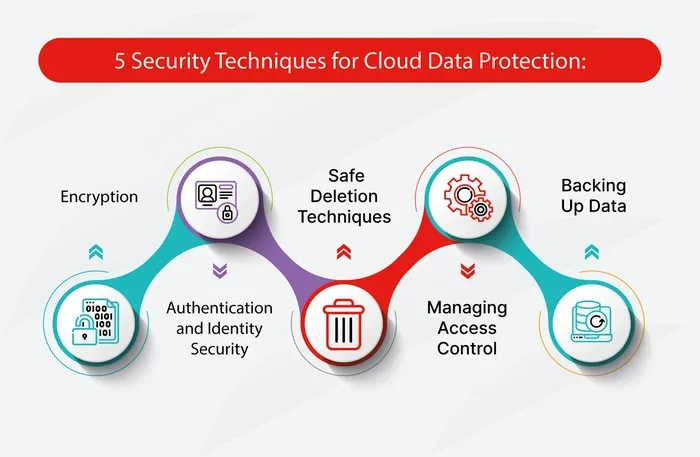
Encryption is one of the most powerful tools in your cloud security toolkit. It converts readable data into unreadable code that only authorized parties can decode. You should encrypt data both at rest (stored in the cloud) and in transit (moving between users and the cloud).
Most major cloud providers offer built-in encryption tools. Use them. Additionally, consider managing your own encryption keys for an extra layer of control. This way, even if someone gains access to your storage, they cannot read the data without the keys.
Enable Multi-Factor Authentication
Multi-factor authentication (MFA) adds a critical layer of protection to your cloud accounts. With MFA enabled, users must provide two or more forms of verification before they can log in. This typically includes something they know (a password), something they have (a phone or token), or something they are (a fingerprint).
MFA dramatically reduces the risk of unauthorized access, even if a password gets stolen. It is one of the simplest and most effective steps you can take to improve your cloud security. Make MFA mandatory for all users, especially those with administrative privileges.
Adopt Zero Trust Architecture
The zero trust architecture approach operates on a simple principle: never trust, always verify. In a zero trust model, every user, device, and connection is treated as potentially untrusted, regardless of whether they are inside or outside your network.
This approach directly addresses many of the cybersecurity implications of cloud computing. Since cloud environments are inherently distributed, traditional network boundaries no longer apply. Zero trust ensures that access is granted on a need-to-know basis, continuously verified, and limited to the minimum necessary permissions.
Conduct Regular Security Audits
Regular security audits help you find weaknesses before attackers do. These audits review your cloud configurations, access controls, and compliance with security policies. They should be performed at least quarterly, and after any major changes to your cloud environment.
Use automated scanning tools to detect misconfigurations and vulnerabilities. Pair these tools with manual reviews for a comprehensive security assessment. A strong audit program is one of the best defenses against the cybersecurity implications of cloud computing.
Provide Security Awareness Training
Human error remains one of the biggest contributors to cloud security incidents. Employees who click on phishing links or use weak passwords can expose your entire cloud environment. Security awareness training educates your team about common threats and safe practices.
Make training a regular part of your workplace culture. Run simulated phishing exercises, share real-world breach examples, and keep employees updated on the latest threat detection strategies. A well-informed team is your first line of defense.
Compliance and Regulatory Challenges in the Cloud
The cybersecurity implications of cloud computing extend beyond technical security into the realm of compliance and regulation. Different industries and regions have specific rules about how data should be stored, processed, and protected. Navigating these requirements in the cloud can be complex.
GDPR and Data Privacy
The General Data Protection Regulation (GDPR) sets strict rules for handling personal data of European Union citizens. If your business uses the cloud to store or process EU customer data, you must comply with GDPR requirements. This includes obtaining proper consent, ensuring data accuracy, and reporting breaches within 72 hours.
Cloud providers offer tools to help with GDPR compliance, but the ultimate responsibility lies with you. You must understand where your data resides, who can access it, and how it is protected. Data privacy is a core part of the cybersecurity implications of cloud computing that no business can afford to ignore.
HIPAA and Healthcare Data
For healthcare organizations, the Health Insurance Portability and Accountability Act (HIPAA) imposes strict rules on protecting patient health information. Storing protected health information in the cloud requires a Business Associate Agreement (BAA) with your cloud provider and strict access controls.
Failure to comply with HIPAA can result in massive fines and legal consequences. The cybersecurity implications of cloud computing in healthcare are particularly high because the data is both sensitive and highly regulated. Invest in specialized cloud solutions that are certified for HIPAA compliance.
PCI DSS for Payment Data
If your business processes credit card payments, you must comply with the Payment Card Industry Data Security Standard (PCI DSS). This standard governs how payment card data is stored, transmitted, and processed. Cloud environments that handle payment data must meet strict PCI DSS requirements.
Work with your cloud provider to understand their PCI DSS compliance certifications. Then implement your own controls for tokenization, network segmentation, and regular vulnerability scanning. Compliance is not a one-time effort; it requires ongoing monitoring and improvement.
Building a Strong Cloud Security Strategy
Addressing the cybersecurity implications of cloud computing requires a comprehensive, proactive strategy. A strong cloud security strategy combines technology, processes, and people to create a layered defense against threats.
Start with a Risk Assessment
Before you can protect your cloud environment, you need to understand your risks. Conduct a thorough risk assessment that identifies your most valuable assets, potential threats, and existing vulnerabilities. This assessment forms the foundation of your entire security strategy.
Ask yourself questions like: What data is most sensitive? Which cloud services are we using? What are our biggest exposure points? The answers will guide your security investments and priorities.
Create an Incident Response Plan
No security strategy is complete without an incident response plan. This plan outlines the steps your team will take when a security incident occurs. It defines roles, communication protocols, and recovery procedures.
Having a tested incident response plan can mean the difference between a minor disruption and a catastrophic data loss. Review and update your plan regularly, and conduct drills to ensure your team is ready to respond quickly and effectively.
Leverage Cloud Security Tools
The market offers a wide range of cloud security tools designed to address specific threats. These include Cloud Security Posture Management (CSPM) tools, Cloud Workload Protection Platforms (CWPP), and data loss prevention (DLP) solutions. Each tool addresses different aspects of the cybersecurity implications of cloud computing.
Choose tools that integrate well with your cloud platform and existing security infrastructure. Automate wherever possible to reduce human error and respond to threats faster. The right combination of tools gives you visibility and control across your entire cloud environment.
Monitor and Continuously Improve
Cloud security is not a set-it-and-forget-it task. Threats evolve constantly, and new vulnerabilities emerge regularly. Continuous monitoring ensures you can detect and respond to threats in real time.
Set up dashboards and alerts for unusual activity. Review logs regularly. Stay informed about the latest security trends and threat intelligence. A commitment to continuous improvement is what separates secure organizations from vulnerable ones.
Quick Tips for Cloud Security
- Always enable multi-factor authentication on all cloud accounts
- Encrypt sensitive data before uploading it to the cloud
- Review and update access permissions on a monthly basis
- Use automated tools to scan for misconfigurations weekly
- Train every employee on basic cloud security hygiene
- Maintain offline backups of critical cloud data
- Choose cloud providers with strong compliance certifications
Common Mistakes to Avoid
Many businesses make avoidable mistakes when it comes to cloud security. One of the biggest is assuming the cloud provider handles everything. Another is neglecting to update and patch cloud-based applications regularly. Some organizations also fail to monitor their cloud environments actively, leaving them blind to suspicious activity.
Avoiding these common pitfalls can significantly reduce your exposure to the cybersecurity implications of cloud computing. Stay proactive, stay informed, and never treat cloud security as someone else’s problem.
Conclusion
The cybersecurity implications of cloud computing are real, evolving, and too important to ignore. As more businesses move their operations to the cloud, understanding and addressing these risks becomes essential. From data breaches and misconfigurations to compliance challenges and insider threats, the cloud landscape demands vigilance and a proactive security mindset.
The good news is that you do not have to face these challenges alone. By understanding the shared responsibility model, implementing strong encryption and multi-factor authentication, and building a comprehensive security strategy, you can significantly reduce your risk. Regular audits, employee training, and continuous monitoring further strengthen your defenses.
Cloud computing offers incredible advantages, and with the right approach, you can enjoy those benefits without compromising your security. Take action today. Assess your current cloud security posture, address any gaps, and build a resilient defense that protects your business for the long term. The future of business is in the cloud, and securing it is not optional, it is essential.
Frequently Asked Questions
What are the main cybersecurity implications of cloud computing?
The main implications include increased risk of data breaches, misconfigurations, ransomware attacks, insider threats, and compliance challenges. Because cloud environments are shared and distributed, businesses must take an active role in securing their data, applications, and access controls alongside their cloud provider.
How does the shared responsibility model work in cloud security?
The shared responsibility model divides security duties between the cloud provider and the customer. The provider secures the underlying infrastructure, while the customer is responsible for protecting their data, managing access, and configuring security settings correctly. Both parties must fulfill their obligations to maintain a secure environment.
What is the biggest cloud security threat businesses face today?
Misconfigurations are widely considered the biggest cloud security threat. Simple errors like open storage buckets, default passwords, or overly permissive access rules can expose sensitive data to attackers. Regular audits and automated scanning tools help catch these issues before they lead to breaches.
How can small businesses protect themselves from cloud security risks?
Small businesses should start by enabling multi-factor authentication, encrypting sensitive data, and training employees on basic security practices. Using a reputable cloud provider with strong built-in security features also helps. A simple but consistent security routine goes a long way in reducing risk.
Why is compliance important in cloud computing?
Compliance ensures that businesses handle sensitive data according to legal and industry standards. Regulations like GDPR, HIPAA, and PCI DSS set specific requirements for data protection. Failing to comply can result in heavy fines, legal action, and loss of customer trust.
What role does employee training play in cloud security?
Employee training is one of the most effective defenses against cloud security threats. Many breaches start with human error, such as clicking a phishing link or using weak passwords. Regular security awareness training helps employees recognize threats and follow safe practices every day.