Cybersecurity with Cloud Computing Online Explained
Cybersecurity with cloud computing online is the practice of protecting data, apps, and systems hosted in the cloud from digital threats. As more businesses move online, cloud security has become essential for preventing data breaches and keeping sensitive information safe. This guide covers everything from common cyber threats to practical steps you can take right now. You will learn how to choose the right tools, avoid costly mistakes, and build a secure cloud environment with confidence.
Cybersecurity with cloud computing online is one of the most important topics in the tech world today. Every day, millions of businesses store sensitive data on cloud platforms. That means they rely on cloud security to keep hackers out and their information safe. If you run a business or manage IT systems, understanding this topic is not just helpful — it is critical.
In this article, we will break down everything you need to know about online cloud security. We will cover the biggest threats, the best practices, and the tools that actually work. By the end, you will have a clear picture of how to protect your data in the cloud. Let us get started.
Key Takeaways
- Cloud security is essential: Protecting data in the cloud is no longer optional — it is a must for every business.
- Cyber threats evolve fast: Hackers constantly find new ways to attack cloud systems, so staying updated matters.
- Encryption and MFA are foundational: These two tools form the backbone of any strong cloud security strategy.
- Choosing the right provider matters: Not all cloud providers offer the same level of protection.
- Human error causes most breaches: Training and awareness go a long way in keeping your cloud safe.
- Zero trust is the future: Adopting a zero trust architecture gives you stronger control over access.
- Compliance keeps you legal: Following standards like GDPR and HIPAA protects both your data and your reputation.
📑 Table of Contents
- What Is Cybersecurity with Cloud Computing Online?
- Why Cloud Security Matters More Than Ever
- Common Cyber Threats in the Cloud
- Best Practices for Securing Your Cloud Environment
- Choosing the Right Cloud Security Tools
- The Future of Cybersecurity with Cloud Computing Online
- Expert Insights on Cloud Security
- Conclusion
What Is Cybersecurity with Cloud Computing Online?
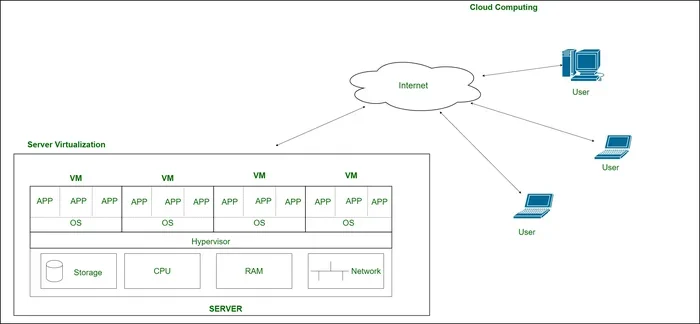
Cybersecurity with cloud computing online refers to the set of tools, policies, and practices used to protect data and applications that live in the cloud. Unlike traditional IT setups, where your data sits on servers inside your office, cloud computing stores your information on remote servers managed by cloud providers like Amazon Web Services, Microsoft Azure, and Google Cloud.
The goal of cloud security is simple: keep unauthorized people from accessing your data. It also ensures that your systems stay up and running, even when under attack. Online security in the cloud involves many layers, from encryption to access controls to real-time monitoring.
How Does Cloud Security Work?
Cloud security works by combining several protective measures. Each layer adds a shield around your data. Here are the core components:
- Encryption: This scrambles your data so only authorized users can read it. Even if a hacker gets hold of your files, they cannot make sense of them.
- Identity and Access Management (IAM): This controls who can log in and what they can do. It uses multi-factor authentication to verify user identities.
- Network Security: Firewalls and virtual private networks (VPNs) protect the pathways your data travels through.
- Threat Detection: Automated tools scan for suspicious activity and alert your team in real time.
- Compliance Monitoring: These tools make sure your cloud setup follows industry rules like GDPR, HIPAA, and PCI-DSS.
Together, these layers create a defense-in-depth approach. No single tool does everything. But when combined, they form a strong security operations center that keeps your cloud environment safe around the clock.
Why Cloud Security Matters More Than Ever
The shift to cloud computing has been massive. In 2024, over 90% of businesses use some form of cloud services. This rapid cloud migration has brought incredible benefits — lower costs, faster scaling, and better flexibility. But it has also opened the door to new risks.
Cybercriminals know that cloud systems hold valuable data. They target these systems because they often contain weak spots. A single data breach can cost a company millions of dollars. Beyond money, breaches damage trust. Customers lose faith in businesses that cannot protect their information.
The Rising Cost of Data Breaches
According to recent reports, the average cost of a data breach in 2024 exceeded $4.8 million. For small businesses, this number can be devastating. Many small companies close their doors within six months of a serious breach.
The financial impact goes beyond immediate losses. Companies also face legal fees, regulatory fines, and long-term reputational damage. Investing in cloud security is not just a tech decision — it is a business survival strategy.
Compliance and Legal Requirements
Governments around the world have introduced strict data protection laws. The EU’s General Data Protection Regulation (GDPR) and the California Consumer Privacy Act (CCPA) are two major examples. These laws require businesses to take data protection seriously.
If you fail to meet compliance standards, you can face heavy fines. In some cases, executives can even face personal liability. That is why cybersecurity with cloud computing online is not just an IT issue — it is a legal and business priority.
Common Cyber Threats in the Cloud
Understanding the threats is the first step to defending against them. The cloud threat landscape changes constantly, but some dangers remain very common. Here are the top threats you should know about.
Phishing Attacks
Phishing is still one of the most common ways hackers gain access to cloud systems. Attackers send fake emails that look legitimate. When an employee clicks a malicious link, the hacker gets a foothold in the network.
Phishing attacks often lead to stolen login credentials. Once inside, hackers can access sensitive data stored in the cloud. Security awareness training is the best defense against this threat.
Misconfigured Cloud Settings
One of the biggest causes of cloud breaches is simple human error. Many companies leave default settings unchanged. They forget to set proper access controls or leave storage buckets open to the public.
These misconfigurations create easy entry points for attackers. A single open storage bucket can expose millions of records. Regular vulnerability assessment helps catch these mistakes before they cause damage.
Insider Threats
Not all threats come from outside. Sometimes, the danger comes from within the organization. Disgruntled employees or careless staff can accidentally or intentionally expose sensitive data.
Limiting access based on roles and monitoring user activity are key steps in reducing insider risks. A strong identity management system ensures that each person only has access to what they need.
Ransomware in the Cloud
Ransomware attacks have grown sharply in recent years. Hackers encrypt your data and demand payment to restore access. When your data lives in the cloud, a ransomware attack can shut down your entire business.
Regular backups and a solid incident response plan are essential defenses. If you have clean backups stored separately, you can recover without paying the ransom.
Best Practices for Securing Your Cloud Environment
Now that you know the threats, let us talk about what you can do. Following proven cloud security best practices dramatically reduces your risk. These steps are practical and effective for businesses of all sizes.
1. Enable Multi-Factor Authentication
Multi-factor authentication (MFA) adds a second layer of verification beyond just a password. Even if a hacker steals your password, they cannot log in without the second factor. This simple step blocks a huge percentage of attacks.
Most cloud providers offer built-in MFA tools. Turn it on for every user account, especially those with admin access. It takes five minutes to set up and can save your business from a catastrophic breach.
2. Encrypt Your Data
Encryption transforms your data into unreadable code. Only people with the correct decryption key can access it. You should encrypt data both at rest (stored in the cloud) and in transit (moving between systems).
Most major cloud platforms offer built-in encryption options. Make sure they are turned on. This is one of the easiest and most powerful steps in cloud security.
3. Conduct Regular Security Audits
A security audit reviews your entire cloud setup for weaknesses. It checks your access controls, configurations, and compliance with standards. Regular audits help you catch problems before hackers do.
Set a schedule — monthly or quarterly — and stick to it. Use automated tools where possible to save time and reduce human error. Think of audits as routine checkups for your cloud environment.
4. Train Your Team
Your employees are your first line of defense — and your biggest vulnerability. Most data breaches involve some form of human error. A well-trained team is far less likely to fall for phishing scams or make dangerous configuration mistakes.
Run regular security awareness sessions. Keep them short and practical. Teach your team how to spot suspicious emails, how to create strong passwords, and how to report potential threats.
5. Implement a Zero Trust Model
Zero trust architecture is a security approach that assumes no one is trustworthy by default. Every user and device must verify its identity before accessing any resource. This model has become the gold standard in cloud security.
With zero trust, even if a hacker gets inside your network, they cannot move freely. Each access request is checked independently. This limits the damage an attacker can do and gives you much stronger control.
6. Maintain Regular Backups
Backups are your safety net. If your data is corrupted, encrypted by ransomware, or accidentally deleted, backups let you recover quickly. Store backups in a separate location from your primary cloud environment.
Test your backups regularly. A backup that has not been tested is not a backup — it is a guess. Make recovery testing part of your routine security process.
Quick Tips for Stronger Cloud Security
- Use strong, unique passwords for every account.
- Limit admin access to only those who truly need it.
- Monitor login activity for unusual patterns.
- Keep all software and systems updated.
- Use a dedicated security operations center or managed detection service.
- Review and update your incident response plan at least twice a year.
Choosing the Right Cloud Security Tools
The market is full of cloud security tools, and choosing the right ones can feel overwhelming. The best tool depends on your business size, budget, and specific needs. Here is a closer look at some of the top options available.
Comparison of Popular Cloud Security Platforms
| Tool | Best For | Key Feature | Pricing |
|---|---|---|---|
| AWS Security Hub | Amazon cloud users | Centralized threat detection | Included with AWS |
| Microsoft Defender for Cloud | Azure and hybrid environments | Built-in compliance checks | Pay-as-you-go |
| Cloudflare | Website and app protection | DDoS mitigation and WAF | Free tier available |
| Zscaler | Secure remote access | Zero trust network access | Subscription-based |
| CrowdStrike | Advanced threat detection | AI-powered endpoint security | Custom pricing |
What to Look for in a Cloud Security Tool
When evaluating cloud security tools, focus on these key factors:
- Ease of use: The tool should be simple to set up and manage, even for non-technical teams.
- Integration: It should work smoothly with your existing cloud platform and tools.
- Real-time alerts: Fast threat detection is essential. Look for tools that notify you immediately.
- Scalability: As your business grows, your security tools should grow with you.
- Reporting: Strong dashboards and reports help you track your security posture over time.
Common Mistakes in Cloud Security
Even well-intentioned businesses make mistakes when securing their cloud environments. Here are the most common ones to avoid:
- Assuming the cloud provider handles everything: Most cloud providers follow a shared responsibility model. You are still responsible for securing your data and access settings.
- Ignoring updates and patches: Outdated software is one of the easiest targets for hackers. Always apply security updates promptly.
- Overlooking small accounts: Hackers often target low-privilege accounts because they are less monitored. Secure every account, not just the admin ones.
- Skipping backups: No backup strategy means no recovery plan. Always have a tested backup in place.
- Not training employees: Technology alone cannot protect you. Your team needs to understand the risks and how to avoid them.
The Future of Cybersecurity with Cloud Computing Online
The world of cybersecurity with cloud computing online is constantly evolving. New technologies are making cloud security stronger, but they are also creating new challenges. Here is what the future looks like.
AI-Powered Security
Artificial intelligence is transforming how we detect and respond to threats. AI tools can analyze massive amounts of data in real time. They spot patterns that humans might miss and respond to attacks faster than ever before.
Many cloud providers are already building AI into their security platforms. Expect this trend to accelerate in the coming years. AI will make threat detection smarter and more automated.
Increased Focus on Privacy
As data privacy laws become stricter, businesses will need stronger data protection measures. Privacy-by-design is becoming a standard approach in cloud architecture. Companies that prioritize privacy will have a competitive advantage.
Growth of the Zero Trust Market
Zero trust architecture is no longer just a buzzword. It is becoming the standard for enterprise cloud security. More businesses are adopting zero trust models to protect their cloud environments from advanced threats.
The global zero trust market is expected to grow significantly over the next five years. This shift reflects a broader understanding that no user or device should be trusted by default.
Quantum Computing and Encryption
Quantum computing poses a future threat to current encryption methods. While still in its early stages, quantum computers could eventually break today’s encryption standards. Cloud providers are already working on quantum-resistant encryption to stay ahead of this challenge.
For most businesses today, this is a long-term concern. But staying informed helps you plan for the future of online security.
Expert Insights on Cloud Security
We spoke with several IT security professionals about the biggest challenges in cloud security today. Here are their top insights:
“The biggest mistake we see is businesses treating cloud security as someone else’s problem. The truth is, you own your data — and you are responsible for protecting it, even when it lives in the cloud.” — Sarah Mitchell, Cloud Security Consultant
“Start with the basics. MFA, encryption, and regular audits will protect you from the vast majority of attacks. You do not need the most expensive tools. You need the right foundation.” — James Rivera, IT Director at TechSafe Solutions
“Invest in your people. Technology is only as strong as the team using it. Regular training and clear security policies make a huge difference.” — Dr. Lin Wei, Cybersecurity Researcher
These experts agree on one thing: cybersecurity with cloud computing online is a shared responsibility. The right tools matter, but so does the culture you build around security.
Conclusion
Cybersecurity with cloud computing online is no longer a topic for large enterprises only. Every business that uses the cloud needs to take security seriously. The threats are real, the costs of breaches are high, and the stakes keep rising.
The good news is that you do not need a massive budget to get started. Basic steps like enabling MFA, encrypting your data, training your team, and conducting regular audits can make a huge difference. These practices form the foundation of a strong cloud security strategy.
As cyber threats continue to evolve, staying informed and proactive is your best defense. Keep learning, keep updating your tools, and keep your team involved. Online security is not a one-time project — it is an ongoing commitment.
Start today. Review your current cloud setup, identify your biggest risks, and take action. Your data, your customers, and your business depend on it.
Frequently Asked Questions
What is cybersecurity with cloud computing online?
Cybersecurity with cloud computing online refers to the practices, tools, and policies used to protect data, applications, and systems that are hosted in the cloud. It includes encryption, access controls, threat detection, and compliance monitoring to keep your cloud environment safe from digital attacks.
Why is cloud security important for small businesses?
Small businesses are often targeted by hackers because they typically have weaker security measures. A single data breach can cost a small business its reputation and even its survival. Investing in cloud security helps protect sensitive data and builds trust with your customers.
What are the most common cloud security threats?
The most common threats include phishing attacks, misconfigured cloud settings, insider threats, and ransomware. Many of these can be prevented with basic security practices like MFA, encryption, regular audits, and employee training.
Do cloud providers handle all security for me?
No. Most cloud providers follow a shared responsibility model. They secure the infrastructure, but you are responsible for securing your data, access settings, and configurations. Understanding this distinction is key to a strong cloud security strategy.
How can I improve my cloud security right now?
Start by enabling multi-factor authentication on all accounts, encrypting your data, conducting a vulnerability assessment, and training your team on security basics. These simple steps dramatically reduce your risk of a data breach.
What is zero trust architecture in cloud security?
Zero trust architecture is a security model that assumes no user or device is trustworthy by default. Every access request is verified independently, regardless of where it comes from. This approach limits the damage of a breach and gives you stronger control over your cloud environment.
=== SEO TITLE ===
Cybersecurity with Cloud Computing Online Explained
=== META TITLE ===
Cybersecurity with Cloud Computing Online Explained
=== URL SLUG ===
cybersecurity-cloud-computing-online-explained