Data Governance in Cloud Computing for Business Success
Data governance in cloud computing is the foundation of smart business strategy. It ensures your data stays secure, compliant, and valuable. This guide covers frameworks, tools, and practical steps to protect your cloud assets. You will learn how strong data policies boost trust and growth. Use these insights to build a rock-solid governance plan.
Key Takeaways
- Clear Rules Matter: Strong data governance in cloud computing sets clear rules for how data is stored, used, and shared.
- Compliance Is Non-Negotiable: Frameworks like GDPR and HIPAA help businesses meet legal requirements and avoid heavy fines.
- Security Starts with Access Control: Limiting who can see or edit data prevents breaches and insider threats.
- Data Quality Drives Decisions: Clean, accurate data leads to better business choices and happier customers.
- Tools Automate the Heavy Lifting: Modern platforms make governance easier, faster, and more reliable.
- Governance Is an Ongoing Process: Regular reviews and updates keep your policies effective as threats and laws evolve.
📑 Table of Contents
- What Is Data Governance in Cloud Computing?
- Why Data Governance Matters for Your Business
- Core Principles of Cloud Data Governance
- Building a Data Governance Framework for the Cloud
- Common Mistakes in Cloud Data Governance
- Tools and Technologies That Support Governance
- Expert Insights on Cloud Governance
- Conclusion
What Is Data Governance in Cloud Computing?
Let us start with the basics. Data governance in cloud computing means managing the availability, usability, integrity, and security of data in cloud environments. It is a set of rules and processes that tell your team how to handle data every single day.
Think of it like a rulebook for your digital information. Who can access customer records? Where should financial data be stored? How long do you keep old logs? These questions all fall under governance. Without it, your cloud data becomes a messy, risky, and costly problem.
Cloud platforms like AWS, Microsoft Azure, and Google Cloud offer powerful tools. But power without direction leads to chaos. Governance gives your business the direction it needs. It turns raw data into a strategic asset you can trust.
Today, most companies run at least some workloads in the cloud. That makes governance not optional but essential. Whether you are a startup or a Fortune 500 company, your data deserves structure and protection.
Let us explore why this matters so much for business success.
Why Data Governance Matters for Your Business
You might wonder why governance deserves so much attention. The answer is simple. Poor data management leads to real business damage. Let us look at the big reasons governance deserves your time and resources.
1. Protecting Sensitive Information
Data breaches cost businesses millions every year. Customer trust drops overnight after a breach. Strong governance sets up layers of protection. It ensures only authorized people can view sensitive records. This includes personal details, payment info, and health data.
When you govern data properly, you reduce the chance of leaks. You also limit the damage if something does go wrong. Quick response plans become part of the governance structure.
2. Meeting Legal and Regulatory Requirements
Laws around data privacy keep getting stricter. Regulations like GDPR in Europe and CCPA in California demand careful handling of personal data. If you fail to comply, the fines can be enormous.
Governance frameworks help you stay compliant. They create audit trails and documentation that regulators love. You can prove your business follows the rules when asked.
3. Improving Decision-Making
Good governance ensures your data is accurate and consistent. When leaders trust the data, they make better choices. Bad data leads to bad decisions, and that costs money. Clean, well-managed data gives you a real competitive edge.
4. Saving Money in the Long Run
Messy data costs businesses a lot. Duplicates, errors, and redundancies waste storage and time. Governance cuts down on these wastes. It also reduces the risk of expensive breach-related costs.
Core Principles of Cloud Data Governance
Every strong governance program rests on a few core ideas. These principles guide your policies and daily operations. Let us walk through them.
Data Ownership and Accountability
Someone must own every piece of important data. This person or team is responsible for its quality and security. They answer questions about who can access it and how it is used. Without clear ownership, data falls through the cracks.
Data Classification
Not all data is equal. You need to classify it by sensitivity level. Common categories include public, internal, confidential, and restricted. Each level gets different protection rules. This approach keeps your efforts focused where they matter most.
Data Quality and Consistency
Governance demands high data quality. That means no duplicates, no missing values, and no outdated records. You set standards and monitor them regularly. Clean data builds confidence across your entire organization.
Lifecycle Management
Data has a life. It is created, used, stored, archived, and eventually deleted. Governance defines what happens at each stage. You set retention periods and deletion schedules. This keeps your cloud storage lean and organized.
Access Control and Security
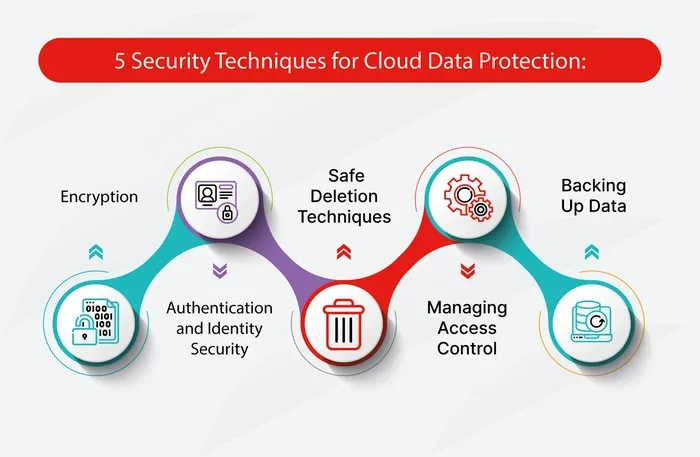
Not everyone needs access to everything. Role-based access control limits permissions to only what each person needs. Multi-factor authentication adds another layer of safety. These steps prevent unauthorized access and insider threats.
Building a Data Governance Framework for the Cloud
Now let us get practical. How do you actually build a governance framework? Here is a step-by-step approach you can follow.
Step 1: Assess Your Current State
Start by understanding where you are today. What data do you have in the cloud? Where is it stored? Who has access? Run a full data audit. This gives you a clear picture of your strengths and gaps.
Use tools that scan your cloud environment. They can find shadow data and unmanaged storage buckets. Shadow data is a hidden risk that many businesses overlook.
Step 2: Define Your Goals
What do you want from governance? Better compliance? Faster decisions? Reduced breach risk? Write down clear goals. These goals will shape your policies and tool choices.
Step 3: Create Policies and Standards
Policies are the written rules everyone follows. They cover access, classification, retention, and sharing. Make them clear and easy to understand. Avoid jargon so every team member can follow them.
Step 4: Choose the Right Tools
Many platforms support governance in the cloud. Look for tools that offer data cataloging, lineage tracking, and monitoring. Popular options include AWS Lake Formation, Azure Purview, and Google Dataplex. Pick tools that fit your budget and needs.
Step 5: Assign Roles and Train Teams
Governance works only when people follow it. Assign roles like data stewards and compliance officers. Then train your teams on the policies. Regular training keeps governance top of mind.
Step 6: Monitor, Audit, and Improve
Governance is not a one-time project. Set up regular audits to check compliance. Use dashboards to track data quality metrics. Update your policies as your business and the threat landscape change.
Common Mistakes in Cloud Data Governance
Even well-intentioned companies make governance mistakes. Knowing these pitfalls helps you avoid them.
Treating Governance as an IT-Only Job
Governance is not just for the IT team. Every department handles data in some way. Marketing, finance, HR, and sales all play a role. Involve stakeholders from across the business early on.
Ignoring Data Quality from the Start
Many teams focus on security but forget about quality. Bad data still causes problems even if it is secure. Build quality checks into your governance process from day one.
Overcomplicating the Framework
A governance framework should be practical. If it is too complex, people will ignore it. Start simple and expand over time. You can always add more rules later.
Neglecting Ongoing Maintenance
Setting up governance is only half the battle. Without regular updates, your policies become outdated. Threats change, new regulations appear, and your business grows. Keep your framework alive and relevant.
Tools and Technologies That Support Governance
The right tools make governance much easier. They automate tasks and give you visibility into your data landscape.
Data Cataloging Tools
Cataloging tools help you find and organize all your data assets. They create a searchable inventory of what exists in your cloud. This is the first step in any governance effort.
Data Lineage and Metadata Tools
Lineage tools show where data came from and how it changed over time. Metadata tools describe the context of each dataset. Together, they give you full transparency into your data flows.
Security and Compliance Platforms
These platforms monitor access, detect threats, and generate compliance reports. They alert you to suspicious activity in real time. Many also automate compliance checks so you do not have to do them manually.
Data Quality and Master Data Management
Quality tools scan for errors, duplicates, and inconsistencies. Master data management creates a single source of truth for critical data. These tools ensure your team always works with reliable information.
Expert Insights on Cloud Governance
Industry leaders agree that governance is a top priority. According to recent surveys, most organizations now see data as a core business asset. The companies that invest in governance early gain a significant advantage.
Experts recommend starting small and scaling up. Pick one high-impact area, like customer data, and build governance around it first. Then expand to other data domains. This approach builds momentum and shows quick wins.
Another key insight is to align governance with business goals. Governance should not exist in a vacuum. Tie your policies to real business outcomes like revenue growth, customer satisfaction, or risk reduction. This keeps the program focused and funded.
Finally, do not underestimate the power of culture. Governance succeeds when people understand why it matters. Communicate the benefits clearly. Celebrate wins. When governance becomes part of your company culture, it sticks.
Conclusion
Data governance in cloud computing is not just a technical exercise. It is a business strategy that protects your assets, builds trust, and drives growth. From setting clear policies to choosing the right tools, every step counts. Start by assessing your current state and defining clear goals. Involve teams across your organization and keep your framework simple and practical.
Avoid the common mistakes that trip up so many businesses. Focus on both security and data quality. Keep your governance program alive with regular audits and updates. The cloud offers incredible opportunities, but those opportunities come with responsibility.
Take action today. Build a governance plan that works for your business. Your data is too valuable to leave unprotected. Strong governance today means a safer, smarter, and more successful tomorrow.
Frequently Asked Questions
What is data governance in cloud computing?
Data governance in cloud computing refers to the policies, processes, and tools that manage how data is stored, accessed, and protected in cloud environments. It ensures data remains secure, compliant, and useful for business decisions.
Why is cloud data governance important for small businesses?
Small businesses face the same data risks as large companies. Governance helps protect customer information, meet legal requirements, and make better decisions. It also saves money by reducing data errors and storage waste.
What are the key components of a cloud data governance framework?
A strong framework includes data ownership, classification, quality standards, access controls, lifecycle management, and regular audits. These components work together to keep your cloud data organized and safe.
How does data governance help with regulatory compliance?
Governance creates clear rules for handling sensitive data. It builds audit trails and documentation that prove compliance with laws like GDPR and HIPAA. This reduces the risk of fines and legal issues.
What tools are best for cloud data governance?
Popular tools include AWS Lake Formation, Azure Purview, Google Dataplex, and Collibra. The best choice depends on your cloud platform, budget, and specific governance needs. Look for features like cataloging, lineage tracking, and compliance monitoring.
How often should a cloud governance policy be reviewed?
Review your governance policy at least once a year. However, you should also update it whenever there are major changes to your cloud setup, new regulations, or emerging security threats. Regular reviews keep your framework effective and current.