Azure Cloud Computing Course and Why You Should Take It
An azure cloud computing course teaches you the core skills needed to work with Microsoft Azure, one of the top cloud platforms in the world. Whether you are a beginner or an IT pro, these courses cover everything from cloud basics to advanced Azure solutions. Earning an Azure certification can boost your salary, open new job opportunities, and make you stand out in the competitive tech industry.
The world of technology is moving fast, and azure cloud computing course options are everywhere. But why should you care? Simple. Cloud computing powers the apps you use every day. From streaming services to banking apps, the cloud runs it all. And Microsoft Azure sits right at the top of the cloud platform market.
If you have ever thought about starting a career in tech or leveling up your current one, an azure cloud computing course is one of the smartest moves you can make. These courses teach you real skills that companies need today. They also help you earn certifications that hiring managers look for. Let us dive into everything you need to know about azure cloud computing training and why it is worth your time.
Key Takeaways
- Azure cloud computing courses cover essential skills like virtual machines, storage, networking, and Azure portal navigation.
- Microsoft offers multiple certification paths, from beginner-level AZ-900 to expert-level AZ-700, so you can grow at your own pace.
- Completing an azure cloud computing course can lead to higher-paying roles like cloud architect, Azure administrator, and DevOps engineer.
- Hands-on labs and real-world projects make learning Azure practical and job-ready.
- You do not need prior cloud experience to start, making these courses accessible to complete beginners.
- The demand for Azure-skilled professionals continues to grow as more companies migrate to the cloud.
- Free and affordable learning options exist, including Microsoft Learn, online platforms, and instructor-led training.
📑 Table of Contents
- What Is an Azure Cloud Computing Course?
- Why Azure Cloud Computing Skills Are in High Demand
- Top Azure Certifications and What They Cover
- What You Will Learn in an Azure Cloud Computing Course
- How to Get the Most Out of Your Azure Cloud Computing Course
- Common Mistakes to Avoid When Learning Azure
- Career Opportunities After Completing an Azure Course
- Free vs Paid Azure Cloud Computing Courses
- Final Thoughts
What Is an Azure Cloud Computing Course?
An azure cloud computing course is a structured learning program that teaches you how to use Microsoft Azure. Azure is a cloud computing service built by Microsoft. It lets businesses build, manage, and deploy applications through Microsoft-managed data centers around the world.
These courses cover a wide range of topics. You will learn about cloud computing basics, virtual machines, storage solutions, networking, and security. Some courses focus on Azure fundamentals, while others go deep into specialized areas like Azure DevOps or cloud architecture.
Most courses include hands-on labs. This means you get to practice what you learn in a real Azure environment. That hands-on experience is incredibly valuable. It bridges the gap between theory and real-world application.
You can find azure cloud computing courses in many formats. There are self-paced online classes, instructor-led bootcamps, and even free learning paths through Microsoft Learn. Whether you have ten hours or ten weeks, there is a course that fits your schedule.
Who Should Take an Azure Cloud Computing Course?
Anyone can benefit from an azure cloud computing course. Here are some examples of who should consider enrolling:
- IT beginners: If you are new to technology, an Azure fundamentals course is a great starting point.
- Current IT professionals: System administrators, developers, and network engineers can expand their skill set.
- Career changers: Looking to break into tech? Cloud computing training opens many doors.
- Students: College students studying computer science can gain a huge advantage with Azure skills.
- Business leaders: Even non-technical managers benefit from understanding cloud services and cloud architecture.
Why Azure Cloud Computing Skills Are in High Demand
The demand for cloud professionals has been growing for years, and it shows no signs of slowing down. Companies of all sizes are moving their operations to the cloud. They need people who can manage, secure, and optimize their cloud services. And Azure is one of the most popular platforms for this.
Here is why azure cloud computing skills matter so much right now:
- Enterprise adoption: Fortune 500 companies rely on Azure for their cloud infrastructure. They need certified professionals to manage it.
- Competitive salaries: Roles that require Azure certification often pay significantly more than non-cloud IT roles.
- Job variety: You can pursue roles like Azure administrator, cloud engineer, solutions architect, or DevOps specialist.
- Future-proofing: Cloud technology is not a trend. It is the foundation of modern computing. Investing in these skills protects your career long-term.
- Global opportunities: Azure is used worldwide, so your skills transfer across countries and industries.
According to recent industry reports, cloud computing jobs are among the fastest-growing in the tech sector. Learning Azure puts you directly in line for these opportunities.
Top Azure Certifications and What They Cover
Microsoft offers a clear path of certifications for Azure learners. Each certification validates a specific set of skills. Here is a breakdown of the most popular ones you will encounter in an azure cloud computing course.
| Certification | Level | Focus Area |
|---|---|---|
| AZ-900 Azure Fundamentals | Beginner | Basic cloud concepts and Azure services |
| AZ-104 Azure Administrator | Associate | Managing Azure subscriptions, storage, and networking |
| AZ-204 Azure Developer | Associate | Developing and deploying Azure solutions |
| AZ-305 Azure Solutions Architect | Expert | Designing scalable and secure cloud solutions |
| AZ-400 DevOps Engineer Expert | Expert | CI/CD pipelines, automation, and monitoring |
Most learners start with the AZ-900 Azure Fundamentals exam. It does not require any prior experience. It simply tests your understanding of cloud computing basics and core Azure services. After that, you can choose a path based on your career goals.
If you want to manage infrastructure, aim for the AZ-104 Azure Administrator exam. If you prefer building applications, the AZ-204 Azure Developer path is your best bet. For those who design large-scale systems, the AZ-305 Solutions Architect certification is the gold standard.
How to Choose the Right Certification Path
Choosing the right path depends on your current skill level and career goals. Ask yourself a few questions:
- Do I have any prior experience with cloud platforms?
- What is my dream job title in the cloud space?
- How much time can I dedicate to studying each week?
- Do I prefer hands-on labs or lecture-based learning?
Your answers will guide you toward the right azure cloud computing course and certification. Starting with AZ-900 is almost always a smart first step, even if you have some technical background.
What You Will Learn in an Azure Cloud Computing Course
A quality azure cloud computing course covers a lot of ground. Here is what you can typically expect to learn:
Cloud Computing Fundamentals
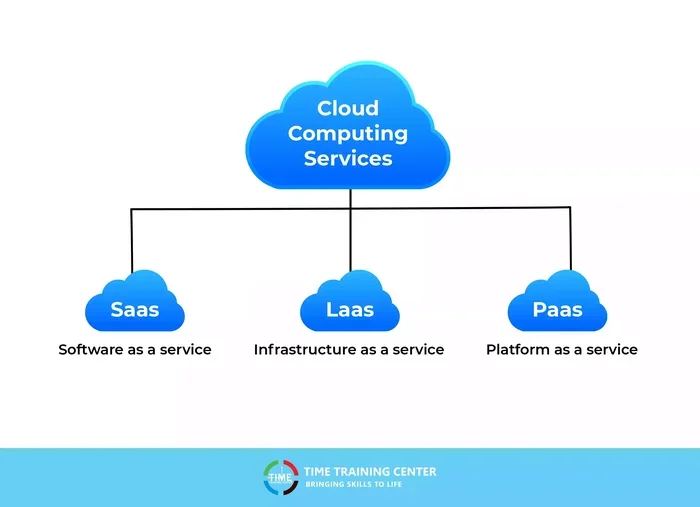
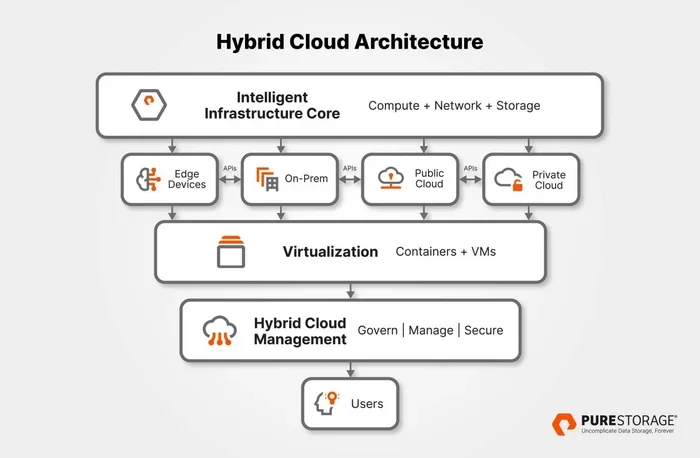
Every good course starts with the basics. You will learn about the different types of cloud models: public, private, and hybrid cloud. You will also understand the key benefits of cloud computing, such as scalability, cost savings, and flexibility. These cloud computing basics form the foundation for everything else you will learn.
Azure Portal and Core Services
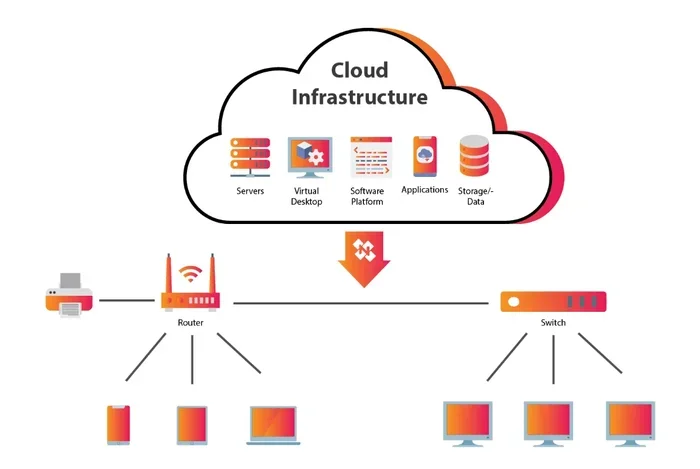
You will get comfortable navigating the Azure portal. This is the web-based interface where you manage all your Azure resources. You will also explore core Azure services like virtual machines, Azure Active Directory, and Azure storage accounts. These are the building blocks of any Azure solution.
Networking and Security
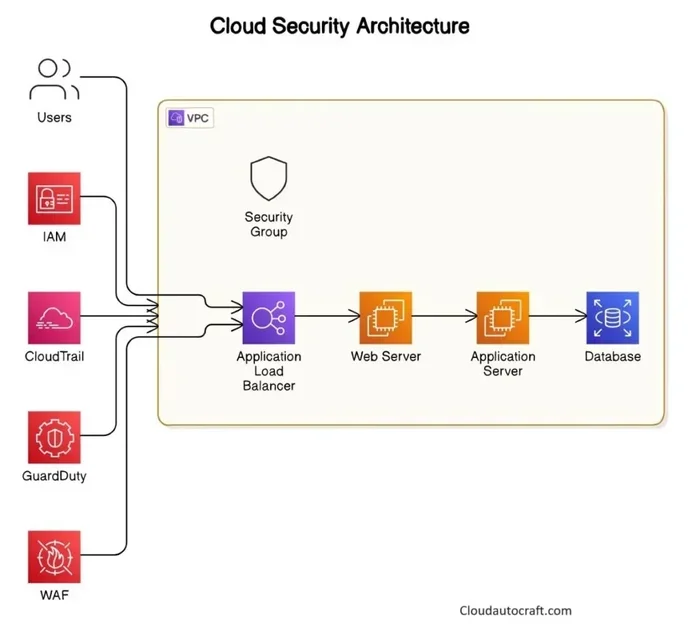
Security is a huge part of cloud computing. Courses teach you how to set up Azure networking, configure virtual networks, and manage network security groups. You will also learn about identity management, access control, and threat protection. These skills are critical for any cloud computing career.
Storage and Databases
You will learn how to work with different types of Azure storage, including blob storage, file storage, and disk storage. Many courses also cover Azure SQL Database and Cosmos DB. Understanding how to store and retrieve data efficiently is essential for any cloud role.
Automation and DevOps
Advanced courses introduce Azure DevOps concepts. You will learn about continuous integration and continuous deployment (CI/CD). You will also explore tools like Azure Pipelines and Azure Repos. Automation skills are highly valued in the cloud industry.
How to Get the Most Out of Your Azure Cloud Computing Course
Taking a course is one thing. Getting real value from it is another. Here are some practical tips to make sure you get the most out of your azure cloud computing training.
Set Clear Goals
Before you start, decide what you want to achieve. Do you want to pass a specific certification exam? Do you want to build a portfolio project? Having clear goals keeps you motivated and focused throughout the course.
Practice Every Day
Cloud computing is a hands-on field. Reading alone will not cut it. Spend time in the Azure portal every day. Create virtual machines, set up storage accounts, and experiment with different Azure services. The more you practice, the more confident you will become.
Join a Study Group
Learning with others can be incredibly helpful. Join online forums, Reddit communities, or local meetups focused on cloud computing training. You can share tips, ask questions, and stay accountable.
Use Free Resources
Microsoft Learn offers free, high-quality content for all Azure certifications. You can also find free trials of Azure through the Microsoft Azure free account. These resources let you practice without spending any money.
Build a Portfolio Project
Employers love to see practical experience. Build a small project during your course. It could be a simple web app hosted on Azure or a automated deployment pipeline. A portfolio project shows that you can apply what you have learned in a real-world azure cloud computing course scenario.
Common Mistakes to Avoid When Learning Azure
Many learners make avoidable mistakes when starting their azure cloud computing course journey. Here are some pitfalls to watch out for:
- Skipping the fundamentals: Jumping straight into advanced topics without understanding cloud computing basics will slow you down. Always start with AZ-900 or an equivalent beginner course.
- Not enough hands-on practice: Watching videos is not enough. You must get into the Azure portal and build things yourself.
- Ignoring exam objectives: Each certification has specific exam objectives. Make sure your study plan covers all of them before you book the test.
- Rushing the process: Cloud computing training takes time. Give yourself enough time to absorb the material and practice thoroughly.
- Skipping practice exams: Practice tests are one of the best ways to prepare. They help you identify weak areas and build test-taking confidence.
Avoiding these mistakes will save you time, money, and frustration. A steady, consistent approach works best for azure cloud computing course success.
Career Opportunities After Completing an Azure Course
Completing an azure cloud computing course opens up a world of career possibilities. Here are some of the most in-demand roles you can pursue:
- Azure Administrator: Manages Azure subscriptions, monitors resources, and ensures system uptime.
- Cloud Solutions Architect: Designs comprehensive cloud solutions that meet business needs.
- Azure Developer: Builds and deploys applications using Azure services and tools.
- DevOps Engineer: Automates deployment pipelines and manages CI/CD workflows.
- Cloud Security Engineer: Protects cloud environments from threats and ensures compliance.
- Cloud Consultant: Advises organizations on cloud migration and cloud architecture strategies.
These roles are available across almost every industry. Healthcare, finance, retail, education, and government organizations all use Azure. This means you have flexibility in choosing where and how you want to work.
Salaries for Azure professionals are also very competitive. According to industry data, Azure-certified professionals often earn 15 to 25 percent more than their non-certified peers. That is a strong incentive to invest in your cloud computing skills.
Free vs Paid Azure Cloud Computing Courses
You might be wondering whether you should invest in a paid course or stick with free options. Both have their merits.
Free options like Microsoft Learn are excellent for getting started. They offer structured learning paths, interactive modules, and sandbox environments. If you are on a tight budget, free resources can take you a long way, especially for the AZ-900 certification.
Paid courses often provide more depth, instructor support, and practice exams. Platforms like Udemy, Pluralsight, and A Cloud Guru offer comprehensive azure cloud computing course bundles. Many also include lab environments where you can practice without risking real resources.
The best approach is often a combination. Use free resources to learn the basics, then invest in a paid course when you are ready to deep-dive into a specific certification path. This strategy keeps costs low while maximizing learning quality.
Final Thoughts
An azure cloud computing course is one of the best investments you can make in your professional future. Whether you are just starting out or looking to advance in your current role, Azure skills are incredibly valuable. The cloud computing industry is booming, and Azure is leading the charge.
Start with the fundamentals. Pick a certification path that aligns with your goals. Practice consistently. And do not be afraid to experiment in the Azure portal. The more you engage with the platform, the more confident and skilled you will become.
The tech world is moving to the cloud, and Azure is at the heart of that shift. Taking an azure cloud computing course today positions you for success tomorrow. So take the first step, commit to your learning, and watch your career transform.
Frequently Asked Questions
What is the best azure cloud computing course for beginners?
The AZ-900 Azure Fundamentals course is the best starting point for beginners. It covers basic cloud concepts and does not require any prior experience. Microsoft Learn offers this course for free, making it an excellent first step into the world of cloud computing.
How long does it take to complete an azure cloud computing course?
The duration depends on the course level and your schedule. A beginner course like AZ-900 can be completed in two to four weeks with part-time study. More advanced certifications like AZ-305 may take two to three months of dedicated preparation.
Do I need a technical background to take an azure cloud computing course?
No, you do not. Many azure cloud computing courses are designed for complete beginners. The AZ-900 certification, for example, assumes no prior technical knowledge. If you are willing to learn and practice, you can succeed regardless of your background.
How much can I earn with Azure certification?
Azure-certified professionals typically earn between 15 and 25 percent more than non-certified IT workers. Salaries vary by role, location, and experience. Roles like Azure Administrator and Cloud Solutions Architect tend to offer the highest compensation.
Is Microsoft Azure better than AWS or Google Cloud?
Each cloud platform has its strengths. Azure excels in enterprise integration, hybrid cloud solutions, and Microsoft ecosystem compatibility. The best choice depends on your career goals and the type of organizations you want to work with. Learning Azure is a smart choice regardless, as it holds a strong position in the cloud market.
Can I take an azure cloud computing course online?
Absolutely. Most azure cloud computing courses are available online through platforms like Microsoft Learn, Udemy, and A Cloud Guru. Online courses offer flexibility, allowing you to learn at your own pace from anywhere in the world.
=== CONCLUSION ===
An azure cloud computing course is more than just a learning program. It is a career accelerator. It gives you the skills, knowledge, and credentials that employers actively seek in today’s job market. From cloud computing basics to advanced Azure DevOps, these courses cover everything you need to succeed.
The demand for Azure professionals continues to grow, and the opportunities are vast. Whether you choose to become an Azure administrator, a cloud architect, or a DevOps engineer, the path starts with the right course. So take action today. Explore your options, pick a course that fits your goals, and begin your journey into the world of azure cloud computing. Your future self will thank you.