Service Oriented Architecture in Cloud Computing Explained
Service oriented architecture in cloud computing is a design approach that breaks applications into small, reusable services. It helps businesses scale faster, integrate systems easily, and reduce costs. This guide covers everything you need to know about SOA in the cloud, from core principles to real-world examples.
Service oriented architecture in cloud computing has transformed how modern applications are built and deployed. If you have ever wondered how big tech companies manage thousands of services running smoothly, the answer often lies in SOA. This architectural approach splits large software systems into smaller, independent services that communicate over a network.
In simple terms, service oriented architecture treats each function of an application as a separate service. These services can be developed, deployed, and scaled independently. When combined with cloud computing, this approach becomes even more powerful. The cloud provides the infrastructure, while SOA provides the design blueprint.
This article will walk you through everything you need to know. We will cover the core principles, benefits, challenges, and real-world examples. By the end, you will understand why service oriented architecture in cloud computing is a game-changer for businesses of all sizes.
Key Takeaways
- SOA in cloud computing enables modular, reusable services that improve system flexibility.
- Key principles include loose coupling, service reusability, and clear service contracts.
- SOA offers major benefits like scalability, cost savings, and faster time to market.
- Microservices evolved from SOA but differ in scope, granularity, and deployment style.
- Successful SOA implementation requires proper planning, governance, and the right tools.
- Common challenges include service sprawl, security risks, and complexity management.
- Real-world companies use service oriented architecture to power their cloud-native apps.
📑 Table of Contents
- What Is Service Oriented Architecture in Cloud Computing?
- Key Principles of SOA in the Cloud
- Benefits of Using SOA in Cloud Computing
- SOA vs Microservices: Understanding the Difference
- How to Implement Service Oriented Architecture in the Cloud
- Common Challenges of SOA in the Cloud
- Real-World Examples of SOA in Cloud Computing
- Best Practices for SOA in the Cloud
- Conclusion
What Is Service Oriented Architecture in Cloud Computing?
Service oriented architecture in cloud computing is a method of designing software where functionality is divided into distinct services. Each service performs a specific task and communicates with others through well-defined interfaces. Think of it like a restaurant kitchen. The chef handles cooking, the waiter handles orders, and the dishwasher handles cleanup. Each role works independently but together they deliver a great meal.
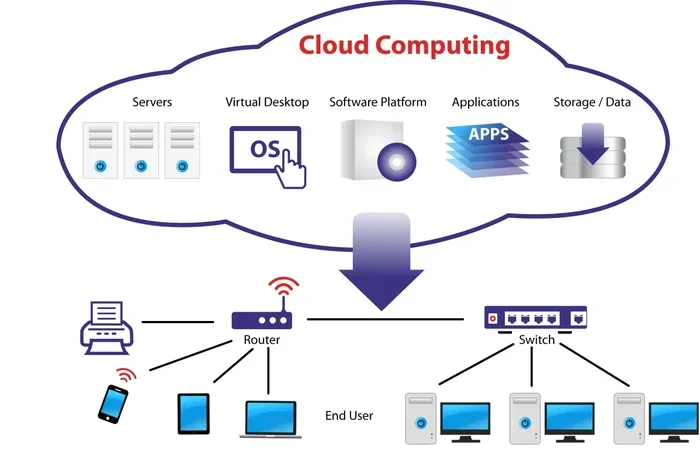
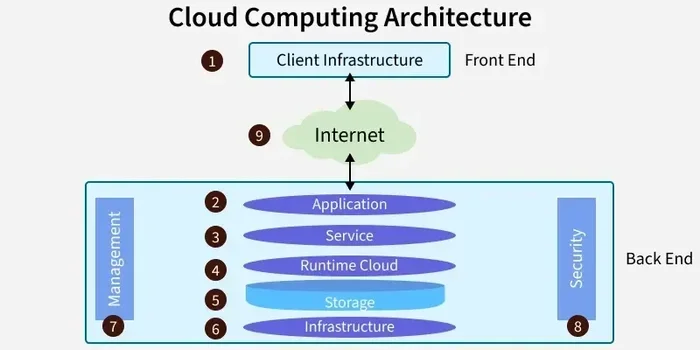
In the cloud, these services run on virtual machines, containers, or serverless platforms. The cloud provides the flexibility to scale each service up or down based on demand. This combination of SOA and cloud infrastructure creates a highly agile and resilient system.
How SOA Works in a Cloud Environment
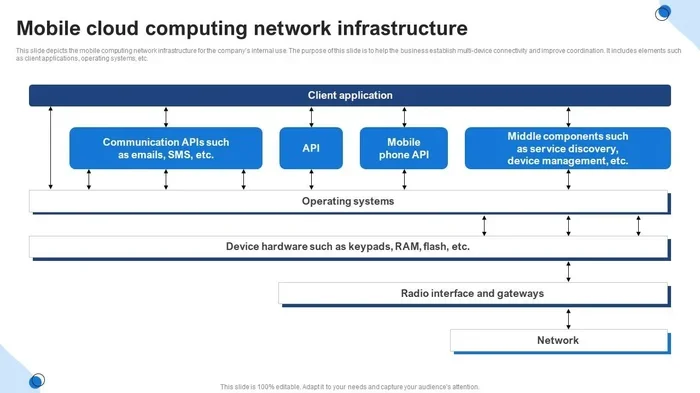
In a typical service oriented architecture setup, services communicate through APIs. An API acts as a messenger that takes requests and returns responses. For example, when you open a shopping app, one service handles user authentication, another manages the product catalog, and another processes payments.
Cloud platforms like AWS, Azure, and Google Cloud provide the tools to host and manage these services. They offer features like auto-scaling, load balancing, and monitoring. These tools make it easy to maintain SOA workloads in production. The cloud also ensures high availability, meaning your services stay online even if one component fails.
Key Principles of SOA in the Cloud
Understanding the core principles of service oriented architecture is essential for anyone working with cloud systems. These principles guide how services are designed, deployed, and managed.
Loose Coupling
Loose coupling means services are independent of each other. If one service goes down, the others continue to work. This is a key advantage of SOA in cloud computing. For instance, if the payment service fails, users can still browse products or manage their accounts.
Service Reusability
One of the biggest advantages of SOA is reusability. A single service can be used across multiple applications. For example, a user authentication service built for one app can be reused in another. This saves development time and ensures consistency across platforms.
Clear Service Contracts
Every service in a service oriented architecture has a contract. This contract defines what the service does, what inputs it accepts, and what outputs it returns. Clear contracts make it easier for developers to integrate services without understanding the internal logic.
Interoperability
SOA promotes interoperability between different systems and platforms. Services built with different technologies can communicate seamlessly. This is especially important in cloud environments where teams often use a mix of programming languages and frameworks.
Abstraction
Abstraction hides the internal workings of a service from the outside world. Users only need to know what the service does, not how it does it. This principle makes SOA systems easier to maintain and evolve over time.
Benefits of Using SOA in Cloud Computing
There are many reasons why businesses adopt service oriented architecture in cloud computing. Let us look at the most significant benefits.
Scalability
Cloud platforms allow you to scale individual services based on demand. If your authentication service receives heavy traffic, you can scale it up without affecting other services. This granular scalability is one of the top reasons companies choose SOA in the cloud.
Faster Development and Deployment
Because services are independent, teams can develop and deploy them simultaneously. One team can work on the user profile service while another team works on the notification service. This parallel development speeds up the overall delivery timeline.
Cost Efficiency
SOA in the cloud helps reduce infrastructure costs. You only pay for the resources each service uses. If a service has low traffic, you can scale it down to save money. This pay-as-you-go model is a major advantage of cloud-based service oriented architecture.
Improved Fault Isolation
When services are loosely coupled, a failure in one service does not bring down the entire system. This fault isolation improves overall system reliability. Cloud providers also offer built-in redundancy and failover mechanisms that complement SOA design.
Easier Integration
Service oriented architecture makes it easier to integrate legacy systems with modern cloud applications. You can wrap old systems as services and connect them to new cloud-native components. This approach saves businesses from costly full system replacements.
SOA vs Microservices: Understanding the Difference
Many people confuse service oriented architecture with microservices. While they share similarities, they are not the same. Understanding the differences helps you choose the right approach for your project.
What Are Microservices?
Microservices are a more refined version of SOA. They break applications into even smaller, more focused services. Each microservice handles a single business function. For example, a microservices-based e-commerce app might have separate services for cart management, inventory tracking, and order processing.
Key Differences
Here is a quick comparison of SOA and microservices in the cloud:
- Scope: SOA services are broader and may cover multiple functions. Microservices are narrow and focused on a single task.
- Communication: SOA often uses an enterprise service bus (ESB). Microservices use lightweight APIs and messaging protocols.
- Database: SOA may share a central database. Microservices typically have their own dedicated databases.
- Deployment: SOA services are often deployed as larger units. Microservices are deployed independently and frequently.
- Complexity: SOA is simpler to manage at smaller scale. Microservices introduce more complexity but offer greater agility.
In modern cloud environments, many teams start with service oriented architecture and gradually evolve toward microservices. Both approaches have their place. The key is to choose based on your business needs and team capabilities.
How to Implement Service Oriented Architecture in the Cloud
Implementing SOA in cloud computing requires careful planning and execution. Here is a step-by-step guide to help you get started.
Step 1: Identify Your Services
Start by mapping out your business functions. Identify areas that can be separated into independent services. For example, in a logistics application, you might identify services for shipment tracking, route optimization, and customer notifications.
Step 2: Define Service Contracts
Once you have identified your services, define their contracts. A contract specifies the input parameters, output format, and error responses. Clear contracts ensure that services can communicate effectively in a service oriented architecture setup.
Step 3: Choose the Right Cloud Platform
Select a cloud platform that supports your SOA needs. AWS offers services like Lambda and ECS. Azure provides Azure Functions and Service Fabric. Google Cloud offers Cloud Run and Cloud Functions. Each platform has unique strengths for hosting service oriented architecture workloads.
Step 4: Set Up API Management
Use an API gateway to manage communication between services. An API gateway handles routing, authentication, rate limiting, and monitoring. Tools like AWS API Gateway, Azure API Management, and Kong are popular choices for managing SOA APIs in the cloud.
Step 5: Implement Monitoring and Logging
Monitoring is critical for SOA in cloud computing. Use tools like Prometheus, Grafana, or cloud-native monitoring services to track service health. Set up alerts for failures, slow responses, and resource spikes. Proper monitoring helps you catch issues before they affect users.
Step 6: Establish Governance
As your service oriented architecture grows, governance becomes important. Define standards for service naming, versioning, and documentation. Establish guidelines for security, data handling, and compliance. Good governance keeps your cloud SOA system organized and maintainable.
Common Challenges of SOA in the Cloud
While service oriented architecture in cloud computing offers many benefits, it also comes with challenges. Being aware of these challenges helps you prepare and avoid common pitfalls.
Service Sprawl
When you break an application into many services, you can end up with too many small services. This is called service sprawl. Managing hundreds of services becomes complex and expensive. To avoid this, plan your service boundaries carefully and keep services at a reasonable size.
Security Complexity
More services mean more communication channels. Each channel is a potential attack vector. Securing SOA in the cloud requires robust authentication, encryption, and access control. Use tools like OAuth 2.0, API keys, and mutual TLS to protect your services.
Latency and Network Overhead
Services in a service oriented architecture communicate over the network. This introduces latency compared to in-process calls. To minimize this, use efficient communication protocols like gRPC and optimize your API designs for speed.
Data Consistency
When each service has its own database, maintaining data consistency becomes challenging. Use patterns like event sourcing and saga transactions to manage data across services. These patterns help keep your SOA system reliable and consistent.
Skill Gaps
Implementing SOA in cloud computing requires specific skills. Teams need to understand distributed systems, API design, and cloud-native tools. Invest in training and documentation to bridge these skill gaps and ensure your team can manage service oriented architecture effectively.
Real-World Examples of SOA in Cloud Computing
Many well-known companies use service oriented architecture to power their cloud applications. Here are a few examples.
Netflix
Netflix runs one of the largest SOA deployments in the world. Their streaming platform relies on hundreds of microservices running on AWS. Each service handles a specific function, from user recommendations to video encoding. This service oriented architecture allows Netflix to scale to millions of users worldwide.
Amazon
Amazon was one of the early adopters of service oriented architecture. They broke their monolithic e-commerce platform into hundreds of independent services. Each service powers a specific feature, from product search to checkout. Amazon Web Services (AWS) itself was born out of this internal SOA transformation.
Spotify
Spotify uses SOA principles to power its music streaming platform. Their architecture includes services for user management, playlist handling, and content delivery. These services run on Google Cloud and communicate through well-defined APIs. This approach allows Spotify to continuously release new features and improvements.
Uber
Uber relies on service oriented architecture in cloud computing to manage ride booking, driver matching, and payment processing. Their services run on a mix of cloud platforms and are designed for high availability. SOA enables Uber to handle millions of rides per day with minimal downtime.
Best Practices for SOA in the Cloud
To get the most out of service oriented architecture in cloud computing, follow these best practices.
- Keep services small and focused on a single responsibility.
- Use standard protocols like REST and gRPC for communication.
- Implement comprehensive logging and monitoring for every service.
- Use containerization tools like Docker and orchestration tools like Kubernetes.
- Automate deployments with CI/CD pipelines for faster and safer releases.
- Document every service contract thoroughly for team collaboration.
- Start small and gradually expand your SOA implementation over time.
Following these practices will help you build a robust, scalable, and maintainable service oriented architecture in the cloud. The key is to start with a solid foundation and iterate as your needs grow.
Conclusion
Service oriented architecture in cloud computing is a powerful approach for building modern, scalable applications. It offers benefits like scalability, cost efficiency, and faster development. By breaking applications into independent, reusable services, businesses can respond to changing demands quickly and effectively.
While challenges like service sprawl and security complexity exist, they can be managed with proper planning and governance. Real-world examples from Netflix, Amazon, and Spotify prove that SOA works at massive scale. Whether you are just starting with cloud SOA or looking to optimize your existing setup, the principles and practices outlined in this guide will help you succeed.
Start small, keep your services focused, and invest in monitoring and governance. With the right approach, service oriented architecture in cloud computing can transform the way you build and deliver software.
Frequently Asked Questions
What is service oriented architecture in cloud computing?
Service oriented architecture in cloud computing is a design approach where applications are broken into small, independent services that run on cloud infrastructure. Each service handles a specific function and communicates with others through APIs. This approach improves scalability, flexibility, and maintainability of cloud applications.
How is SOA different from microservices?
SOA uses broader services that may share a central database and communicate through an enterprise service bus. Microservices are more granular, with each service having its own database and using lightweight communication protocols. Microservices evolved from SOA principles but are more focused on independence and deployment speed.
What are the main benefits of SOA in the cloud?
The main benefits include scalability, cost efficiency, faster development, improved fault isolation, and easier system integration. Cloud platforms provide the tools to host and manage service oriented architecture workloads effectively, making it easier to scale and maintain complex applications.
Which cloud platforms support SOA?
Major cloud platforms like AWS, Azure, and Google Cloud fully support service oriented architecture. They offer services like serverless computing, container orchestration, and API management that are ideal for hosting and managing SOA workloads in production environments.
What are the common challenges of implementing SOA in the cloud?
Common challenges include service sprawl, security complexity, network latency, data consistency issues, and skill gaps. These challenges can be overcome with proper planning, governance, monitoring, and by following SOA best practices from the start of your implementation.
Can small businesses benefit from SOA in the cloud?
Yes, small businesses can benefit significantly from service oriented architecture in cloud computing. It allows them to scale resources as needed, reduce infrastructure costs, and develop features faster. Starting with a few well-defined services and growing gradually is a smart approach for small teams.