Mobile Cloud Computing Architecture Explained Simply
Mobile cloud computing architecture is the backbone of modern apps that run on phones and tablets. It blends cloud infrastructure with mobile devices so users can access powerful tools without heavy hardware. This setup lets apps store data, process tasks, and sync content through remote servers. Understanding how it works helps developers build faster, smoother, and more reliable mobile applications. In this guide, we break down every part of mobile cloud computing architecture in simple, easy-to-follow language.
You use mobile cloud computing architecture every single day. When you open a streaming app, check email on your phone, or save photos to the cloud, you are tapping into this powerful setup. It is the invisible framework that makes your favorite apps fast, reliable, and always available. Yet most people never think about what happens behind the screen.
The idea behind mobile cloud computing architecture is simple. Instead of relying only on your phone’s limited processor and storage, your device talks to powerful remote servers. Those servers handle the heavy lifting. They process data, run complex calculations, and send results back to your screen in milliseconds. This partnership between mobile devices and the cloud is what makes modern apps so capable.
Whether you are a developer, a business owner, or just someone curious about how technology works, understanding mobile cloud computing architecture gives you a real edge. It helps you see why some apps feel instant while others lag. It explains how companies scale their mobile applications to millions of users without crashing. And it opens the door to building better, smarter apps yourself.
Key Takeaways
- What It Is: Mobile cloud computing architecture connects mobile devices to cloud servers for storage, processing, and data sync.
- Key Components: The main parts include mobile clients, cloud servers, APIs, and middleware that work together seamlessly.
- Cloud Models Matter: IaaS, PaaS, and SaaS each offer different levels of control and convenience for mobile app development.
- Benefits Are Real: Scalability, cost savings, and better performance make cloud-based mobile apps a top choice for businesses.
- Challenges Exist: Latency, security concerns, and network dependency are real issues teams must address.
- Best Practices Help: Following proven design patterns and optimization tips leads to stronger, faster mobile cloud solutions.
📑 Table of Contents
- What Is Mobile Cloud Computing Architecture?
- How Mobile Cloud Computing Architecture Works
- Key Components of Mobile Cloud Computing Architecture
- Types of Cloud Computing Models for Mobile Apps
- Benefits and Challenges of Mobile Cloud Computing Architecture
- Best Practices for Designing Mobile Cloud Computing Architecture
- Conclusion
What Is Mobile Cloud Computing Architecture?
At its core, mobile cloud computing architecture is a model where mobile devices connect to cloud-based resources over a network. The cloud handles tasks that the phone cannot do well on its own. This includes storing large files, running complex algorithms, and managing user data across many devices.
The architecture works because of a clear division of labor. Your phone focuses on the user interface and input. The cloud handles storage, computation, and data management. Together, they create an experience that feels seamless and fast. This model is the foundation of cloud-based mobile apps that billions of people rely on daily.
Why Does This Architecture Matter?
Without mobile cloud computing architecture, every app would need to store all data locally. Your phone would need massive storage and a powerful processor. Apps would be heavy, slow to load, and hard to update. The cloud solves all of these problems. It spreads the workload across powerful data centers around the world.
This matters because mobile devices have real limits. Battery life, processing power, and memory are all finite. Offloading tasks to the cloud extends device life and improves user experience. It also means developers can update apps instantly without asking users to download large files every time.
How Mobile Cloud Computing Architecture Works
The process behind mobile cloud computing architecture happens in a few clear steps. Understanding these steps helps you see why your apps work the way they do. Each step plays a vital role in delivering a smooth experience.
Step 1: The Mobile Device Sends a Request
Everything starts when you tap, swipe, or open an app. Your mobile device sends a request over the internet. This request might ask for data, trigger a computation, or initiate a file upload. The request travels through cellular networks or Wi-Fi to reach the cloud.
Step 2: The Cloud Receives and Processes the Request
Once the request reaches the cloud, cloud servers pick it up. These servers are powerful machines housed in data centers. They run the necessary processes, pull data from databases, or execute complex functions. All of this happens in seconds.
Step 3: The Cloud Sends Results Back
After processing, the cloud sends the results back to your device. Your phone receives the data and displays it to you. This entire cycle happens so fast that you barely notice it. The speed depends on latency optimization and network quality.
Step 4: Data Synchronization and Storage
The cloud also keeps your data safe and synced. If you switch devices, your information follows you. Data synchronization ensures that every device shows the same up-to-date content. This is why you can start an email on your phone and finish it on your laptop.
Key Components of Mobile Cloud Computing Architecture
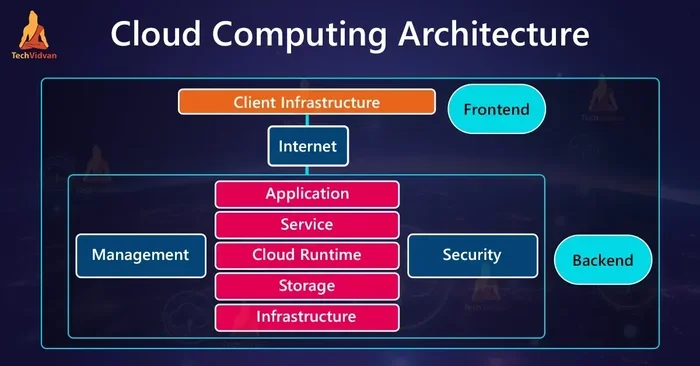
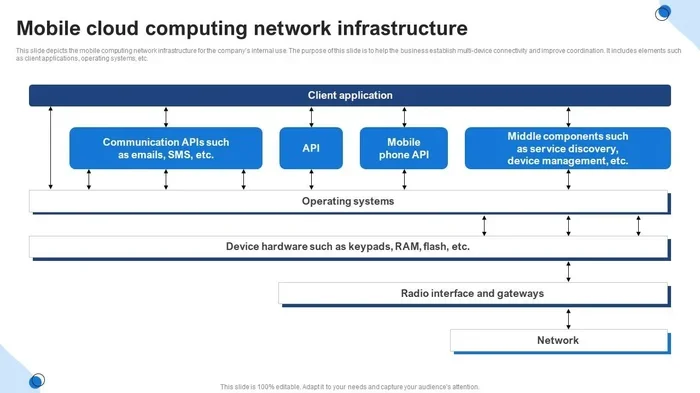
A strong mobile cloud computing architecture relies on several key parts working together. Each component has a specific job. When one part fails, the whole system can suffer. Let us look at the essential building blocks.
Mobile Client Layer
This is the app on your phone or tablet. The mobile client handles what you see and touch. It sends requests to the cloud and displays the results. A well-designed client uses minimal resources while still delivering a rich experience. Good mobile application development focuses on making this layer fast and responsive.
Cloud Infrastructure Layer
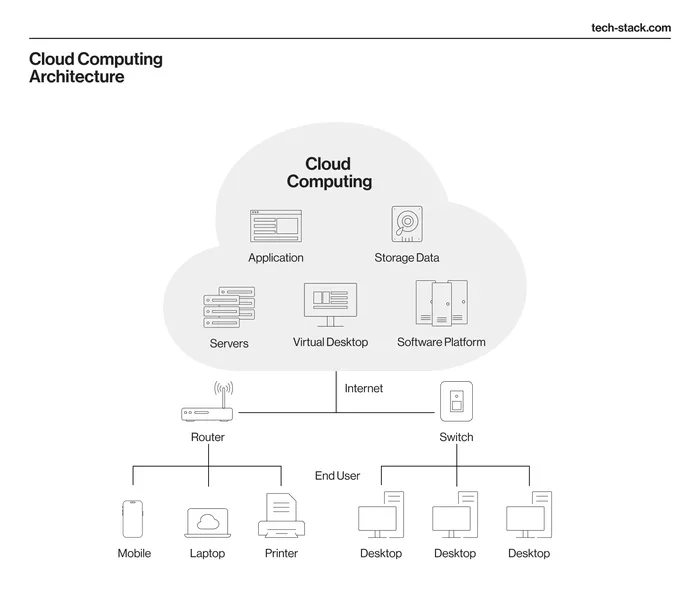
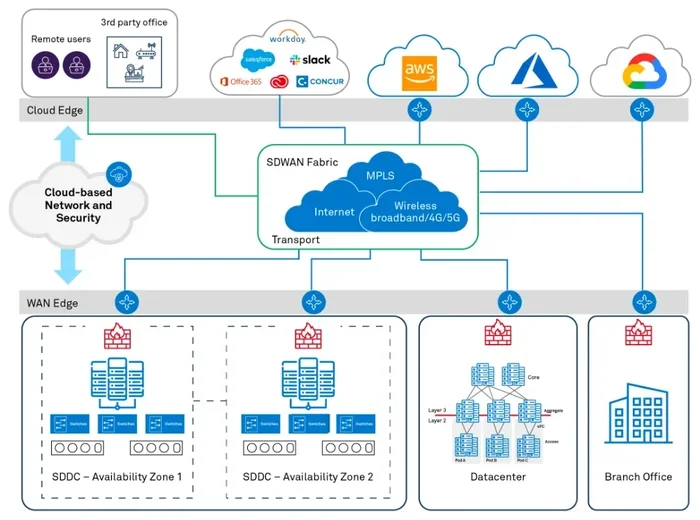
The cloud infrastructure is the engine behind the scenes. It includes servers, storage systems, and networking equipment. Major providers like AWS, Google Cloud, and Microsoft Azure offer these resources. Companies can rent computing power instead of building their own data centers. This is a key reason cloud-based mobile apps are so popular.
Middleware and APIs
Middleware acts as the bridge between the mobile device and the cloud. It manages communication, data formatting, and security checks. API integration allows different software systems to talk to each other. Without APIs, your app could not connect to cloud services. They are the glue that holds mobile cloud computing architecture together.
Backend Services and Databases
The backend handles all the heavy processing. It includes databases that store user information, app data, and media files. Backend as a service platforms simplify this by offering ready-made tools. Developers can focus on building features instead of managing servers. This approach speeds up mobile app development significantly.
Types of Cloud Computing Models for Mobile Apps
Not all mobile cloud computing architecture setups are the same. Different cloud models offer different levels of control and flexibility. Choosing the right model depends on your app’s needs, budget, and technical expertise.
Infrastructure as a Service (IaaS)
IaaS gives you the raw building blocks. You get virtual servers, storage, and networking. You control the operating system and software. This model offers the most flexibility but requires more technical skill. Teams that want full control over their cloud infrastructure often choose IaaS.
Platform as a Service (PaaS)
PaaS takes the hassle out of setup. It provides a platform where developers can build, test, and deploy apps. You do not need to manage servers or operating systems. The provider handles the underlying infrastructure. PaaS is ideal for teams that want to focus on mobile application development without worrying about backend management.
Software as a Service (SaaS)
SaaS delivers ready-to-use software through the cloud. Users access apps directly through their browsers or mobile apps. Examples include email services, project management tools, and CRM platforms. For mobile cloud computing architecture, SaaS means users get powerful features without installing heavy software on their devices.
Comparison of Cloud Models
| Feature | IaaS | PaaS | SaaS |
|---|---|---|---|
| Level of Control | High | Medium | Low |
| Management Effort | High | Medium | Low |
| Best For | Custom infrastructure needs | App development teams | End users and businesses |
| Scalability | Very scalable | Scalable | Fully managed |
| Cost Model | Pay per resource used | Pay per platform use | Subscription-based |
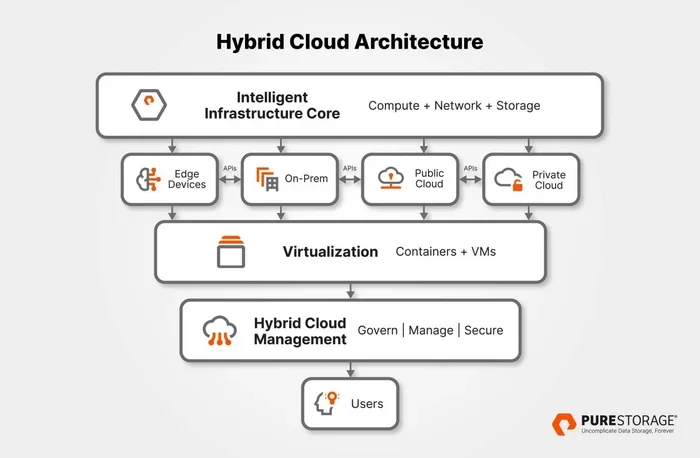
Each model plays a role in mobile cloud computing architecture. Many modern apps use a mix of all three. This hybrid approach gives teams the flexibility to pick the right tool for each job.
Benefits and Challenges of Mobile Cloud Computing Architecture
Like any technology, mobile cloud computing architecture comes with clear advantages and real challenges. Understanding both sides helps you make smart decisions about how to design and use cloud-based mobile apps.
The Benefits
- Scalability: Cloud resources can grow or shrink based on demand. Your app can handle ten users or ten million without crashing.
- Cost Efficiency: You pay only for what you use. There is no need to buy expensive hardware upfront. This makes scalable cloud solutions attractive for startups and large companies alike.
- Cross-Device Access: Users can access their data from any device. Whether it is a phone, tablet, or laptop, the cloud keeps everything in sync.
- Faster Updates: Cloud-based apps update instantly on the server side. Users always get the latest version without downloading anything.
- Improved Performance: Offloading heavy tasks to powerful cloud servers makes apps run faster and smoother on mobile devices.
The Challenges
- Latency Issues: Data has to travel between your device and the cloud. If the network is slow, this creates delays. Latency optimization is critical for a good user experience.
- Security Concerns: Storing data on remote servers raises privacy questions. Strong cloud security measures are essential to protect user information.
- Network Dependency: Without a stable internet connection, cloud apps may not work properly. Offline capabilities need careful planning.
- Vendor Lock-In: Relying heavily on one cloud provider can limit flexibility. Switching providers later can be difficult and expensive.
- Data Synchronization Complexity: Keeping data consistent across many devices and users requires robust architecture and careful management.
Quick Tips for Overcoming Challenges
- Use edge computing to reduce latency by processing data closer to the user.
- Implement end-to-end encryption to keep data safe in transit and at rest.
- Design offline-first features so apps work without a constant connection.
- Use multi-cloud strategies to avoid dependency on a single provider.
- Test your mobile cloud computing architecture under various network conditions before launch.
Best Practices for Designing Mobile Cloud Computing Architecture
Building a strong mobile cloud computing architecture requires careful planning and smart design choices. Following proven practices helps you create apps that are fast, secure, and ready to scale.
Design for Microservices
Breaking your app into small, independent services makes it easier to manage and update. Each service handles a specific function. If one part fails, the rest keep working. This microservices architecture approach is a cornerstone of modern cloud-based mobile apps.
Prioritize Security from Day One
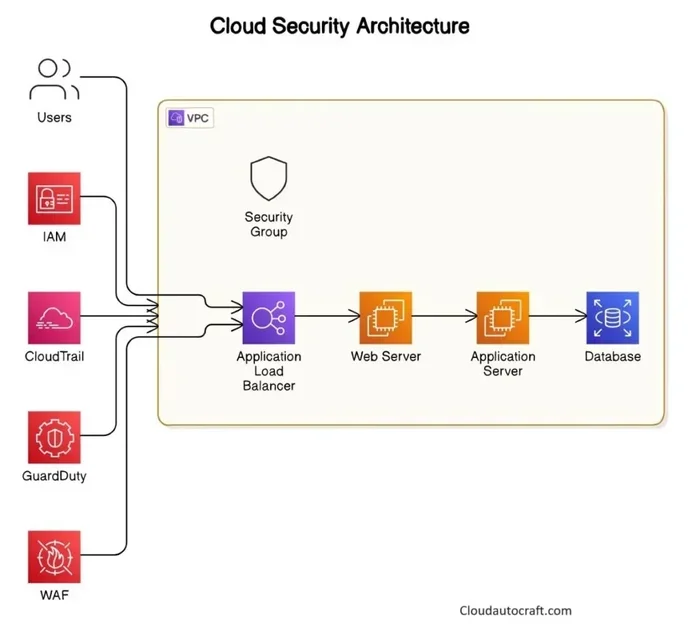
Security should never be an afterthought. Build cloud security into every layer of your mobile cloud computing architecture. Use authentication, encryption, and regular audits. Protect user data at every step, and stay compliant with privacy regulations.
Optimize for Low Bandwidth
Not all users have fast internet connections. Design your app to work well even on slower networks. Compress data, cache frequently used content, and minimize the number of requests the app sends to the cloud.
Monitor and Analyze Performance
Use monitoring tools to track how your mobile cloud computing architecture performs in real time. Watch for slow response times, errors, and usage patterns. This data helps you make informed decisions about scaling and optimization.
Common Mistakes to Avoid
- Ignoring offline functionality and assuming users always have strong internet.
- Overloading the mobile client with tasks the cloud should handle.
- Skipping security testing to meet launch deadlines.
- Choosing a single cloud provider without considering alternatives.
- Neglecting data synchronization across multiple devices and platforms.
Expert Insights
“The best mobile cloud computing architecture is one that puts the user experience first,” says a senior cloud architect at a leading tech firm. “Teams often focus too much on backend complexity and forget that real people are using the app on the go. Keep it simple, keep it fast, and keep the user in mind at every step.”
Another expert adds that serverless computing is changing the game. With serverless, developers do not need to manage servers at all. The cloud provider handles everything automatically. This approach is gaining popularity in mobile application development because it reduces costs and simplifies operations.
The future of mobile cloud computing architecture is bright. Technologies like edge computing, 5G networks, and artificial intelligence are making cloud-powered apps even faster and smarter. Teams that invest in understanding these trends now will be well positioned for what comes next.
Conclusion
Mobile cloud computing architecture is the foundation of nearly every app you use on your phone today. It connects your device to powerful cloud resources, giving you speed, storage, and features that would otherwise be impossible. Understanding how it works empowers you to build better apps, make smarter technology choices, and appreciate the invisible systems that power your digital life.
The key components, cloud models, benefits, and challenges we covered all point to one truth: mobile cloud computing architecture is essential for modern mobile applications. Whether you are a developer building your first app or a business scaling to millions of users, getting this architecture right makes all the difference. Start with the basics, follow best practices, avoid common mistakes, and keep learning as the technology evolves.
The cloud is not going anywhere. It is growing smarter, faster, and more powerful every year. By understanding mobile cloud computing architecture today, you are setting yourself up for success in the connected world of tomorrow. Apply what you have learned, experiment with new approaches, and build apps that truly make a difference.
Frequently Asked Questions
What exactly is mobile cloud computing architecture?
Mobile cloud computing architecture is the framework that connects mobile devices to cloud-based servers and services. It allows phones and tablets to offload heavy tasks like data storage and processing to powerful remote servers. This setup makes apps faster, lighter, and more capable than they could be using only the device’s own resources.
How does mobile cloud computing architecture differ from regular cloud computing?
Regular cloud computing focuses on servers and data centers without considering mobile devices. Mobile cloud computing architecture specifically addresses the unique needs of mobile users, such as battery efficiency, intermittent connectivity, and smaller screen interfaces. It optimizes the communication between mobile clients and cloud backends for a seamless on-the-go experience.
What are the main components of mobile cloud computing architecture?
The main parts include the mobile client (the app on your device), the cloud infrastructure (servers and storage), middleware and APIs that connect everything, and backend services that handle data processing. Together, these components create the cloud-based mobile apps people use every day.
Is mobile cloud computing architecture secure?
It can be very secure when built correctly. Strong cloud security practices include encryption, authentication, and regular security audits. However, security depends on how well the architecture is implemented. Using trusted cloud providers and following best practices greatly reduces risks associated with mobile cloud computing architecture.
Can small businesses benefit from mobile cloud computing architecture?
Absolutely. Small businesses benefit from lower upfront costs, easy scalability, and access to powerful tools without managing hardware. Cloud-based mobile apps let small teams compete with larger companies by leveraging the same cloud infrastructure that big enterprises use. The pay-as-you-go model makes it budget-friendly too.
What role does edge computing play in mobile cloud computing architecture?
Edge computing brings processing closer to the user, reducing the time data takes to travel to the cloud and back. This dramatically improves speed and reduces latency optimization issues. In mobile cloud computing architecture, edge computing is becoming increasingly important for apps that need real-time responses, like gaming, video streaming, and IoT devices.
=== META DESCRIPTION ===
Discover how mobile cloud computing architecture powers today’s apps. Learn key components, benefits, and best practices for building scalable mobile cloud solutions today.