Data Science vs Cloud Computing Everything You Need to Know
Data science vs cloud computing are two powerful tech fields that shape how we use information today. Data science focuses on extracting insights from data, while cloud computing delivers the infrastructure needed to process and store it. This guide covers everything you need to know, including key differences, career paths, and how these fields work together.
Key Takeaways
- Distinct Fields: Data science and cloud computing serve different purposes but are deeply interconnected in modern technology.
- Cloud Powers Data Science: Most data science projects rely on cloud platforms for storage, processing power, and scalability.
- Different Skill Sets: Data science requires statistics and programming skills, while cloud computing demands networking and architecture knowledge.
- Strong Career Outlook: Both fields offer excellent salary potential and job growth over the next decade.
- They Work Best Together: Combining data science and cloud skills opens up the most opportunities in the tech industry.
- Start with Fundamentals: Build a strong foundation in either field before exploring advanced tools and techniques.
📑 Table of Contents
Understanding Data Science and Cloud Computing
Technology touches every part of our lives today. Two fields drive this transformation: data science and cloud computing. They sound similar but serve very different purposes. Understanding both helps you navigate the tech world with confidence.
When people talk about data science vs cloud computing, they are comparing two distinct disciplines. One is about making sense of information. The other is about delivering the computing power that makes modern work possible. Both are essential. Both are growing fast. And both offer exciting career paths for anyone willing to learn.
This article breaks down everything you need to know. We will explore what each field does, how they differ, and how they work together. Whether you are a student, a career changer, or simply curious, you will find practical insights here.
What Is Data Science?
Data science is the practice of extracting meaningful insights from raw data. It combines math, statistics, programming, and domain expertise to uncover patterns and trends. Companies use these insights to make better decisions, predict outcomes, and understand their customers.
Think of a grocery store chain that wants to know which products sell best in different regions. A data scientist analyzes sales records, weather data, and customer demographics. The result is a clear picture of shopping behavior that helps the company stock the right products in the right stores.
The Core Components of Data Science
Several building blocks make up the data science landscape. Statistical analysis forms the foundation. It helps you understand what the data is telling you through numbers and probabilities. Machine learning takes this further by building algorithms that learn from data and improve over time. Data engineering handles the infrastructure needed to collect, store, and process large datasets. Data visualization turns complex findings into charts, graphs, and dashboards that anyone can understand.
Another critical piece is data pipelines. These are automated systems that move data from one place to another. A data pipeline might pull information from a database, clean it, transform it, and feed it into a model. Without reliable pipelines, even the best analysis falls apart.
What Does a Data Scientist Do Day to Day?
A typical day for a data scientist involves collecting messy data from multiple sources. They clean it, organize it, and prepare it for analysis. Then they apply mathematical models to find patterns. Finally, they present their findings to stakeholders through reports and visual dashboards.
For example, a data scientist at a streaming service might analyze what users watch. They build models that predict what shows a person will enjoy next. Netflix and Spotify both rely heavily on this kind of work. The predictive modeling behind recommendations drives billions of dollars in revenue.
What Is Cloud Computing?
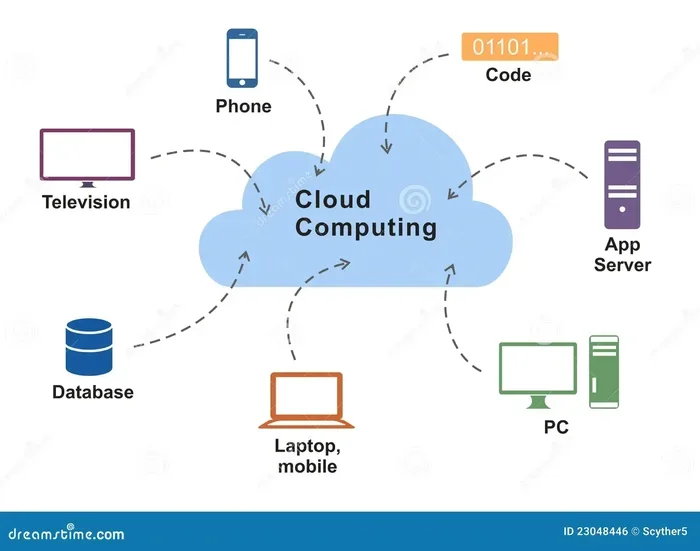
Cloud computing delivers computing services over the internet. Instead of owning physical servers and hardware, you rent resources like storage, processing power, and software from providers. Think of it as renting electricity instead of building your own power plant. You get what you need, when you need it.
The major players in this space include Amazon Web Services, Microsoft Azure, and Google Cloud Platform. These cloud platforms offer everything from simple file storage to complex distributed computing tasks. When you explore data science vs cloud computing, it helps to understand that cloud computing provides the foundation where much of modern data work happens.
Types of Cloud Services
Cloud services come in three main categories. Infrastructure as a Service, or IaaS, gives you virtual machines, storage, and networking. You control the operating system and applications. Platform as a Service, or PaaS, provides tools and environments for building applications. You focus on code, not infrastructure. Software as a Service, or SaaS, delivers ready-to-use applications through a browser. Examples include Gmail, Salesforce, and Dropbox.
Why Cloud Computing Has Become So Important
Cloud computing has transformed how businesses operate. Startups no longer need millions of dollars to buy servers. They can launch applications on cloud infrastructure and scale up as their user base grows. This flexibility has fueled innovation across every industry.
Serverless computing is another game-changing concept. With serverless architecture, you do not manage servers at all. The cloud provider handles everything. You simply write code and upload it. The provider runs it only when needed and charges you for actual usage. This model saves money and reduces complexity for many projects.
Cloud storage also deserves mention. Services like Amazon S3 and Google Cloud Storage hold enormous amounts of data. They are reliable, scalable, and accessible from anywhere in the world. This makes them ideal for teams working on big data analytics projects.
Key Differences Between Data Science and Cloud Computing
Understanding the differences between these two fields is essential. While they overlap in some areas, they serve very different purposes. Let us break down the main distinctions.
Focus and Purpose
Data science focuses on understanding and interpreting information. Its goal is to extract insights that drive data-driven decisions. Cloud computing focuses on delivering and managing computing resources. Its goal is to provide scalable, reliable infrastructure. In the data science vs cloud computing comparison, each field has a clear and distinct mission.
Skills and Tools
The tools and skills required for each field differ significantly. Data scientists typically use Python, R, SQL, and visualization tools like Tableau or Power BI. They build statistical models, write machine learning algorithms, and create interactive dashboards.
Cloud professionals use different tools. They work with Terraform, Docker, Kubernetes, and cloud management consoles. They configure networks, manage storage systems, and deploy applications at scale. A cloud engineer needs deep knowledge of networking, security, and system architecture.
Side-by-Side Comparison
| Aspect | Data Science | Cloud Computing |
|---|---|---|
| Primary Goal | Extract insights from data | Deliver scalable computing resources |
| Key Skills | Statistics, programming, ML | Networking, architecture, DevOps |
| Common Tools | Python, R, Tableau, SQL | AWS, Azure, GCP, Kubernetes |
| Main Output | Predictions, models, dashboards | Scalable infrastructure, applications |
| Career Titles | Data Analyst, ML Engineer | Cloud Architect, DevOps Engineer |
| Salary Range (US) | $120,000 – $160,000 | $110,000 – $155,000 |
| Learning Curve | Steep in math and statistics | Steep in systems and networking |
This comparison shows that both fields offer excellent career prospects. They require very different expertise but share one thing in common: high demand in today’s job market. The data science vs cloud computing debate is not about which is better. It is about which fits your strengths and interests.
How Data Science and Cloud Computing Work Together
Here is the most important part: these two fields are not competitors. They are powerful partners. Most modern data science projects depend on cloud computing to function effectively.
Cloud Platforms Power Data Science Work
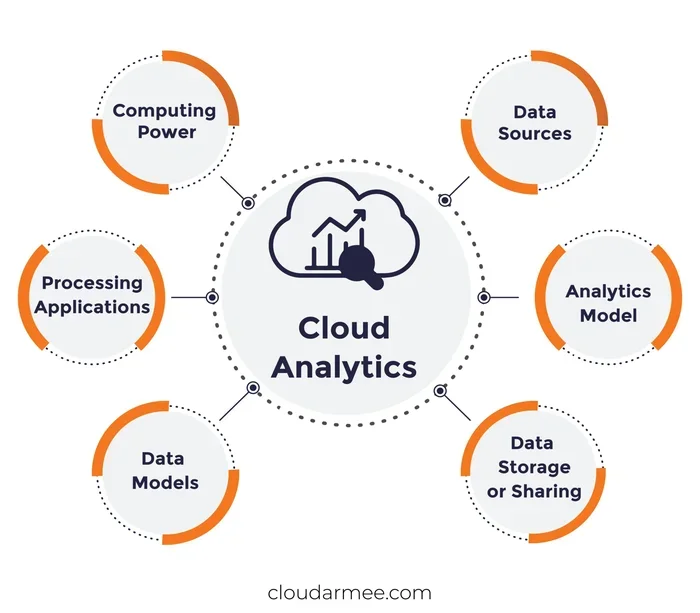
Data scientists need enormous computing power to train models and process large datasets. Cloud platforms provide this power on demand. Instead of buying expensive hardware, a data scientist can rent GPU instances from AWS or Google Cloud. This makes advanced big data analytics accessible to teams of all sizes, from startups to Fortune 500 companies.
Cloud storage holds the massive datasets that data scientists rely on. Platforms like Amazon S3 and Google Cloud Storage offer virtually unlimited space. Data engineers build data pipelines that pull information from these storage systems into analysis environments. This seamless flow of data is what makes modern data analytics possible.
Real-World Examples of This Partnership
Spotify is a great example. Spotify uses cloud computing to store billions of user interactions every day. Its data science team then analyzes this data to create personalized playlists. Without the cloud, processing that much data would be nearly impossible. The partnership between cloud architecture and machine learning makes Spotify’s recommendation engine work.
Healthcare is another powerful example. Hospitals store patient records on cloud infrastructure. Data scientists use predictive modeling to identify patients at risk of certain conditions. This data-driven decision approach saves lives and reduces costs. The cloud provides the secure, scalable foundation that makes this kind of work feasible.
Career Paths and Opportunities in Both Fields
Both data science and cloud computing offer exciting career opportunities. Your choice depends on your interests, skills, and long-term goals.
Data Science Career Paths
You can start as a data analyst and grow into a data scientist or machine learning engineer. Some professionals specialize in artificial intelligence research. Others focus on data visualization and move into analytics management roles. The demand for data professionals continues to grow across every industry, from finance to entertainment.
Common roles in this field include:
- Data Analyst – interprets data and creates reports for stakeholders
- Data Scientist – builds predictive models and algorithms
- Machine Learning Engineer – deploys and maintains ML systems in production
- Data Engineer – builds and manages the pipelines that move data
Cloud Computing Career Paths
Cloud careers often start with roles like cloud support associate or junior cloud engineer. You can grow to become a cloud architect or DevOps engineer. Many professionals also pursue hybrid cloud specialization, which combines public and private cloud environments. This niche is particularly valuable for large enterprises.
Common roles in this field include:
- Cloud Engineer – manages cloud resources and deployments
- Cloud Architect – designs cloud infrastructure and long-term strategy
- DevOps Engineer – automates deployment pipelines and operations
- Security Architect – protects cloud systems and sensitive data
Salary and Job Growth Outlook
Both fields offer competitive salaries and strong job growth. Industry reports show that cloud computing jobs are projected to grow by over 25% in the next five years. Data science roles are expected to grow by more than 30% during the same period. The tech industry continues to favor professionals who understand both sides of the equation.
Which Path Should You Choose?
Deciding between data science vs cloud computing comes down to your personal interests and natural strengths.
Choose Data Science If…
You love math and statistics. You enjoy finding patterns and telling stories with data. You want to build models that predict future outcomes. You are curious about how algorithms learn from information. If these things excite you, a career in data science is a fantastic choice.
Choose Cloud Computing If…
You enjoy working with systems and infrastructure. You like solving problems related to scale and reliability. You want to build the platforms that power modern applications. You are interested in networking, security, and system design. If this sounds like you, cloud computing offers a deeply rewarding career.
Can You Do Both?
Absolutely. Many professionals today combine skills from both fields. A data engineer who understands cloud architecture is incredibly valuable in the job market. A cloud architect who knows data analytics can design better, more efficient systems. The intersection of these two fields is where some of the most exciting opportunities lie today.
Quick Tips for Getting Started
Here are some practical tips to help you begin your journey in either field:
- Start with free courses on platforms like Coursera, edX, or Udemy
- Build hands-on projects using the free tier of major cloud services
- Join online communities like Reddit, Stack Overflow, or Discord groups
- Earn certifications from AWS, Google, or Microsoft to boost your resume
- Practice with real datasets from public repositories like Kaggle
- Read industry blogs and follow thought leaders on social media
Common Mistakes to Avoid
Many beginners make avoidable mistakes that slow their progress. One common error is skipping fundamentals. Do not jump straight into advanced tools and frameworks. Build a strong foundation first. Another mistake is not getting enough hands-on practice. Theory alone will not prepare you for real-world challenges. Finally, avoid trying to learn everything at once. Focus on one area, master it, and then expand to related topics.
What Industry Experts Say
Industry leaders often emphasize the value of combining both skill sets. As one senior technology architect shared, “The best data-driven decisions come from teams where data scientists and cloud engineers collaborate closely.” This collaboration is becoming the standard in forward-thinking organizations.
Another expert noted that cloud architecture skills are increasingly important for data scientists. “You do not need to be an expert in cloud infrastructure,” they explained. “But understanding the basics will make you far more effective and employable in today’s market.”
Final Thoughts
The comparison of data science vs cloud computing is not about picking one field and ignoring the other. Both are essential pillars of the modern technology landscape. Data science turns raw information into actionable insights that drive business value. Cloud computing provides the powerful, scalable infrastructure that makes this work possible.
Whether you choose to dive into data analytics, explore cloud services, or combine both disciplines, you are entering a field full of opportunity and growth. The key is to start learning, stay curious, and keep building practical skills. The tech world needs professionals who can bridge these two powerful domains and create data-driven solutions that truly make a difference.
So pick a path, take that first course, and start building projects today. The future belongs to those who understand how to harness the power of data and the cloud working hand in hand.
Frequently Asked Questions
Is data science harder than cloud computing?
Neither field is inherently harder. They require different types of thinking. Data science demands strong math and statistics skills. Cloud computing requires deep knowledge of systems, networking, and architecture. Your background and natural strengths will determine which feels easier for you.
Can I learn both data science and cloud computing?
Yes, absolutely. Many professionals build skills in both areas. Starting with one and then adding the other is a smart approach. Understanding how data science runs on cloud platforms makes you a more versatile and valuable professional in the job market.
Which field pays more, data science or cloud computing?
Both fields offer competitive salaries. Data science roles tend to pay slightly higher on average, but cloud computing roles are catching up fast. Your salary will depend more on your experience level, location, and the specific company you work for than on the field alone.
Do I need a degree to work in data science or cloud computing?
A degree helps but is not always required. Many successful professionals are self-taught or completed bootcamps. What matters most is your skills, portfolio, and ability to solve real problems. Certifications from AWS, Google, or Microsoft can also strengthen your credentials significantly.
How long does it take to learn data science or cloud computing?
It typically takes six to twelve months of focused learning to build entry-level skills. This timeline depends on your prior experience, how many hours you dedicate each week, and the specific role you are targeting. Consistent practice and real projects accelerate the learning process significantly.
What is the future outlook for data science and cloud computing?
Both fields have a very strong future outlook. Demand for data professionals and cloud engineers continues to grow every year. As more businesses move to the cloud and rely on data for decisions, the need for skilled professionals in both areas will only increase. These are two of the safest and most rewarding career paths in tech today.