How a Degree in Cloud Computing Can Change Your Career
A degree in cloud computing opens doors to some of the most in-demand tech careers today. You will learn to design, manage, and secure cloud systems used by businesses worldwide. Whether you are starting fresh or switching careers, this field offers strong job growth and competitive pay. Cloud computing skills are now essential in almost every industry. Read on to find out how this degree can transform your future.
A degree in cloud computing is one of the smartest moves you can make in today’s tech world. Companies everywhere are moving their data and operations to the cloud. This shift has created a massive need for skilled professionals who understand cloud technology. If you have ever thought about a career in tech, now is the perfect time.
Cloud computing is not just a trend. It is the backbone of modern business. From small startups to giant corporations, everyone uses the cloud. A degree in cloud computing gives you the knowledge and skills to be part of this exciting field. You will learn how to build, manage, and protect cloud systems that power the digital world.
Whether you are a recent high school graduate or someone looking to switch careers, a cloud degree can change your life. The cloud computing demand is only growing. Companies need people who can design cloud infrastructure, manage cloud security, and build cloud architecture. This article will walk you through everything you need to know about earning this degree and the careers it can open up.
Key Takeaways
- High Demand: Cloud computing jobs are growing fast across all industries.
- Strong Salaries: Cloud professionals earn well above average tech salaries.
- Flexible Learning: You can earn a degree online or on campus.
- Real-World Skills: Programs teach hands-on skills like AWS, Azure, and DevOps.
- Career Flexibility: A cloud degree opens many paths from engineering to architecture.
- Future-Proof: Cloud technology is here to stay and keeps evolving.
📑 Table of Contents
- What Is a Degree in Cloud Computing?
- Why Cloud Computing Is Such a Hot Field
- What You Will Learn in a Cloud Computing Program
- Career Opportunities After Earning Your Degree
- How to Choose the Right Cloud Computing Degree
- Quick Tips for Succeeding in a Cloud Computing Program
- Common Mistakes to Avoid
- Final Thoughts
What Is a Degree in Cloud Computing?
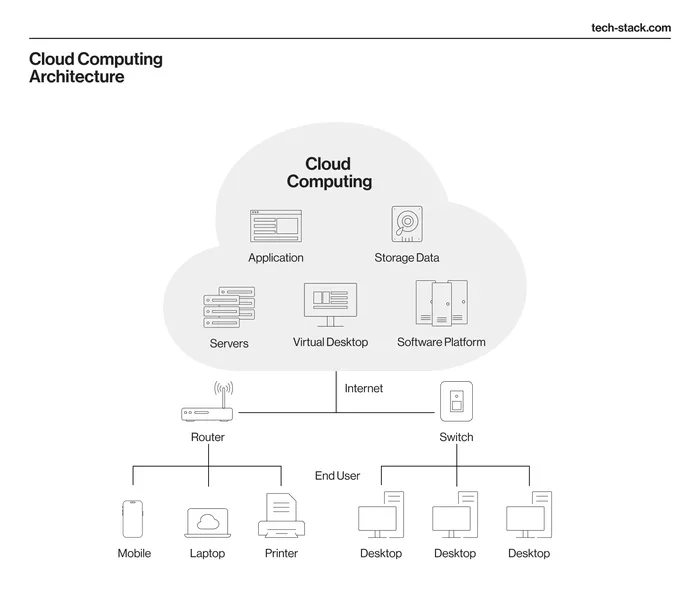
A degree in cloud computing is a specialized academic program that teaches you how cloud systems work. You will study how data is stored, managed, and delivered over the internet instead of on local servers. Most programs offer either an associate degree, a bachelor’s degree, or a master’s degree in this field.
These programs cover a wide range of topics. You will learn about virtualization, which lets you run multiple systems on one physical machine. You will study cloud infrastructure, which is the foundation of all cloud services. You will also explore cloud security, which protects data stored in the cloud from threats.
Types of Cloud Computing Degrees
There are several levels of education you can pursue. Each one opens different doors in the cloud computing careers landscape.
- Associate Degree: Takes about two years. It gives you foundational skills and entry-level job options.
- Bachelor’s Degree: Takes four years. This is the most common choice for IT career change seekers.
- Master’s Degree: Takes one to two years after a bachelor’s. It prepares you for senior and leadership roles.
Many universities also offer online cloud degree programs. These let you study from anywhere and at your own pace. Online learning is a great option if you are working while going to school.
Why Cloud Computing Is Such a Hot Field
The cloud computing demand has exploded over the last decade. More businesses are moving to the cloud every day. This shift happened fast, and it shows no signs of slowing down. Companies love the cloud because it saves money, improves flexibility, and makes scaling easier.
Here are some reasons why this field is so hot right now:
- Massive Growth: The global cloud market is expected to keep growing for years.
- Wide Adoption: Almost every industry uses cloud services, from healthcare to finance.
- Remote Work: The cloud makes remote work possible, which has become the new normal.
- Cost Savings: Businesses save money by using cloud services instead of building their own servers.
- Innovation: Cloud platforms like AWS, Microsoft Azure, and Google Cloud Platform are always adding new features.
All of this growth means one thing: lots of jobs. If you have the right cloud computing skills, you will have no trouble finding work. The tech industry jobs market is full of opportunities for cloud professionals.
Cloud Computing vs. Traditional IT
Traditional IT focuses on managing physical hardware and local servers. Cloud technology shifts that work to remote data centers managed by providers. This change has made cloud computing courses and training more important than ever. Companies no longer need large teams to manage physical servers. Instead, they need experts who can navigate cloud platforms and services.
The shift from traditional IT to cloud is not just a trend. It is a fundamental change in how businesses operate. Professionals who understand both worlds are especially valuable. But those who specialize in cloud architecture and cloud infrastructure are in the highest demand.
What You Will Learn in a Cloud Computing Program
A good degree in cloud computing gives you both theory and hands-on practice. You will not just read about cloud systems. You will actually build and manage them. Here is a look at what most programs cover.
Core Subjects
- Cloud Fundamentals: You will learn the basics of how cloud services work, including virtualization and distributed computing.
- Cloud Security: Protecting data in the cloud is critical. You will study encryption, access control, and threat detection.
- Cloud Architecture: This teaches you how to design scalable and reliable cloud systems.
- DevOps Practices: You will learn how to automate deployment and manage infrastructure using code.
- Networking: Understanding how cloud systems communicate over networks is essential.
- Database Management: You will work with cloud-based databases and learn how to store and retrieve data efficiently.
Hands-On Training
Most programs include lab work and real projects. You might build a cloud infrastructure on AWS or Microsoft Azure. Some programs also help you earn cloud computing certifications like AWS Certified Solutions Architect or Microsoft Certified: Azure Administrator. These certifications are gold in the job market.
Hands-on experience is what sets graduates apart. Employers want people who can hit the ground running. A degree in cloud computing that includes labs and projects gives you exactly that advantage.
Career Opportunities After Earning Your Degree
One of the biggest benefits of a degree in cloud computing is the wide range of careers it opens up. You are not locked into one path. Instead, you can choose the role that fits your interests and strengths.
Top Cloud Computing Jobs
- Cloud Engineer: You will build and maintain cloud systems. The average cloud engineer salary is very competitive.
- Cloud Solutions Architect: You design the overall cloud strategy for a business.
- Cloud Security Specialist: You protect cloud systems from cyber threats and vulnerabilities.
- DevOps Engineer: You automate and streamline the development and deployment process.
- Cloud Administrator: You manage day-to-day cloud operations and user access.
- Network Cloud Engineer: You focus on the networking layer of cloud systems.
Each of these roles pays well and offers strong job security. The cloud computing jobs market is growing faster than most other tech fields. According to industry reports, cloud-related job postings have increased significantly in recent years.
Salary Expectations
Salaries in cloud computing are above average for tech roles. Entry-level positions can start around $60,000 to $80,000 per year. Mid-level professionals often earn between $90,000 and $130,000. Senior roles and cloud solutions architect positions can pay well over $150,000. Your cloud engineer salary will depend on your location, experience, and certifications.
Adding cloud computing certifications like AWS or Azure to your resume can boost your pay even more. Employers value certified professionals because they prove real skill and knowledge.
How to Choose the Right Cloud Computing Degree
Not all degree in cloud computing programs are the same. Choosing the right one can make a big difference in your career. Here are some factors to consider.
Accreditation Matters
Always choose a program from an accredited institution. Accreditation ensures your degree is recognized by employers and other schools. It also matters if you plan to pursue further education later.
Curriculum and Hands-On Training
Look for programs that offer real-world training. A good curriculum will include labs, projects, and exposure to major cloud platforms like AWS, Microsoft Azure, and Google Cloud Platform. Programs that include AWS certification prep are especially valuable.
Online vs. On-Campus
If you are working or have other commitments, an online cloud degree might be the best choice. Online programs offer flexibility and let you study at your own pace. On-campus programs give you more face-to-face interaction with instructors and classmates. Both options can lead to great careers.
Cost and Financial Aid
Tuition varies widely between programs. Community colleges often offer affordable associate degrees. Four-year universities may cost more but provide deeper education. Look into financial aid, scholarships, and employer tuition reimbursement programs to help manage costs.
Quick Tips for Succeeding in a Cloud Computing Program
Here are some practical tips to help you get the most out of your degree in cloud computing:
- Practice Every Day: Cloud skills improve with hands-on practice. Set up free accounts on AWS or Azure and experiment.
- Get Certified: Even before you graduate, start working toward cloud computing certifications. They make your resume stand out.
- Join Communities: Connect with other students and professionals online. Join forums and attend local meetups.
- Build a Portfolio: Create projects that show your skills. A strong portfolio impresses employers more than a degree alone.
- Stay Curious: Cloud technology changes fast. Keep learning new tools and platforms to stay relevant.
Common Mistakes to Avoid
Here are some pitfalls to watch out for:
- Skipping Hands-On Practice: Reading alone is not enough. You must build and manage real cloud systems.
- Ignoring Security: Cloud security is a huge part of the job. Do not overlook it.
- Choosing the Wrong Program: Not all programs are equal. Research carefully before enrolling.
- Not Getting Certified: Certifications add real value. They show employers you have practical skills.
- Waiting Too Long to Start: The cloud computing demand is high now. Delaying your education means missing out on opportunities.
Final Thoughts
A degree in cloud computing is one of the best investments you can make in your future. The field offers strong job growth, excellent salaries, and career flexibility. Whether you are just starting out or making an IT career change, this degree gives you a clear path to success.
The world is moving to the cloud, and the need for skilled professionals will only grow. By earning a degree in cloud computing, you position yourself at the forefront of this transformation. You gain skills that are useful across every industry and every type of business.
Start exploring programs today. Choose one that fits your goals and learning style. With the right education and effort, you can build a rewarding career in cloud computing. The opportunities are real, the demand is strong, and the future is bright for anyone willing to learn.
Frequently Asked Questions
Is a degree in cloud computing worth it?
Absolutely. The cloud computing demand is growing fast, and companies need skilled professionals. A degree gives you a strong foundation and opens up many career paths in tech.
Can I earn a cloud computing degree online?
Yes, many accredited universities offer online cloud degree programs. These programs give you the same quality education with the flexibility to study on your own schedule.
How long does it take to get a degree in cloud computing?
An associate degree takes about two years. A bachelor’s degree takes four years. A master’s degree takes one to two years after completing a bachelor’s. The timeline depends on your chosen program and whether you study full-time or part-time.
Do I need a degree to work in cloud computing?
A degree is not always required, but it gives you a big advantage. Many employers prefer candidates with formal education. A degree in cloud computing also helps you earn higher starting salaries and qualify for more roles.
What certifications should I get with a cloud degree?
AWS certification and Microsoft Azure certifications are among the most valued. Google Cloud certifications are also popular. These credentials prove your hands-on skills and make your resume stand out to employers.
What is the average cloud engineer salary?
The average cloud engineer salary ranges from $70,000 to $120,000 depending on experience, location, and certifications. Senior roles and cloud solutions architect positions can pay well over $150,000 per year.