Everything About Distributed System in Cloud Computing
A distributed system in cloud computing is a network of independent machines that work together to deliver computing resources and services. Cloud computing distributed systems enable scalability, fault tolerance, and high performance for modern applications. This guide covers architecture, types, benefits, challenges, and real-world use cases. You will learn how distributed computing in the cloud powers the apps and services you use every day. By the end, you will understand why distributed cloud systems are the backbone of today’s digital world.
A distributed system in cloud computing is one of the most important ideas behind how the internet works today. When you stream a movie, shop online, or use a mobile app, chances are a cloud computing distributed system is quietly working behind the scenes. These systems connect many computers together so they act like one powerful machine.
Understanding how distributed computing in the cloud works helps you make better decisions about building apps, choosing cloud providers, or growing a business. This guide breaks it all down in simple terms. You will learn what it is, why it matters, how it works, and what challenges come with it.
Key Takeaways
- Scalability on demand: Distributed systems let you scale resources horizontally across multiple nodes in the cloud.
- Fault tolerance is built in: If one node fails, the system keeps running without noticeable downtime.
- Performance gains: Workloads spread across distributed cloud infrastructure deliver faster response times.
- Cost efficiency: You pay only for what you use, thanks to the shared nature of distributed cloud resources.
- Real-world impact: Companies like Netflix, Amazon, and Google rely on distributed systems for their services.
- Challenges exist: Network latency, data consistency, and security need careful planning and management.
- Future is bright: Edge computing and microservices are shaping the next generation of distributed cloud architectures.
📑 Table of Contents
- What Is a Distributed System in Cloud Computing?
- How Distributed Systems Work in the Cloud
- Types of Distributed Systems in Cloud Computing
- Benefits of Using Distributed Systems in Cloud Computing
- Challenges of Distributed Systems in Cloud Computing
- Real-World Examples of Distributed Systems in Cloud Computing
- Best Practices for Building Distributed Systems in the Cloud
- Quick Tips for Working with Distributed Cloud Systems
- Common Mistakes to Avoid
- Expert Insights
- Conclusion
What Is a Distributed System in Cloud Computing?
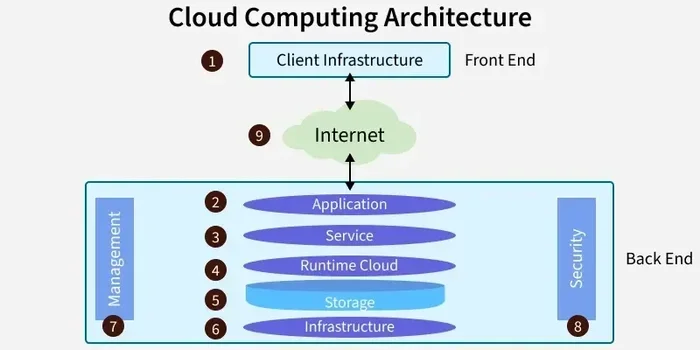
A distributed system in cloud computing is a group of independent computers that appear as a single system to the end user. These computers, often called nodes, communicate over a network to share tasks, data, and resources. The cloud provides the infrastructure, and the distributed system organizes how everything works together.
Think of it like a restaurant kitchen. One chef alone cannot handle a dinner rush. But a team of chefs, each assigned a specific task, can serve hundreds of meals quickly. Distributed cloud systems work the same way. Each node handles a part of the workload, and together they deliver a seamless experience.
Key Components of Distributed Cloud Systems
A distributed computing architecture relies on several core parts to function properly:
- Nodes: Individual servers or virtual machines that perform tasks.
- Network: The communication layer that connects all nodes.
- Middleware: Software that manages communication between nodes.
- Data Storage: Shared or replicated databases that hold information across nodes.
- Load Balancer: A tool that distributes incoming traffic evenly across nodes.
How Distributed Systems Work in the Cloud
Distributed computing in the cloud follows a clear process. A user sends a request, the cloud platform routes it to the right node, and the node processes the task. The result is sent back to the user. All of this happens in milliseconds.
Step-by-Step: How a Request Travels
- A user makes a request, like clicking “Buy Now” on an online store.
- The API gateway receives the request and directs it to the appropriate service.
- The load balancer picks the best available node to handle the request.
- The node processes the request, often fetching data from a distributed database.
- The result is sent back through the network to the user.
This flow happens so fast that users never notice the complexity behind it. Cloud infrastructure distributed systems make this possible through automation and smart routing.
Communication Between Nodes
Nodes in a distributed system in cloud computing talk to each other using protocols like HTTP, gRPC, or message queues. Service-oriented architecture (SOA) and microservices are popular patterns that define how these conversations happen. Each microservice handles a small, specific job, and they all work together to deliver the final result.
Types of Distributed Systems in Cloud Computing
Not all distributed cloud systems are the same. Different architectures serve different purposes. Here are the most common types you will encounter.
1. Client-Server Systems
In a client-server distributed system, clients send requests and servers respond. This is the most traditional model. When you open a website, your browser is the client, and the web server handles your request.
2. Three-Tier Architecture
This model adds a middle layer for business logic. The three tiers are:
- Presentation Tier: The user interface (like a website or app).
- Application Tier: The logic that processes requests.
- Data Tier: The database that stores and retrieves information.
3. Microservices Architecture
Microservices break an application into small, independent services. Each service runs its own process and communicates through APIs. Cloud native distributed systems built on microservices are highly scalable and easy to update. Companies like Netflix and Uber use this approach.
4. Peer-to-Peer Systems
In a peer-to-peer distributed system, every node is equal. There is no central server. Each node can act as both a client and a server. This model is common in file-sharing networks and distributed ledger technologies like blockchain.
5. Distributed Data Systems
These systems focus on storing and managing data across multiple nodes. Distributed databases like Apache Cassandra and Google Spanner use data replication to ensure data is available even if some nodes go down.
Benefits of Using Distributed Systems in Cloud Computing
Distributed computing in the cloud offers many advantages that make it the preferred choice for modern applications.
Scalability
Horizontal scaling is one of the biggest benefits. You can add more nodes to handle increased traffic without replacing existing hardware. This is called scale-out architecture, and it is far more flexible than scale-up architecture, which means upgrading a single machine.
For example, during a holiday sale, an e-commerce site can add more nodes to handle the surge in traffic. Once the sale ends, those extra nodes can be removed. This is the power of cloud scalability with distributed systems.
Fault Tolerance
Fault tolerance means the system keeps working even when something breaks. In a distributed system in cloud computing, if one node fails, another node takes over. This is called failover. Users rarely notice the switch.
Data replication also plays a big role here. When data is copied across multiple nodes, losing one node does not mean losing data. This makes distributed cloud systems highly reliable.
Performance and Speed
Because workloads are spread across many nodes, no single machine gets overwhelmed. Load balancing ensures that traffic is distributed evenly. This leads to faster response times and a better user experience.
Content delivery networks (CDNs) are a great example. They cache data on servers around the world so users can access content from the nearest location. This reduces network latency dramatically.
Cost Efficiency
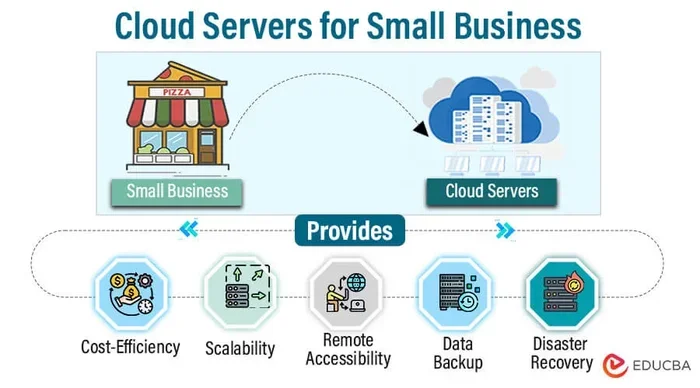
Cloud distributed systems let you pay only for the resources you use. You do not need to buy expensive hardware upfront. Cloud providers like AWS, Google Cloud, and Microsoft Azure offer pay-as-you-go pricing models that match the usage of distributed cloud infrastructure.
Challenges of Distributed Systems in Cloud Computing
Distributed computing in the cloud is not without its challenges. Understanding these problems helps you plan better solutions.
Network Latency
When nodes are spread across different locations, communication delays can add up. Network latency affects how fast nodes can share data. For real-time applications like video calls or online gaming, even small delays matter. Using edge computing can help reduce latency by processing data closer to the user.
Data Consistency
Keeping data the same across all nodes is tricky. This is known as the consistency model problem. Different systems use different approaches:
- Strong Consistency: All nodes see the same data at the same time.
- Eventual Consistency: Nodes may have different data for a short time but will eventually sync up.
- Consistency Models in CAP Theorem: The CAP theorem states that you can only guarantee two out of three: Consistency, Availability, and Partition Tolerance.
Security Concerns
More nodes mean more entry points for attackers. Distributed system security requires strong encryption, access controls, and regular monitoring. Distributed consensus protocols like Paxos and Raft help ensure that all nodes agree on the system state, which is important for maintaining integrity.
Complexity in Management
Managing a cloud native distributed system is complex. You need to handle deployment, monitoring, scaling, and updates across many nodes. Tools like Kubernetes and containerization with Docker help simplify this process. DevOps practices and infrastructure as code also make management easier.
Debugging and Troubleshooting
Finding the root cause of a problem in a distributed system can be difficult. When a request passes through multiple nodes, tracking errors requires specialized tools. Distributed tracing and centralized logging are essential practices for maintaining these systems.
Real-World Examples of Distributed Systems in Cloud Computing
Distributed cloud systems power many of the services you use every day. Here are some well-known examples:
Netflix
Netflix uses a microservices architecture running on AWS. Thousands of independent services handle everything from user authentication to video streaming. Distributed caching and content delivery networks ensure smooth playback for millions of users worldwide.
Amazon
Amazon’s e-commerce platform relies on distributed computing in the cloud to handle massive traffic during events like Prime Day. Load balancing and horizontal scaling keep the site running fast even under heavy load.
Google Search, Gmail, and Google Drive all run on Google Cloud distributed infrastructure. Google uses proprietary distributed databases and consensus algorithms to keep services fast and reliable.
Uber
Uber’s platform uses microservices to match riders with drivers in real time. Distributed data processing handles millions of requests per second across the globe.
Best Practices for Building Distributed Systems in the Cloud
If you are building a distributed system in cloud computing, follow these proven practices:
1. Design for Failure
Assume that nodes will fail. Build fault tolerance into your design from the start. Use redundancy and data replication so the system can recover quickly.
2. Use Containerization
Containerization with Docker and orchestration with Kubernetes make it easier to deploy and manage distributed services. Containers package your code and its dependencies into a single unit that runs consistently across environments.
3. Implement Observability
Use monitoring tools like Prometheus, Grafana, or Datadog to track the health of your distributed cloud infrastructure. Centralized logging and distributed tracing help you spot issues before they become problems.
4. Optimize for Network Efficiency
Minimize the number of network calls between nodes. Use distributed caching with tools like Redis or Memcached to reduce latency and improve response times.
5. Choose the Right Consistency Model
Not every application needs strong consistency. Choose the consistency model that matches your use case. Social media feeds can tolerate eventual consistency, while banking systems need strong consistency.
Quick Tips for Working with Distributed Cloud Systems
- Start small: Begin with a simple architecture and add complexity as needed.
- Automate everything: Use CI/CD pipelines for deployment and scaling.
- Monitor constantly: Set up alerts for node failures and performance drops.
- Secure by design: Implement encryption and access controls from day one.
- Test under load: Use stress testing tools to see how your system handles high traffic.
Common Mistakes to Avoid
- Ignoring network latency: Assuming all nodes communicate instantly leads to poor performance.
- Skipping fault tolerance: Not planning for failures is a recipe for downtime.
- Overcomplicating the architecture: Adding too many microservices can make the system harder to manage.
- Neglecting security: More nodes mean more attack surfaces. Do not skip security reviews.
- Not monitoring the system: Without proper observability, you will not know when something goes wrong.
Expert Insights
“The biggest shift in cloud computing has been from monolithic applications to distributed cloud architectures. Companies that embrace microservices and containerization can innovate faster and scale more efficiently.” — Cloud Architecture Expert
“Understanding distributed consensus and consistency models is critical. These concepts determine how reliable and accurate your system will be under real-world conditions.” — Distributed Systems Researcher
Conclusion
A distributed system in cloud computing is the foundation of modern digital services. From scalability to fault tolerance, distributed computing in the cloud offers powerful benefits that drive innovation across industries. While challenges like network latency and data consistency exist, following best practices and using the right tools can help you build reliable, high-performance systems.
Whether you are a developer, a business leader, or a curious learner, understanding distributed cloud systems gives you a clear advantage. The future of computing is distributed, and the cloud is where it all comes together. Start exploring cloud native distributed architectures today, and you will be ready for whatever the next wave of technology brings.
Frequently Asked Questions
What is a distributed system in cloud computing?
A distributed system in cloud computing is a network of independent computers that work together to appear as a single system. These nodes communicate over a network to share tasks, data, and resources, delivering scalable and reliable services.
How does distributed computing differ from traditional computing?
In traditional computing, a single machine handles all tasks. In distributed computing in the cloud, tasks are split across multiple nodes. This allows for better scalability, fault tolerance, and performance compared to relying on one machine.
What are the main benefits of distributed systems in the cloud?
The key benefits include horizontal scaling, fault tolerance, improved performance, cost efficiency, and high availability. Cloud distributed systems let businesses handle growing workloads without significant upfront investment in hardware.
What is the role of microservices in distributed cloud systems?
Microservices break applications into small, independent services that communicate through APIs. This service-oriented architecture makes cloud native distributed systems more flexible, easier to update, and simpler to scale.
What are common challenges in distributed systems?
Network latency, data consistency, security complexity, and management overhead are common challenges. The CAP theorem explains the trade-offs between consistency, availability, and partition tolerance in distributed cloud infrastructure.
Which tools help manage distributed systems in the cloud?
Tools like Kubernetes, Docker, Prometheus, Grafana, Redis, and API gateways are widely used. Containerization and observability tools make it easier to deploy, monitor, and maintain distributed cloud systems.
=== END ===