Data Breaches in Cloud Computing Are a Growing Threat
Data breaches in cloud computing are rising fast, putting sensitive business and customer data at serious risk. Companies of all sizes face threats from misconfigured settings, weak access controls, and sophisticated cyber attacks. Understanding the root causes and taking proactive steps can dramatically reduce your exposure. This guide covers everything you need to know to stay safe in the cloud.
Cloud computing has changed the way businesses operate. It offers flexibility, scalability, and cost savings that traditional IT setups simply cannot match. But with these benefits come serious risks. Data breaches in cloud computing are happening more often, and the consequences can be devastating for any organization.
Every day, companies store vast amounts of sensitive data in the cloud. Customer records, financial details, and intellectual property all live on remote servers managed by cloud providers. When that data gets exposed, the fallout can be enormous. From financial losses to damaged trust, the effects ripple outward in ways many businesses never expect.
Understanding how these breaches happen is the first step toward preventing them. This guide breaks down the most common causes, the real-world impact, and the practical steps you can take to protect your data. Whether you are a small business owner or an IT decision-maker at a large enterprise, the insights here will help you build a stronger cloud security posture.
Key Takeaways
- Misconfiguration is the #1 cause: Most cloud breaches happen because of simple setup errors, not advanced hacking.
- Shared responsibility matters: Both cloud providers and customers share the burden of keeping data safe.
- Encryption is essential: Encrypting data at rest and in transit adds a critical layer of protection.
- Access control prevents unauthorized use: Strong identity management and multi-factor authentication block most attacks.
- Regular audits catch problems early: Routine security checks help you find vulnerabilities before attackers do.
- The financial impact is real: A single breach can cost millions in fines, lost revenue, and reputational damage.
- Zero trust is the future: Adopting a zero trust approach is one of the best ways to secure cloud environments.
📑 Table of Contents
What Are Data Breaches in Cloud Computing?
A data breach in cloud computing occurs when unauthorized users gain access to sensitive information stored on cloud platforms. This can happen through hacking, human error, or poor security configurations. The data exposed might include personal customer details, login credentials, financial records, or proprietary business information.
How Cloud Breaches Differ from Traditional Breaches
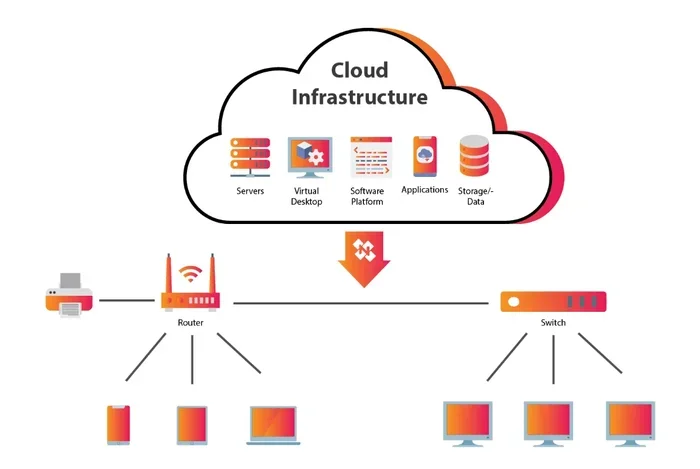
Cloud environments are not the same as on-premises servers. In a traditional setup, your IT team controls the physical hardware and most of the security layers. In the cloud, you share responsibility with your provider. This shared model creates unique vulnerabilities that do not exist in traditional data centers.
For example, a cloud security breach might stem from a simple misconfiguration in access permissions. One wrong setting can expose thousands of records to the public internet. In traditional environments, such a mistake would usually require physical access to the server or a more complex attack path.
Common Types of Cloud Data Breaches
Not all breaches look the same. Here are the most common types that affect cloud environments:
- Unauthorized access: Hackers or malicious insiders gain entry to cloud systems without permission.
- Data exposure: Misconfigured storage buckets or databases make sensitive data publicly visible.
- Insider threats: Employees or contractors misuse their access privileges to steal or leak data.
- Malware attacks: Malicious software infects cloud systems and exfiltrates data over time.
- Man-in-the-middle attacks: Attackers intercept data as it moves between users and cloud services.
Why Cloud Environments Are Prime Targets
Cyber criminals are drawn to cloud environments for several reasons. The sheer volume of data stored in the cloud makes it an attractive target. At the same time, many organizations underestimate the risks and fail to implement proper cloud security measures.
The Growing Threat Landscape
The cloud threat landscape has expanded dramatically in recent years. More businesses moved to the cloud during the pandemic, and many did not update their security practices along the way. Attackers noticed this gap and exploited it aggressively.
Today, ransomware groups specifically target cloud platforms. They know that a single successful attack can lock up critical business data and demand large ransoms. The cyber attack surface in cloud environments is vast, and it keeps growing as companies adopt new cloud services and tools.
Why Attackers Love the Cloud
There are several reasons why cloud platforms attract cyber criminals:
- High-value data: Clouds store enormous amounts of sensitive information in one place.
- Connectivity: Cloud services are accessible from anywhere, which also means attackers can reach them from anywhere.
- Misconfigurations are common: Many cloud setups have security gaps that are easy to exploit.
- Shared infrastructure: A vulnerability in one tenant’s environment can potentially affect others.
Common Causes of Cloud Data Breaches
Most cloud security breaches do not happen because of highly sophisticated hacking techniques. They occur because of preventable mistakes and overlooked vulnerabilities. Understanding these causes is essential for building effective defenses.
Misconfigured Cloud Settings
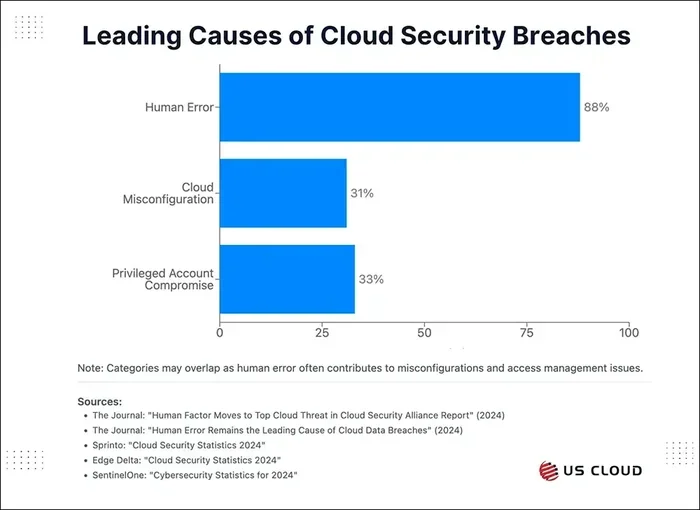
Misconfiguration is the leading cause of data breaches in cloud computing. When storage buckets, databases, or access policies are set up incorrectly, sensitive data can become publicly accessible. This happens more often than you might think.
For example, an Amazon S3 bucket left open to the internet can expose millions of records in minutes. The company might not even realize the mistake until it is too late. Regular configuration audits and automated monitoring can catch these issues before they lead to a breach.
Weak Identity and Access Management
Poor access control is another major contributor to cloud breaches. When users have more permissions than they need, the risk grows significantly. A compromised account with broad access can cause massive damage in a short time.
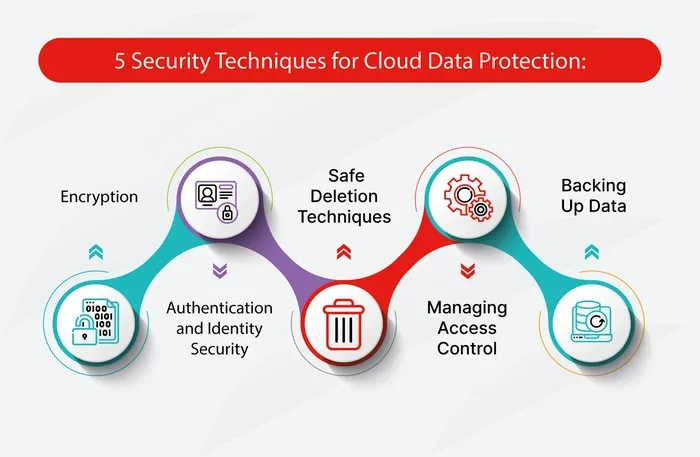
Identity management and access control should follow the principle of least privilege. Every user should only have the minimum permissions required to do their job. Reviewing these permissions regularly helps ensure that former employees or changed roles do not leave gaps in your security.
Lack of Encryption
Encryption is one of the most effective ways to protect data in the cloud. When data is not encrypted at rest or in transit, attackers can read it even if they intercept it. Many breaches that could have been minor become major incidents simply because the data was not encrypted.
Using strong encryption standards and managing encryption keys properly adds a powerful layer of defense. Even if attackers access your cloud storage, encrypted data is extremely difficult to exploit.
Insufficient Monitoring and Logging
You cannot protect what you cannot see. Many organizations lack adequate monitoring tools for their cloud environments. Without proper logging, suspicious activity goes unnoticed for days or even weeks.
Implementing data loss prevention tools and setting up real-time alerts helps you detect unusual behavior quickly. The faster you identify a potential breach, the faster you can respond and limit the damage.
The Impact of Cloud Data Breaches
The consequences of a cloud security incident go far beyond the immediate technical problem. Organizations face financial, legal, and reputational damage that can take years to recover from.
Financial Costs
The average cost of a data breach continues to rise year after year. According to industry reports, the global average cost of a breach now exceeds several million dollars. For small and medium-sized businesses, these costs can be absolutely devastating.
Financial losses come from multiple sources:
- Regulatory fines and legal fees
- Cost of notifying affected customers
- Remediation and system recovery expenses
- Lost business during the downtime
- Increased insurance premiums
Reputation and Customer Trust
Trust is hard to earn and easy to lose. When customers learn that their personal data was exposed in a security breach, they lose confidence in the organization. This damage to reputation can lead to customer churn, negative media coverage, and long-term brand harm.
In today’s competitive market, rebuilding trust after a breach takes significant time and effort. Many companies find that the reputational cost exceeds the direct financial loss.
Regulatory and Legal Consequences
Governments around the world have introduced strict data protection laws. Regulations like GDPR, CCPA, and HIPAA impose heavy penalties for data breaches. Organizations that fail to protect sensitive data in the cloud may face legal action from regulators and affected individuals alike.
Staying compliant with data privacy regulations requires ongoing effort. It is not a one-time setup but a continuous process of monitoring, auditing, and improving your security practices.
How to Prevent Data Breaches in Cloud Computing
The good news is that most cloud data breaches are preventable. With the right strategies and tools, organizations can significantly reduce their risk and protect their valuable data.
Implement Strong Encryption
Encryption should be a non-negotiable part of your cloud strategy. Encrypt all sensitive data both at rest and in transit. Use strong encryption algorithms and manage your encryption keys securely. Many cloud providers offer built-in encryption tools that make this easier than ever.
Quick Tip: Always verify that your cloud provider supports encryption by default. If it does not, consider using third-party encryption solutions to fill the gap.
Adopt Multi-Factor Authentication
Multi-factor authentication (MFA) adds an extra layer of protection beyond just passwords. Even if a hacker steals a user’s credentials, they still cannot access the system without the second factor. Enabling MFA for all user accounts is one of the simplest and most effective security steps you can take.
Use authenticator apps or hardware tokens instead of SMS-based codes when possible. These methods are more resistant to phishing and SIM-swapping attacks.
Conduct Regular Security Audits
Regular audits help you find and fix vulnerabilities before attackers do. Review your cloud configurations, access controls, and security policies on a consistent schedule. Automated scanning tools can speed up this process and catch issues that manual reviews might miss.
Consider hiring an external security firm to perform penetration testing. These experts simulate real-world attacks to identify weaknesses in your cloud setup. Their findings can guide your remediation efforts and strengthen your overall security posture.
Train Your Employees
Human error remains one of the biggest causes of data breaches in cloud computing. Phishing emails, weak passwords, and accidental data sharing all stem from human mistakes. Regular security training helps employees recognize threats and respond appropriately.
Make security training a regular part of your company culture. Cover topics like password hygiene, social engineering, and safe cloud usage. When every employee understands their role in security, your overall risk drops significantly.
Adopt a Zero Trust Approach
The zero trust security model operates on a simple principle: never trust, always verify. In a zero trust setup, every user and device must be authenticated and authorized before accessing any resource, regardless of their location or network.
This approach is especially effective in cloud environments where users access systems from multiple devices and locations. Implementing zero trust means setting up strict access controls, continuous monitoring, and micro-segmentation of your cloud resources.
Choosing a Secure Cloud Provider
Your choice of cloud provider plays a big role in your overall security. Not all providers offer the same level of protection, and understanding what to look for can help you make a smarter decision.
What to Look for in a Cloud Provider
When evaluating cloud providers, consider these key security factors:
- Compliance certifications: Look for providers that meet industry standards like SOC 2, ISO 27001, and HIPAA.
- Built-in security features: Check for encryption, MFA, intrusion detection, and automated backup capabilities.
- Transparency: Choose providers that are open about their security practices, incident response procedures, and data handling policies.
- Shared responsibility documentation: Understand exactly which security tasks fall on you and which are handled by the provider.
The shared responsibility model is a critical concept in cloud security. Your provider secures the infrastructure, but you are responsible for securing your data and access policies. Confusing these boundaries is one of the most common reasons organizations experience cloud security breaches.
Top Cloud Providers and Their Security Offerings
Most major cloud providers invest heavily in security, but their offerings differ. Here is a quick comparison of what leading providers bring to the table:
- Amazon Web Services (AWS): Offers extensive compliance programs, encryption tools, and identity management through AWS IAM.
- Microsoft Azure: Provides strong enterprise security features, built-in threat detection, and integration with Microsoft’s security ecosystem.
- Google Cloud: Known for advanced threat intelligence, data encryption, and AI-powered security monitoring.
No provider is completely immune to breaches. Your security depends just as much on how you configure and manage your cloud environment as it does on the provider’s capabilities.
Key Takeaways
- Data breaches in cloud computing are a real and growing threat that affects businesses of every size.
- Misconfiguration and weak access controls are the top causes of most cloud breaches.
- Encryption, MFA, and regular audits form the foundation of a strong cloud security strategy.
- The financial and reputational costs of a breach can be severe and long-lasting.
- Zero trust principles and employee training significantly reduce your risk exposure.
- Choosing the right cloud provider and understanding the shared responsibility model are essential steps.
Data breaches in cloud computing are not a question of if but when for most organizations. The goal is to be prepared. By understanding the risks, implementing strong security practices, and staying vigilant, you can protect your data and keep your business safe in the cloud.
Start with the basics. Enable encryption, set up multi-factor authentication, and review your access controls today. These simple steps make a bigger difference than most people realize. Then build on that foundation with regular audits, employee training, and a zero trust mindset. The cloud offers incredible opportunities, but only if you use it securely.
Take action now. Do not wait for a breach to force your hand. The time to strengthen your cloud security is before an incident happens. Your data, your customers, and your business depend on it.
Frequently Asked Questions
What causes most data breaches in cloud computing?
Most cloud breaches are caused by misconfigured settings, weak access controls, and insufficient encryption. Human error plays a major role, including accidental data exposure and poor security practices. Attackers often exploit these simple vulnerabilities rather than using advanced hacking techniques.
How can businesses prevent data breaches in the cloud?
Businesses can prevent breaches by enabling encryption, implementing multi-factor authentication, conducting regular security audits, and training employees. Adopting a zero trust approach and reviewing access controls frequently also helps significantly reduce risk.
Are cloud providers responsible for security breaches?
Cloud providers and customers share security responsibility. Providers secure the underlying infrastructure, but customers are responsible for their own data, access policies, and configurations. Many breaches happen because customers misunderstand this shared responsibility model.
What is the cost of a cloud data breach?
The cost varies widely depending on the size of the breach and the organization. On average, a single data breach can cost millions of dollars when factoring in fines, legal fees, remediation, and lost business. Smaller businesses often feel the impact more severely.
What is the zero trust security model?
Zero trust is a security approach where no user or device is trusted by default. Every access request must be verified, regardless of where it comes from. This model is highly effective in cloud environments where users access systems from various locations and devices.
How does encryption help prevent cloud breaches?
Encryption protects data by converting it into unreadable code that only authorized parties can decode. Even if attackers access encrypted data, they cannot read or use it without the decryption keys. It is one of the most effective defenses against data exposure in the cloud.
=== CONCLUSION ===
Data breaches in cloud computing pose a serious and growing threat to organizations everywhere. The risks are real, the costs are high, and the consequences can last for years. But with the right knowledge and tools, you can protect your business and your customers.
Start by addressing the basics: fix misconfigurations, enable strong access controls, encrypt your data, and train your team. Build a security culture that treats every breach as preventable. Stay informed about the evolving threat landscape and continuously improve your defenses.
The cloud is a powerful tool, and it does not have to be a security liability. Take charge of your cloud security today and enjoy the benefits of the cloud with confidence and peace of mind.