Impact of Cloud Computing on Business in the Modern Era
The impact of cloud computing on business is massive and growing every year. Companies that use cloud services save money, work faster, and scale easily. This guide breaks down how cloud technology changes the way businesses operate, from small startups to large enterprises.
The impact of cloud computing on business has been one of the biggest shifts in how companies operate over the past decade. From tiny startups to global corporations, organizations of all sizes now rely on cloud technology to run their daily operations. If you have ever used Google Docs, Zoom, or Salesforce, you have already experienced the cloud firsthand.
But what does this shift really mean for businesses? How does moving to the cloud change the way companies save money, serve customers, and stay competitive? The impact of cloud computing on business goes far beyond just storing files online. It reshapes entire business models, improves team collaboration, and opens doors to new revenue streams. In this article, we will explore every major way cloud computing transforms modern business.
Key Takeaways
- Cost Savings: Cloud computing reduces IT expenses and removes the need for expensive hardware.
- Scalability: Businesses can grow or shrink resources based on demand instantly.
- Remote Work Enablement: Cloud tools let teams collaborate from anywhere in the world.
- Better Security: Leading cloud providers offer enterprise-grade protection for sensitive data.
- Faster Innovation: Cloud platforms speed up development and deployment of new products.
- Disaster Recovery: Cloud-based backup keeps business data safe during outages or emergencies.
- Competitive Edge: Companies using cloud technology stay ahead of slower-moving competitors.
📑 Table of Contents
- What Is Cloud Computing and Why Does It Matter for Business?
- Cost Savings: How Cloud Computing Reduces Business Expenses
- Scalability and Agility: How the Cloud Helps Businesses Grow
- Remote Work and Collaboration: The Cloud as a Team Engine
- Cloud Security and Data Protection
- Driving Innovation and Competitive Advantage
- Common Mistakes Businesses Make During Cloud Adoption
- The Future of Cloud Computing in Business
What Is Cloud Computing and Why Does It Matter for Business?
Cloud computing means accessing computing services over the internet instead of relying on local servers or personal computers. These services include data storage, software applications, databases, and processing power. Instead of buying expensive hardware and maintaining it on-site, businesses rent these resources from cloud providers.
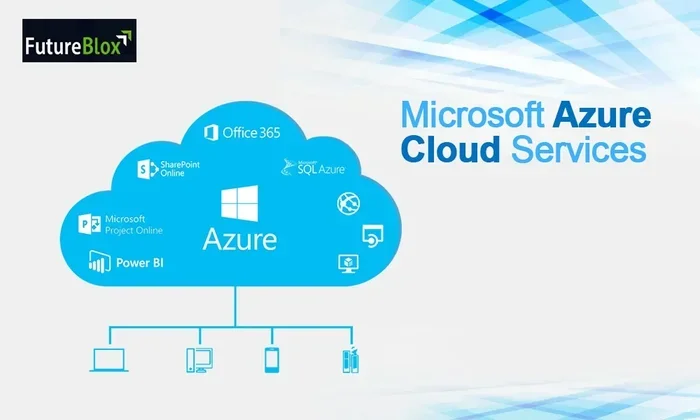
The impact of cloud computing on business started small but has grown rapidly. In the early days, companies used the cloud mainly for basic file storage. Today, cloud platforms like Amazon Web Services, Microsoft Azure, and Google Cloud offer powerful tools for everything from artificial intelligence to customer relationship management. The shift to cloud adoption has become essential for businesses that want to stay relevant in a digital-first world.
Why Businesses Are Moving to the Cloud
Several factors drive the rapid cloud migration trend across industries:
- Lower upfront costs — No need to invest in physical servers or data centers.
- Flexibility — Companies can adjust resources up or down based on real-time needs.
- Automatic updates — Cloud providers handle maintenance, security patches, and system upgrades.
- Global reach — Businesses can deploy applications in multiple regions around the world.
- Disaster recovery — Cloud-based backup ensures data stays safe during unexpected events.
These benefits explain why the impact of cloud computing on business continues to expand. Companies that delay cloud adoption risk falling behind competitors who move faster and spend less on IT infrastructure.
Cost Savings: How Cloud Computing Reduces Business Expenses
One of the most significant benefits of the impact of cloud computing on business is the reduction in operating costs. Traditional IT setups require businesses to purchase servers, hire IT staff, pay for electricity, and replace outdated equipment every few years. This model is expensive and hard to predict.
Cloud computing flips this model on its head. Instead of large capital expenses, businesses pay for what they use on a subscription basis. This pay-as-you-go approach aligns costs with actual usage. Small businesses especially benefit because they do not need to make huge upfront investments to access enterprise-grade tools.
Breaking Down the Cost Benefits
Here is how cloud technology helps businesses save money:
- Reduced hardware costs. Companies eliminate the need to buy and maintain physical servers. This frees up capital for other priorities like marketing or product development.
- Lower energy bills. Cloud providers run massive, energy-efficient data centers. Businesses no longer pay to cool and power their own server rooms.
- Fewer IT staff needed. Cloud providers handle maintenance, so companies can reduce their in-house IT team size or redirect those employees to strategic tasks.
- No upgrade expenses. Cloud platforms update automatically. Businesses never pay for costly software upgrades or hardware replacements.
- Scalable spending. During slow seasons, companies use fewer resources and spend less. During peak times, they scale up without buying new equipment.
The impact of cloud computing on business in terms of cost savings is clear and measurable. Studies consistently show that companies using cloud services spend 20 to 40 percent less on IT than those relying on traditional infrastructure.
Scalability and Agility: How the Cloud Helps Businesses Grow
Every business faces periods of growth and slowdown. The beauty of cloud infrastructure is that it adapts to these changes effortlessly. This business agility is one of the most powerful outcomes of the impact of cloud computing on business.
With traditional on-premise systems, scaling up means buying new servers, installing software, and waiting weeks for setup. Scaling down means wasted resources and sunk costs. The cloud removes this friction entirely. Businesses can add or remove computing power with just a few clicks.
Real-World Examples of Cloud Scalability
Consider an online retail store during the holiday season. Traffic spikes dramatically in November and December. With cloud technology, the store automatically scales up its server capacity to handle the surge. After the holidays, it scales back down and stops paying for unused resources. This kind of flexibility was impossible with traditional IT setups.
Another example involves a growing startup. In its first year, the company might need only basic tools for ten employees. As the team expands to 200 people, the cloud platform grows with it. No major infrastructure overhaul is needed. The impact of cloud computing on business in this scenario is enormous — it removes the barriers that normally slow down growth.
Types of Cloud Models That Support Scalability
Businesses choose from several cloud computing trends when building their infrastructure:
- Public cloud — Resources are shared across multiple clients on a provider’s network. It offers the most flexibility and lowest cost.
- Private cloud — Dedicated resources for a single organization. It provides more control and customization.
- Hybrid cloud — Combines public and private clouds. Businesses keep sensitive data private while using the public cloud for less critical workloads.
- Multi-cloud — Uses services from multiple cloud providers simultaneously. This approach avoids vendor lock-in and increases redundancy.
Each model supports scalability in different ways. The right choice depends on a company’s budget, security needs, and growth plans.
Remote Work and Collaboration: The Cloud as a Team Engine
The impact of cloud computing on business became even more visible during the remote work revolution. When offices closed and teams went home, cloud tools kept businesses running. Video conferencing, shared document editing, and project management platforms all depend on cloud technology.
Today, remote and hybrid work models are standard in many industries. Cloud-based collaboration tools make it easy for teams to work together regardless of location. Employees in New York can edit a document at the same time as colleagues in London or Tokyo. This level of real-time collaboration was not possible before the cloud era.
Key Cloud Tools That Power Remote Teams
Several categories of cloud services enable seamless remote collaboration:
- Communication tools — Slack, Microsoft Teams, and Zoom keep teams connected through messaging, calls, and video meetings.
- Document sharing — Google Workspace and Microsoft 365 allow multiple users to create and edit files simultaneously.
- Project management — Platforms like Asana, Trello, and Monday.com help teams track tasks and deadlines from anywhere.
- Customer relationship management — Salesforce and HubSpot let sales teams access customer data from any device with internet access.
- Design and creative tools — Canva, Figma, and Adobe Creative Cloud enable designers to collaborate on visual projects in real time.
The impact of cloud computing on business on team productivity is well documented. Companies that adopt cloud collaboration tools report higher employee satisfaction, faster project completion, and better communication across departments.
Cloud Security and Data Protection
One concern businesses often raise about the cloud is security. After all, storing sensitive company data on external servers can feel risky. However, the impact of cloud computing on business includes significant security improvements that many companies overlook.
Major cloud providers invest billions of dollars in cloud security every year. They employ teams of experts, use advanced encryption, and comply with strict industry regulations. Most small and mid-sized businesses could never afford this level of security on their own. By using cloud services, they inherit these protections automatically.
How Cloud Providers Keep Data Safe
Leading cloud platforms use multiple layers of security:
- Encryption at rest and in transit — Data is scrambled so unauthorized users cannot read it.
- Multi-factor authentication — Users must verify their identity through multiple steps before accessing data.
- Regular security audits — Independent experts test cloud systems for vulnerabilities on a regular basis.
- Automatic backups — Data is copied across multiple locations, ensuring it survives hardware failures or disasters.
- Compliance certifications — Providers meet standards like SOC 2, HIPAA, and GDPR for handling sensitive information.
While no system is completely immune to threats, the impact of cloud computing on business on security is overwhelmingly positive. Companies that move to the cloud typically see fewer data breaches and faster incident responses compared to those relying on outdated on-premise systems.
Quick Tips for Improving Cloud Security
- Always enable multi-factor authentication for all user accounts.
- Review access permissions regularly and remove unused accounts.
- Use strong, unique passwords and consider a password manager.
- Train employees on recognizing phishing and social engineering attacks.
- Choose a cloud provider that matches your industry’s compliance requirements.
Driving Innovation and Competitive Advantage
The impact of cloud computing on business goes beyond cost savings and operational efficiency. It also fuels innovation. Cloud platforms provide access to cutting-edge technologies like artificial intelligence, machine learning, and big data analytics. These tools were once available only to large corporations with massive IT budgets.
Today, a small startup can use the same cloud technology that powers Fortune 500 companies. This levels the playing field and encourages competition. New businesses can launch products faster, test ideas with minimal risk, and iterate based on real customer data.
How Cloud Technology Accelerates Innovation
Several cloud computing trends show how the cloud drives business innovation:
- AI and machine learning as a service. Companies can add intelligent features like chatbots, recommendation engines, and predictive analytics without building models from scratch.
- Rapid prototyping. Cloud development tools let teams build and test new products in days instead of months.
- Data-driven decision making. Cloud analytics platforms process huge datasets quickly, giving leaders real-time insights to guide strategy.
- Faster time to market. With pre-built cloud services and APIs, businesses launch new features and products ahead of competitors.
- Ecosystem integration. Cloud platforms connect easily with third-party tools, creating powerful workflows without custom coding.
The impact of cloud computing on business on innovation is especially strong for small and medium enterprises. These companies gain access to tools that were once out of reach, allowing them to compete with larger, more established players.
Expert Insights
Industry leaders consistently highlight the cloud as a key driver of modern business success. According to recent studies, over 90 percent of enterprises now use some form of cloud services in their operations. The trend is clear: businesses that embrace cloud technology innovate faster, respond to market changes more quickly, and deliver better customer experiences.
Cloud migration is no longer optional for companies that want to remain competitive. The impact of cloud computing on business on innovation and market positioning will only grow stronger as cloud providers continue to introduce new capabilities and lower costs.
Common Mistakes Businesses Make During Cloud Adoption
While the benefits of cloud technology are clear, not every cloud migration goes smoothly. Many businesses make avoidable mistakes that reduce the impact of cloud computing on business or even create new problems. Understanding these pitfalls helps companies plan better and get more value from their cloud investment.
Mistakes to Avoid
- Choosing a provider without evaluating needs. Not all cloud platforms are the same. Businesses should assess their specific requirements before committing to a provider.
- Ignoring security responsibilities. While providers handle infrastructure security, companies must still protect their own data, manage user access, and follow best practices.
- Underestimating costs. Cloud services operate on a pay-as-you-go model, but costs can spiral if usage is not monitored and optimized regularly.
- Poor training and change management. Employees need proper training to use cloud tools effectively. Without it, adoption rates drop and productivity suffers.
- Vendor lock-in. Relying too heavily on one provider makes it difficult and expensive to switch later. A multi-cloud or hybrid strategy can reduce this risk.
By avoiding these common mistakes, businesses maximize the positive impact of cloud computing on business and build a strong foundation for long-term growth.
The Future of Cloud Computing in Business
The impact of cloud computing on business is not slowing down. New technologies and trends continue to shape the future of how companies use the cloud. Understanding these developments helps business leaders make smarter decisions today and prepare for what comes next.
Emerging Cloud Computing Trends to Watch
- Edge computing — Processing data closer to where it is generated, reducing latency and improving real-time applications.
- Serverless architecture — Allowing developers to build and run applications without managing servers, further reducing operational overhead.
- AI-powered cloud management — Using artificial intelligence to optimize resource allocation, predict costs, and automate routine tasks.
- Sustainable cloud — Cloud providers are investing in renewable energy and green data centers to reduce environmental impact.
- Industry-specific cloud solutions — Tailored cloud services designed for healthcare, finance, retail, and other specific sectors.
These trends show that the impact of cloud computing on business will continue to deepen in the coming years. Companies that stay informed and adapt early will be best positioned to succeed.
Key Takeaways
- Cost reduction remains the top reason businesses adopt cloud services.
- Scalability and agility give companies a major competitive advantage.
- Remote collaboration tools powered by the cloud are now essential for modern teams.
- Cloud security has improved dramatically, making the cloud safer than most on-premise alternatives.
- Innovation acceleration through AI, analytics, and rapid development is a key strategic benefit.
- Avoiding common adoption mistakes ensures businesses get the full value of their cloud investment.
- The future of cloud computing is bright, with edge computing, serverless, and sustainability leading the way.
The impact of cloud computing on business in the modern era is undeniable. Whether a company is just starting out or has operated for decades, cloud technology offers tools and opportunities that were unimaginable a generation ago. The businesses that embrace this shift fully — not just as a cost-saving measure but as a strategic advantage — will lead their industries into the future.
Start by evaluating your current IT setup. Identify areas where cloud technology can deliver the most value. Then, choose a cloud provider that aligns with your goals, budget, and security requirements. The journey to the cloud does not have to happen overnight. A thoughtful, phased cloud migration approach reduces risk and ensures long-term success.
The impact of cloud computing on business is not just a trend. It is a fundamental shift in how organizations operate, compete, and grow. Companies that recognize this and act accordingly will be the ones that thrive in the modern era.
Frequently Asked Questions
What is the main impact of cloud computing on business?
The main impact of cloud computing on business is the dramatic reduction in IT costs combined with increased scalability and flexibility. Companies can access powerful tools and infrastructure without large upfront investments, allowing them to grow and adapt quickly to changing market conditions.
How does cloud computing help small businesses specifically?
Cloud computing levels the playing field for small businesses by giving them access to enterprise-grade tools at affordable prices. Small companies can use the same cloud platforms and applications as large corporations, enabling them to compete more effectively and scale faster without hiring large IT teams.
Is cloud computing safe for storing sensitive business data?
Yes, leading cloud providers invest heavily in security measures including encryption, multi-factor authentication, and regular audits. In most cases, cloud environments are safer than traditional on-premise setups because providers have dedicated security teams and resources that individual businesses cannot match.
How long does a cloud migration typically take?
The timeline for cloud migration varies depending on the size and complexity of the business. Small companies with simple setups can migrate in a few weeks, while larger enterprises with complex systems may take several months. A phased approach helps minimize disruption and ensures a smoother transition.
What are the most common cloud computing trends businesses should watch?
Key trends include edge computing for faster processing, serverless architecture for reduced operational work, AI-powered cloud management for automation, and sustainable cloud practices focused on reducing environmental impact. These trends are shaping how businesses leverage cloud technology in the coming years.
Can cloud computing improve team collaboration?
Absolutely. Cloud-based tools like shared document platforms, video conferencing, and project management apps allow teams to work together in real time from anywhere in the world. This has become especially important as remote and hybrid work models continue to grow across industries.
=== CONCLUSION ===
The impact of cloud computing on business touches every part of modern operations. From cutting costs and enabling remote work to driving innovation and strengthening security, cloud technology has become the backbone of successful businesses. The companies that understand and embrace this impact are the ones that will lead in the years ahead. Start exploring cloud solutions today and experience the difference for yourself.