Benefits of Cloud Computing in Healthcare Explained
The benefits of cloud computing in healthcare are transforming how doctors, hospitals, and clinics manage patient data and deliver care. Cloud-based systems make it easier to store electronic health records, enable telemedicine, and improve collaboration among healthcare teams. This article breaks down the top advantages, real-world examples, and practical tips for adopting cloud solutions in the medical field.
The benefits of cloud computing in healthcare go far beyond simple data storage. For years, hospitals and clinics relied on bulky servers, paper files, and outdated IT systems. Today, cloud technology is changing the game. It gives healthcare providers faster access to patient data, lowers costs, and makes collaboration easier than ever before.
Whether you are a doctor, a hospital administrator, or a tech professional exploring healthcare IT, understanding cloud computing is essential. This guide covers everything you need to know about why the cloud is becoming the backbone of modern medicine. We will walk through the key advantages, real-world examples, and practical advice you can use right away.
Key Takeaways
- Cost Efficiency: Cloud computing reduces the need for expensive on-site servers and IT maintenance.
- Better Patient Care: Cloud tools give doctors instant access to patient records, improving diagnosis and treatment speed.
- Scalability: Healthcare organizations can grow their storage and computing needs up or down with ease.
- Enhanced Data Security: Leading cloud providers offer strong encryption and HIPAA-compliant storage options.
- Telemedicine Support: Cloud platforms power remote consultations and monitoring, expanding access to care.
- Disaster Recovery: Cloud backups protect critical medical data from hardware failures, natural disasters, and cyberattacks.
📑 Table of Contents
What Is Cloud Computing in Healthcare?
Cloud computing in healthcare means using remote servers hosted on the internet to store, manage, and process medical data. Instead of keeping all files on a local hard drive or an on-site server, healthcare organizations can use cloud-based solutions to access information from anywhere with an internet connection.
This shift has been part of a larger digital transformation in the medical industry. Electronic health records, telemedicine platforms, and AI-powered diagnostic tools all depend on the cloud to function smoothly. The move to cloud-based solutions has accelerated rapidly, especially since the COVID-19 pandemic pushed many providers to adopt remote and digital tools.
How Does It Work?
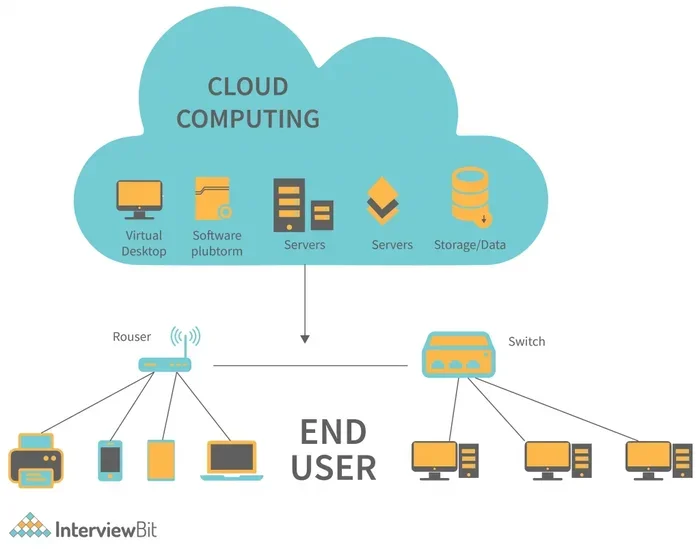
At its core, cloud computing uses a network of remote servers managed by a third-party provider. These servers handle data storage, computing power, and software applications. Healthcare organizations pay for the services they use, much like paying for electricity or water. This model is known as Infrastructure as a Service, or IaaS, and it removes the need for expensive hardware and dedicated IT staff.
Key Benefits of Cloud Computing in Healthcare
The benefits of cloud computing in healthcare touch nearly every part of a medical organization. Here are the most impactful advantages that make cloud adoption so attractive.
Improved Access to Patient Data
One of the biggest advantages of cloud computing in healthcare is instant access to patient records. Doctors can pull up a patient’s history, lab results, and imaging scans from any device with an internet connection. This means faster diagnoses, fewer errors, and better coordination between specialists.
For example, a patient visiting a specialist in another city can share their records instantly. The doctor can review the data before the appointment even starts. This kind of real-time data access was nearly impossible with traditional paper-based systems.
Scalability and Flexibility
Cloud platforms offer unmatched scalability. A small clinic can start with a basic plan and expand as it grows. A large hospital system can add thousands of users and massive storage capacity without buying new hardware. This flexibility makes cloud solutions ideal for organizations of all sizes.
During flu season or a public health crisis, demand for data storage and computing power can spike. The cloud handles these surges automatically, so there is no need to invest in temporary infrastructure. This elastic scalability is one of the most practical benefits of cloud computing in healthcare.
Enhanced Collaboration Among Providers
Cloud-based tools make it easy for healthcare teams to collaborate in real time. Multiple doctors can view and update a patient’s record simultaneously. Nurses, lab technicians, and pharmacists can all access the same up-to-date information.
This level of interoperability reduces miscommunication and prevents duplicate tests. It also improves the patient experience because people no longer need to repeat their medical history at every visit. Cloud collaboration tools have become a standard expectation in modern healthcare settings.
How Cloud Computing Improves Patient Care
The ultimate goal of any healthcare technology is better patient outcomes. Cloud computing plays a direct role in improving the quality and speed of care delivered to patients.
Telemedicine and Remote Care
Telemedicine exploded in popularity over the past few years, and cloud platforms made it possible. Doctors can conduct virtual visits, monitor patients remotely, and share test results instantly — all through cloud-based applications. Patients in rural or underserved areas benefit the most because they can access specialists without traveling long distances.
Cloud-powered remote patient monitoring devices track vital signs like heart rate, blood pressure, and blood sugar levels. This data flows directly to the cloud, where doctors can review it and intervene early if something looks wrong. This proactive approach to care can prevent hospital readmissions and save lives.
Faster Diagnoses and Treatment Plans
When doctors have immediate access to a patient’s full medical history, they can make more informed decisions. Cloud systems integrate with electronic health records and diagnostic tools to provide a complete picture of a patient’s health. This leads to faster, more accurate diagnoses and more effective treatment plans.
For instance, a radiologist can review a CT scan stored in the cloud within seconds. They can compare it with previous scans from the same patient, even if those scans were taken at a different facility. This level of efficiency reduces wait times and helps patients start treatment sooner.
Personalized Medicine
The cloud also supports personalized medicine, where treatments are tailored to an individual’s genetic makeup, lifestyle, and medical history. Analyzing large datasets requires enormous computing power, which the cloud provides affordably. Researchers and doctors can use cloud-based AI tools to identify patterns and recommend customized treatment options.
Cost Savings and Operational Efficiency
Running a hospital or clinic is expensive. IT infrastructure alone can eat up a huge portion of a healthcare organization’s budget. Cloud computing offers a way to significantly cut costs while improving efficiency.
Reducing IT Infrastructure Costs
Traditional IT setups require purchasing servers, maintaining cooling systems, and hiring specialized staff. Cloud computing eliminates most of these expenses. Organizations pay a monthly or annual subscription instead of making large upfront investments. This pay-as-you-go model frees up capital that can be redirected to patient care.
Smaller clinics and private practices benefit the most from this cost savings. They can access enterprise-grade technology without the price tag of building and maintaining their own data centers.
Automating Routine Tasks
Cloud-based healthcare IT systems automate many routine administrative tasks. Scheduling appointments, billing, and coding can all be handled by cloud software. This automation reduces the workload on staff and minimizes human errors.
For example, a cloud-based billing system can automatically submit insurance claims and track payments. Staff members spend less time on paperwork and more time helping patients. This operational efficiency is one of the most practical benefits of cloud computing in healthcare.
Freeing Up Space and Resources
When hospitals move their data to the cloud, they no longer need server rooms filled with hardware. This frees up valuable physical space that can be used for patient care or other purposes. It also reduces the energy consumption associated with running on-site servers, which lowers utility bills and supports sustainability goals.
Data Security and HIPAA Compliance
Security is a top concern for any healthcare organization. Medical data is highly sensitive, and breaches can have serious consequences. The good news is that leading cloud providers invest heavily in security measures that most individual organizations could never afford on their own.
Encryption and Access Controls
Cloud platforms use advanced encryption to protect data both in transit and at rest. This means that even if someone intercepts the data, they cannot read it without the proper decryption key. Cloud providers also offer granular access controls, so only authorized personnel can view or modify specific records.
These security features help healthcare organizations meet HIPAA compliance requirements. HIPAA sets strict standards for protecting patient information, and reputable cloud providers build their platforms to align with these regulations. Many also offer HIPAA-compliant service agreements, which simplifies the compliance process for healthcare providers.
Disaster Recovery and Data Backup
Data loss can be catastrophic in healthcare. A server crash, natural disaster, or cyberattack could erase years of patient records. Cloud computing provides automatic backups and disaster recovery solutions that keep data safe and accessible.
Cloud providers store data across multiple geographic locations. If one data center goes offline, the data is still available from another location. This redundancy ensures that critical medical information is never lost. For healthcare organizations, this peace of mind is invaluable.
Common Mistakes to Avoid
While cloud security is strong, organizations must still take steps to protect themselves. Here are some common mistakes to avoid:
- Skipping due diligence: Always verify that your cloud provider meets HIPAA and other regulatory requirements.
- Ignoring staff training: Even the best security tools fail if employees do not know how to use them properly.
- Using weak passwords: Enforce strong password policies and multi-factor authentication for all cloud accounts.
- Neglecting regular audits: Regularly review who has access to cloud data and remove permissions that are no longer needed.
The Future of Cloud Computing in Healthcare
The benefits of cloud computing in healthcare will only continue to grow in the coming years. Several trends are shaping the future of this technology in the medical field.
AI and Machine Learning Integration
Artificial intelligence and machine learning thrive on the massive computing power that the cloud provides. In healthcare, AI is being used to analyze medical images, predict patient outcomes, and identify potential outbreaks. Cloud platforms make these powerful tools accessible to organizations of all sizes, not just large research institutions.
Edge Computing for Real-Time Care
Edge computing brings data processing closer to the source of the data, such as a medical device or a hospital bedside monitor. When combined with the cloud, edge computing enables real-time analytics and faster decision-making. This is especially useful in emergency medicine and intensive care settings where every second counts.
Greater Interoperability
The push for interoperability — the ability of different systems to exchange and use data — is driving cloud adoption forward. Cloud platforms make it easier for different healthcare organizations to share information seamlessly. This leads to more coordinated care and better outcomes for patients across the entire healthcare ecosystem.
Wider Adoption of Hybrid Cloud Models
Many healthcare organizations are adopting hybrid cloud models, which combine public cloud services with private cloud infrastructure. This approach gives organizations the flexibility to keep sensitive data on private servers while taking advantage of the public cloud for less sensitive tasks. Hybrid models offer the best of both worlds and are expected to become the norm.
Final Thoughts
The benefits of cloud computing in healthcare are clear and compelling. From improving patient access and care quality to cutting costs and strengthening data security, cloud technology is reshaping the medical industry in profound ways. Healthcare organizations that embrace the cloud position themselves for greater efficiency, better collaboration, and stronger resilience against disruptions.
Whether you are just starting to explore cloud solutions or looking to expand your current setup, the time to act is now. The technology is mature, the providers are reliable, and the return on investment is measurable. Start small, train your team well, and scale as you see the results. The cloud is not just the future of healthcare IT — it is the present.
Frequently Asked Questions
What are the main benefits of cloud computing in healthcare?
The main benefits include improved access to patient data, cost savings, better scalability, enhanced collaboration among providers, stronger data security, and support for telemedicine. Cloud platforms also enable faster diagnoses and more personalized treatment options for patients.
Is cloud computing in healthcare HIPAA compliant?
Yes, most reputable cloud providers offer HIPAA-compliant services. However, healthcare organizations must verify that their specific cloud provider meets all regulatory requirements and sign the appropriate business associate agreements. Compliance also depends on how the organization manages access controls and data handling.
How does cloud computing reduce costs for healthcare providers?
Cloud computing eliminates the need for expensive on-site servers and dedicated IT staff. Organizations pay a subscription fee based on their actual usage, which reduces upfront capital expenses. Automation of routine tasks also lowers operational costs over time.
Can small clinics benefit from cloud computing?
Absolutely. Cloud solutions are highly scalable, which makes them ideal for small clinics and private practices. These organizations can access enterprise-grade technology without large upfront investments. They can start with a basic plan and expand as their needs grow.
How does cloud computing support telemedicine?
Cloud platforms provide the infrastructure needed for virtual consultations, remote monitoring, and real-time data sharing. Doctors can access patient records, conduct video visits, and review test results from anywhere with an internet connection. This makes telemedicine reliable, secure, and convenient for both providers and patients.
What should healthcare organizations consider before migrating to the cloud?
Organizations should evaluate their data security needs, ensure HIPAA compliance, choose a reputable cloud provider, and plan for staff training. It is also important to start with a clear migration strategy and consider whether a public, private, or hybrid cloud model best fits their needs.
=== CONCLUSION ===
The benefits of cloud computing in healthcare are undeniable and far-reaching. From cost savings and operational efficiency to better patient outcomes and stronger data protection, cloud technology addresses many of the biggest challenges facing the medical industry today. As healthcare continues to evolve, organizations that leverage the cloud will be better positioned to deliver high-quality, accessible, and secure care. The shift to the cloud is not just a technological upgrade — it is a step toward a smarter, more connected healthcare system that serves patients better every day.