Best Cloud Computing Companies Ranked and Reviewed
We ranked and reviewed the best cloud computing companies to help you choose wisely. From AWS to Google Cloud, each provider offers unique strengths for different needs. This guide covers features, pricing, pros, and cons so you can make a fast, smart decision.
Choosing the right cloud computing company can change everything for your business. Whether you run a startup or a large enterprise, the cloud powers how you store data, run apps, and serve customers. But with so many options out there, finding the best cloud computing companies takes real effort.
In this guide, we ranked and reviewed the top providers in the industry. We looked at their features, pricing, strengths, and weaknesses. By the end, you will know exactly which cloud hosting providers deserve your time and money.
Key Takeaways
- AWS leads the market: Amazon Web Services offers the widest range of cloud services and global reach.
- Microsoft Azure shines for businesses: Azure integrates deeply with Microsoft tools and enterprise workflows.
- Google Cloud excels in data and AI: GCP offers powerful analytics, machine learning, and open-source support.
- Cloud pricing varies widely: Each provider uses different models, so compare costs carefully.
- Security matters: All top providers offer strong cloud security features, but implementation is key.
- Scalability is a major benefit: Cloud computing platforms let you grow resources up or down with ease.
📑 Table of Contents
Why Cloud Computing Matters More Than Ever
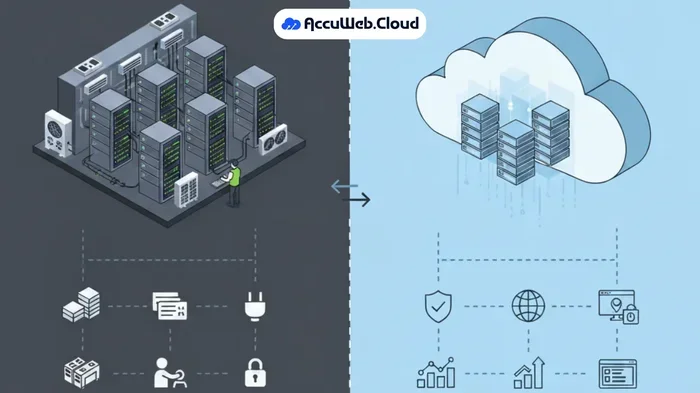
Cloud computing platforms have transformed how businesses operate. Instead of buying expensive servers, you rent computing power online. This shift saves money and gives teams the freedom to work from anywhere.
Here are a few reasons cloud services have become essential:
- Cost savings: You pay only for what you use.
- Scalability: Add or remove resources in minutes.
- Reliability: Top providers offer uptime guarantees above 99%.
- Security: Leading companies invest billions in protection.
- Global reach: Serve customers around the world with data centers in many regions.
The cloud computing market keeps growing every year. More businesses are moving to the cloud than ever before. And with good reason — the benefits are hard to ignore.
Top Cloud Computing Companies Ranked
We picked the top cloud computing companies based on market share, features, pricing, and user reviews. Let us walk through each one in detail.
1. Amazon Web Services (AWS)
AWS is the undisputed leader in cloud hosting. It holds the largest market share and offers over 200 services. From simple storage to advanced machine learning, AWS covers it all.
Here is what makes AWS stand out:
- Massive global network: Data centers in over 30 regions worldwide.
- Deep service catalog: Compute, storage, databases, AI, and more.
- Pay-as-you-go pricing: Flexible billing that fits startups and enterprises.
- Strong community: Huge library of tutorials, forums, and documentation.
However, AWS can feel overwhelming. The sheer number of services and pricing options confuses many new users. The learning curve is real, especially for beginners.
Best for: Businesses of all sizes that need a full-featured, reliable platform.
2. Microsoft Azure
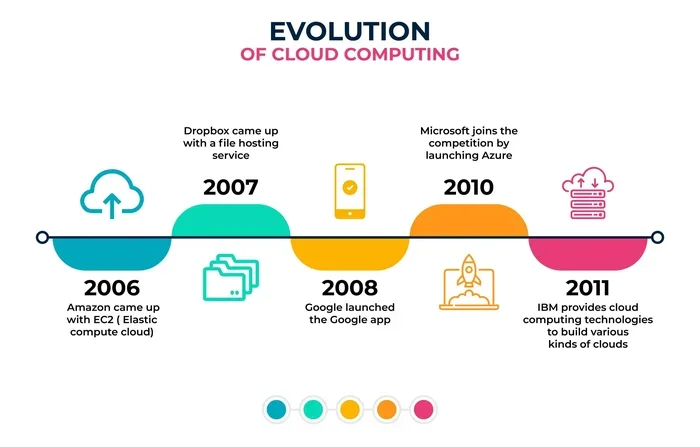
Microsoft Azure is the second-largest cloud infrastructure provider. It blends cloud power with deep integration into Microsoft products like Office 365, Windows Server, and Active Directory.
Key highlights of Azure include:
- Enterprise-friendly tools: Seamless connection with existing Microsoft environments.
- Hybrid cloud support: Great for businesses that use both on-premises and cloud setups.
- Strong compliance: Meets strict regulatory standards across many industries.
- Growing AI capabilities: Azure OpenAI and Cognitive Services are impressive.
Azure is a natural fit for organizations already using Microsoft software. However, its interface can feel complex, and some users report that documentation is not always clear.
Best for: Enterprises and businesses deeply invested in the Microsoft ecosystem.
3. Google Cloud Platform (GCP)
Google Cloud Platform brings the power of Google’s infrastructure to businesses. GCP excels in data analytics, open-source support, and artificial intelligence.
What makes GCP special:
- Data and analytics powerhouse: BigQuery and Dataflow are industry leaders.
- Open-source focus: Strong support for Kubernetes and other open tools.
- AI and machine learning: Vertex AI and TPUs give developers a huge edge.
- Competitive pricing: Sustained-use discounts and committed-use contracts help save money.
GCP may not have the same enterprise footprint as AWS or Azure. Its smaller partner ecosystem can also be a drawback for some users. But for data-driven companies, it is hard to beat.
Best for: Data-heavy businesses, startups, and teams focused on AI and analytics.
4. IBM Cloud
IBM Cloud targets businesses that need strong enterprise cloud services. IBM brings decades of experience in enterprise IT and focuses on security and compliance.
Notable IBM Cloud strengths:
- Hybrid cloud leadership: Red Hat OpenShift integration is a major plus.
- Strong security: IBM QRadar and other security tools are top-notch.
- Industry expertise: Deep knowledge in finance, healthcare, and government.
- AI tools: Watson AI services add value for specific use cases.
IBM Cloud has a smaller market share compared to AWS and Azure. Its interface is also less intuitive, which can slow down new users.
Best for: Large enterprises with strict security and compliance needs.
5. Oracle Cloud
Oracle Cloud is a strong player for businesses that rely on Oracle databases and applications. Oracle offers a full stack of cloud computing solutions from infrastructure to software.
Oracle Cloud highlights:
- Database excellence: Oracle Autonomous Database is a standout feature.
- Strong performance: Oracle’s infrastructure delivers high speed and reliability.
- Enterprise applications: Great for companies already using Oracle ERP and HCM.
- Cost-effective for Oracle shops: Existing Oracle customers get strong value.
Oracle Cloud is not the best choice if you do not use Oracle products. The platform can feel niche, and its marketing is not always clear about pricing.
Best for: Organizations already using Oracle software and databases.
Cloud Computing Company Comparison
Not sure which provider fits your needs? Use this quick comparison table to see how the top cloud services providers stack up.
| Provider | Best For | Key Strength | Starting Price (Basic Compute) |
|---|---|---|---|
| AWS | All-around use | Largest service catalog | ~$7/month |
| Microsoft Azure | Enterprise and Microsoft users | Hybrid cloud and compliance | ~$13/month |
| Google Cloud | Data and AI workloads | Analytics and machine learning | ~$9/month |
| IBM Cloud | Secure enterprise needs | Hybrid cloud and security | Varies by plan |
| Oracle Cloud | Oracle database users | Autonomous database | Varies by plan |
Remember that cloud pricing models differ a lot. Some charge by the hour, others by the gigabyte. Always check the full pricing details before committing.
What to Look for in a Cloud Provider
Not all cloud computing providers are the same. Here are the factors that matter most when choosing a provider.
Uptime and Reliability
Your cloud provider should offer strong uptime guarantees. Look for providers that promise at least 99.9% uptime. Downtime costs money and hurts customer trust.
Security and Compliance
Cloud security features are non-negotiable. Check if the provider offers encryption, identity management, and compliance certifications like SOC 2, HIPAA, and GDPR.
Pricing Transparency
Hidden fees are a common problem in cloud computing. Choose a provider with clear, upfront pricing. Use cost calculators to estimate your monthly bill before you start.
Scalability
Your provider should grow with you. Cloud scalability means you can handle traffic spikes without breaking a sweat. Look for auto-scaling features and flexible resource options.
Support and Documentation
Good support saves hours of frustration. Check if the provider offers 24/7 support, live chat, and a helpful knowledge base. Community forums are also a great free resource.
Common Mistakes to Avoid When Choosing a Cloud Provider
Many businesses make avoidable mistakes when picking a cloud computing company. Here are the ones to watch out for.
- Ignoring egress costs: Data transfer fees can add up fast. Always check what you pay for moving data out of the cloud.
- Overlooking lock-in: Some providers make it hard to move your workloads elsewhere. Plan for flexibility.
- Underestimating security needs: Even the best providers need proper configuration. Security is a shared responsibility.
- Choosing on price alone: The cheapest option is not always the best. Consider reliability, support, and features too.
- Skipping the trial: Most providers offer free tiers. Use them to test performance before you commit.
Quick Tips for Getting the Most from Your Cloud Provider
Want to get more value from your cloud hosting provider? Try these practical tips:
- Start small: Begin with a basic plan and scale up as you learn what you need.
- Use free tiers: Most providers offer free usage limits. Take advantage of them to test the platform.
- Set billing alerts: Avoid surprise charges by setting up budget warnings in your account.
- Optimize resources: Turn off unused servers and services to keep costs low.
- Back up your data: Even the best providers can have issues. Always maintain your own backups.
- Learn the tools: Take free online courses from AWS, Azure, and Google Cloud to build your skills.
Final Thoughts
The best cloud computing companies all have something valuable to offer. AWS leads with sheer breadth and global reach. Microsoft Azure wins for enterprise integration. Google Cloud shines in data and AI. IBM and Oracle serve niche enterprise needs with strong security and specialized tools.
Your choice depends on your specific situation. Consider your budget, technical skills, existing tools, and future growth plans. The right cloud computing solution should feel like a natural fit, not a forced decision.
Take your time. Test the free tiers. Read reviews. And do not be afraid to switch if the first choice does not work out. The cloud is flexible, and so should your approach be.
Conclusion
Finding the best cloud computing companies does not have to be overwhelming. We have walked through the top providers, compared their strengths, and highlighted what matters most. Use this guide to narrow your options and make a confident choice.
Whether you need cloud storage solutions for a small team or enterprise cloud services for a global operation, there is a provider that fits. Start today, explore the free tiers, and take the first step toward a more flexible and powerful IT setup.
The cloud is not just a trend — it is the foundation of modern business. Choose wisely, and your future self will thank you.
Frequently Asked Questions
What are the top cloud computing companies?
The top cloud computing companies include Amazon Web Services, Microsoft Azure, Google Cloud Platform, IBM Cloud, and Oracle Cloud. Each offers different strengths for various business needs.
Which cloud provider is the cheapest?
Pricing depends on your usage and needs. AWS, Google Cloud, and Azure all offer competitive entry-level pricing. Always use their cost calculators to compare cloud pricing models for your specific workload.
Is cloud computing safe?
Yes, cloud computing platforms are generally very safe. Top providers invest heavily in cloud security features like encryption, firewalls, and identity management. However, you must also configure your own setup correctly.
Can I switch cloud providers after I start?
Yes, but it can be challenging. This is why choosing a flexible provider from the start matters. Avoid heavy lock-in by using open standards and multi-cloud friendly tools.
What is the difference between IaaS, PaaS, and SaaS?
IaaS gives you virtual servers and storage. PaaS provides a platform for building apps. SaaS delivers ready-to-use software over the internet. Most cloud computing companies offer all three.
How do I know which cloud provider is right for me?
Consider your budget, technical skills, existing tools, and growth plans. If you use Microsoft products, Azure is a natural fit. If you focus on data and AI, Google Cloud stands out. For all-around power, AWS leads the market.
=== CONCLUSION ===
This guide covered everything you need to know about the best cloud computing companies. We reviewed the top providers, compared their features, and shared practical tips to help you choose wisely. The right cloud hosting providers can boost your business, cut costs, and open new possibilities.
Now it is your turn. Use what you learned here to make a smart, confident decision. The cloud is waiting — and so is your next big step.