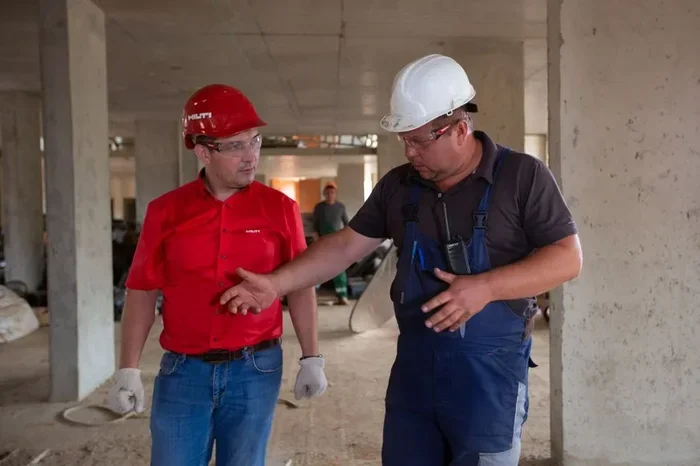
Building Project Manager Responsibilities Explained Clearly
A building project manager handles everything from planning and budgeting to safety compliance and team coordination. They ensure construction projects stay on schedule, within budget, and up to code. Understanding these responsibilities helps clients, contractors, and aspiring managers navigate the role with confidence.
A building project manager wears many hats. They plan, organize, lead, and troubleshoot every step of a construction project. Without them, buildings would not get built on time or within budget.
Whether it is a small home renovation or a massive commercial development, the building project manager responsibilities stay the same at their core. They keep things moving, keep people aligned, and keep the project on track. This guide breaks down every major responsibility in plain, simple terms.
If you are new to construction management or just curious about what this role involves, you are in the right place. Let us walk through it together.
Key Takeaways
- Planning and Scheduling: A building project manager creates timelines, sets milestones, and keeps every phase moving forward smoothly.
- Budget and Cost Control: Managing costs, estimates, and expenses is a core part of the role to prevent overspending.
- Safety and Compliance: Ensuring the site meets building codes and safety standards protects workers and avoids legal issues.
- Team Leadership: Coordinating contractors, subcontractors, and stakeholders requires strong communication and leadership skills.
- Risk Management: Identifying and addressing problems early saves time, money, and stress throughout the project.
- Quality Assurance: Regular inspections and progress checks ensure the final build meets high standards.
- Client Communication: Keeping clients informed builds trust and ensures the project aligns with their expectations.
📑 Table of Contents
- What Does a Building Project Manager Do?
- Project Planning and Scheduling
- Budget Management and Cost Control
- Safety Compliance and Building Codes
- Team Leadership and Contractor Coordination
- Risk Management and Problem Solving
- Quality Control and Final Inspections
- Client Relationship Management
- Common Mistakes to Avoid
- Quick Tips for Aspiring Building Project Managers
- Conclusion
What Does a Building Project Manager Do?
A building project manager oversees the entire lifecycle of a construction project. They start from the planning phase and stay involved until the final walkthrough. Their job is to make sure everything runs as it should.
Think of them as the glue that holds a project together. Architects, engineers, contractors, and clients all look to the project manager for direction. They coordinate efforts, solve problems, and make decisions that keep the project moving forward.
The construction project management process involves many moving parts. A good manager balances all of them without losing sight of the big picture. They handle logistics, people, paperwork, and progress checks every single day.
Project Planning and Scheduling
Creating a Realistic Construction Timeline
One of the first building project manager responsibilities is planning. Before any work begins, the manager creates a detailed project schedule. This timeline outlines every phase, from groundbreaking to final inspection.
A solid project schedule includes:
- Pre-construction tasks like permit applications
- Foundation work and structural phases
- Framing, electrical, and plumbing milestones
- Interior finishing and final inspections
- Buffer time for unexpected delays
Without a clear timeline, projects easily fall behind. The manager uses tools like Gantt charts and scheduling software to track every construction milestone. They update the schedule regularly to reflect real progress.
Setting Milestones and Deadlines
Breaking a large project into smaller milestones makes it manageable. Each milestone represents a key checkpoint. For example, completing the foundation might be one milestone, while finishing the roof is another.
These checkpoints help the team stay focused. They also give clients a clear picture of where things stand. A building project manager reviews progress against these milestones and adjusts plans when needed.
Budget Management and Cost Control
Estimating Project Costs
Money management is a huge part of the job. A building project manager must estimate costs accurately before work starts. This includes materials, labor, equipment, permits, and overhead.
Cost estimation involves:
- Reviewing blueprints and design specifications
- Getting quotes from subcontractors and suppliers
- Factoring in contingency funds for surprises
- Tracking expenses against the approved budget
A good cost estimation process prevents budget overruns. The manager keeps a close eye on spending throughout the project. They know that even small cost increases can add up fast.
Tracking Expenses and Preventing Overspending
Once the project is underway, the manager tracks every dollar. They compare actual spending against the budget regularly. If costs start climbing, they find ways to bring them back down.
This might mean renegotiating contracts or finding cheaper material alternatives. The goal is always the same: deliver quality work without blowing the budget. Budget management skills are essential for any successful project manager.
Safety Compliance and Building Codes
Ensuring Site Safety
Safety comes first on every construction site. A building project manager is responsible for enforcing safety rules. They make sure all workers have proper training and equipment.
Key safety duties include:
- Conducting daily safety briefings
- Inspecting scaffolding, ladders, and heavy equipment
- Ensuring personal protective equipment is worn
- Reporting and addressing hazards immediately
Safety violations can lead to injuries, fines, or even project shutdowns. A careful manager stays proactive. They do not wait for problems to happen before taking action.
Adhering to Local Building Codes
Every construction project must follow local building codes. These rules set standards for structural integrity, electrical systems, plumbing, and fire safety. A building project manager ensures full compliance at every stage.
They work closely with inspectors and permit offices. If any part of the build does not meet code, they fix it right away. Staying up to date with code changes is an ongoing part of the job.
Team Leadership and Contractor Coordination
Managing Subcontractors and Crews
A construction project involves many different teams. Electricians, plumbers, carpenters, and painters all work on the same site. The building project manager coordinates all of them.
Effective coordination means:
- Scheduling trades so they do not conflict
- Communicating clearly about expectations and deadlines
- Resolving conflicts between different crews
- Ensuring each team has what they need when they need it
Strong team leadership keeps everyone working together smoothly. The manager acts as the central point of communication. Without this coordination, projects would descend into chaos quickly.
Communicating with Stakeholders
Stakeholders include clients, investors, architects, and local authorities. The project manager keeps everyone informed about progress, changes, and challenges. Clear communication builds trust and prevents misunderstandings.
Regular stakeholder communication might involve weekly meetings, email updates, or progress reports. The manager tailors their communication style to each audience. Clients want to know about timelines and costs, while architects focus on design details.
Risk Management and Problem Solving
Identifying Potential Risks Early
Every construction project carries risks. Weather delays, supply chain issues, design changes, and labor shortages can all cause problems. A skilled building project manager identifies these risks before they become big issues.
Risk management starts during the planning phase. The manager reviews the project scope and looks for potential trouble spots. They create backup plans for the most likely risks.
Troubleshooting and Adapting to Changes
When problems arise, the manager acts fast. They assess the situation, weigh options, and make decisions quickly. Delaying a response only makes things worse.
Adaptability is a key trait in construction project management. Plans change, and the best managers roll with it. They keep the project moving forward even when unexpected challenges appear.
Quality Control and Final Inspections
Conducting Regular Site Inspections
Quality control is not an afterthought. A building project manager inspects work at every stage. They check that materials meet specifications and that workmanship is up to standard.
Regular inspections catch problems early. A small issue with plumbing rough-in is much easier to fix before walls are closed up. The manager does not wait until the end to find problems.
Managing the Final Walkthrough
Before handing over the project, the manager conducts a final walkthrough. They check every detail against the project specifications. Any punch list items get addressed before the client takes possession.
This final review ensures the client receives exactly what they expected. It is the last step in delivering a successful project. A thorough walkthrough reflects well on the entire team.
Client Relationship Management
Managing client expectations is a vital part of the role. Clients invest time and money into construction projects. They want to feel confident that their vision is being realized.
A good project manager keeps clients informed at every step. They share progress photos, explain delays honestly, and celebrate milestones together. This transparency builds long-term trust.
When clients feel heard and respected, they become repeat customers and referrals. Client relationship management is not just about the current project. It is about building a reputation that brings future business.
Common Mistakes to Avoid
Even experienced managers make mistakes. Here are a few common ones to watch out for:
- Underestimating project timelines — Always build in buffer time for delays.
- Skipping safety checks — Never cut corners on site safety.
- Poor communication — Keep everyone in the loop, always.
- Ignoring small problems — Small issues become big problems fast.
- Overlooking permits — Make sure all paperwork is in order before work starts.
Avoiding these mistakes saves time, money, and stress. A careful, organized approach pays off in the end.
Quick Tips for Aspiring Building Project Managers
Want to excel in this role? Here are some practical tips:
- Learn the software. Tools like Procore, Buildertrend, and Microsoft Project make scheduling and tracking much easier.
- Stay organized. Keep all documents, permits, and contracts in one central place.
- Build strong relationships. Trust with contractors and clients goes a long way.
- Keep learning. Stay updated on new building codes, materials, and techniques.
- Ask for help. No one knows everything. Lean on your team and mentors when needed.
Conclusion
The building project manager responsibilities are wide-ranging and deeply important. From planning and budgeting to safety, quality control, and client communication, this role touches every part of a construction project. A skilled manager keeps everything running smoothly, even when challenges arise.
Whether you are considering this career path or looking to understand the role better, the key is clear communication, strong organization, and a commitment to quality. The world of construction project management needs people who care about getting things right.
Take what you have learned here and apply it. The more you understand these responsibilities, the better equipped you will be to succeed in this rewarding field.
Frequently Asked Questions
What are the main duties of a building project manager?
A building project manager handles planning, budgeting, scheduling, safety compliance, team coordination, and quality control. They make sure every phase of the project runs smoothly and stays on track. Their goal is to deliver the project on time, within budget, and up to code.
Do building project managers need certifications?
While not always required, certifications like the PMP or CAPM can boost credibility and career opportunities. Many employers prefer candidates with formal training in construction management. Certifications demonstrate knowledge of project planning, risk management, and leadership.
What skills are most important for a building project manager?
Strong communication, organization, problem-solving, and leadership skills are essential. They also need solid knowledge of building codes, cost estimation, and scheduling tools. The ability to stay calm under pressure is a huge advantage on busy construction sites.
How does a project manager handle construction delays?
A project manager addresses delays by identifying the cause, adjusting the schedule, and communicating changes to stakeholders. They may add extra crew hours or resequence tasks to recover lost time. Having contingency plans in place helps minimize the impact of unexpected delays.
What tools do building project managers use daily?
Common tools include project management software like Procore or Buildertrend, scheduling apps, and communication platforms. They also rely on blueprints, cost-tracking spreadsheets, and safety checklists. These tools help keep everything organized and moving forward efficiently.
Can a building project manager work on both residential and commercial projects?
Yes, many project managers work across both sectors. The core responsibilities remain similar, though commercial projects often involve more complex logistics and stricter regulations. Experience in one area usually translates well to the other with some additional learning.